
Film
Planet B-Boy
- Dance musical
- Light-hearted
Planet B-Boy retraces breakdancing from its New York street origins through its global competitive present day. It's a visceral, beautifully shot love letter to a dance form that never disappeared—it evolved. For anyone who thinks hip-hop culture peaked decades ago, or who just loves watching humans move at the edge of what's possible.
Should you watch it?
Watch it if you love watching bodies do impossible things and want to see how a street style grew into a worldwide scene, with crews battling from city to city and the craft of the moves front and centre.
Skip it if you want a tightly argued history or a single protagonist to follow, since it is a loose, competition-hopping survey that can feel repetitive across its running time.
What it asks of you: Settle in for ninety-eight minutes of mostly watching, with long routines and interviews, and be ready to stay with the rhythm rather than the story.
Not sure? Find tonight's pick in a minute.
If you liked this
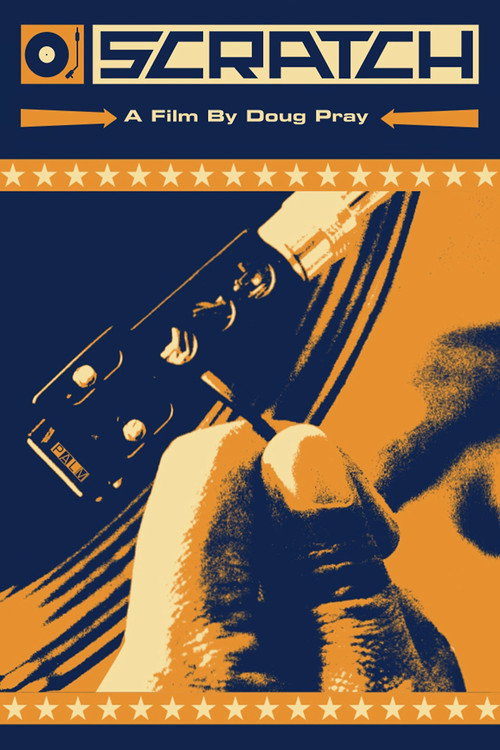
Scratch2001
DJ culture documentary that captures the same spirit of street artistry elevated to virtuosity. Scratching and b-boying emerged from identical communities and share that obsessive, ingenious self-invention.
But Heavy on technical detail and the film stock dating it visually. If you're not interested in how the thing works, it drags.
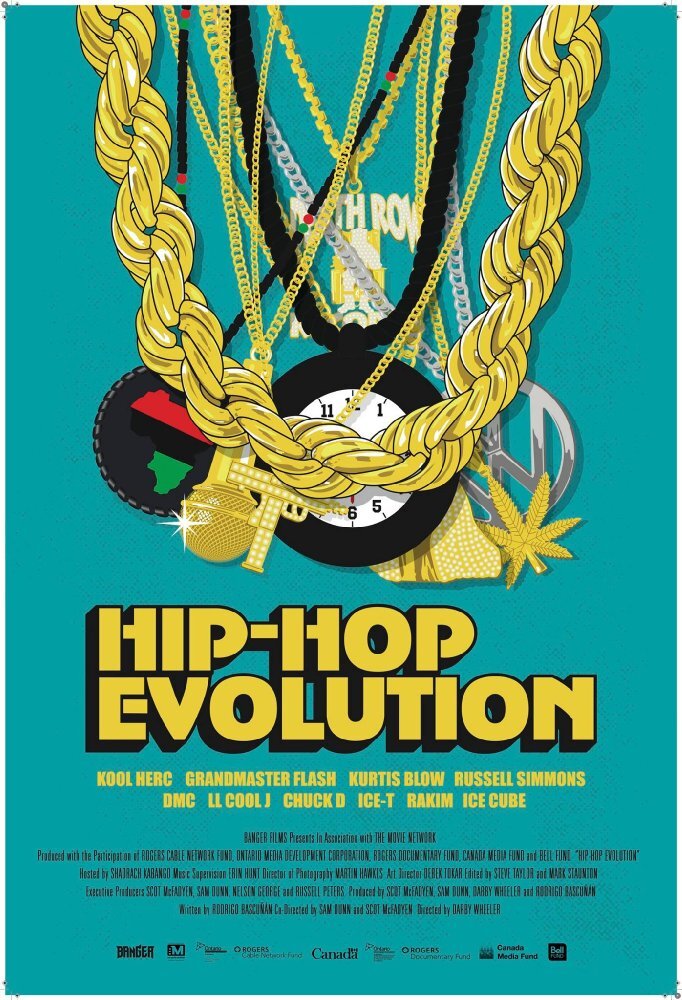
Hip-Hop Evolution2016
Multi-season documentary series tracking hip-hop's global spread. If you loved seeing b-boying go worldwide in Planet B-Boy, this gives you the sonic context for everything you saw.
But Episodic rather than focused. It covers enormous ground, which means nothing gets the depth Planet B-Boy brings to its subject.
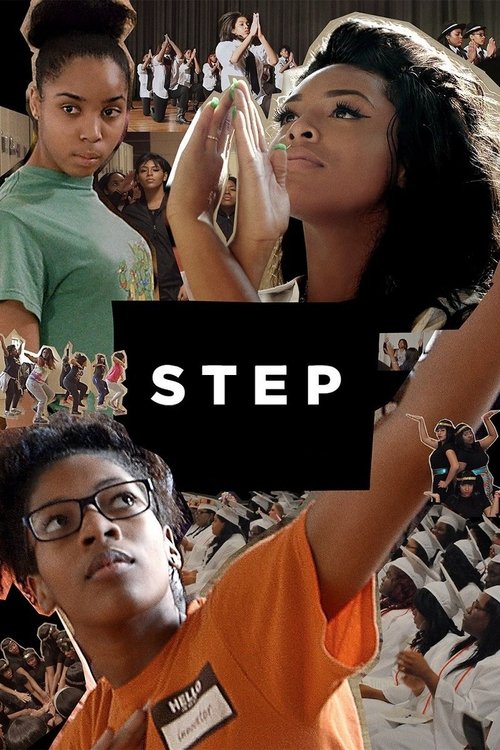
Step2017
Documentary about competitive step dancing and the African-American college tradition. Same competitive intensity, same stakes, same joy in physical culture. Beautifully made.
But Narrower in scope—stays mostly within one American community rather than globe-trotting like Planet B-Boy does.
Not sure tonight? Get a pick in a minute, starting from Planet B-Boy
The wildcard
Something you would not have found on your own.
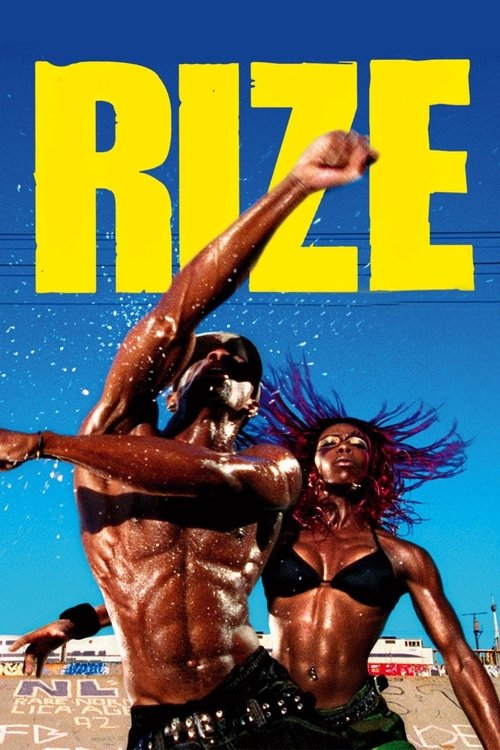
Rize2005
Both documents grassroots dance forms that emerged from urban communities and spread worldwide through competition and YouTube. Both show kids creating art from nothing.
Krumping and clowning documentaries from the same Los Angeles streets, same era. Beats, crews, competition, and kids inventing impossible movement languages. If you loved Planet B-Boy's global scope, this shows you what was happening simultaneously on the coast.
But Grittier and darker in tone—these communities are explicitly dealing with poverty and violence. Celebrates resilience but doesn't look away from the context.
More like this (5)
All That Jazz1979
Fosse's love letter to dance and dancers. Not a documentary, but it understands the obsession and the physical price of mastery in a way few films do.
But It's a Fosse fever dream, not realism. If you want real people and real stakes rather than stylized drama, this won't scratch that itch.

Cane Toads: An Unnatural History1988
Australian documentary with wildly inventive storytelling about an ecological disaster. Proof that documentary can be as creative and surprising in form as any narrative film.
But The subject matter is completely unrelated and the tone is arch and absurdist. It shares enthusiasm but not substance.

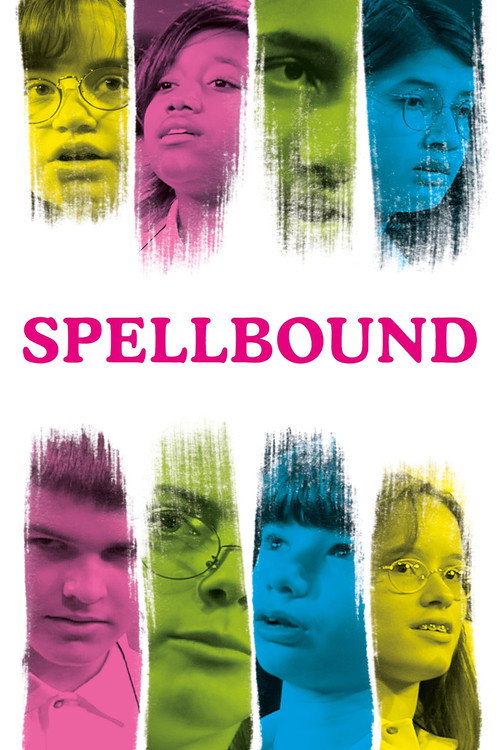
Spellbound2002
Documentary about spelling bee competitors. Captures the strange intensity of young people pursuing mastery in something others dismiss. Engaging and surprisingly moving.
But The actual activity is static compared to watching bodies move. Less visually thrilling than Planet B-Boy, more intellectually driven.
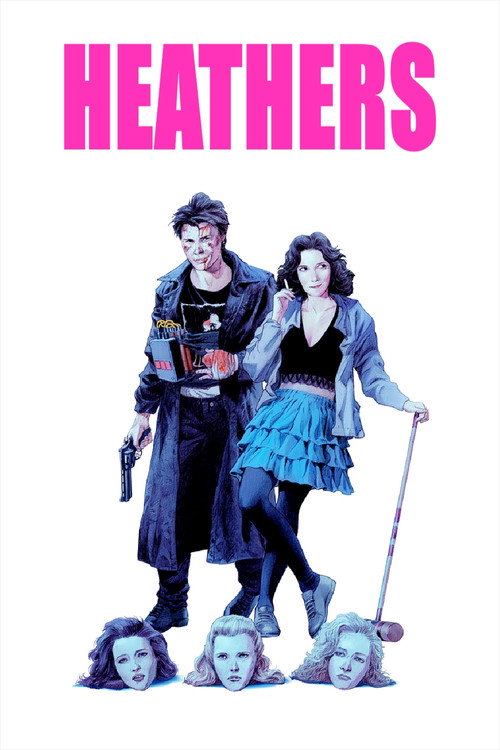
Heathers1989
Both are about communities defined by style, belonging, and strict internal codes. Both ask: what makes you matter to your people? In one it's moves and crews, in one it's clothes and cruelty. Same question, inverted.
A high school dark comedy about cliques and belonging. Wildly different on the surface, but it's about outsiders creating meaning and identity within rigid systems—exactly what b-boying is about, translated to suburban teenage angst.
But It's a Reagan-era comedy about rich white kids. Tonally opposite to the documentary, and the humor is acidic rather than joyful. Very strange pairing.
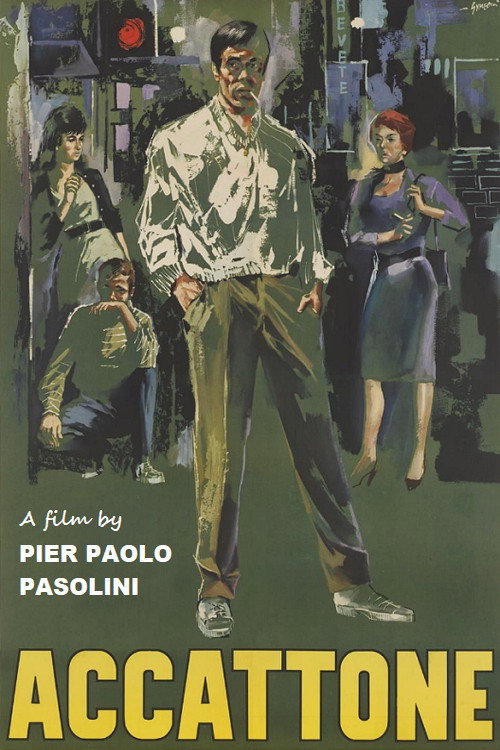
Accattone1961
Both celebrate the visual language and codes of young people from working-class communities. Both treat style and movement as dignity and art form. Pasolini saw street culture the same way Planet B-Boy does—as genuine human expression worth witnessing seriously.
Pasolini's first feature about an unemployed pimp on Rome's streets. Not about dance—about young people creating identity and community from poverty and style. Shot in black and white with non-professional actors from the streets. Pure aesthetic commitment with no money.
But Italian neorealism from 1961. Slow, visually austere, emotionally devastating. If you want joy and movement, this is monochrome melancholy about dead ends.
People
Directing
- Benson LeeDirector