
Film
Distant Voices, Still Lives
- Family drama
- Slow-burning
Terence Davies' masterpiece weaves past and present into a portrait of working-class Liverpool family life scarred by paternal violence. Using popular songs, hymns, and startling visual compositions, it transforms domestic trauma into poetry without softening it. A film that feels like memory itself—fractured, musical, devastatingly tender. Essential viewing.
If you liked this
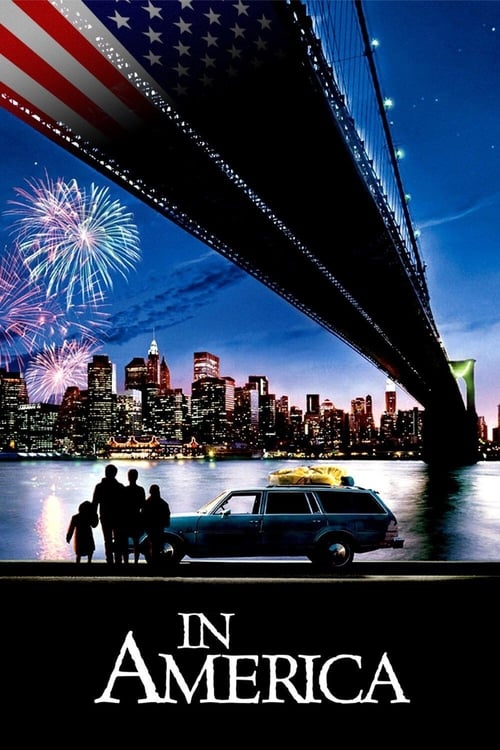
In America2003
Jim Sheridan's portrait of an Irish immigrant family in New York carries the same emotional DNA: hardship redeemed by music, art, and stubborn love. Paddy Considine is extraordinary, and it builds toward genuine transcendence.
But Sentiment approaches the surface sometimes; it's gentler than Davies, which some will find less honest.
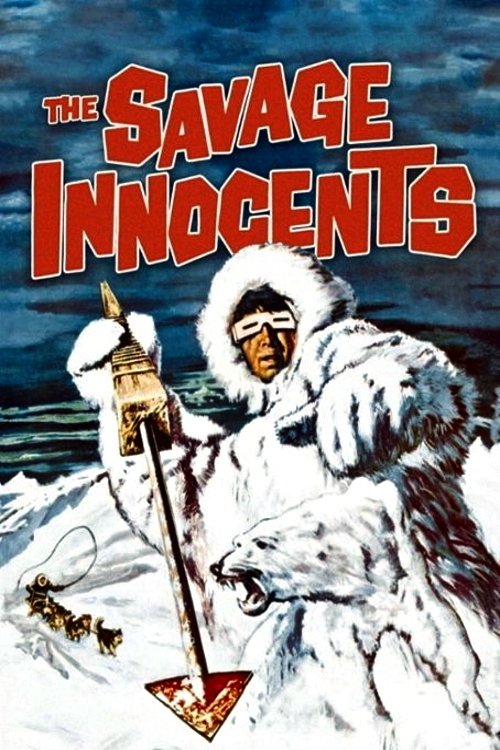
The Savage Innocents1960
Nicholas Ray's Inuit drama uses landscape and music to articulate what words cannot. Like Davies, it finds poetry in displacement and cultural rupture, and refuses easy sentimentality about hardship.
But The film's treatment of Inuit life is now properly critiqued for its outsider perspective; it demands active viewing.
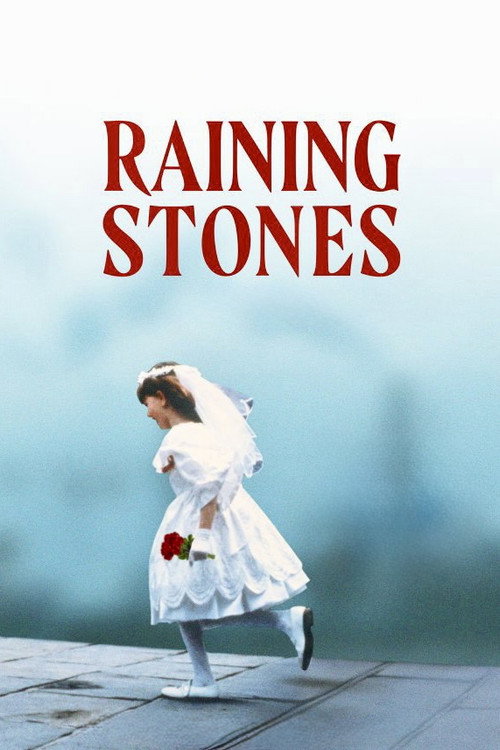
Raining Stones1993
Ken Loach's film about a Manchester working-class father trying to buy his daughter a communion dress understands shame and love in precisely the register Davies uses. Brutal and humane.
But Its documentary realism may feel plain compared to Davies' stylization; slower than you expect.
Not sure tonight? Get a pick in a minute, starting from Distant Voices, Still Lives
The wildcard
Something you would not have found on your own.
Stalker1979
Both filmmakers trust that cinema can express interiority through form itself—rhythm, composition, music—rather than dialogue or exposition. Memory lives in structure.
Andrei Tarkovsky's Soviet metaphysical epic uses long takes, landscape, and sound design to explore desire and memory. Like Davies, it treats emotional and spiritual yearning as the film's true subject, not plot.
But Glacially paced, conceptual, without conventional narrative. Three hours of philosophical ambiguity; requires surrender.

More like this (8)
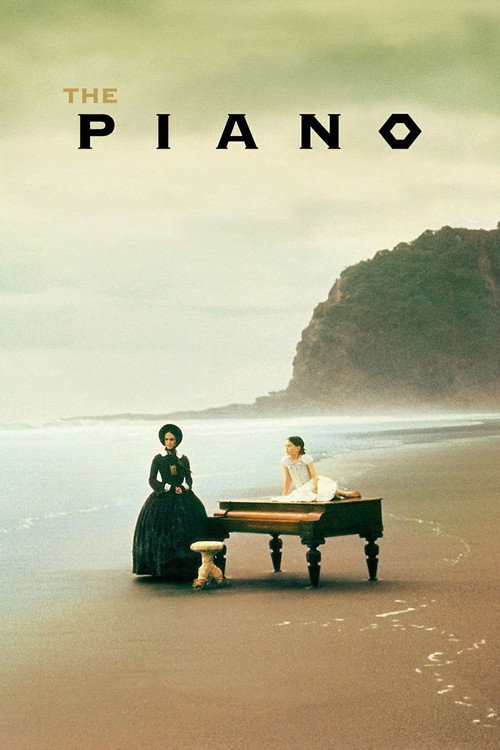
The Piano1993
Jane Campion uses music (a piano, not a jukebox) as the emotional spine of female trauma and agency. Visual poetry meeting domestic darkness, with production design that overwhelms.
But Gothic and sensual rather than naturalistic; entirely different genre, though the DNA is there.
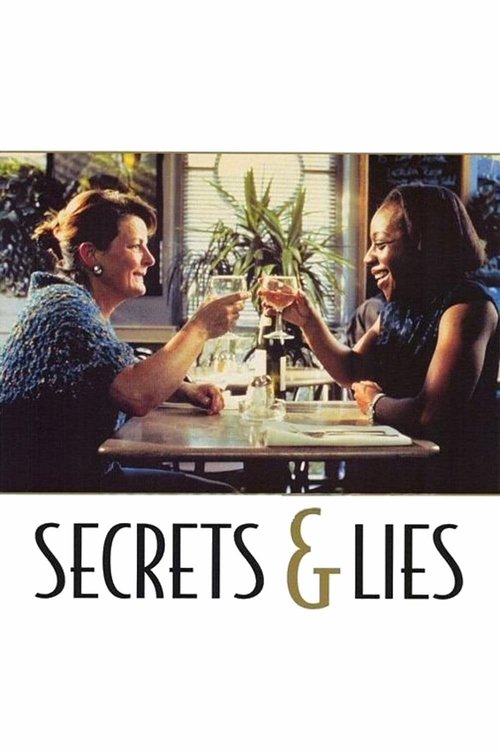
Secrets & Lies1996
Mike Leigh's working-class family drama builds from deception toward catharsis. Long takes, naturalistic acting, the texture of actual relationships. It earns its emotional climax.
But At three hours, it's patient to the point of exhaustion; not shot through with songs and visual surprise like Davies.
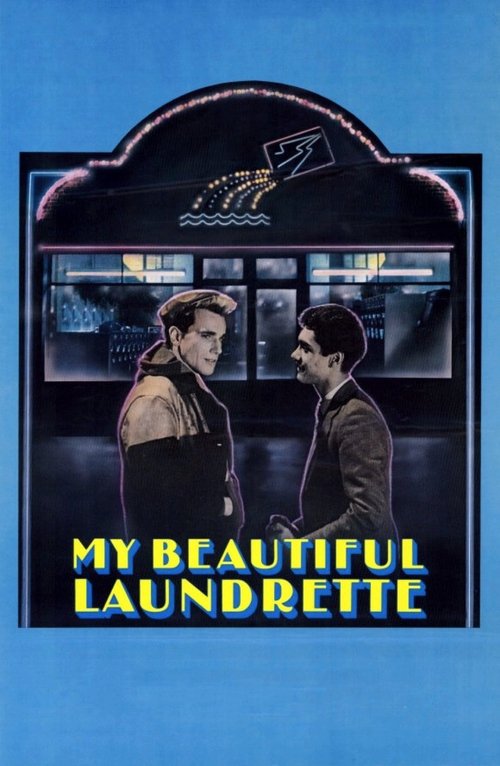
My Beautiful Laundrette1985
Stephen Frears and Hanif Kureishi capture 1980s London working-class life with tenderness and critique. Family dysfunction, queer desire, economic collapse—all rendered with warmth and wit.
But Very much of its moment; the racial politics now read differently than they did, requiring context.
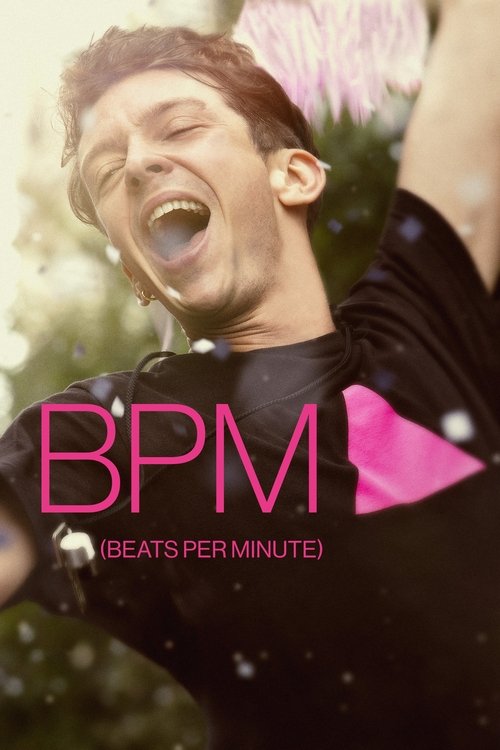
BPM (Beats per Minute)2017
Laurent Cantet's film about Act Up Paris uses dance and music to process trauma, activism, and grief collectively. Community as family, bodies as resistance. Devastating and alive.
But The political specificity and formal abstraction may alienate viewers wanting conventional narrative.
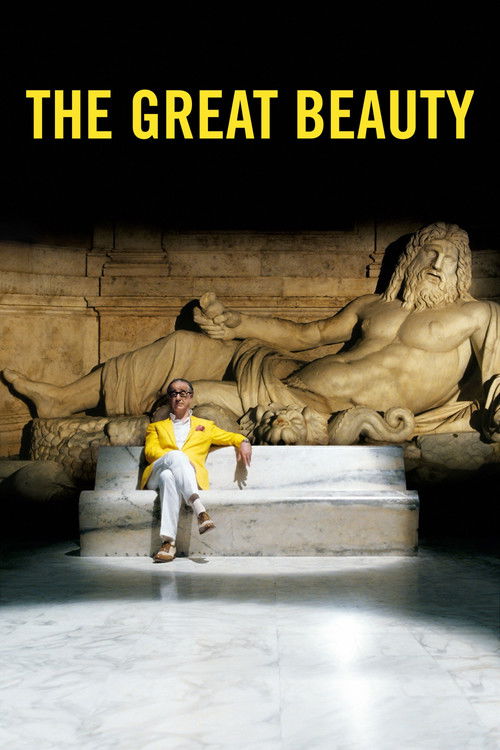
The Great Beauty2013
Paolo Sorrentino's meditation on aging, regret, and beauty as a palliative. Formally audacious, impossibly stylish, it finds profundity in surfaces. Music, memory, and melancholy.
But Gorgeous but airless; its stylization can feel like evasion. Also quite long and deliberately paced.
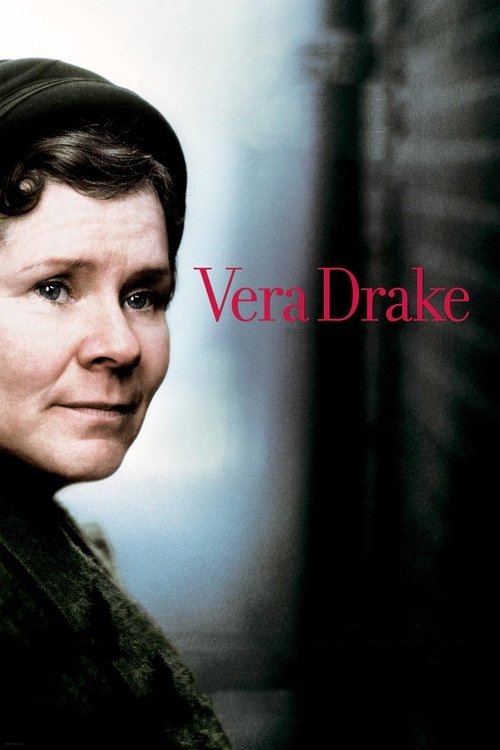
Vera Drake2004
Mike Leigh's portrait of a working-class abortionist in 1950s London. Deep empathy without judgment; it understands how good people survive bad circumstances and still break.
But Deeply depressing by design. The social injustice can feel relentless; no musical respite or visual beauty to soften it.
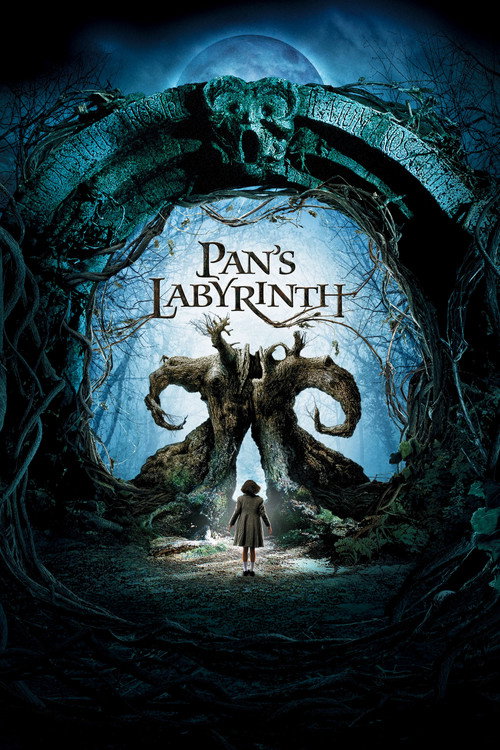
Pan's Labyrinth2006
Both use genre language—music hall, fantasy—to transcend social realism and express what documentary truth alone cannot about inherited pain.
Guillermo del Toro fuses magical realism with Spanish Civil War trauma. Like Davies, it uses visual metaphor and fairy-tale logic to process family violence and historical wound. Visually ravishing but uncompromising.
But The fantasy elements and darker horror may feel distant from Davies' realism; violence is more graphic and mythologized.
The Holy Mountain1973
Both Davies and Jodorowsky refuse realism as the only honest mode; they use cinematic language—symbol, repetition, visual excess—to express emotional truths that naturalism cannot reach.
Jodorowsky's surrealist masterpiece is formally anarchic, spiritually sincere, and uses faces, bodies, and symbols to excavate trauma and transcendence. A fever dream, but one with emotional coherence underneath.
But Utterly confrontational, bizarre, graphic, and deeply weird. Not a film for viewers seeking conventional story or comfort. Pretentious territory.

People
Cast
 Freda DowieMother
 Pete PostlethwaiteFather
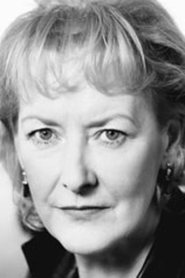 Angela WalshEileen
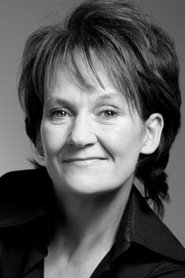 Lorraine AshbourneMaisie
- Dean WilliamsTony
- Sally DaviesEileen as a child
- Susan FlanaganMaisie as a child
- Nathan WalshTony as a child
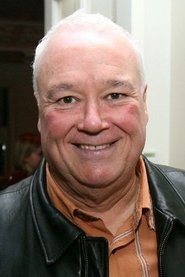 Michael StarkeDave
- Debi JonesMicky
- Vincent MaguireGeorge
- Marie JellimanJingles
Directing
- Terence DaviesDirector
Writing
- Terence DaviesWriter
Production
- Priscilla JohnCasting
- Colin MacCabeExecutive Producer
- Jennifer HowarthProducer