
Film
Johnny Stecchino
Roberto Benigni's feature directorial debut is a slapstick comedy about mistaken identity and Sicilian mobsters. An innocent bus driver is lured to Palermo by a beautiful woman because he's a dead ringer for her gangster husband—and she and her associates see an opportunity. It's broad physical comedy with genuine warmth beneath the chaos, powered entirely by Benigni's expressive face and willingness to humiliate himself for a laugh.
Should you watch it?
Watch it if you love farce built around a single manic performer, Benigni's rubber-faced physical comedy, and the sly pleasure of a lookalike mix-up with a satirical bite about Sicilian crime.
Skip it if you find Benigni's grinning, hyperactive energy wearing thin, since the film leans on repetition and broad slapstick more than on story momentum.
What it asks of you: Running just under two hours, it is an episodic, bouncy stretch of gags and bright detours, light in tone and happy to let its star drive every scene.
Not sure? Find tonight's pick in a minute.
If you liked this
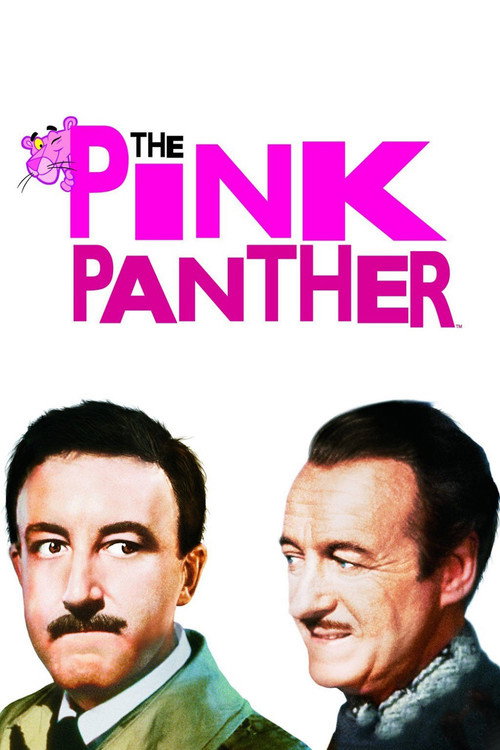
The Pink Panther1963
A masterclass in physical comedy and visual storytelling. Peter Sellers' Inspector Clouseau bumbles through a jewel heist with the same guileless charm Benigni brings to Dante. The humor comes from character and situation, not jokes.
But The pacing is glacial by modern standards, and some of the slapstick feels safer than Johnny Stecchino's willingness to go dark and weird.
Amélie2001
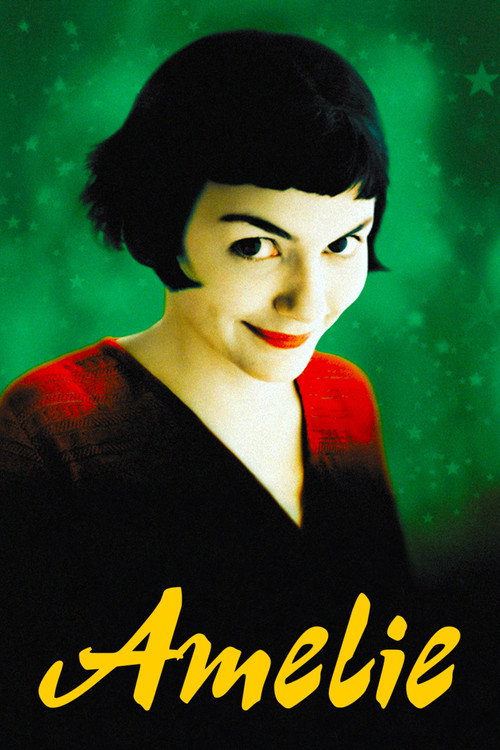
French whimsy meets Mediterranean warmth in a film that loves humanity despite its oddness. Like Benigni's work, it finds tenderness in small moments and never loses sight of the person beneath the comedy.
But The stylization is relentless and may feel precious to you. It wears its heart so openly it risks annoying people who prefer subtlety.
Life Is Beautiful1997
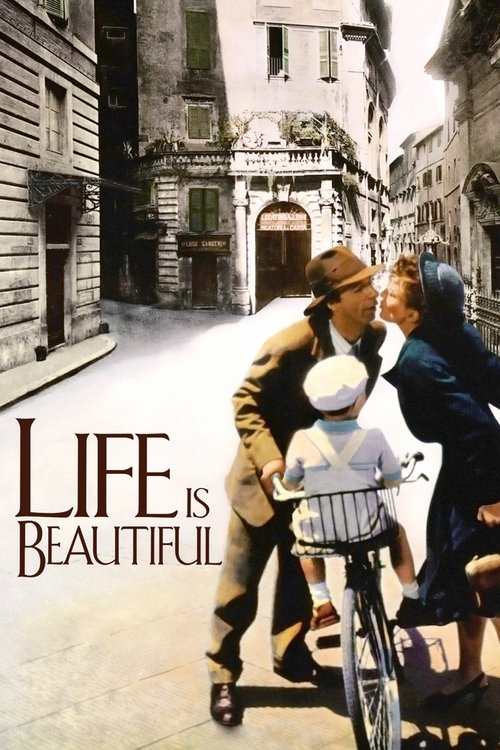
Benigni's most famous film, and his most heartbreaking. He plays a father in a concentration camp who shields his son from horror through humor and imagination. It's proof he can break your heart while making you laugh.
But Some find the tone—comedy in the face of genocide—fundamentally miscalibrated. The ending asks a lot of you emotionally, for better or worse.
Not sure tonight? Get a pick in a minute, starting from Johnny Stecchino
The wildcard
Something you would not have found on your own.
Borat Subsequent Moviefilm: Delivery of Prodigious Bribe to American Regime for Make Benefit Once Glorious Nation of Kazakhstan2020
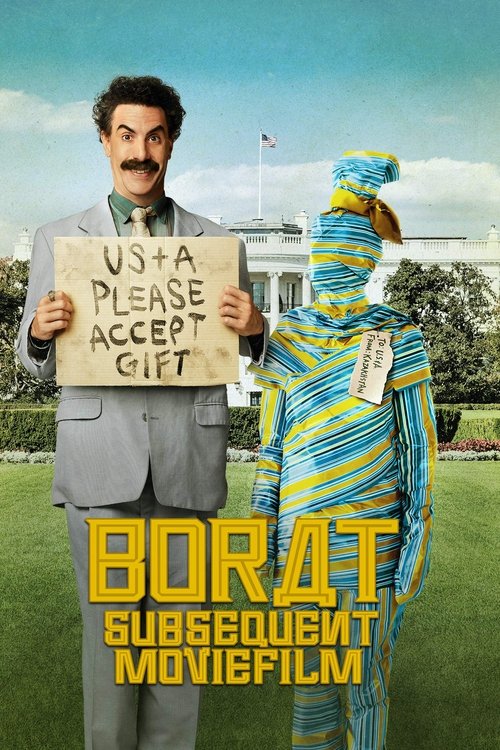
Both are comedies built on mistaken identity and cultural collision, where the protagonist's innocence or opacity creates the story. Both require absolute commitment from their lead actor and blur the line between character and performer.
Sacha Baron Cohen plays a character who doesn't understand the world he's in, creating chaos through innocent stupidity and extreme commitment to the role. Like Benigni, Cohen uses his own body and willingness to be humiliated as the engine of the comedy, and the best moments have real stakes hiding underneath.
But The humor is often cruel and relies on real people's discomfort. If you found Johnny Stecchino too harsh, this is exponentially more aggressive about its targets.
More like this (8)
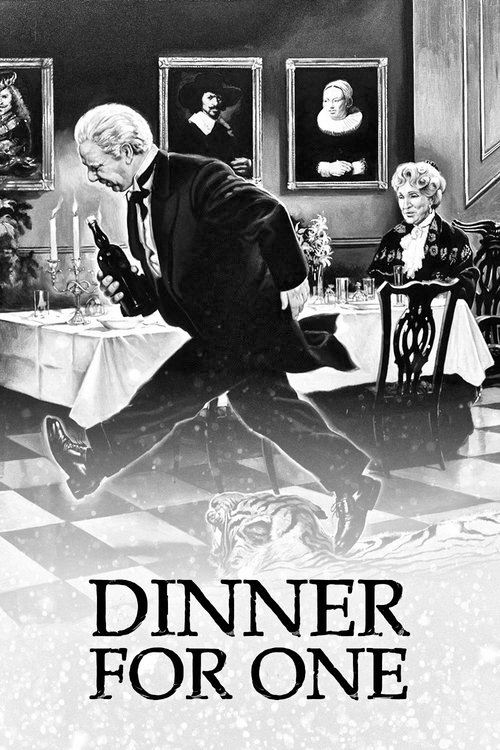
Dinner for One1963
A single-character sketch, wordless except for a parrot, built on escalating physical comedy and timing. Benigni admired this kind of sustained visual humor, and it shows in his work.
But It's barely fifteen minutes and relies on one joke executed perfectly. If the premise doesn't grab you, there's nowhere to hide.
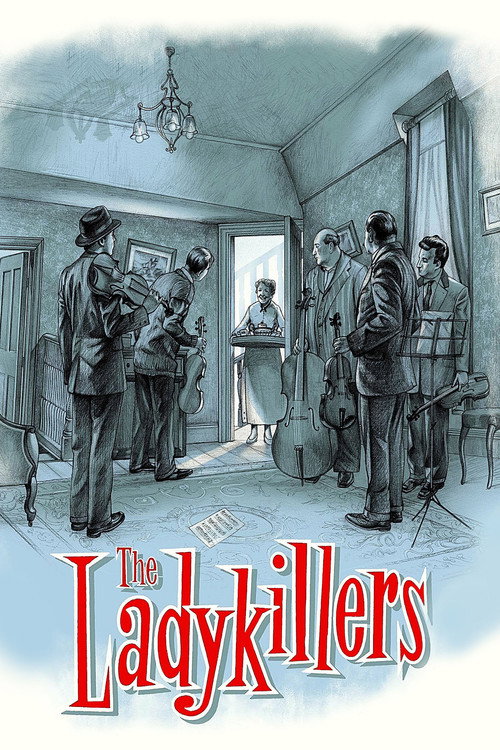
The Ladykillers1955
A heist comedy where the plot is secondary to character and performance. The humor comes from watching smart criminals constantly outwitted by a sweet old woman. Sound familiar? The Coens remade it because the idea is timeless.
But It's a British film from the 1950s, and the pacing assumes you have patience. Some scenes feel like they're held for no reason.
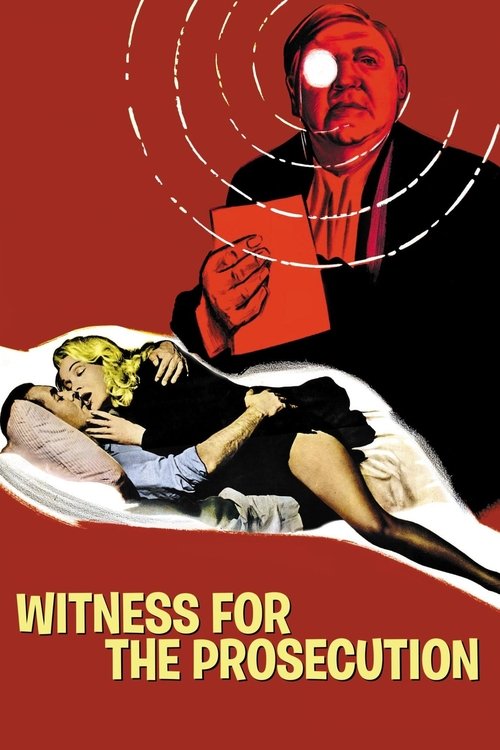
Witness for the Prosecution1957
Agatha Christie on a courtroom stage, with Marlene Dietrich and Charles Laughton in a twisty game of misdirection. It shows how a seemingly simple setup—misidentity, hidden motives—can sustain an entire narrative through surprise.
But At over two hours, it's a commitment to a plot that younger viewers might anticipate. The theatricality can feel stagy.
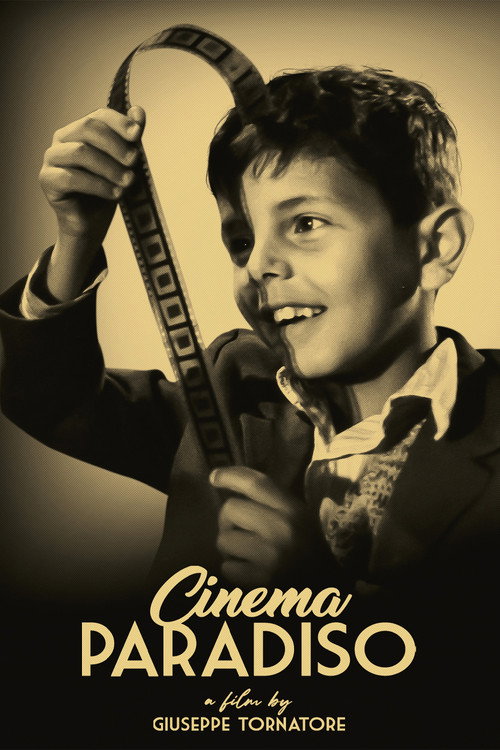
Cinema Paradiso1988
A love letter to cinema and memory from Italian director Giuseppe Tornatore. It shares Benigni's affection for his own country and its ability to mix comedy, tenderness, and melancholy in the same breath.
But It's sentimental in the extreme and unapologetically so. If you're allergic to sentiment, this will feel manipulative.
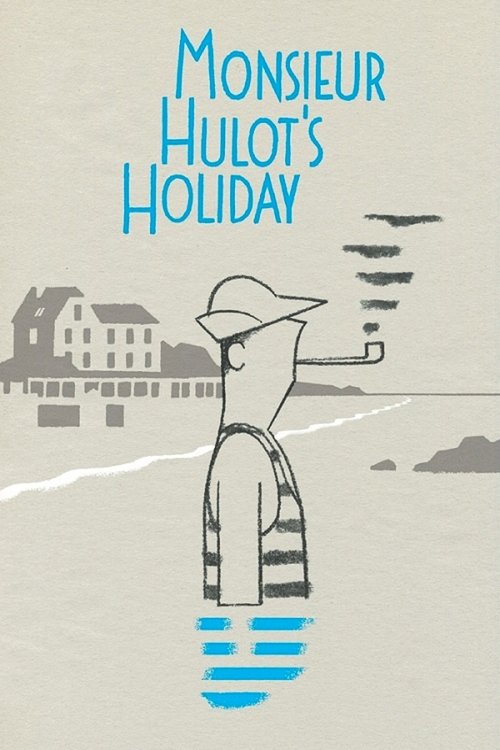
Monsieur Hulot's Holiday1953
Jacques Tati's nearly-silent comedy about a bumbling man disrupting a seaside resort. Like Benigni, Tati built entire sequences around physical comedy and the havoc innocence wreaks on the world around it.
But The humor is architectural and slow. Modern audiences often find it tedious because it doesn't point at the jokes.
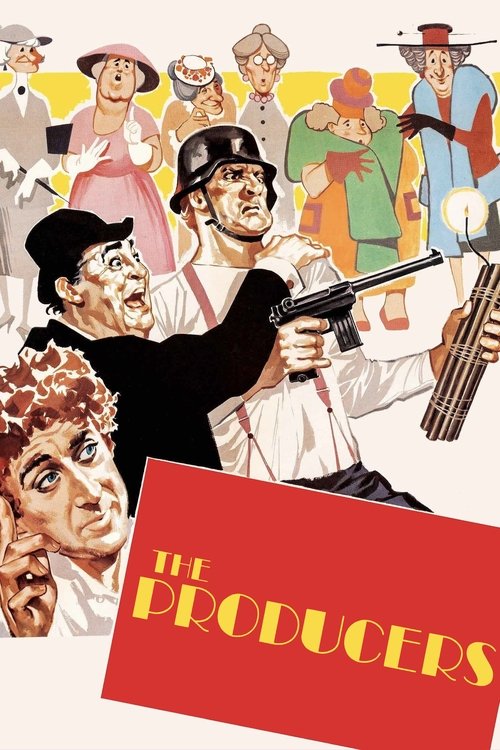
The Producers1968
Mel Brooks' chaos-theory comedy about a scheme that spirals into absurdity. It shares Johnny Stecchino's willingness to find humor in dark premise and escalating desperation without losing the human core.
But The satire is blunt and sometimes uncomfortable. Brooks' sensibility is very different from Benigni's warmth, even when covering similar ground.
A Prophet2009
Both use the fish-out-of-water setup—an innocent man in a criminal world—but where Benigni makes it comedy, Audiard makes it tragedy. Watching them back-to-back shows how premise alone doesn't determine tone or meaning.
A French prison drama about a young man navigating underworld hierarchies and survival. It's serious cinema, but it shares Johnny Stecchino's fascination with gangster worlds, criminal logic, and how ordinary men get trapped in extraordinary circumstances.
But It's bleak and violent with no humor in sight. The shift from Benigni's playfulness to this film's gravity is total. Prison brutality is not softened for viewer comfort.

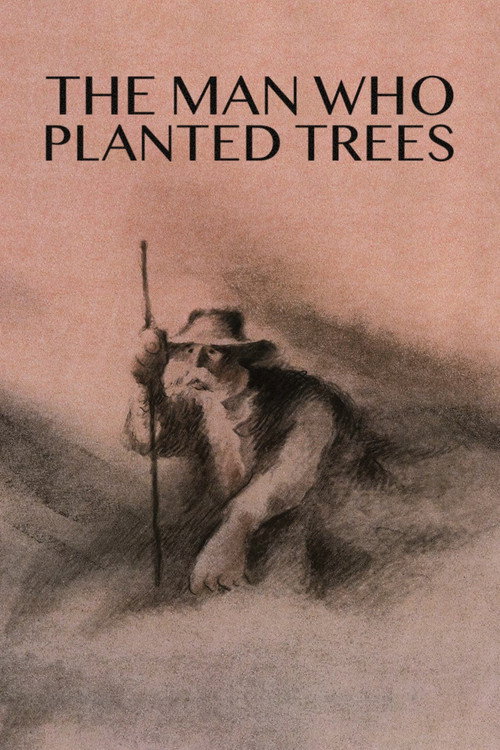
The Man Who Planted Trees1987
Both celebrate goodhearted men who persist in kindness despite the world around them. Where Johnny Stecchino uses chaos and slapstick, this uses silence and contemplation. They're opposite methods toward similar ends—faith in human decency.
A French animated short about a solitary man who, over decades, plants trees in a barren landscape, transforming it by sheer persistence and goodness. It's quiet, observational, and finds profundity in simple repetition. Benigni's Dante has the same stubborn decency and faith in small acts.
But It's only thirty minutes, animated, wordless except narration, and moves at a pace that asks you to sit still. There's no plot twist or dramatic arc. Some will find it boring rather than meditative.
People
Cast
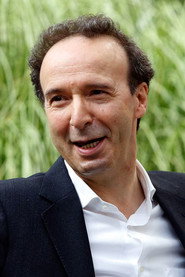 Roberto BenigniDante Ceccarini / Johnny Stecchino
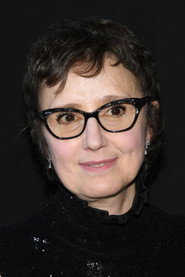 Nicoletta BraschiMaria
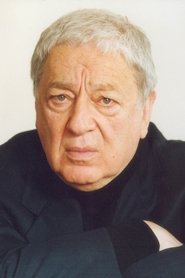 Paolo BonacelliD'Agata
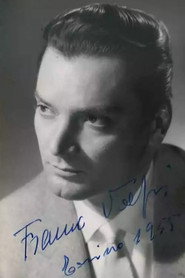 Franco VolpiMinistro
- Ivano MarescottiDr. Randazzo
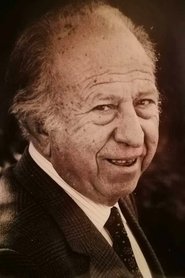 Turi ScaliaGiudice
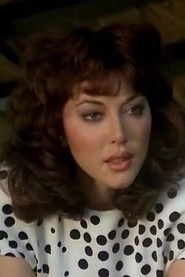 Loredana RomitoGianna
- Alessandro De SantisLillo
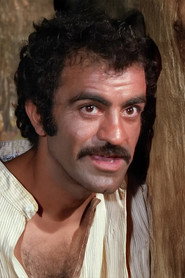 Sal BorgeseIgnazio
- Gaetano CampisiPicciotto in auto
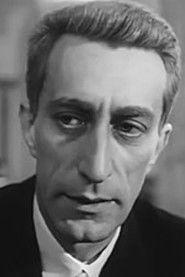 Giulio DonniniCardinale
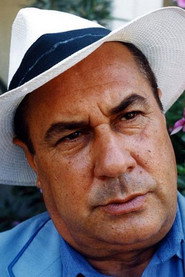 Domenico MinutoliQuestore di Palermo
Directing
- Roberto BenigniDirector
- Gianni ArduiniFirst Assistant Director
- Giorgia OnofriScript Supervisor
- Enrico MarrariSecond Assistant Director
- Michela GiorelliSecond Assistant Director
Writing
- Roberto BenigniScreenplay
- Vincenzo CeramiScreenplay
- Roberto BenigniStory
- Vincenzo CeramiStory
Production
- Alessandro von NormanLine Producer
- Mario Cecchi GoriProducer
- Vittorio Cecchi GoriProducer
- Franco BallatiProduction Manager
- Benedetta Von NormannProduction Secretary
- Gianluigi BraschiProduction Secretary
- Lorenzo ErricoUnit Manager
- Lynn KamernUnit Manager
- Nicola MastrorilliUnit Manager