
Film
The Halliday Brand
A tense 1957 Western where a sheriff's rigid racism corrodes his family from within. Joseph Cotten delivers a career-best as a man whose hatred of Indigenous people becomes a kind of madness, consuming his sons and estranging his wife. It's a serious film about how bigotry poisons its own holder—not a comfortable watch, but an honest one.
Should you watch it?
Watch it if you love a Western where the real danger sits inside the family home rather than on the trail, and you don't mind an older, stagy style of acting if the performances carry the bitterness.
Skip it if you want action or a brisk pace, since this is a talky 79-minute picture that leans on speeches and dwells on its prejudice rather than moving past it.
What it asks of you: A short, unhurried film that builds its weight through quiet family conversations, with the big confrontations weighing heavily rather than rushing in.
Not sure? Find tonight's pick in a minute.
If you liked this
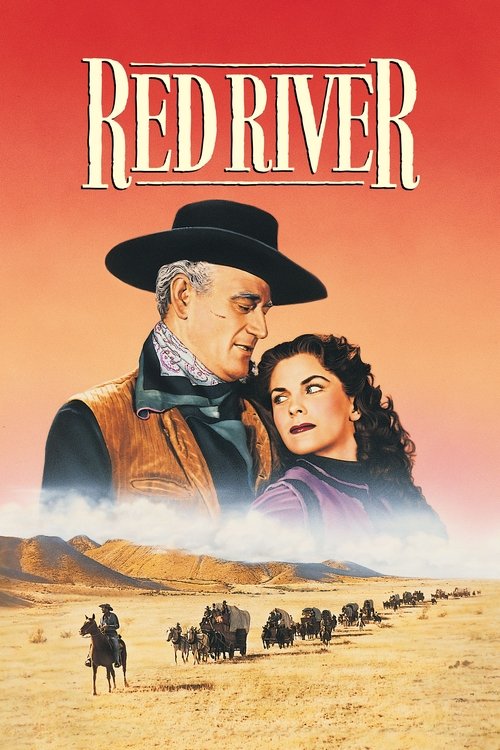
Red River1948
Montgomery Clift and John Wayne in a cattle drive that becomes a study of patriarchal tyranny. Wayne's cruelty and stubbornness parallel Cotten's destructive rigidity, but Hawks makes the damage visceral and unforgiving.
But It's long, deliberately paced, and Wayne dominates in ways that can feel suffocating—which is rather the point, but it's not easy viewing.
Johnny Guitar1954
Joan Crawford and Sterling Hayden in a Western where gender and power are weaponized. Like Halliday Brand, it's about obsession curdling into something monstrous, and how it destroys the people around you.
But It's very strange and openly artificial in its staging. Some find its oddness affecting; others find it mannered and cold.

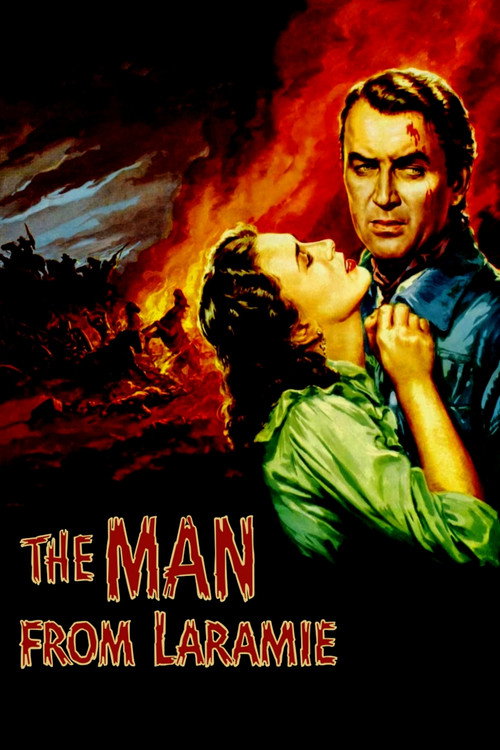
The Man from Laramie1955
James Stewart as a man driven by rage and the need for vengeance. Aldrich shoots it in CinemaScope with real brutality—when Stewart's character spirals, the film doesn't look away or soften the wreckage.
But It's aggressively bleak and doesn't reward you for following Stewart's darker impulses. There's no catharsis, only the damage left behind.
Not sure tonight? Get a pick in a minute, starting from The Halliday Brand
The wildcard
Something you would not have found on your own.
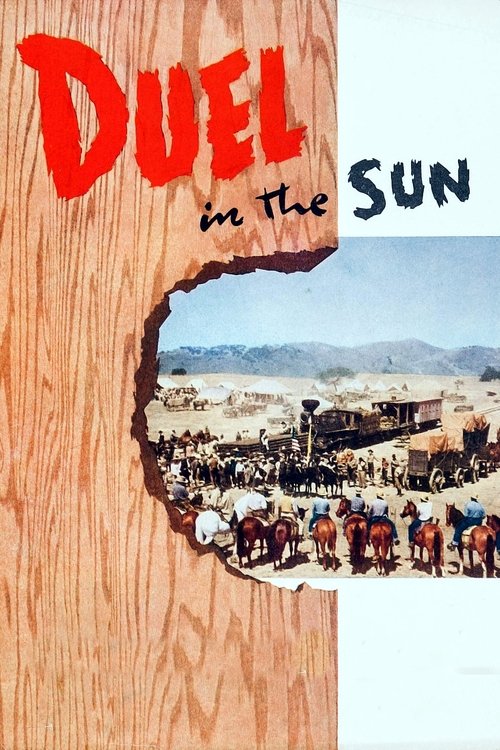
Duel in the Sun1946
Both use family conflict as the engine for exploring racism and how it festers. Where Halliday Brand is austere, Duel in the Sun is extravagant, but they're asking the same question about how hatred poisons bloodlines.
David O. Selznick's baroque Western melodrama about a mixed-race woman and two brothers tearing each other apart over race and desire. It's garish, sexual, and unashamed about violence and passion—a more operatic version of Halliday Brand's family destruction.
But It's purple and overwrought in a way that can feel ridiculous. If you don't accept camp and melodrama as legitimate forms of emotion, it'll feel like soap opera.
More like this (8)
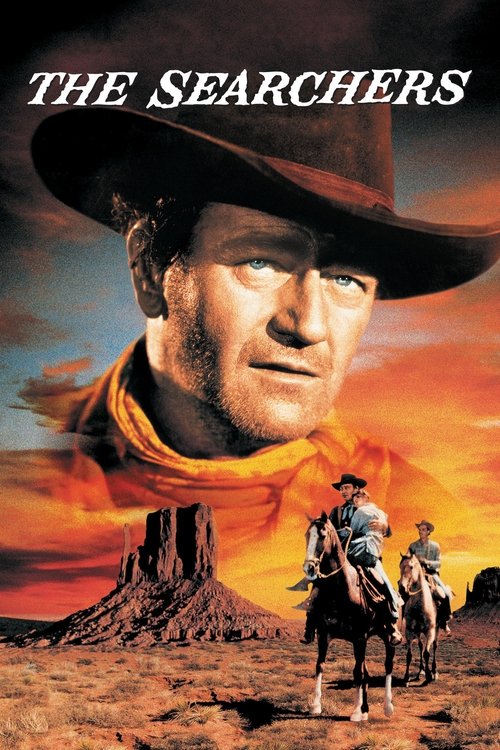
The Searchers1956
Ford's masterpiece about racism and obsession eating a man alive. Wayne's Ethan Edwards is operating from similar bigotry as Cotten's sheriff, but over five years we watch it metastasize into something close to madness.
But It's three hours and it spends that time with someone deeply hateful. You have to sit with Ethan's racism; Ford doesn't let you escape it.
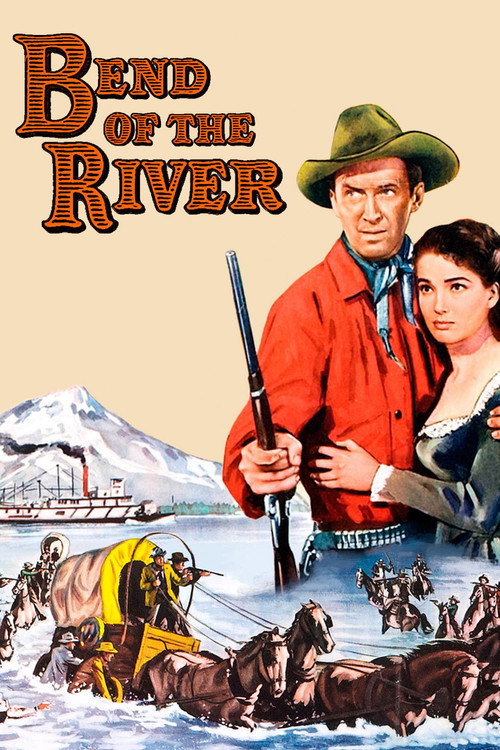
Bend of the River1952
James Stewart in a moral Western about the past catching up with you and the kind of man you choose to be. Arthur Kennedy is magnificent as a character who embodies the corrupting influence of greed.
But It's a bit of a journeyman effort—solid but not inspired. The emotional stakes don't quite hit as hard as the subject deserves.
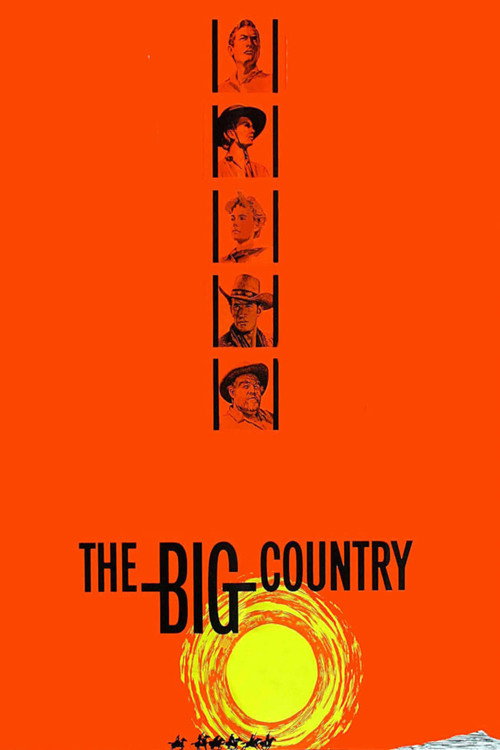
The Big Country1958
William Wyler directing Gregory Peck and Charlton Heston through a feud that turns on questions of honor and pride. It's interested in how men's egos become small-minded, the way Halliday Brand is.
But It's episodic and takes a while to build its argument. The first hour can feel like setup, though it pays off.
The Ballad of Little Jo1993
A later Western that's just as interested in prejudice and what communities will forgive. It uses a woman's disguise as a man to explore who gets to belong, and who gets destroyed for not fitting in.
But It's quieter and slower than you might expect, and the political dimension can feel more important than the character. Some find that distancing.

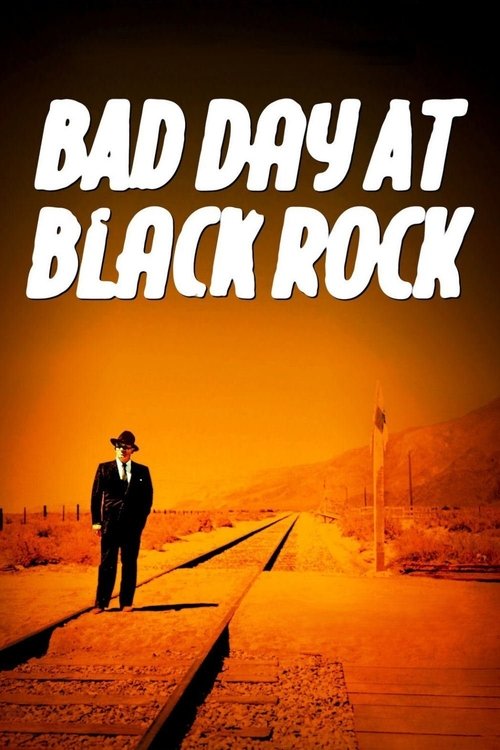
Bad Day at Black Rock1955
Spencer Tracy arrives in a small town and discovers the shame everyone's hiding. It's a thriller built on collective guilt and the violence that comes when a community has to face what it's done.
But It's very tightly wound and the message can feel a little didactic. It's not subtle about its argument—which is sometimes the point, but not always satisfying.
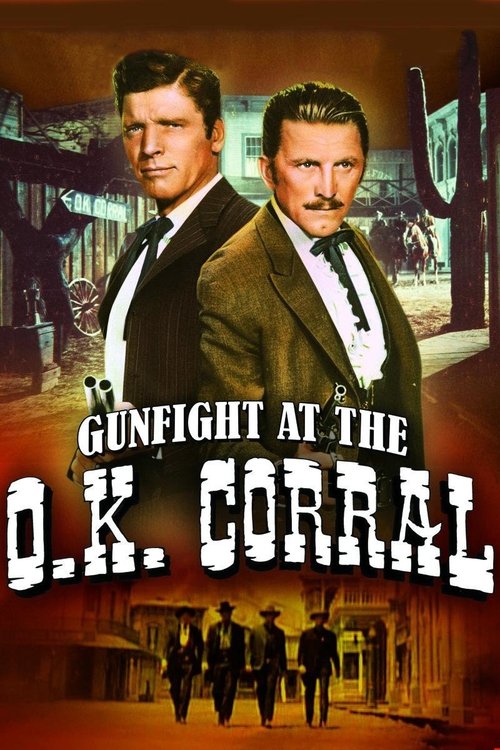
Gunfight at the O.K. Corral1957
Sturges and Lancaster in a confident Western about law and morality in a frontier town. It's a beautifully made film with real stakes, even if it doesn't reach the depths of the best Westerns.
But It's a bit conventional in its ultimate sympathies. It has more conventional heroism than the more interesting Westerns, and that can feel like a step back.
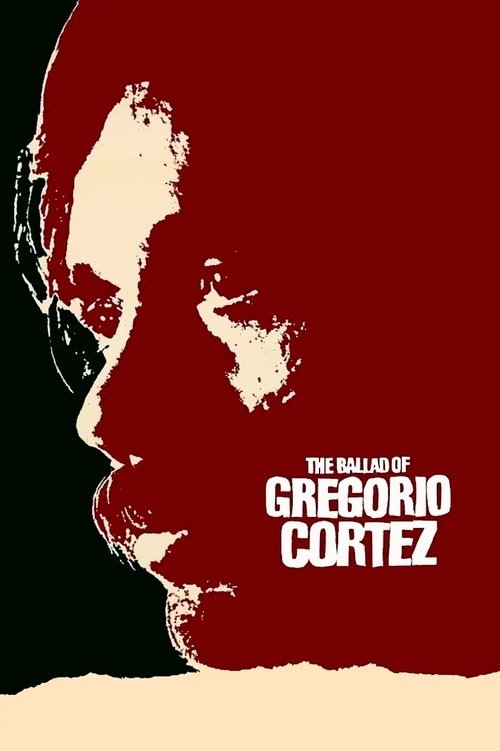
The Ballad of Gregorio Cortez1983
If Halliday Brand shows racism from inside the white family it's destroying, Cortez shows what that racism looks like from the other side—the hunted man's perspective, calm and clear-eyed.
A film told from the perspective of a Mexican-American man being hunted by Anglo law enforcement. Edward James Olmos in a spare, dignified Western that uses the chase to examine prejudice from outside the family structure entirely.
But It's very low-key and doesn't offer conventional action or drama. The power is in restraint and the accumulation of small injustices, which some find slow or underdeveloped.
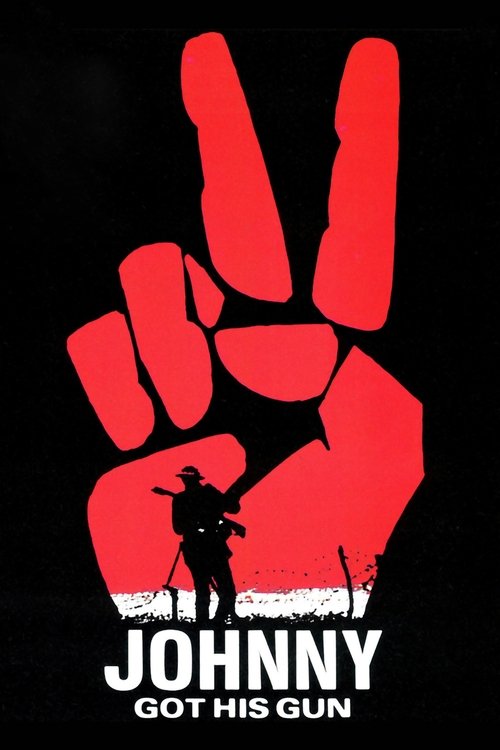
Johnny Got His Gun1971
Like Cotten's sheriff, the protagonist is imprisoned by circumstances of his own world's making. Both are films about men cut off from human connection by the world around them, one by hatred, one by catastrophe—and what happens when you can't escape that isolation.
Dalton Trumbo's anti-war adaptation: a soldier wakes from WWI with no limbs, no face, no senses but hearing and touch. It's about isolation, communication, and what it means to be locked inside your own mind and body.
But It's aggressively bleak and deeply disabled in ways that some find exploitative rather than illuminating. The ending is deliberately nihilistic in a way that doesn't offer catharsis.
People
Cast
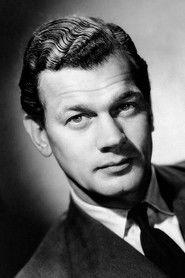 Joseph CottenDaniel Halliday
 Viveca LindforsAleta Burris
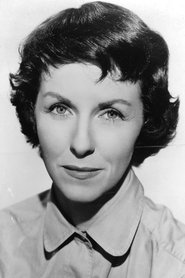 Betsy BlairMartha Halliday
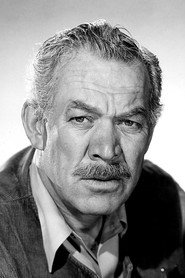 Ward BondBig Dan Halliday
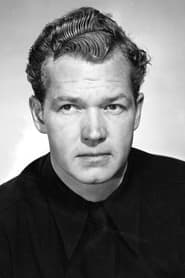 Bill WilliamsClay Halliday
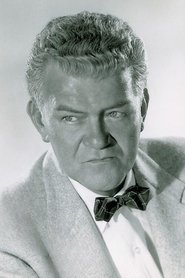 Jay C. FlippenChad Burris
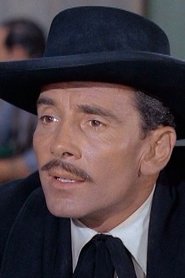 Christopher DarkJivaro Burris
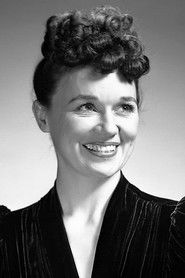 Jeanette NolanNante
- Peter OrtizManuel
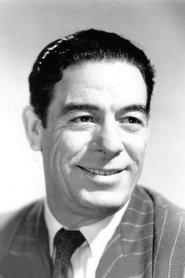 Glenn StrangeTownsman
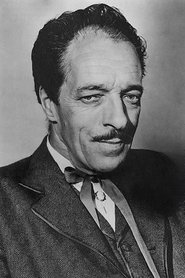 I. Stanford JolleyGentry
- Jay LawrenceTownsman
Directing
- Louis GermonprezAssistant Director
- Joseph H. LewisDirector
Writing
- George F. SlavinWriter
- George W. GeorgeWriter
Production
- Robert EggenweilerAssociate Producer
- Collier YoungProducer