
Film
Forty Guns
Samuel Fuller's fever-dream Western turns Barbara Stanwyck into a one-woman cattle empire, riding a white horse at the head of forty hired guns. It's pulpy and over-the-top, shot with such wild visual bravado — whip-pans, phallic gun barrels, a wedding gunned down mid-ceremony — that it plays more like opera than a programmer. Eighty minutes of pure, delirious style for anyone who likes their Westerns strange.
If you liked this
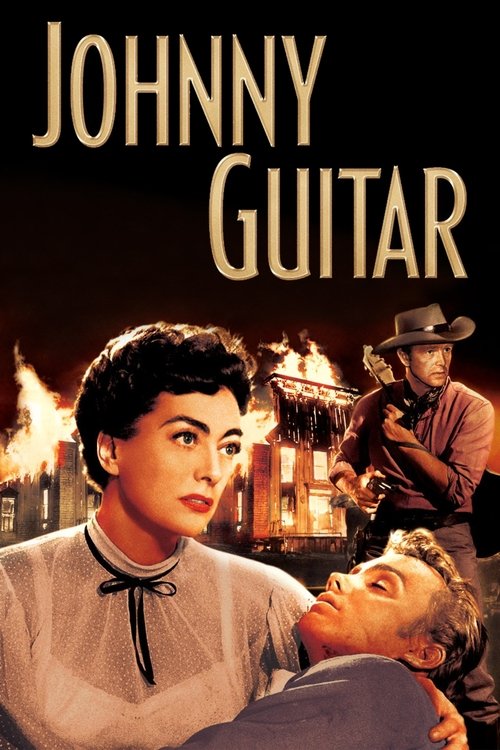
Johnny Guitar1954
Joan Crawford's cattle baroness rules her valley through pure nerve, and the whole film simmers with the same delirious color and repressed desire that makes Forty Guns so strange and gorgeous.
But The dialogue is deliberately stylized and artificial — if you want naturalism, this will feel like opera performed by gunslingers.
The Furies1950no page yet
Stanwyck again, a decade earlier, playing a cattle baron's daughter locked in a vicious power struggle with her own father — ferocious, Freudian, and every bit as operatic as Fuller's film.
But It's a slower burn, more psychological drama than shoot-'em-up, and the violence is emotional rather than gunfire.
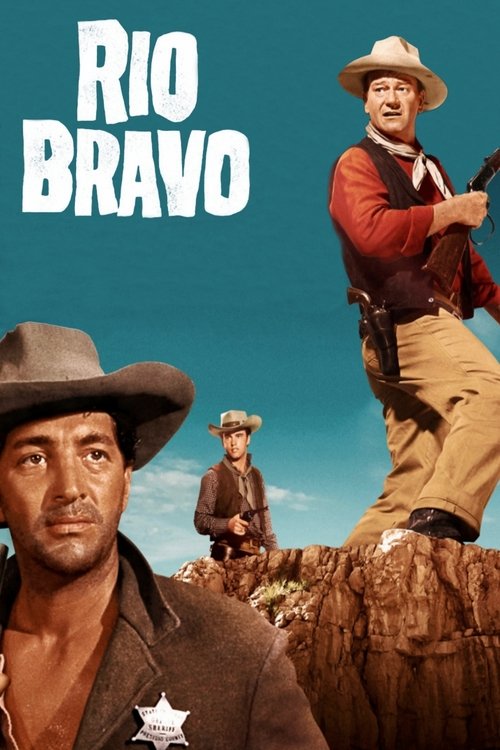
Rio Bravo1959
Howard Hawks' unhurried, warm-blooded Western is the classical, confident cousin to Fuller's chaos — a sheriff, a jail, a siege, and some of the most purely enjoyable company ever put on film.
But It's leisurely almost to a fault; if you want plot momentum rather than hangout charm, it can feel like it's stalling.
The wildcard
Something you would not have found on your own.
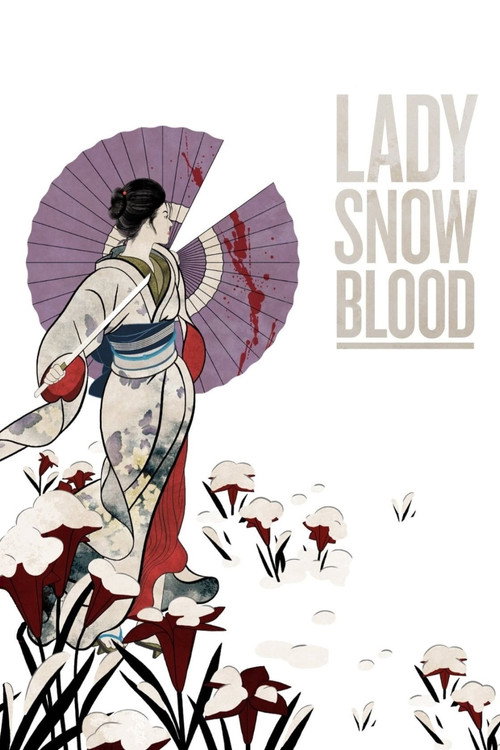
Lady Snowblood1973
Fuller's fascination with women wielding violence as both power and curse gets pushed into full genre exploitation here — same idea, decades later, in a different country and a much bloodier register, and a direct ancestor of the Tarantino films that also loved Fuller.
A gorgeously trashy Japanese revenge picture about a woman raised and trained purely to kill — all blood-red snow and operatic violence, it's the pulp DNA of Forty Guns turned up to eleven.
But The violence is far more explicit and stylized than anything in Fuller's film; it's exploitation cinema, unapologetically.
More like this (8)
Winchester '731950no page yet
Anthony Mann and James Stewart trace a single rifle through a chain of owners and grudges, including a pair of murderously rivalrous brothers — the same tangled-family violence Fuller stages with guns instead of a gun.
But It's tighter and more restrained than Fuller's baroque style; if you came for excess, this plays it comparatively straight.
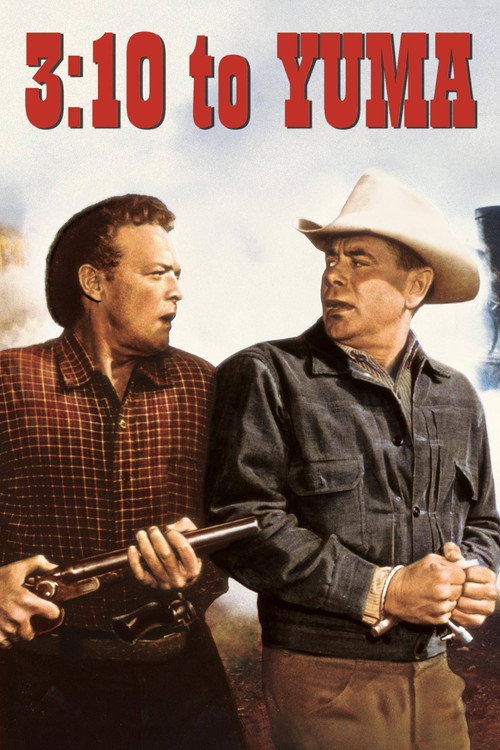
3:10 to Yuma1957
Made the same year, it's a tense, moral-minded Western about a man forced to choose between principle and survival — the sober, disciplined counterpart to Fuller's delirium.
But It's a two-hander built on tension rather than spectacle, so anyone hoping for gunfights and scale will be disappointed.
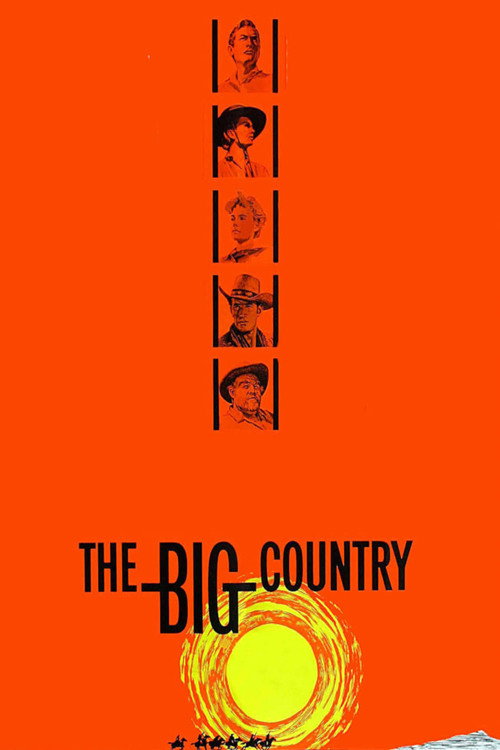
The Big Country1958
A pacifist Easterner arrives in cattle country and refuses to fight on anyone's terms but his own, echoing Griff Bonell's stubborn nonviolence, all set against enormous, gorgeous Panavision landscapes.
But At two hours forty, it luxuriates where Fuller sprints — patience is required.
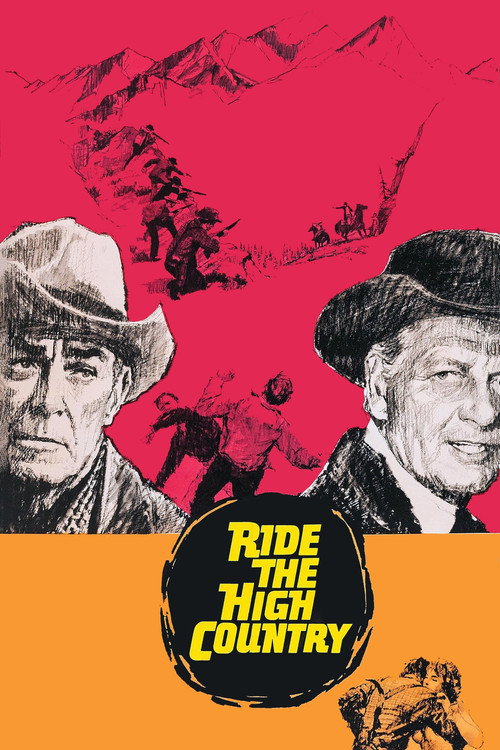
Ride the High Country1962
Sam Peckinpah's elegy for aging gunfighters shares Fuller's interest in violence as something that costs you, wrapped in a gentler, more melancholy register.
But It's quieter and sadder than Forty Guns' pulp energy — don't expect the same manic momentum.
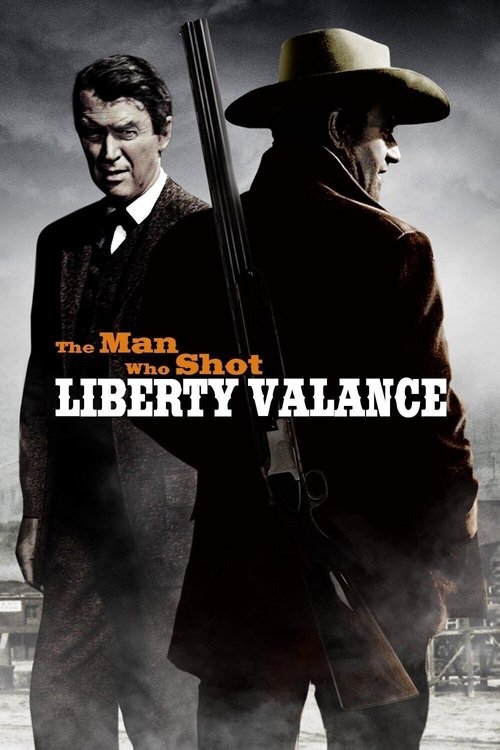
The Man Who Shot Liberty Valance1962
John Ford's meditation on the myth versus the reality of frontier violence pairs beautifully with Fuller's own skepticism about guns solving anything.
But It's talkier and more overtly about ideas than action, so if you want spectacle you might get restless.
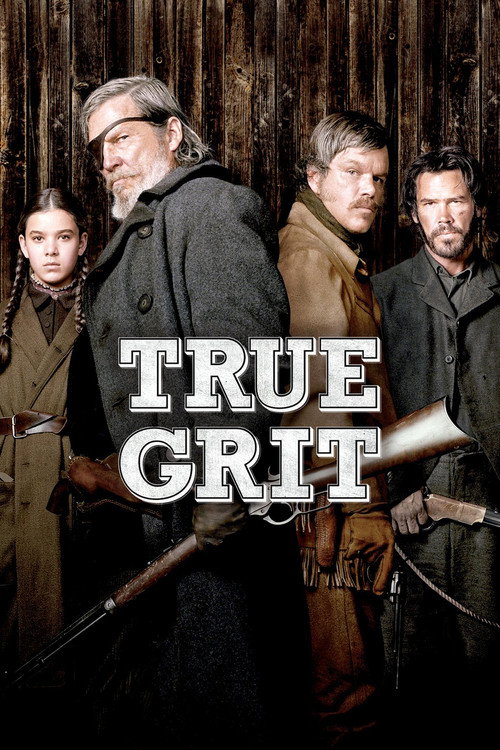
True Grit2010
The Coens give you a fierce, unsentimental heroine navigating a world of violent men on her own terms — a spiritual descendant of Jessica Drummond, decades later.
But It's a more classically told adventure story; the wild stylistic swings that define Fuller's film aren't really on the menu here.
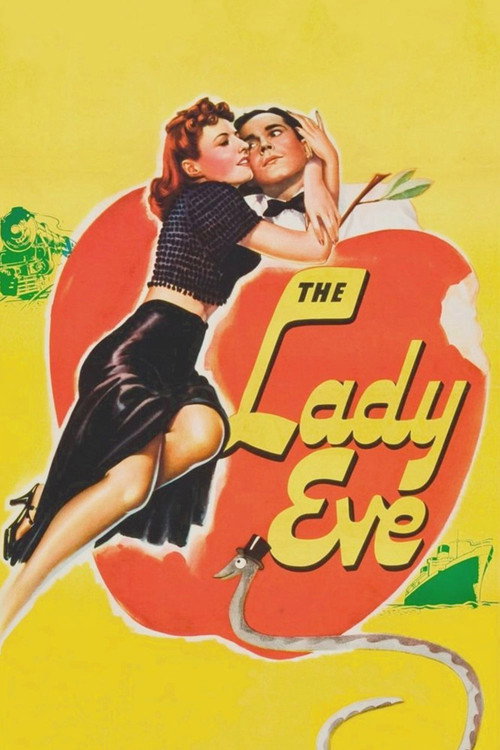
The Lady Eve1941
Same actress, sixteen years earlier, using the identical command and control she brings to Jessica Drummond, but aimed at seduction and comedy instead of guns and land — proof her authority wasn't a Western costume, it was just Stanwyck.
Stanwyck at her most dazzling, running a con on a hapless heir in a screwball comedy that proves she could control a room with a smile as easily as with a horse and a posse.
But There's no gunplay, no cattle empire, nothing remotely Western — if you came only for Stanwyck's steel, the comedy might feel like a strange detour.
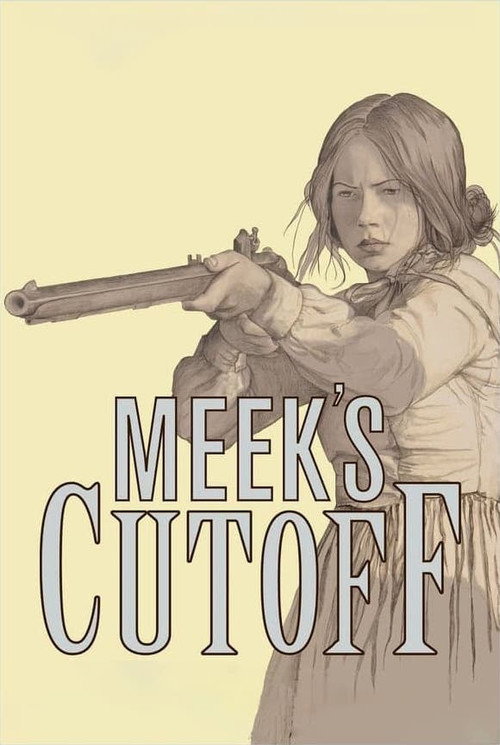
Meek's Cutoff2011
Where Fuller dramatizes a woman's authority as baroque spectacle, this film asks the same question — who really holds power out here — in near-silence, decades later, from the opposite end of the tonal spectrum.
A quiet, punishing arthouse Western about settlers lost on the Oregon Trail, led in practice by a woman the men refuse to formally acknowledge — it strips away Fuller's pulp theatrics to look hard at power and gender on the frontier.
But It's slow, opaque, and deliberately withholds the catharsis and spectacle Forty Guns delivers in spades.
People
Cast
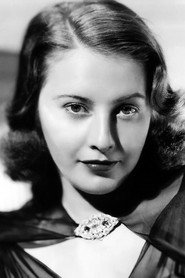 Barbara StanwyckJessica Drummond
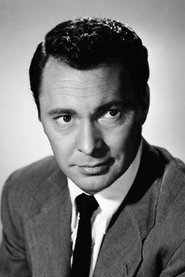 Barry SullivanGriff Bonell
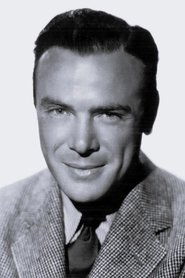 Dean JaggerSheriff Ned Logan
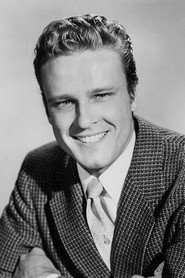 John EricsonBrockie Drummond
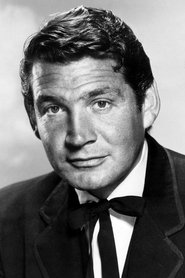 Gene BarryWes Bonell
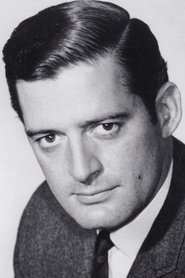 Robert DixChico Bonell
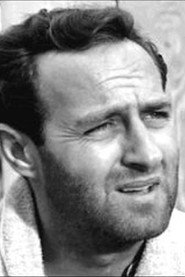 Jidge CarrollBarney Cashman
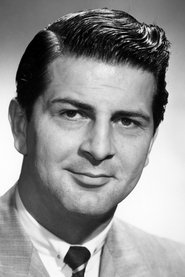 Paul DubovJudge Macy
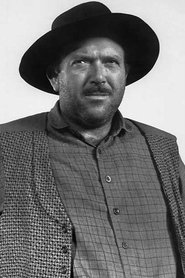 Gerald MiltonShotgun Spanger
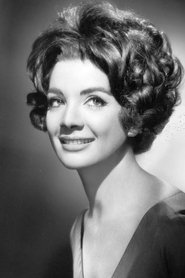 Ziva RodannRio
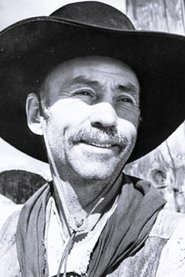 Hank WordenMarshal John Chisum
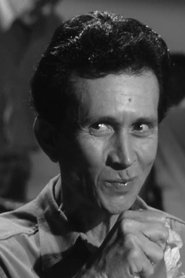 Neyle MorrowWiley
Directing
- Harold E. KnoxAssistant Director
- Samuel FullerDirector
Writing
- Samuel FullerScreenplay
Production
- Samuel FullerProducer
- William MagginettiProduction Manager