
Film
Before the Flood
Other titles called Before the Flood: the 2016 film.
A 19-minute Criterion Collection interview with music historian Elijah Wald on New York's Greenwich Village folk scene of the late 1950s and early 60s, the crucible where Bob Dylan arrived and rewrote everything. Wald draws on his work with Dave Van Ronk to map the people, places, and artistic ferment that defined an era. Essential context, warmly conversational, for anyone curious about how folk music became revolutionary.
Should you watch it?
Watch it if you love music history told through talk rather than performance, and you enjoy hearing one person's firsthand sense of a scene's people, rivalries and neighborhood geography, the way a good book about a city's nightlife would.
Skip it if you came for footage of songs or concert clips, since this is a single speaker in conversation and it stays in the realm of anecdote and context rather than sound and spectacle.
What it asks of you: Only about nineteen minutes, so it asks for one sitting and little else, and its pace is unhurried and conversational, letting you follow names and places without any urgency.
Not sure? Find tonight's pick in a minute.
If you liked this
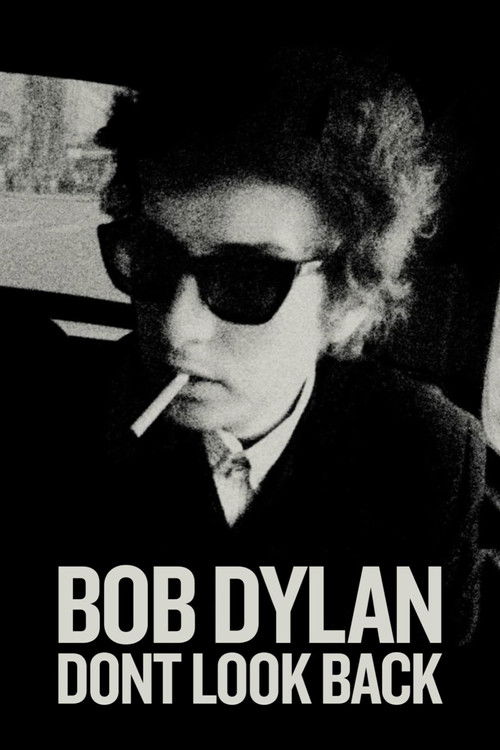
Bob Dylan – Don't Look Back1967
D.A. Pennebaker's documentary follows Bob Dylan's 1965 UK tour, capturing the folk-to-rock transition at its most volatile and fascinating. You see the exact moment the counterculture fractures over electricity and ambition.
But Shot in grainy black-and-white 16mm and structurally loose, it can feel deliberately obscure. Dylan himself is guarded and sometimes cryptic, offering few easy answers.
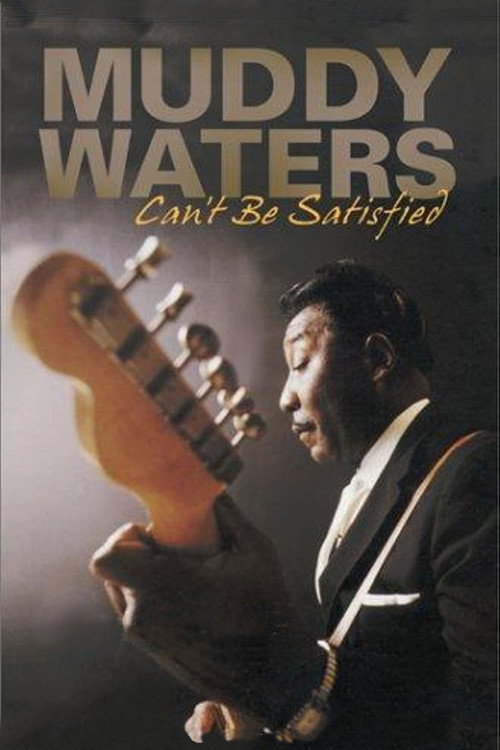
Muddy Waters: Can't Be Satisfied2003
This documentary traces the blues lineage that informed everything Dylan and the Village folkies were reaching toward. Understanding the source material—the hunger, the innovation, the survival—makes the folk revival's reverence and restlessness click into place.
But It's primarily about Muddy Waters, not the folk scene itself, so it's tangential rather than direct. Requires some appetite for blues history and 1940s–50s Chicago.
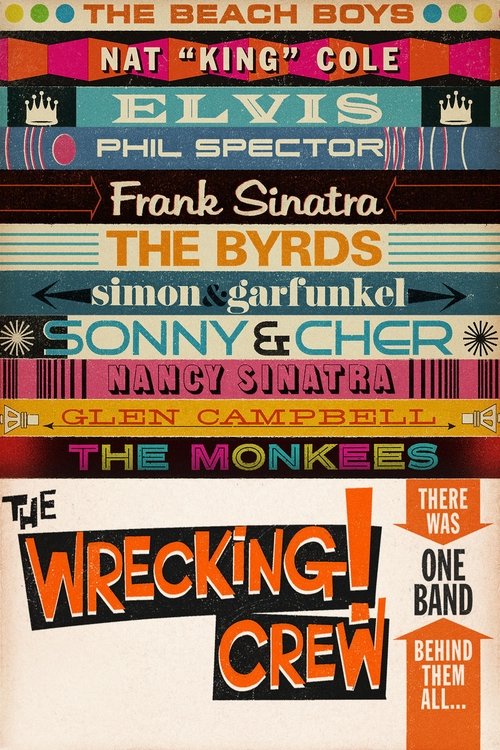
The Wrecking Crew2008
While focused on LA studio musicians, it's an essential parallel: shows how commercial music adapted to and absorbed the folk and rock impulses that the Village nurtured. Expands your sense of how genres shift and blend.
But Studio musicians are behind-the-scenes figures, so it lacks the charisma and celebrity of frontline performers. Some may find it less immediately engaging.
Not sure tonight? Get a pick in a minute, starting from Before the Flood
The wildcard
Something you would not have found on your own.
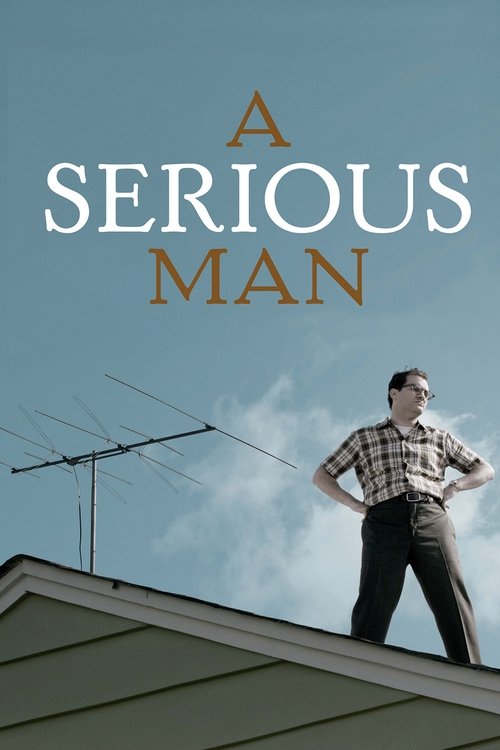
A Serious Man2009
Both are intimate histories of a time and place where people believed meaning was available if you looked hard enough. The Coens film that same earnestness and confusion without music, showing it as a permanent human condition rather than a historical moment.
The Coens' film captures American Jewish anxiety and searching in a specific moment (1967, Minneapolis) with the same reverent attention to place, community, and spiritual questions that Wald brings to the Village folk scene. It's about a world trying to make sense of itself through interpretation.
But It's a dark comedy-drama with no music at all, so it reads as a complete tangent. The tone is funny and unsettling rather than nostalgic, which may disappoint.
More like this (1)
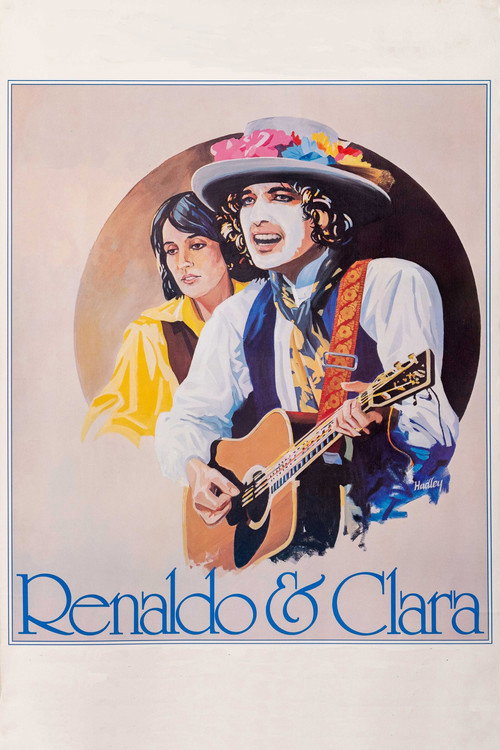
Renaldo and Clara1978
Dylan's own experimental film, shot during his Rolling Thunder Revue, is a dreamlike (and sometimes maddening) meditation on identity, art, and the myths he inherited and created. Speaks directly to questions about reinvention that Wald's interview touches on.
But It's deliberately obscure, nonlinear, and four hours long. Dylan offers no guidance. Many find it impenetrable or self-indulgent rather than illuminating.
People
Cast
- Elijah WaldSelf
Production
- Kim HendricksonProducer