
Film
Doctor at Large
A cheerful 1957 British comedy following a young doctor bouncing between hospital posts after a career setback. Dirk Bogarde carries the film through a series of romantic and professional mishaps with charm and self-deprecating wit. It's frothy, warmhearted stuff—the kind of film that asks almost nothing of you except to enjoy watching likable people in silly situations.
If you liked this
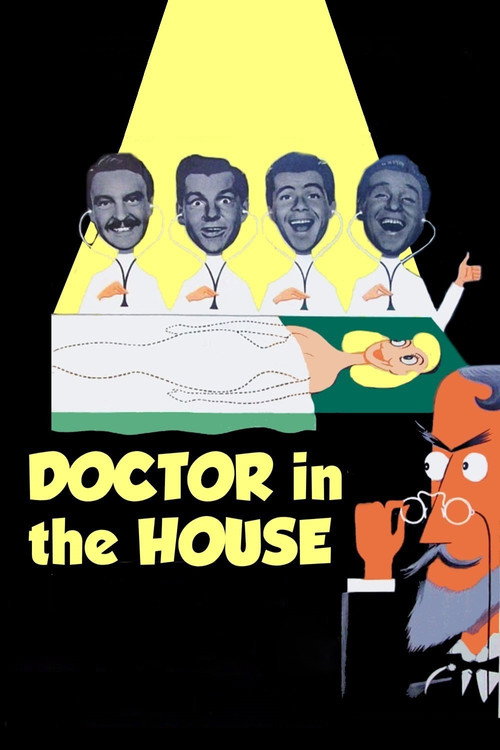
Doctor in the House1954
The film that started it all. Bogarde and Robertson Justice reunite in the original, establishing the dynamic between earnest young doctor and crusty senior surgeon that made the formula work. Sharper and fresher than its sequel.
But It's a product of its era, and the attitudes toward women and medicine haven't aged gracefully. The humour relies heavily on embarrassment rather than wit.
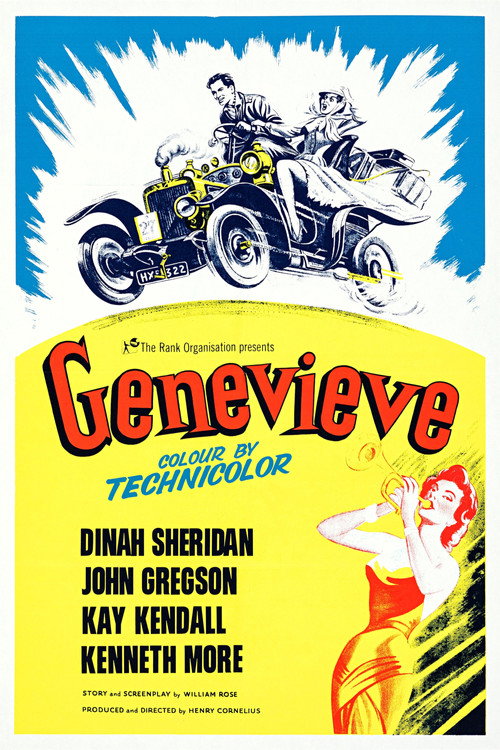
Genevieve1953
A British comedy of the same vintage that actually improves on its premise. Kenneth More and Dinah Sheridan navigate a vintage car rally with genuine chemistry and escalating comic invention. Genuinely funny throughout.
But The rivalry between the leads takes a while to build. The first half moves slowly, and if you're impatient it feels like setup rather than story.
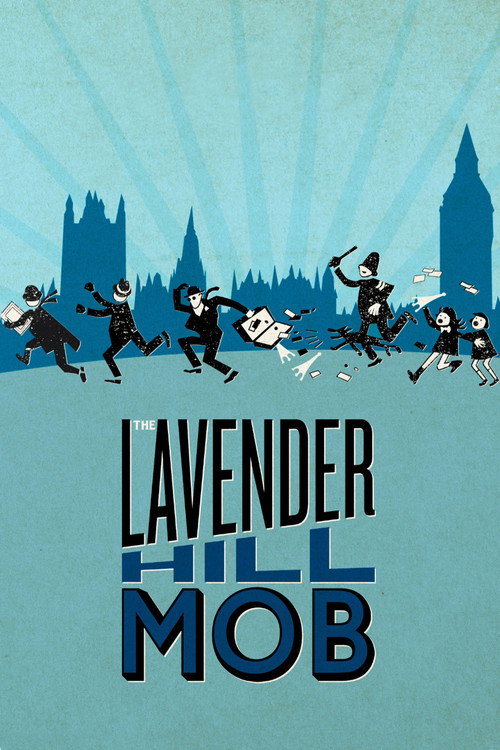
The Lavender Hill Mob1951
Ealing comedy at its best: a brilliant heist film disguised as a gentle farce. Alec Guinness leads a crew of ordinary men planning an audacious gold robbery. The script is sharp and the ensemble is superb.
But It's deliberately low-key and whimsical. If you want anarchic energy or visual spectacle, you'll find neither here.
Not sure tonight? Get a pick in a minute, starting from Doctor at Large
The wildcard
Something you would not have found on your own.
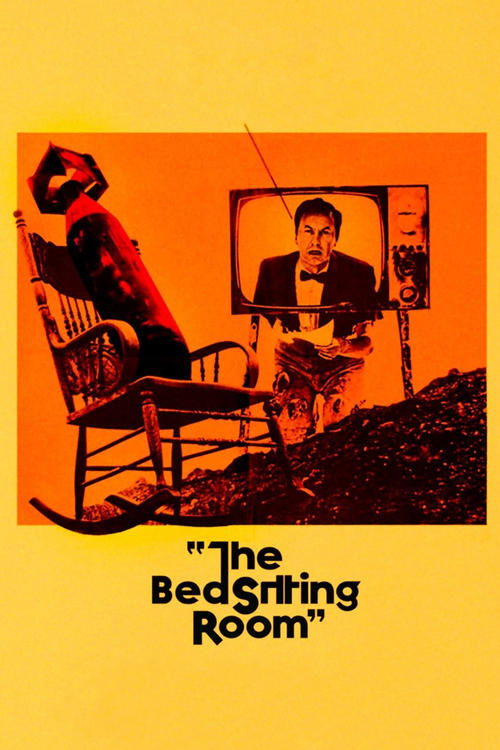
The Bed Sitting Room1969
Both are British comedies about navigating a bewildering institutional world, but where Doctor at Large offers comfort, Bed Sitting Room deconstructs the very idea of comfort as delusion.
Richard Lester directed this absurdist comedy about post-nuclear-war Britain, with an ensemble including Marty Feldman and Rita Tushingham. It's institutional comedy for a broken world—surreal, anarchic, and genuinely inventive in ways that didn't exist in 1957.
But It's genuinely disorienting and chaotic. The humor is avant-garde and alienating; if you want reassuring charm you'll find instead something deliberately unsettling.
More like this (5)
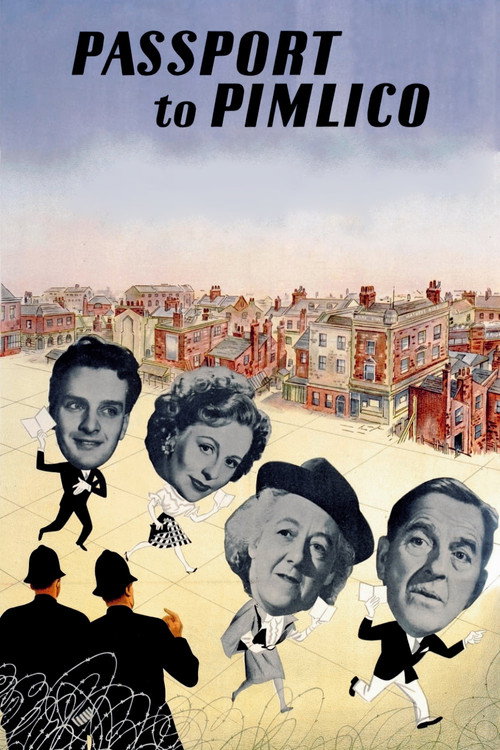
Passport to Pimlico1949
Another Ealing gem that uses a silly premise—a London neighborhood discovers it's technically Dutch territory—to explore community and post-war British life with affection and intelligence. Margaret Rutherford is magnificent.
But The humor is parochial and depends heavily on understanding British rationing-era frustrations. Modern audiences sometimes find it quaint rather than funny.
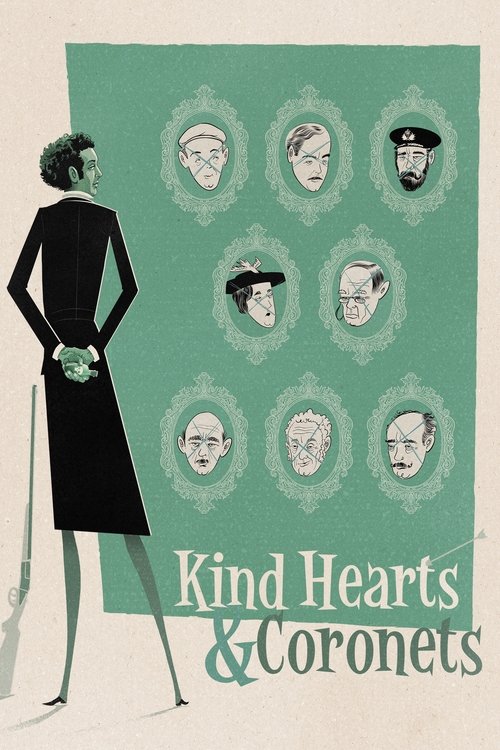
Kind Hearts and Coronets1949
Alec Guinness plays eight roles in this perfectly constructed dark comedy about inheritance and murder. It's genuinely witty, impeccably acted, and manages to be both cruel and sympathetic.
But It's a film about murder played for laughs, which some find distasteful. The tone is genteel rather than hilarious.
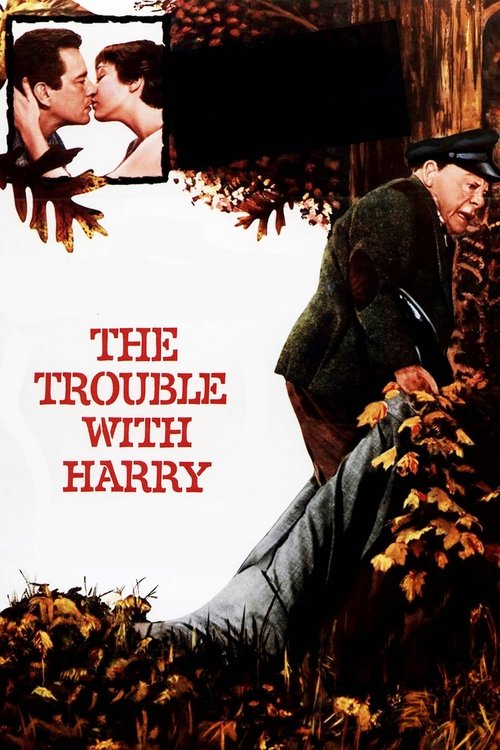
The Trouble with Harry1955
Hitchcock's only straight comedy, set in a picturesque Vermont town where townspeople casually deal with a corpse on a hillside. Darkly funny and beautifully composed, it's unique in his filmography.
But It moves at a meandering pace and the humor is droll rather than laugh-out-loud. Hitchcock fans expecting suspense will be disappointed.
The Remains of the Day1993
Both feature Dirk Bogarde's spiritual descendants—buttoned-up British professionals—but where Bogarde's doctor charms his way through mishaps, Hopkins' butler discovers that charm was the one thing he never allowed himself.
Anthony Hopkins plays a repressed English butler confronting a life of emotional restraint and regret. James Ivory's film is measured, elegant, and achingly sad beneath its formality. A profound meditation on duty and lost possibility.
But It's slow and emotionally austere. There are no laughs and minimal plot movement. It requires patience and appetite for melancholy.

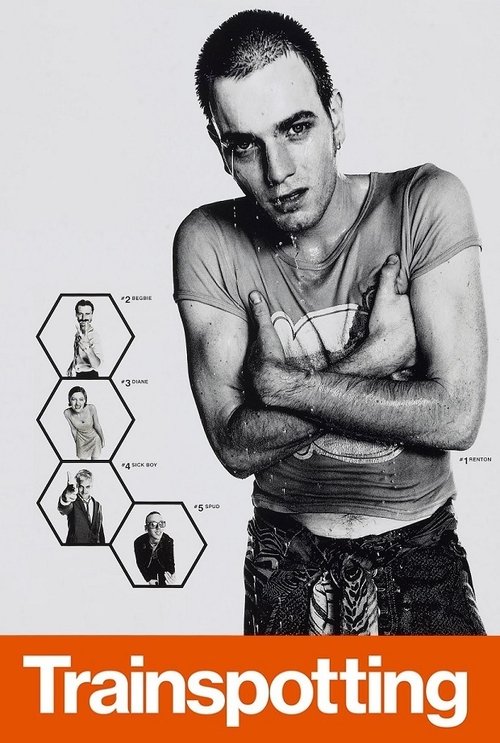
Trainspotting1996
Both are British films about young men struggling within systems supposedly designed for their benefit—medical, social, economic—but Trainspotting reveals those systems as actively destructive, a dark mirror of Doctor at Large's gentle faith in institutions.
Danny Boyle's visceral film about Scottish heroin addiction is a shattering portrait of systems that fail young people. It's visually inventive, brutally honest, and makes no concessions to sentiment. A complete inversion of post-war British cinema's complacency.
But It's graphic, ugly, and deliberately difficult to watch. The film doesn't offer comfort or resolution. It's a stomach punch, not entertainment.
People
Cast
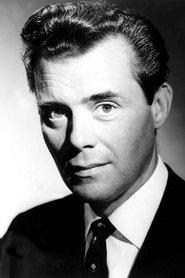 Dirk BogardeDr. Simon Sparrow
 Muriel PavlowJoy Gibson
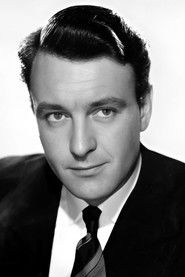 Donald SindenDr. Tony Benskin
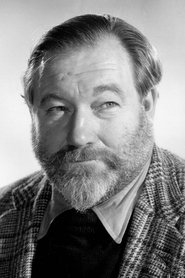 James Robertson JusticeSir Lancelot Spratt
 Shirley EatonNurse Nan MacPherson
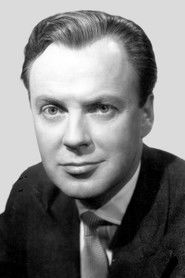 Derek FarrDr. Erasmus Potter-Shine
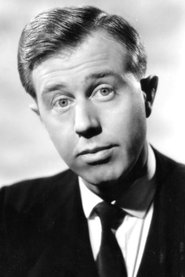 Michael MedwinDr. Charlie Bingham
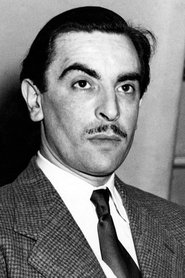 Martin BensonMaharajah of Branda
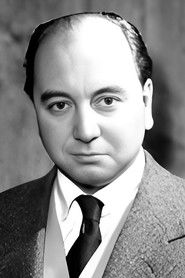 John ChandosO'Malley
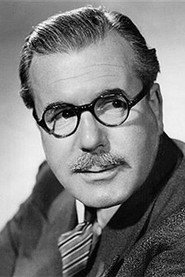 Edward ChapmanMr. Wilkins
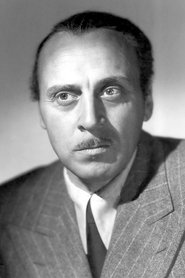 George CoulourisPascoe
 Judith FurseMrs. Digby
Directing
- Ralph ThomasDirector
Writing
- Richard GordonNovel
- Nicholas PhippsScreenplay
Production
- Betty E. BoxProducer