
Film
Easy Riders, Raging Bulls: How the Sex 'n' Drugs 'n' Rock 'n' Roll Generation Saved Hollywood
A love letter to 1970s Hollywood, when studio gatekeepers loosened their grip and directors like Coppola, Scorsese, and Altman remade cinema from the ground up. Featuring interviews with the architects of that era, it captures the intoxicating blend of artistic freedom, chemical excess, and the paranoia that followed. Essential viewing for anyone who wants to understand how American film became art.
Should you watch it?
Watch it if you love the backstage gossip and craft talk of filmmaking, the editing rooms and studio fights that shaped movies like Chinatown and Five Easy Pieces, and enjoy hearing the people who made them talk candidly about their own mess.
Skip it if you want a tidy, neutral history; it is brisk, opinionated and loaded with clips and talking heads, and its breathless energy can feel like a party you were not invited to.
What it asks of you: Nearly two hours of rapid cutting between interviews, archive footage and film clips, with little pause to reflect, so it rewards steady attention more than lazy background viewing.
Not sure? Find tonight's pick in a minute.
If you liked this
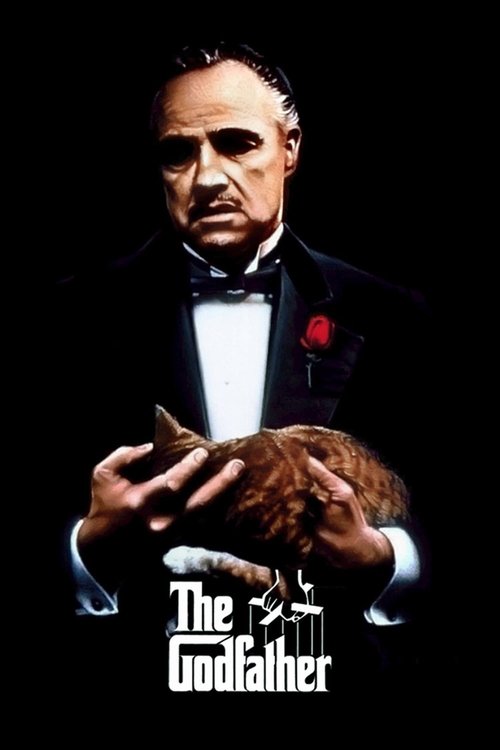
The Godfather1972
The apotheosis of everything this doc celebrates: Coppola's masterpiece redefined what Hollywood could do. It's the evidence that justifies the whole era's self-belief.
But Nearly three and a half hours, and if you've seen it, you've already absorbed its every frame into your bones.
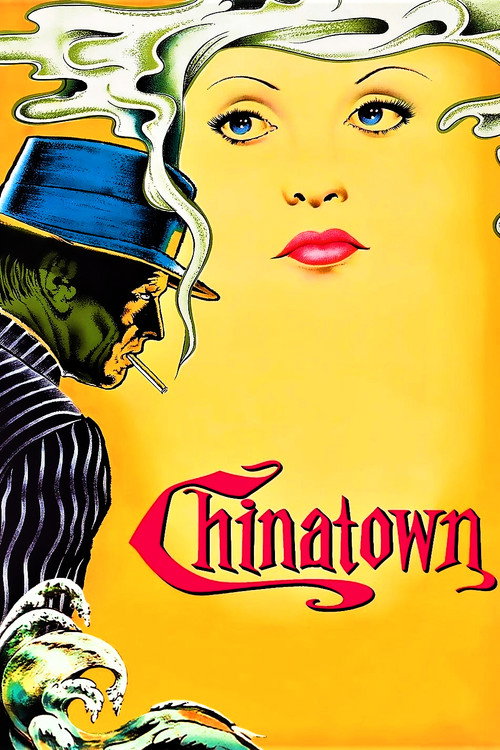
Chinatown1974
Polanski's Los Angeles noir crystallizes the cynical, paranoid aesthetic that defined seventies cinema. Every shot is composed like a confession. This is the mood of the documentary made flesh.
But The twist unsettles some viewers; it does not end on catharsis. The film is colder than you might want it to be.
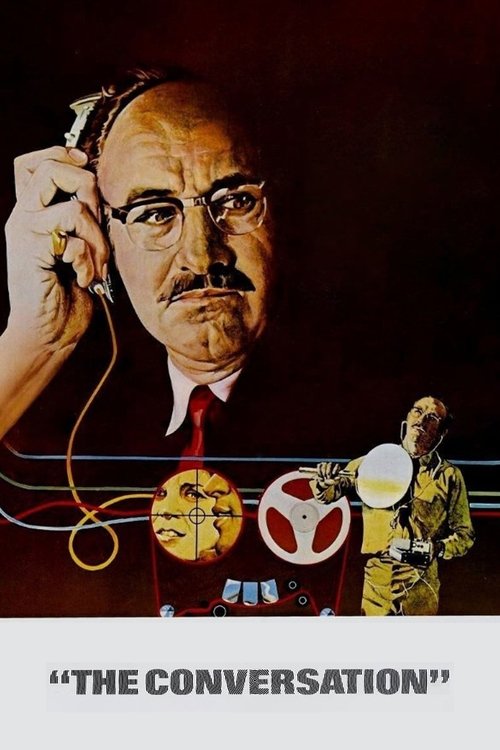
The Conversation1974
Coppola at his most introspective, a spy thriller about surveillance and guilt. It's the dark inverse of seventies optimism, made by someone living inside the paranoia the doc describes.
But Deliberately paced and interior. It builds unease rather than excitement, which can feel slow if you're not in the mood for dread.
Not sure tonight? Get a pick in a minute, starting from Easy Riders, Raging Bulls: How the Sex 'n' Drugs 'n' Rock 'n' Roll Generation Saved Hollywood
The wildcard
Something you would not have found on your own.
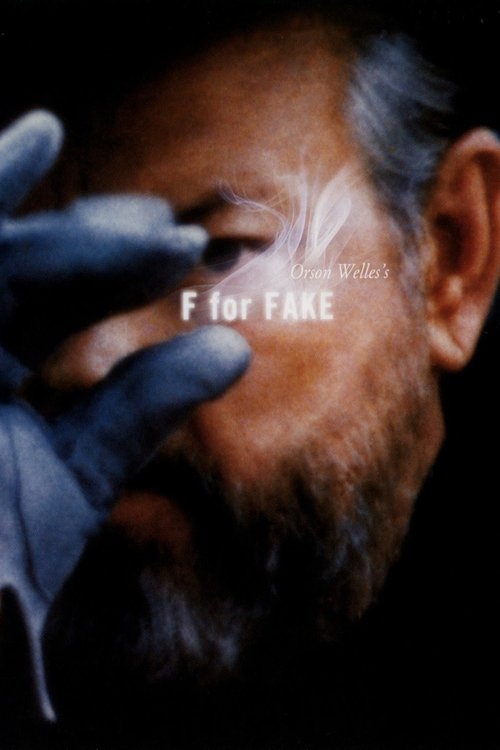
F for Fake1973
Both are love letters to cinema's power to deceive and tell truth simultaneously. Welles showed what was possible; the seventies directors proved it could be done again.
Welles's final film is a magic trick about authenticity and deception in art. It predates the doc's subject and points toward why the seventies mattered: artists got to play god with the medium itself.
But Formally experimental in ways that feel almost aggressively modernist. It's short (ninety minutes) but dense; it rewards close attention and repeat viewings.
More like this (8)
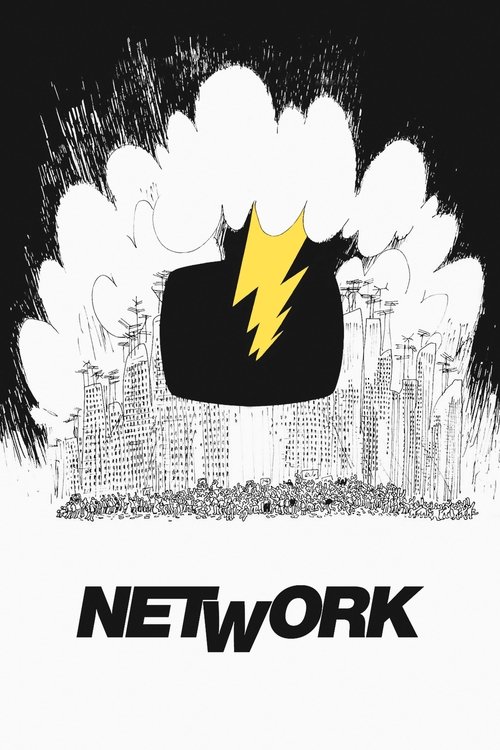
Network1976
Paddy Chayefsky's savage satire of media and madness feels like a documentary itself. It captures the anarchic, anything-goes spirit of the era while prophecying its end.
But The preaching can feel heavy-handed. It's a morality play masquerading as a thriller, and not everyone wants their cinema this didactic.
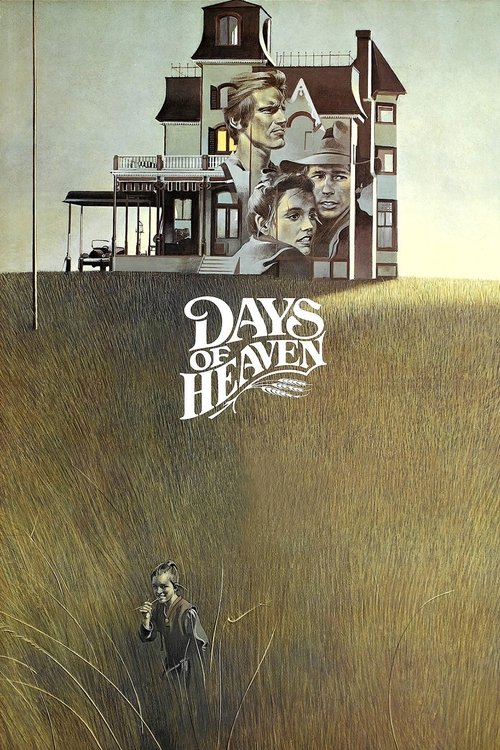
Days of Heaven1978
Terrence Malick's visual poem about labor and exploitation is the seventies at its most ambitious and lyrical. If you want to understand the era's artistic reach, this is where it climbs highest.
But Narrative takes a back seat to mood and cinematography. It asks you to feel rather than follow, which frustrates plot-hungry viewers.
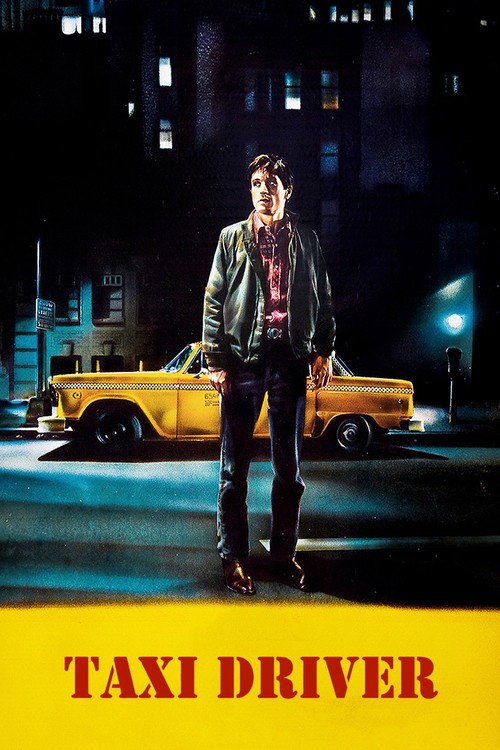
Taxi Driver1976
Scorsese and De Niro capture the fever dream of seventies alienation and violence. Raw, fever-bright, and completely uncompromised—this is what happens when studios trusted directors.
But Deeply uncomfortable. The violence is not cathartic; it's disturbing, and some scenes linger in ways that are hard to shake.
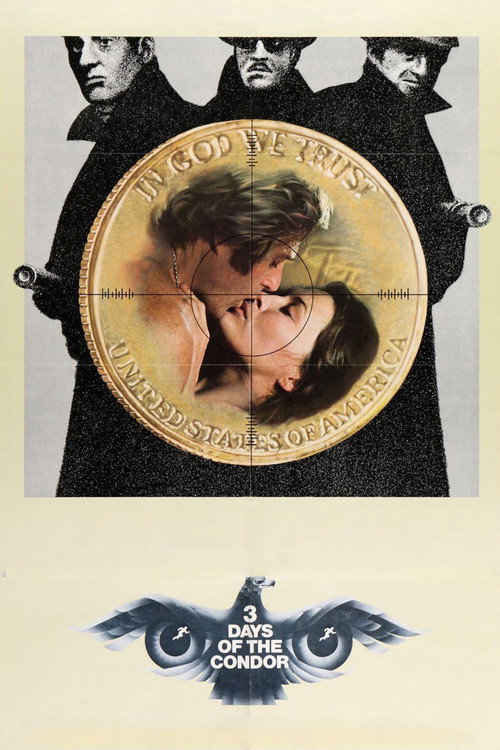
Three Days of the Condor1975
A perfect paranoid thriller that embodies the doc's themes: government distrust, conspiracy, the idea that safety is an illusion. It's smart and propulsive without being cynical for its own sake.
But The plot twists depend on surveillance and information you can't always piece together. Some find it confusing rather than clever.
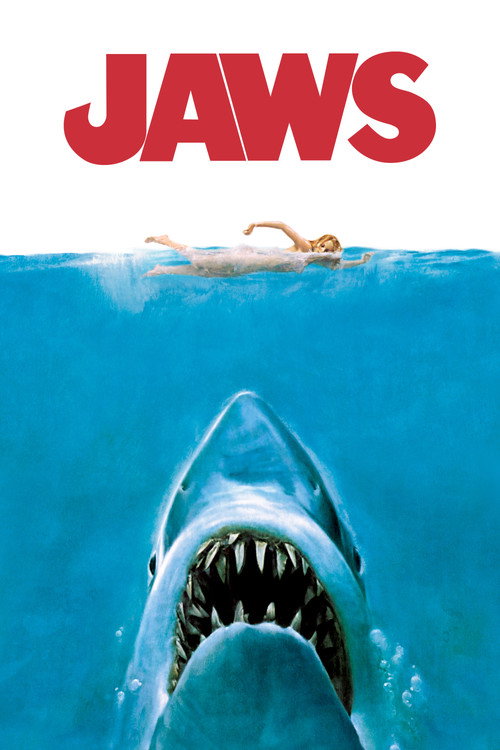
Jaws1975
Spielberg's blockbuster marked the pivot point the doc is really about—when studios started chasing spectacle over stories. It's popular cinema, yes, but also the beginning of the end for the experimental seventies.
But If you've seen it, you know every beat. The cultural dominance of the film has worn grooves in it that are hard to ignore now.
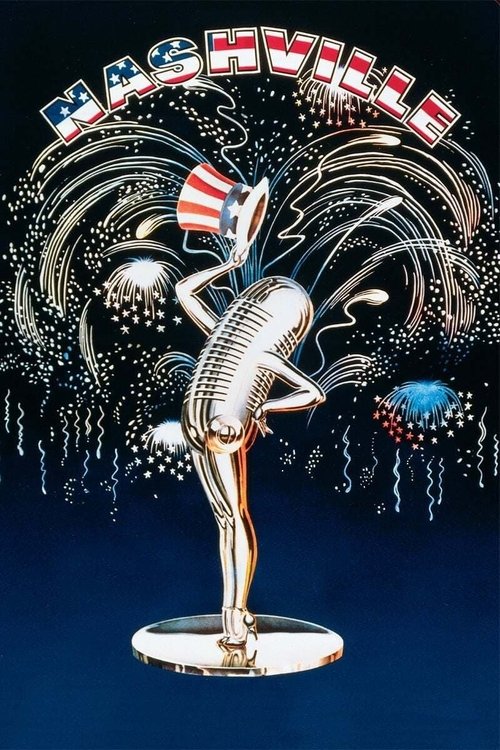
Nashville1975
Altman's sprawling tapestry of Americana is maximalist in every way: 24 characters, overlapping dialogue, no traditional plot. It's the chaos and ambition of seventies cinema in pure form.
But The fractured structure means no clear protagonist to follow. If you need a story with a beginning, middle, and end, this will feel like a frustrating puzzle box.
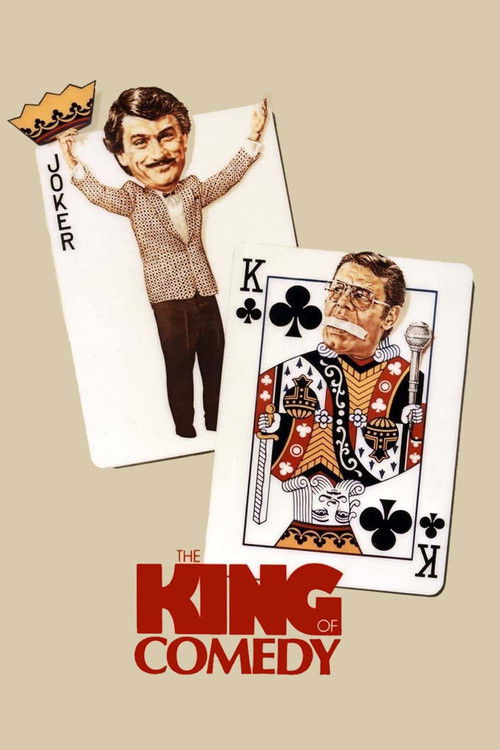
The King of Comedy1982
It's the coda to the era the doc documents. Where Easy Riders, Raging Bulls celebrates the chaos, this shows what happened when the industry decided chaos was bad for business.
Scorsese's dark comedy about obsession and showbiz delusion is the seventies sensibility matured into the eighties. It's a portrait of what happened to that reckless ambition when the studios took back control.
But The humor is very dark and uncomfortable. Jerry Lewis's turn is unsettling, and the film never offers the catharsis or revenge fantasy audiences usually expect.
Synecdoche, New York2008
Both examine how artists pursue total artistic freedom and what it costs them personally. The doc celebrates the dream; this film documents the migraine.
Kaufman's baroque meditation on art, ego, and theater is what happens when a seventies sensibility (total control, maximum ambition) runs into modern exhaustion. It's the strangest love letter to that era you'll see.
But Deeply confusing and deliberately so. It collapses narrative structure and reality into each other; if you need clarity or a steady story, this will exhaust you.

People
Cast
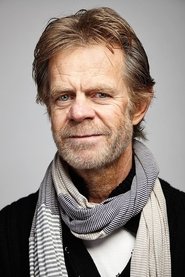 William H. MacySelf - Narrator (voice)
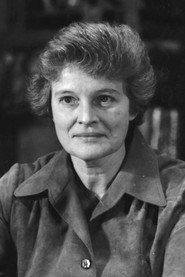 Dede AllenSelf
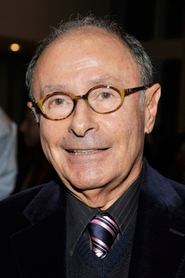 Peter BartSelf
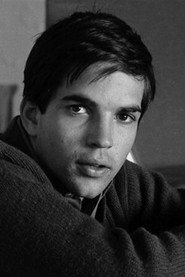 Tony BillSelf
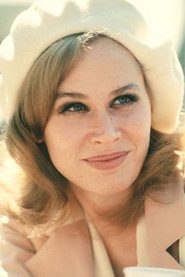 Karen BlackSelf

 Ellen BurstynSelf
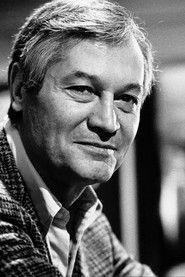 Roger CormanSelf
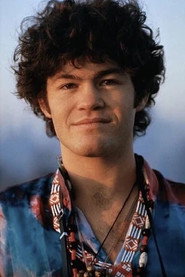 Micky DolenzSelf
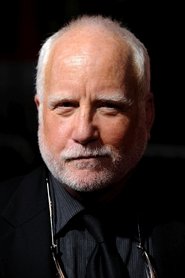 Richard DreyfussSelf
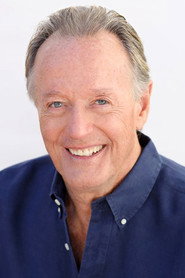 Peter FondaSelf
 Carl GottliebSelf
Directing
- Kenneth BowserDirector
Writing
- Peter BiskindBook
- Kenneth BowserWriter
Production
- Joe CilibrasiAssociate Producer
- Susan Cobey WilliamsonAssociate Producer
- Teddy ChampionAssociate Producer
- Caroline StevensCo-Executive Producer
- Roger KassConsulting Producer
- Andy CohenExecutive Producer
- David TecsonExecutive Producer
- Josh BraunExecutive Producer
- Nick WareExecutive Producer
- Kenneth BowserProducer
- Rachel TalbotProducer
- Samuel PaulSupervising Producer
Recommended by
Corman's World, The Movies That Made Us, Waking Sleeping Beauty