
Film
Talk Radio
Oliver Stone's fevered adaptation of Eric Bogosian's stage play turns a single night in a Dallas studio into a slow public flaying. Bogosian plays Barry Champlain, a host who baits, mocks and dares his callers to hate him — and gets exactly what he asked for. It's claustrophobic, verbally vicious, and shot like a boxing match. For anyone who finds cruelty as spectacle uncomfortably watchable.
If you liked this
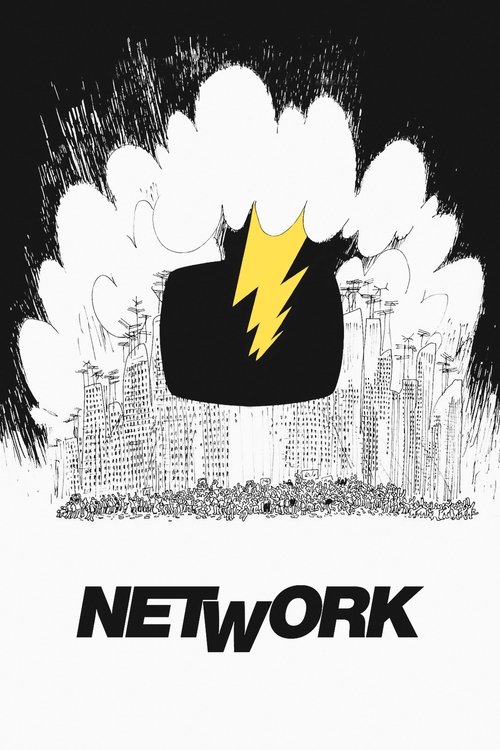
Network1976
Sidney Lumet's satire practically predicted cable news decades early, giving Peter Finch the unforgettable line 'I'm mad as hell.' It's the sharpest ancestor to Talk Radio's rage-as-entertainment idea, and it's still terrifyingly accurate about how media rewards outrage.
But The satire is broad and theatrical rather than naturalistic, and some of its speeches now feel like lecture more than drama.
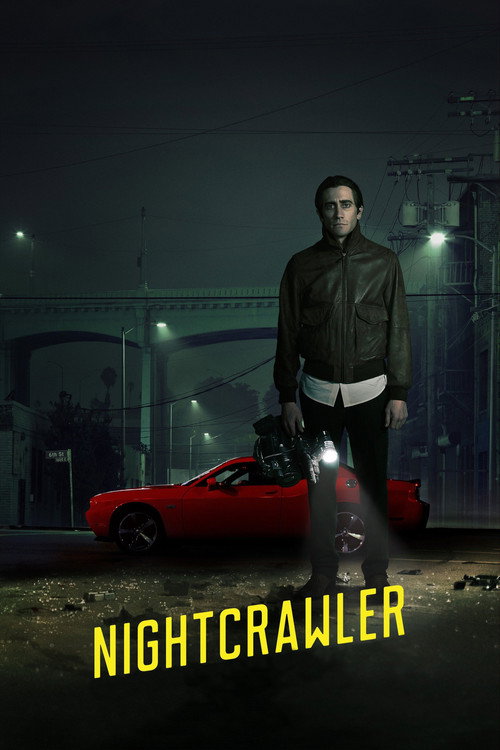
Nightcrawler2014
Jake Gyllenhaal's Lou Bloom is Barry Champlain's spiritual cousin — a man who's found his true self only through exploiting others' misery for an audience. Cold, precise, and just as unsettling to watch as it is to look away from.
But It's a much colder, quieter film — no verbal fireworks, just a slow, dread-soaked character study.
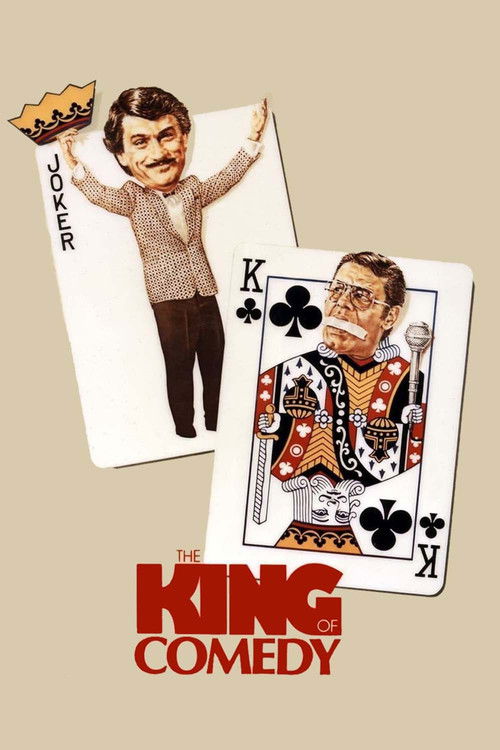
The King of Comedy1982
Scorsese and De Niro turn media obsession inside out, following a fan who wants fame so badly he'll manufacture it by force. Like Talk Radio, it's about the parasocial hunger that broadcasting creates, and how thin the line between host and stalker really is.
But It's slower and stranger than you expect from Scorsese, with comedy so uncomfortable it barely registers as funny.
The wildcard
Something you would not have found on your own.
Pontypool2009no page yet
Both films trap a lone broadcaster in a booth and build their entire tension from voice alone — Talk Radio through callers' hatred, Pontypool through something stranger and more literal creeping in through the signal itself.
A Canadian horror gem set almost entirely inside a small-town radio booth, where a DJ's voice becomes the only thing standing between his town and a spreading, language-based contagion. It takes Talk Radio's claustrophobia and turns the dial straight to dread.
But The plot's internal logic is deliberately murky, and if you need answers wrapped up neatly, it will frustrate you.
More like this (8)
Private Parts1997no page yet
Howard Stern basically plays himself in this loose, funny, surprisingly tender account of how he built a shock-jock empire out of pure spite and insecurity. It's the comic flip side of Barry Champlain's tragedy — same instincts, happier ending.
But It's a biopic with a vested interest in making its subject likeable, so don't expect much real self-criticism.
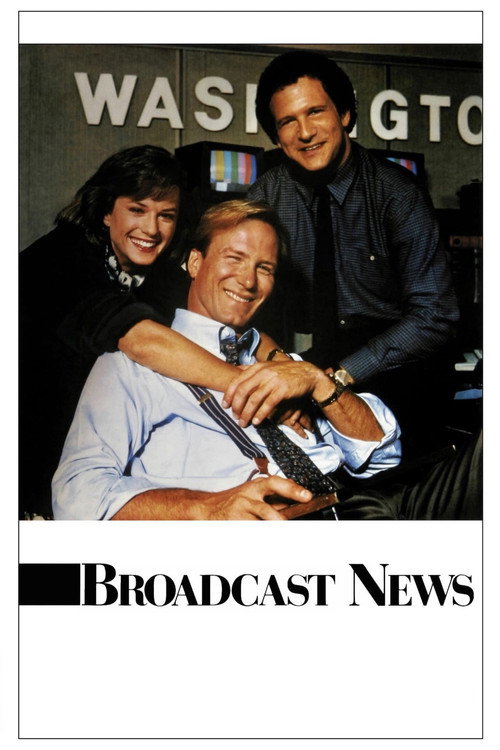
Broadcast News1987
James L. Brooks's newsroom romance is warmer and funnier than Talk Radio but shares its interest in the compromises broadcasters make between substance and showmanship — and in people who are brilliant at their jobs and disasters at everything else.
But It's a romantic comedy at heart, so the media critique is gentler and less confrontational than you might want.
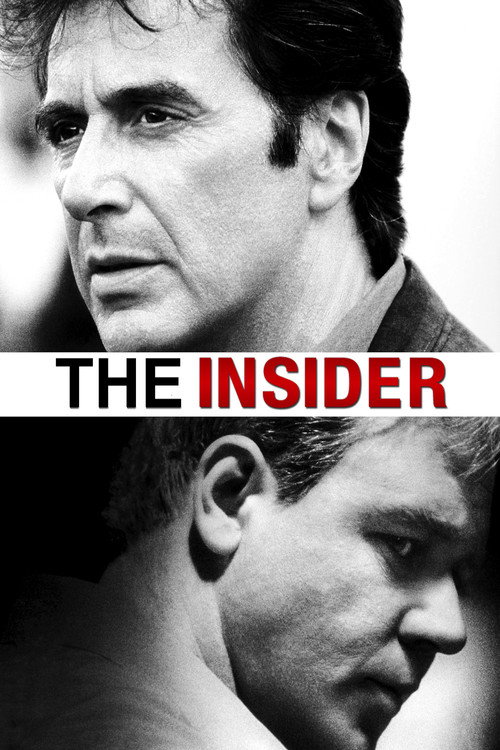
The Insider1999
Michael Mann's tobacco-whistleblower thriller is a more sober, institutional cousin — where Talk Radio is about one voice screaming into a void, this is about a voice being systematically silenced by everyone around it. Al Pacino is superb.
But At two and a half hours, it's a slow burn — patient, procedural, nothing like Talk Radio's breathless pace.
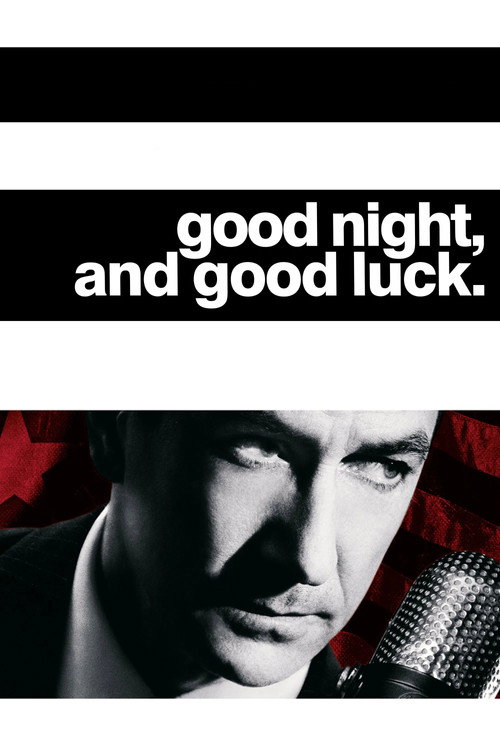
Good Night, and Good Luck.2005
George Clooney's black-and-white drama about Edward R. Murrow's stand against McCarthyism shows broadcasting used with integrity instead of cruelty — the counter-argument to everything Barry Champlain represents, and just as gripping.
But It's quiet, formal and a little reverent — the opposite of Talk Radio's chaos, which some will find dry.
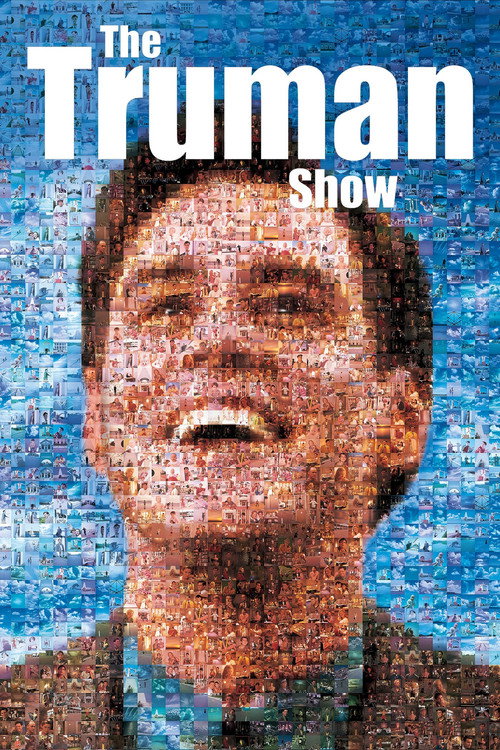
The Truman Show1998
Jim Carrey's satire imagines the audience's side of the equation — a man whose entire life is broadcast without his consent. It's a gentler, more whimsical companion piece about the same idea: that media turns real suffering into content.
But It's family-friendly and sentimental where Talk Radio is savage, so the tonal gap is enormous.
Shattered Glass2003no page yet
A quieter, journalism-world cousin about a young writer whose fabrications unravel in real time. It shares Talk Radio's interest in charisma as a weapon and in watching someone's public persona crack apart live.
But It's a much lower-key film, more procedural than confrontational, and lacks Talk Radio's live-wire tension.
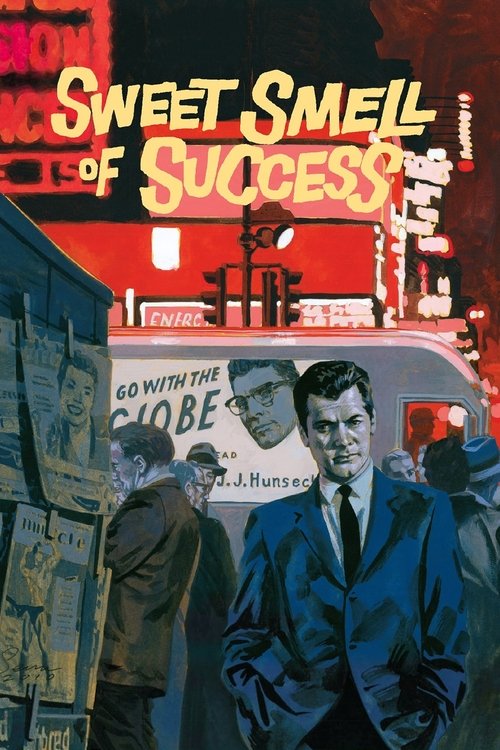
Sweet Smell of Success1957
Both are studies of a media man whose power comes entirely from language, who has built an audience out of contempt, and who's ultimately as trapped by his own persona as anyone he destroys.
Burt Lancaster's poisonous newspaper columnist and Tony Curtis's oily press agent trade venom in some of the best dialogue ever written for American film. Decades before Barry Champlain, this was already asking what happens when cruelty becomes a career.
But It's a talkier, more mannered film from a very different Hollywood era, and its rhythms take some adjusting to.
Pump Up the Volume1990no page yet
Both are about a broadcaster who becomes a magnet for other people's loneliness and rage through pure vocal charisma — one plays it as tragedy for adults, the other as coming-of-age rebellion for teenagers.
Christian Slater plays a shy teen who becomes an anonymous pirate-radio provocateur, giving voice to every alienated kid in his suburb until the attention turns dangerous. It's Talk Radio's DNA inside an '80s teen movie, sharper than it has any right to be.
But It's dated in some very '90s ways, and its rebellion feels a little more innocent than Talk Radio's real venom.
People
Cast
 Eric BogosianBarry Champlain
 Ellen GreeneEllen
 Leslie HopeLaura
 Alec BaldwinDan
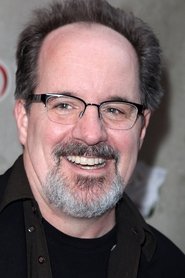 John PankowDietz
 Michael WincottKent / Michael / Joe
- Linda AtkinsonSheila Fleming
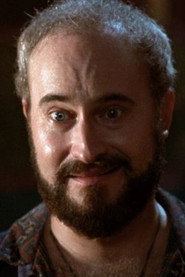 Robert TreborJeffrey Fisher / Francine
 Zach GrenierSid Greenberg
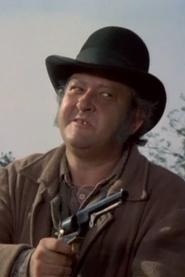 Tony FrankDino
- Harlan JordanCoach Armstrong
Directing
- Oliver StoneDirector
- Joseph P. ReidyFirst Assistant Director
- Susan MalersteinScript Supervisor
- Vebe BorgeSecond Assistant Director
Writing
- Stephen SingularBook
- Eric BogosianScreenplay
- Oliver StoneScreenplay
- Eric BogosianTheatre Play
- Tad SavinarTheatre Play
Production
- Diane SchneierAssociate Producer
- Neal WeismanAssociate Producer
- Billy HopkinsCasting
- Ed JohnstonCasting
- Risa Bramon GarciaCasting
- Carl ScaglioneCasting Assistant
- Matthew W. DavisCasting Assistant
- Katherine VentiCasting Associate
- Michael FlynnExecutive In Charge Of Production
- Greg StrangisExecutive Producer
- Sam StrangisExecutive Producer
- Deborah LupardKey Production Assistant
- A. Kitman HoProducer
- Edward R. PressmanProducer
- Christina StaufferProduction Assistant
- Layne TeaffProduction Assistant
- Leeann StonebreakerProduction Coordinator
- Clayton TownsendProduction Manager
- Sandra Maltz SaccioProduction Secretary
- Dianne E. CollinsPublicist
- Jane BartelmeUnit Manager