Television series
The Joe Schmo Show
- Parody
- Light-hearted
- Strange
The Joe Schmo Show is a feature-length prank disguised as a reality competition. A real person thinks he's auditioning for a bounty-hunter show; actually, he's the only genuine contestant in an elaborate scripted theatre where actors play exaggerated archetypes and everything is carefully written. It's a meta-comedy about television itself, watchable as satire, as game, and as something between cruelty and kindness.
Should you watch it?
Watch it if you enjoy the slow-building joke of watching actors keep a straight face while a stranger takes an absurd premise completely seriously, and you like comedy that lives in the small mechanics of performance.
Skip it if you want sharp, cynical reality-TV satire, since this one is more affectionate toward its targets and its gags can feel stretched across its whole run.
What it asks of you: It asks for close attention, since much of the humor lives in glances, pauses and small slips rather than punchlines, and it runs about an hour an episode.
Not sure? Find tonight's pick in a minute.
If you liked this
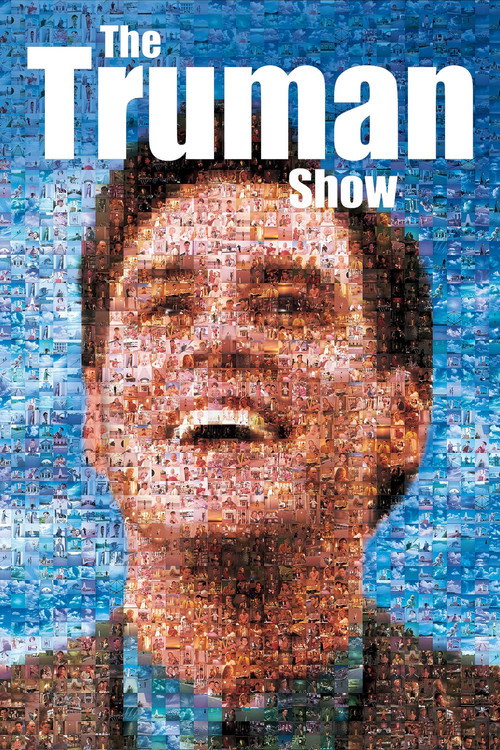
The Truman Show1998
A man unknowingly lives in an artificial world orchestrated entirely for his benefit. Like Joe Schmo, it's a high-concept thought experiment about reality, perception, and the ethics of deception wrapped in genuine heart and philosophical weight.
But Jim Carrey's more restrained than usual, and the film's philosophical underpinnings are heavy. It's less a comedy and more a quiet meditation on freedom.
Survivor2000
The prototype reality competition that Joe Schmo brilliantly deconstructs. Watching the real thing after the prank gives you fresh eyes—you'll spot the manufactured drama, the narrative editing, the character archetypes the show desperately needs.
But Early Survivor is slow by modern standards, and knowing the genre's mechanics now makes some episodes feel manipulative in ways that spoil enjoyment.

The Comeback2005
Lisa Kudrow plays a delusional actress convinced she's destined for stardom while her reality show captures humiliation instead. It's the spiritual opposite of Joe Schmo—someone convinced of a false narrative about themselves rather than deceived by others.
But It's aggressively cringe comedy. The humor comes from secondhand embarrassment, which some find exhausting rather than funny.

Not sure tonight? Get a pick in a minute, starting from The Joe Schmo Show
The wildcard
Something you would not have found on your own.
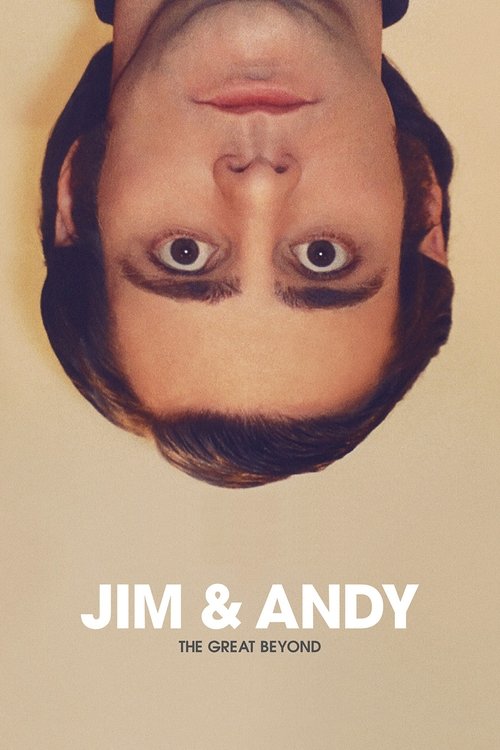
Jim & Andy: The Great Beyond2017
Both use deception as a form of intimacy—asking an audience or a person to trust them past the breaking point, to find truth in the lie.
Kaufman performed entire constructed realities live—lip-syncing to female singers, reading The Great Gatsby to hostile nightclub crowds, wrestling women. Like Joe Schmo, it's about the collision between sincerity and performance, making audiences unsure whether they're being trusted or mocked.
But It's genuinely uncomfortable. Kaufman makes no effort to charm or reassure the audience. You feel the tension that Joe Schmo resolves; here it just sits, unresolved.
More like this (8)
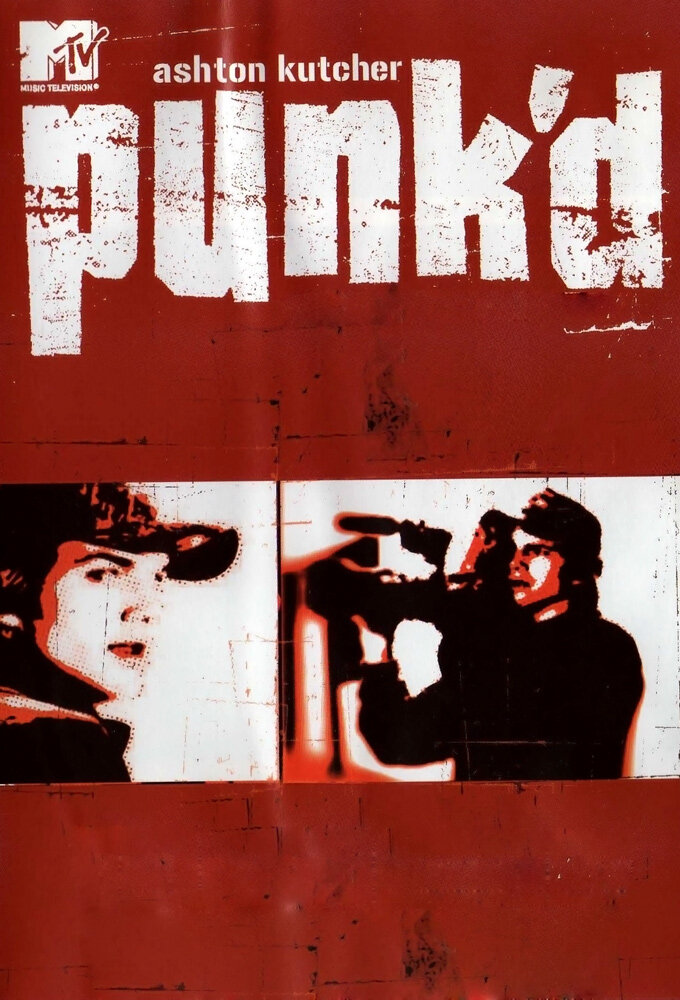
Punk'd2003
Ashton Kutcher's prank show does what Joe Schmo accomplishes with celebrities: the elaborate deception, the breaking of character, the moment truth crashes into fiction. It's the same structure scaled down and accelerated.
But Punk'd relies on shock and celebrity recognition rather than intellectual architecture. It can feel shallow compared to Joe Schmo's deeper game.
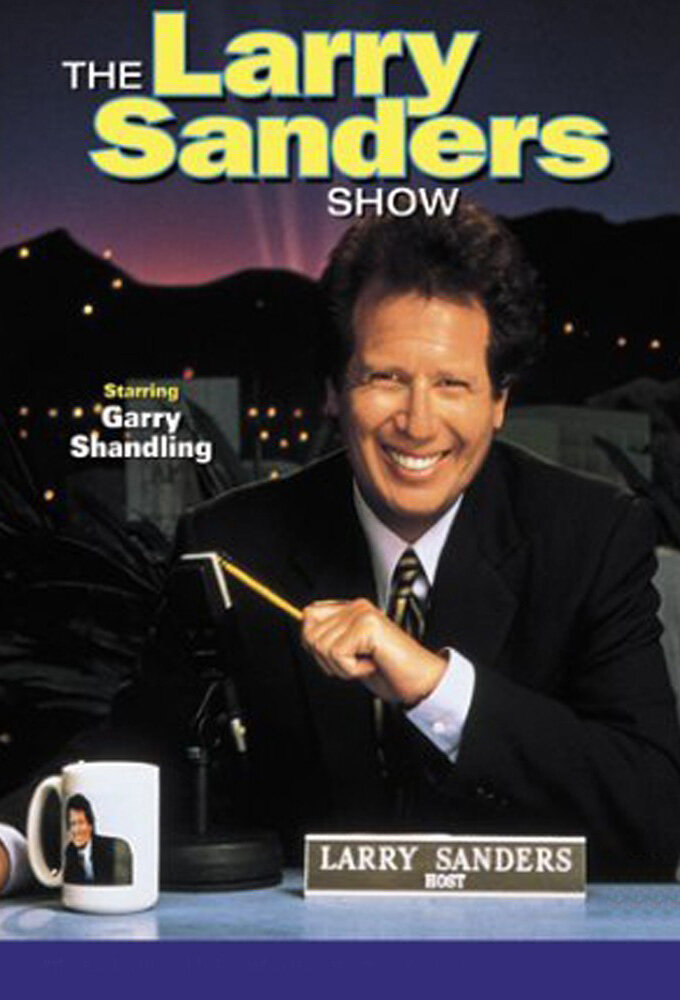
The Larry Sanders Show1992
A sitcom about a talk show, obsessed with the gap between public performance and private reality. Like Joe Schmo, it dissects how people perform roles, especially when cameras are present and stakes exist.
But It's a character study first, comedy second. The humor is dry and depends on genuine affection for flawed people, which takes patience to develop.
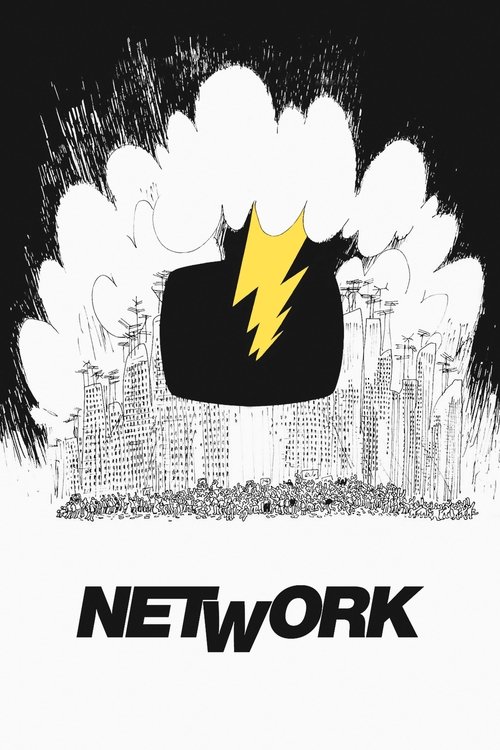
Network1976
A prophetic satire about television manufacturing outrage and spectacle for ratings. Joe Schmo is a gentler version of this: both explore how TV eats reality and regurgitates it as entertainment.
But Made in 1976, it's formal and theatrical. The satire can feel over-the-top, though that was always the point—it has aged less gracefully than it seemed prescient.
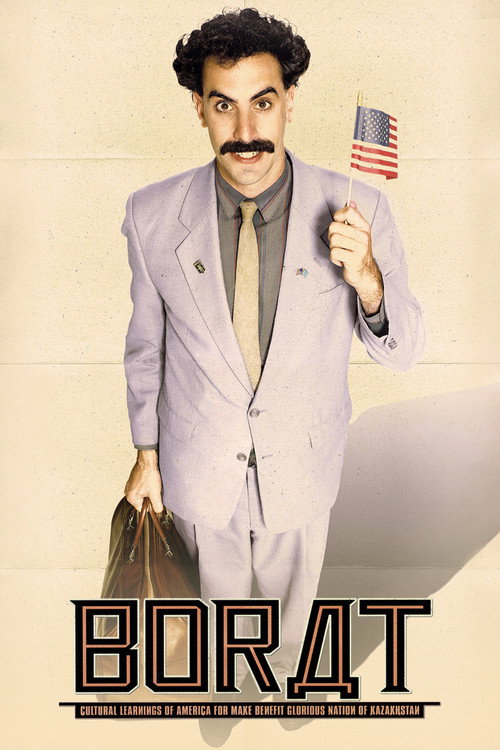
Borat: Cultural Learnings of America for Make Benefit Glorious Nation of Kazakhstan2006
Sacha Baron Cohen's character pranks real people and actors while a crew films it. The ambiguity between what's real and what's performance mirrors Joe Schmo's central trick, though with a meaner edge and a foreign country as the stage.
But The humor punches down at genuinely vulnerable people. For many viewers, that crosses from satire into exploitation; it's difficult to enjoy once you notice that weight.
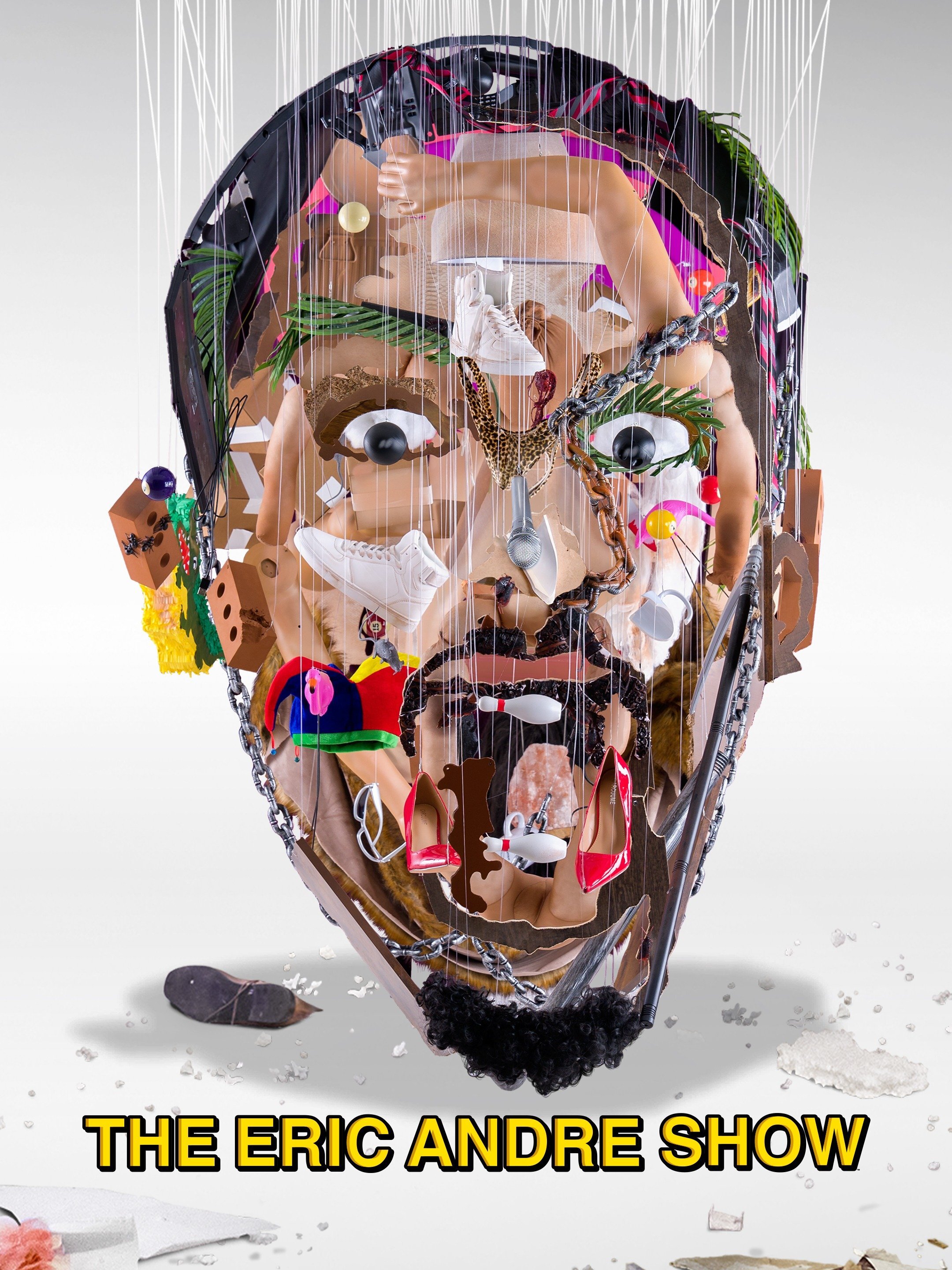
The Eric Andre Show2012
A late-night parody where Eric André interviews celebrities while chaos erupts. It deconstructs talk-show conventions and celebrity performance, though with surreal absurdism rather than Joe Schmo's structural precision.
But The comedy is deliberately chaotic and confrontational. If you want structure and payoff, this will feel like endurance rather than entertainment.
Jackass2000
A stunt show where the cast performs dangerous pranks on each other and unsuspecting bystanders, all for the camera. Like Joe Schmo, it's reality-adjacent entertainment that blurs consent and spectacle—though here the chaos is physical, not existential.
But Jackass ages poorly. Pranks that seemed funny now read as genuinely mean-spirited and sometimes dangerous. The ethics become harder to ignore on rewatching.

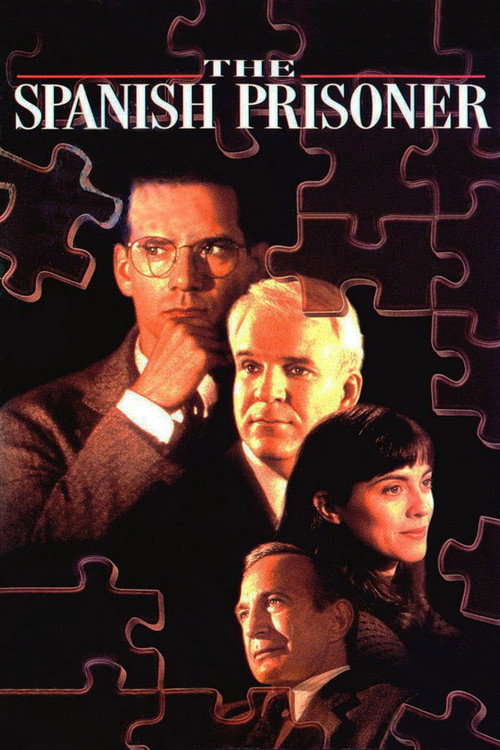
The Spanish Prisoner1997
Both are architecturally perfect deceptions where small details either hold or destroy the entire structure. Both ask how long a lie can sustain under pressure.
David Mamet's con-artist thriller takes the audience through an elaborate, carefully planned deception where every detail matters and nothing is accidental. Like Joe Schmo, it's a scripted reality presented as truth, but here the con is designed to steal rather than to reveal.
But It's cerebral and paranoid rather than funny. Watching it requires active attention, and the reward is intellectual satisfaction, not emotional catharsis.
Veep2012
Both examine how performance and reality collapse when stakes get high. Both are about people forced to navigate scripts they didn't write, watched by people who do.
A scripted political satire where everyone is performing versions of themselves for cameras, power, and survival. Like Joe Schmo, it's about people trapped inside elaborate systems where every word is calculated, and authenticity is a liability rather than an asset.
But Veep is relentlessly cynical. There are no good people, no moments of genuine connection. If you watch Joe Schmo for its strange kindness, Veep will feel like the poisoned version of that.