
Film
Roswell
Other titles called Roswell: the 1999 series (UPN).
A 1994 docudrama about Major Jesse Marcel's struggle to reveal what really crashed near Roswell in 1947. Kyle MacLachlan anchors a thoughtful examination of Cold War secrecy, institutional pressure, and one man's conscience. It treats the mystery seriously without demanding you believe anything—a procedural about the hunt for truth when the truth might be impossible.
Should you watch it?
Watch it if you enjoy quiet paranoid procedurals in which a decent officer slowly realizes the official story is a lie, with dread doing the work spectacle usually would.
Skip it if you want spectacle, because the otherworldly stuff stays mostly offstage and much of the running time is men in offices arguing over what they're allowed to say.
What it asks of you: Patience with talk and temperature: a measured, dry pace over ninety-one minutes, mostly interiors and hushed rooms, with the mood staying cool rather than leaping to big set pieces.
Not sure? Find tonight's pick in a minute.
If you liked this
Close Encounters of the Third Kind1977
Spielberg's masterpiece about wonder, evidence, and the government's stake in silence. Both films ask what happens when you've seen something nobody wants you to have seen.
But Moves like a symphony rather than a thriller; long stretches of mood over plot will test your patience.
The X-Files1993
Nine seasons of Mulder and Scully chasing Roswell-adjacent conspiracies. Same era, same paranoia, same fundamental question: who lies and why?
But Serialization gets tangled; you'll hit stretches where mythology episodes disappear up their own continuity.
All the President's Men1976
Woodward and Bernstein pick through lies to find truth. Same structure as Roswell: methodical investigation, institutional obfuscation, the cost of refusing an easy answer.
But Procedural and talky; if you need momentum over conversation, this will feel slow.

Not sure tonight? Get a pick in a minute, starting from Roswell
The wildcard
Something you would not have found on your own.
The Vast of Night2019
Both films use Roswell-era New Mexico as a stage for examining how ordinary people confront phenomena institutions won't acknowledge. The Vast of Night suggests the mystery through style; Roswell pursues it through procedure. Watching them back-to-back shows two ways of asking the same question.
A teenage radio operator and his friend investigate strange signals in 1950s New Mexico. Shot as a lost Twilight Zone episode with astonishing formal control. Same place, same era, same mystery—but told with style that makes Roswell look earthbound.
But Heavy on atmosphere and suggestion; if you want definitive answers rather than suggestive unease, you'll leave frustrated.
More like this (8)
Network1976
An institutional system pressuring individuals to suppress or distort truth for the greater good. Paddy Chayefsky's acid look at how power actually works.
But The satire is sharp enough to feel nasty; some will find it exhausting rather than cathartic.
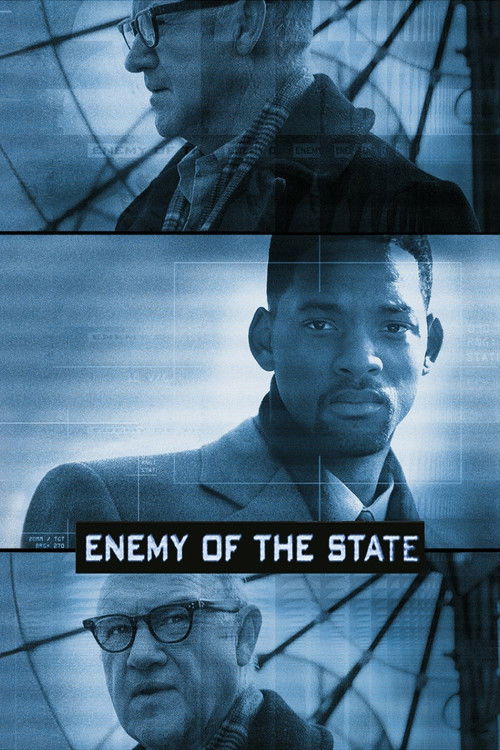
Enemy of the State1998
Government paranoia stripped down to kinetic thriller form. What Roswell handles as tragedy, this handles as chase—but the architecture of surveillance and institutional betrayal is the same.
But Loud and propulsive where Roswell is quiet; the tonal whiplash might make Roswell feel even slower by comparison.
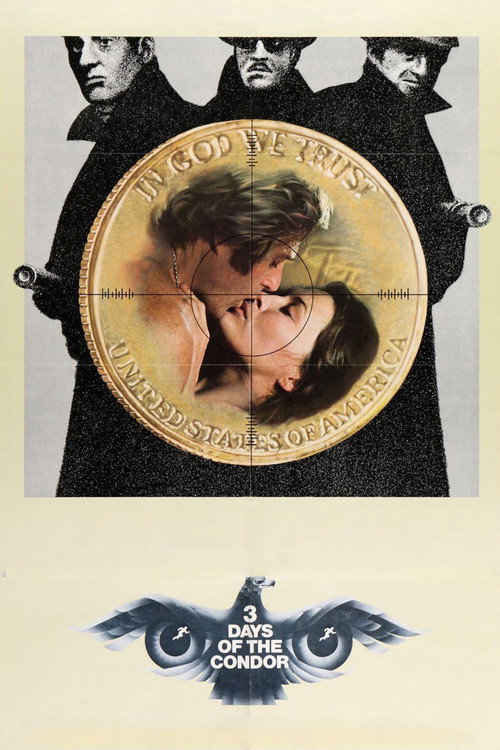
Three Days of the Condor1975
Robert Redford as a CIA analyst who knows something he shouldn't. Cold War paranoia, institutional machinery, a man running from his own government—the DNA of Roswell as espionage thriller.
But Seventies pacing means long stretches of men in cars and rooms talking; not for viewers who need external action.
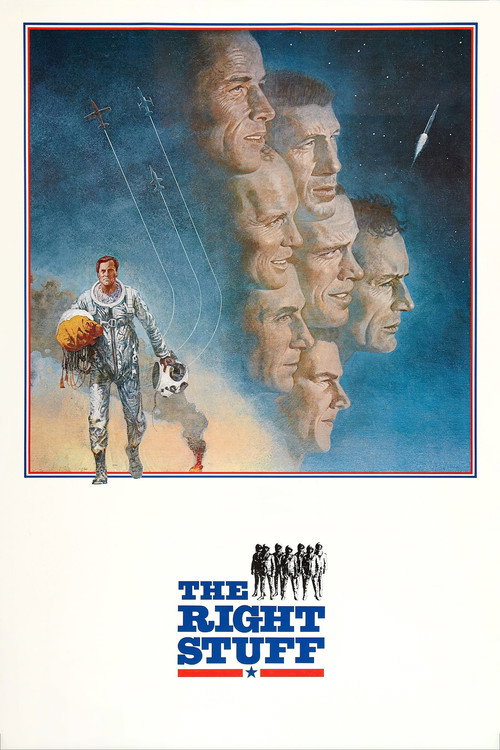
The Right Stuff1983
Philip Kaufman's epic about the space race and the men in it, with serious attention to how institutions shape narrative. Roswell in reverse: what the government allowed America to see.
But Runs nearly four hours and juggles enormous ensemble cast; easy to lose focus across its canvas.
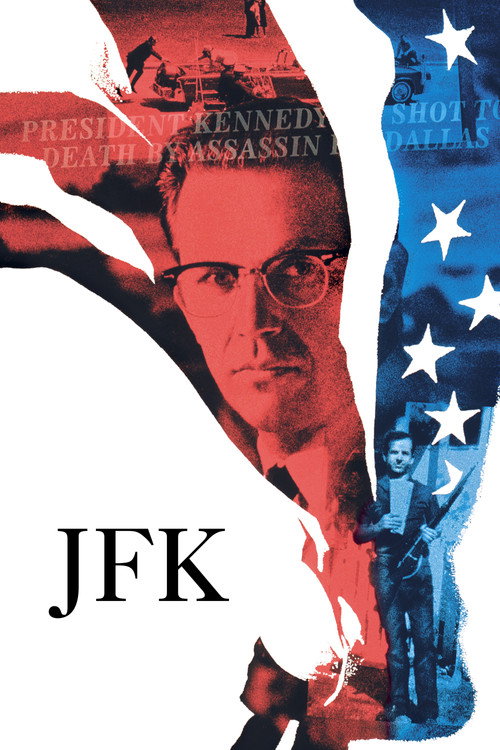
JFK1991
Oliver Stone's baroque investigation of institutional secrecy and the difficulty of proving anything when power wants you to stop looking. Fever dream where Roswell is procedural—same paranoia, different temperature.
But Explicitly argues a contentious theory using dramatic reconstruction; if you resent speculation dressed as insight, this will infuriate you.
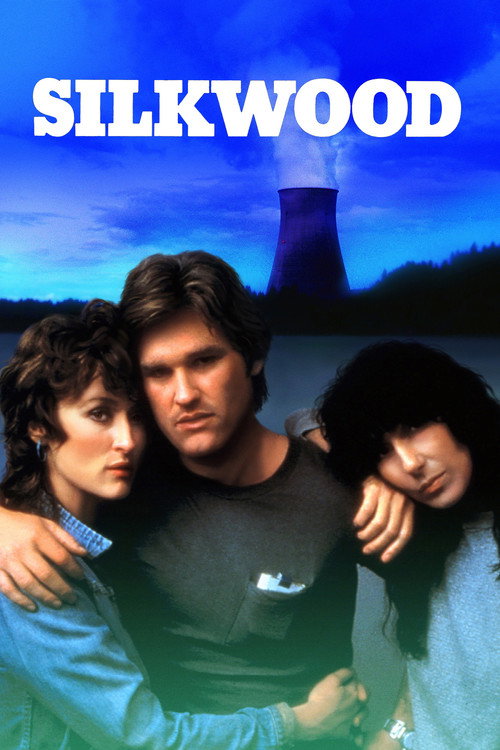
Silkwood1983
Meryl Streep as a nuclear plant worker gathering evidence of malfeasance. A quieter film about institutional pressure, moral clarity, and the actual loneliness of knowing something others refuse to see.
But Deliberately unglamorous and slow-burn; builds toward a conclusion many find ambiguous or unsatisfying.
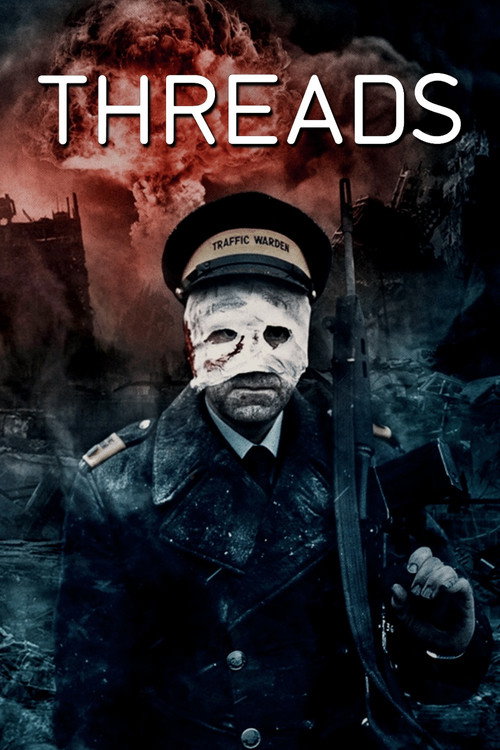
Threads1984
Both treat institutional response to catastrophe with documentary precision rather than thriller energy. Roswell asks whether one man can speak truth to power; Threads asks what power does when it cannot contain the truth at all. Different stakes, same formal DNA.
British nuclear war docudrama that looks like a news bulletin about the end of civilization. Brutal, clinical, unjolly—the inverse temperature of Roswell's institutional drama, but built the same way: how do bureaucratic systems respond to existential facts?
But Genuinely punishing; designed to horrify rather than entertain. Not escapism, not catharsis. Just bleak endurance.
A Ghost Story2017
Both films are about being bound to something—Marcel to the truth of what crashed, the ghost to the place it died. Both examine what it costs to stay tethered to a fact the world wants erased. One uses procedure; the other uses supernatural literalism to say the same thing.
Casey Affleck as a sheet-wearing ghost observing time, obsession, and the inability to let go. Strange, meditative, utterly unsentimental about haunting. What Roswell's Major Marcel experiences emotionally—the way witnessing something extraordinary fractures your grip on normal life—told as ghostly abstraction.
But Willfully weird and quiet; operates in the register of poetry rather than narrative. Many will find it pretentious or impenetrable.

People
Cast
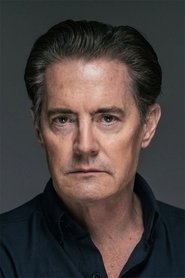 Kyle MacLachlanJesse Marcel
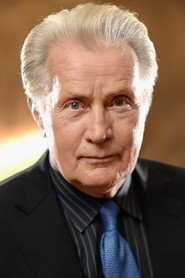 Martin SheenTownsend
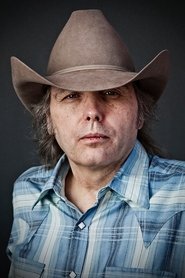 Dwight YoakamMac Brazel
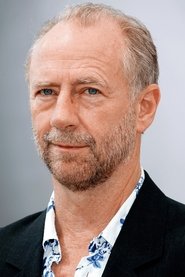 Xander BerkeleySherman Carson
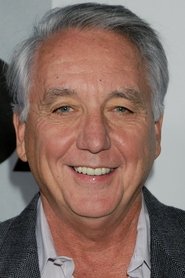 Bob GuntonFrank Joyce
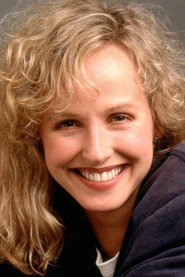 Kim GreistVy Marcel
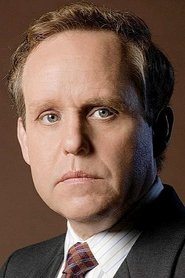 Peter MacNicolLewis Rickett
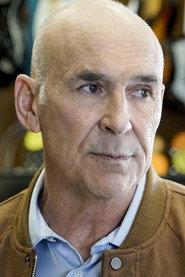 John M. JacksonColonel Blanchard
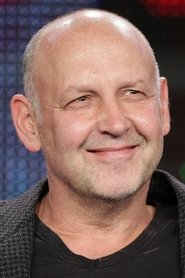 Nick SearcyMortician
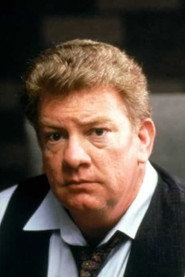 Charles HallahanPilot MacIntire (Older)
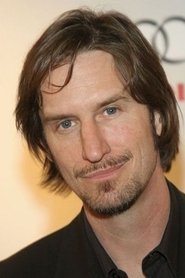 Ray McKinnonDeputy Joe Pritchard
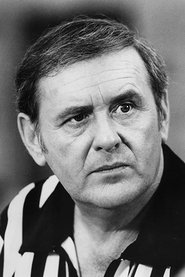 Eugene RocheJames Forrestal
Directing
- Jeremy KaganDirector
Writing
- Donald R. SchmittBook
- Kevin D. RandleBook
- Arthur KopitScreenplay