
Film
Bukowski
A 1973 documentary capturing Charles Bukowski—the poet, novelist, and living embodiment of literary defiance—heading to a San Francisco poetry reading. It's a slim, intimate hour that feels less like a film about Bukowski and more like being trapped in a room with him: unflinching, sometimes brutal, always magnetic. For anyone drawn to writers who refuse to perform the role of writer.
Should you watch it?
Watch it if you like watching a writer at close range, rough edges and all, and you're happy to sit through unhurried stretches where the talk matters more than any plot.
Skip it if you want a story with momentum or a documentary that explains its subject; this is an hour of observation with little context, so the pace can feel shapeless.
What it asks of you: Sixty minutes, mostly unbroken and unhurried, with the camera patient and the mood quiet, so it rewards settling in rather than checking the clock.
Not sure? Find tonight's pick in a minute.
If you liked this
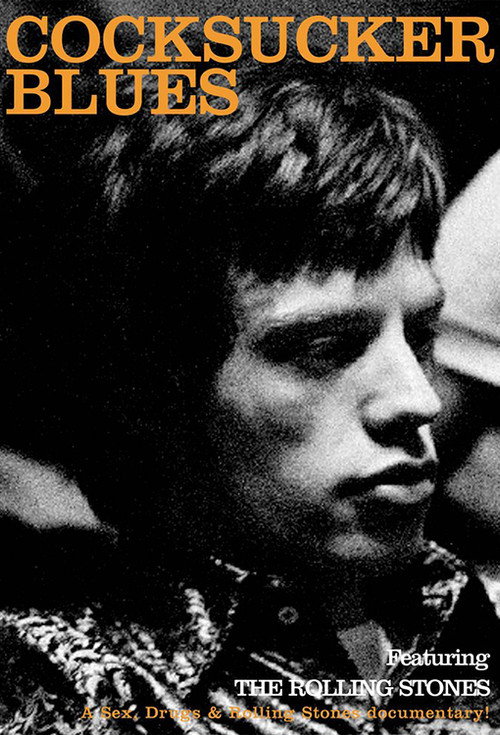
Cocksucker Blues1972
The Rolling Stones' forbidden tour documentary captures raw, unfiltered excess in ways no approved footage ever could. Like Bukowski, it prioritizes truth over image, and the result is genuinely dangerous-feeling cinema.
But It's been suppressed and restricted for decades—finding it means committing to seeking out a bootleg. The Stones' lawyer made damn sure of that.
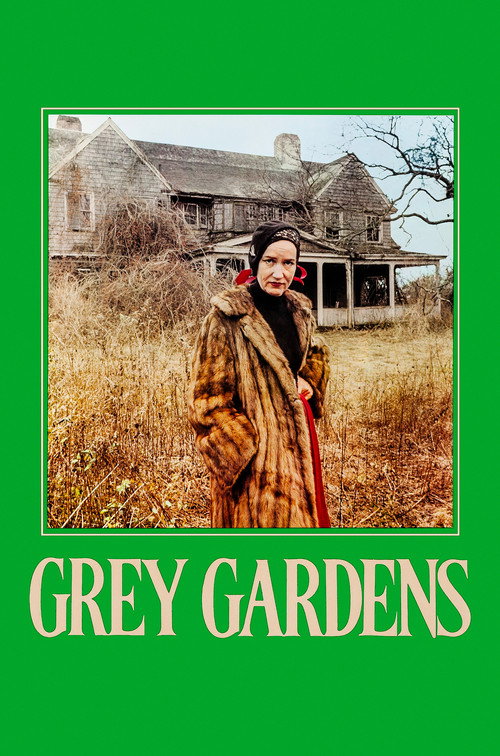
Grey Gardens1976
A fractured portrait of two women living in artistic and social ruin, shot with the same unflinching patience and dark comedy that animates Bukowski. It's like watching your life fall apart in real time, and somehow you can't look away.
But It's uncomfortable in ways that feel deliberate and unresolved. There's no redemption arc, just two people existing in decline. That's the point, but it's a hard sit.
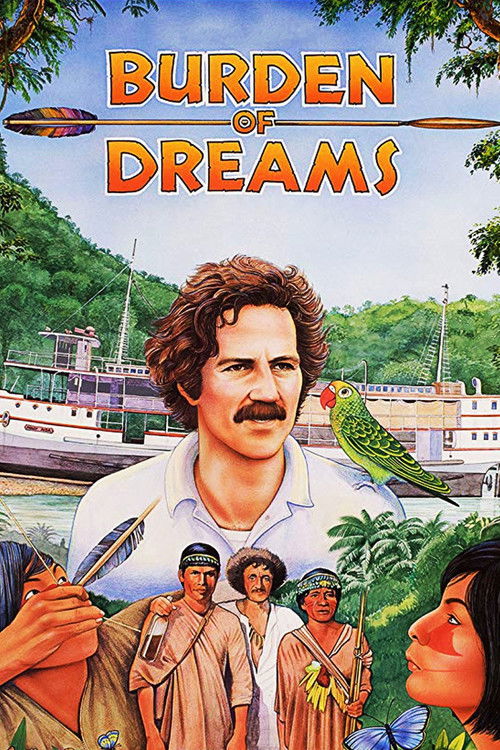
Burden of Dreams1982
Werner Herzog documenting his own obsessive descent while making Fitzcarraldo in the Amazon. It's a portrait of a creator refusing to quit even as everything collapses. Bukowski would recognize that kind of stubborn insanity.
But It's slow, often frustrating, and Herzog comes across as monstrous. If you want a feel-good story about filmmaking, this is not it.
Not sure tonight? Get a pick in a minute, starting from Bukowski
The wildcard
Something you would not have found on your own.
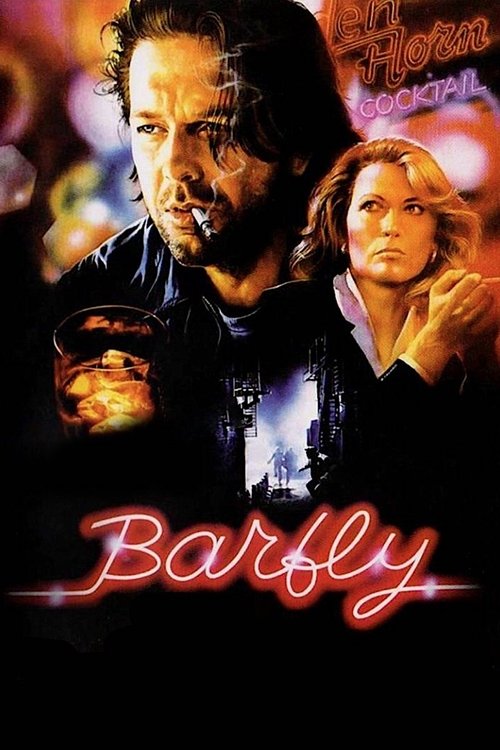
Barfly1987
It's literally Bukowski wrestling with his own image and legacy—the mirror image of a documentary watching him try to be Bukowski in real life.
Based on Bukowski's own screenplay and starring Mickey Rourke. It's the only time a filmmaker let him write himself into the picture—not prettified or dramatized, but exactly as he imagined the role. It's a bizarre artifact: Bukowski directing how Bukowski should be seen.
But It's a movie about drinking and failure with no tidy ending. It was a commercial failure and some critics find it indulgent. Watching Bukowski watch his own myth can feel self-conscious.
More like this (8)
The Act of Killing2012
A documentary that puts a mirror in front of human cruelty and refuses to look away. Like Bukowski's writing, it trusts the audience to sit with discomfort and draw their own conclusions about what they're witnessing.
But It documents genocide and mass murder from the perpetrators' perspective. It's harrowing, morally complex, and will leave you shaken. Some people will feel that's beyond what they want from a viewing.

Synecdoche, New York2008
Charlie Kaufman's film about art, obsession, and the impossibility of capturing life through creation. It has Bukowski's dark humor and his belief that sometimes the only honest response to existence is to document your own unraveling.
But It's deliberately obscure and layered to the point of opacity. Some viewers find it pretentious or exhausting. You'll need to bring patience and possibly watch it twice.

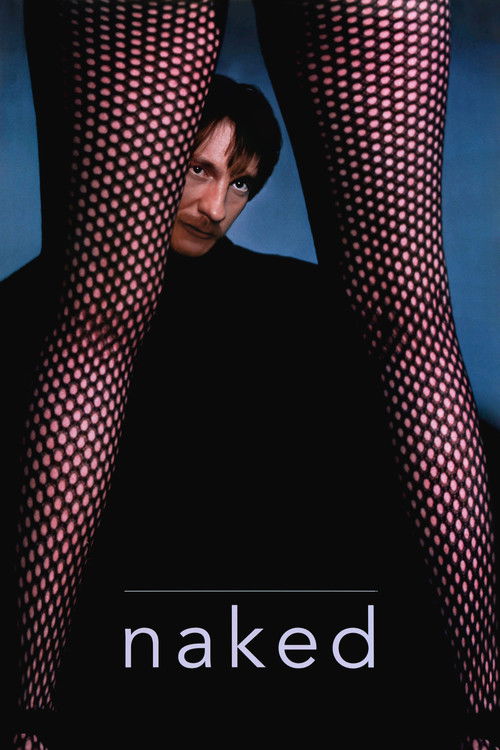
Naked1993
Mike Leigh's portrait of a brilliant, bitter man raging against a world he can't escape. The nihilism cuts deep, and the dialogue crackles with the kind of dark, restless intelligence Bukowski would have recognized in himself.
But It's relentlessly grim and the protagonist is deliberately unlikeable. If you're looking for warmth or hope, you won't find it, and that's the whole point.
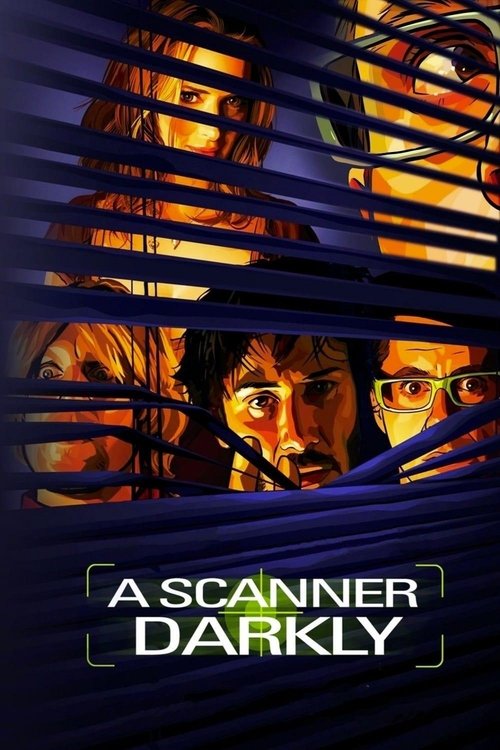
A Scanner Darkly2006
Linklater's rotoscoped adaptation of Philip K. Dick captures paranoia and self-destruction with visual invention. Like Bukowski, it treats addiction and alienation as the true subjects of contemporary life, not mere plot devices.
But The animation is deliberately unsettling and the plot resists easy comprehension. Dick fans love it; others find it weird for weirdness's sake.
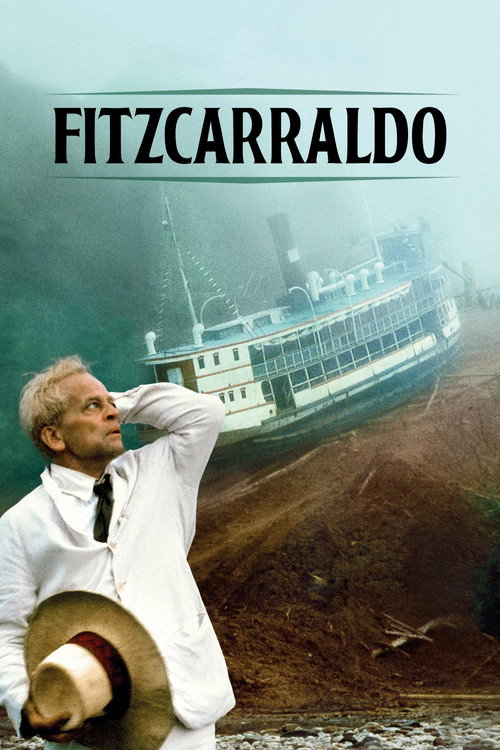
Fitzcarraldo1982
Herzog's epic of a man dragging a steamship over a mountain because he's convinced of the beauty of the act. It's obsession as art form, and in its way, as honest as Bukowski about what drives humans to wreck themselves.
But It's three hours of watching people suffer in the jungle for an idea. The pacing is glacial and the suffering is real. You have to commit to Herzog's vision or you'll spend two hours checking the time.
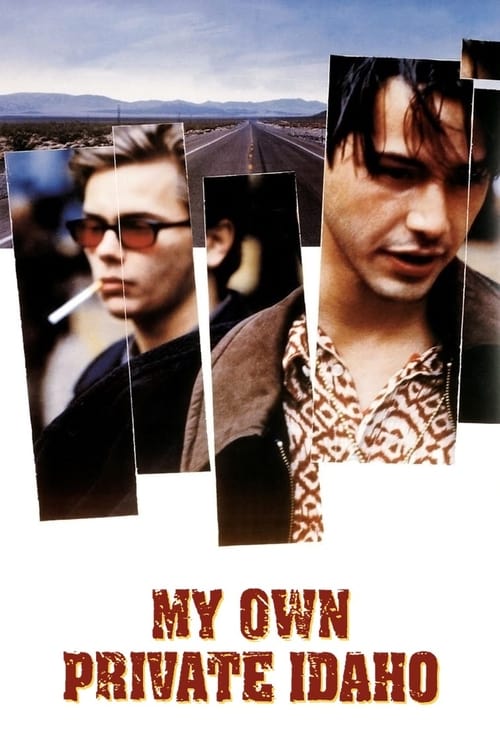
My Own Private Idaho1991
Gus Van Sant's portrait of hustlers and drift, shot with poetic inevitability. It captures the same acceptance of life's brutality that runs through Bukowski, but filters it through beauty rather than spite.
But The narrative is loose and the ending is opaque. Some find it self-consciously arty; others find it genuinely moving. There's not much middle ground.
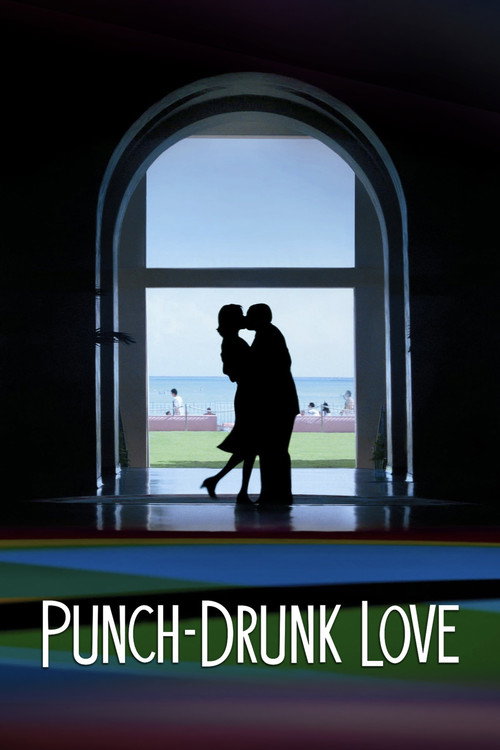
Punch-Drunk Love2002
Both are artists who refuse to make their work palatable, who trust the audience to find beauty in ugliness. Same commitment to showing the unvarnished truth of how people actually live.
Paul Thomas Anderson's twenty-minute eruption of love and violence directed at Adam Sandler. It has the same compressed energy as Bukowski, the same belief that beauty and brutality are neighboring rooms, and the same refusal to sand down its protagonist's rough edges.
But It's only ninety minutes and almost nothing happens in the conventional sense. If you need plot momentum or likeable people, you'll feel shortchanged. It's a mood piece about desire and damage.
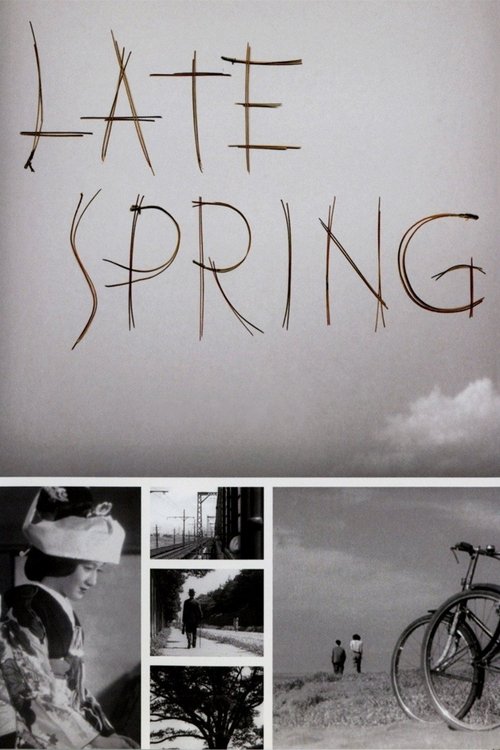
Late Spring1949
Both capture the dignity of ordinary decline without melodrama. An old man facing the end of things; a 50-year-old going to a reading. Same quiet refusal to flinch or perform for the camera.
Ozu's masterpiece about aging and letting go, told with minimal plot and maximum grace. It seems incompatible with Bukowski until you realize both are about the only honest way to live: accepting that nothing lasts and finding the strange peace in that. Japanese cinema's Bukowski.
But It's slow, formal, deliberately restrained, and emotionally devastating in ways that require patience. If you're used to Western narrative drive, it might feel like watching paint dry. It's the opposite of visceral.
People
Cast
Directing
- Taylor HackfordDirector