
Film
Always
Other titles called Always: the 1989 film.
A tender South Korean romance about a former boxer working in a parking lot and a blind telemarketer who collide and find unexpected grace in each other. It's quietly devastating, occasionally funny, and built on genuine chemistry rather than melodrama. For anyone who believes small moments between two people can matter as much as plot.
Should you watch it?
Watch it if you like romances that run on quiet gestures and a rough-edged man slowly learning tenderness, where the sweetness is earned through small daily kindnesses rather than grand declarations.
Skip it if you resist melodrama or want brisk pacing, because it leans hard on sentiment and its gentle rhythm can feel stretched at over an hour and a half.
What it asks of you: Settle in for an unhurried hour and three-quarters, with long quiet stretches, a drift between wry humor and ache, and attention paid to faces more than plot.
Not sure? Find tonight's pick in a minute.
If you liked this
Sucker Punch2011
A South Korean boxing film with similar emotional weight and a protagonist scarred by his sport. Gorgeously shot, focused on dignity and second chances rather than triumph. Shares Always's belief that quiet men can carry profound stories.
But The boxing sequences are brutal and the pacing is slow. If you want kinetic action rather than introspection, this will test your patience.

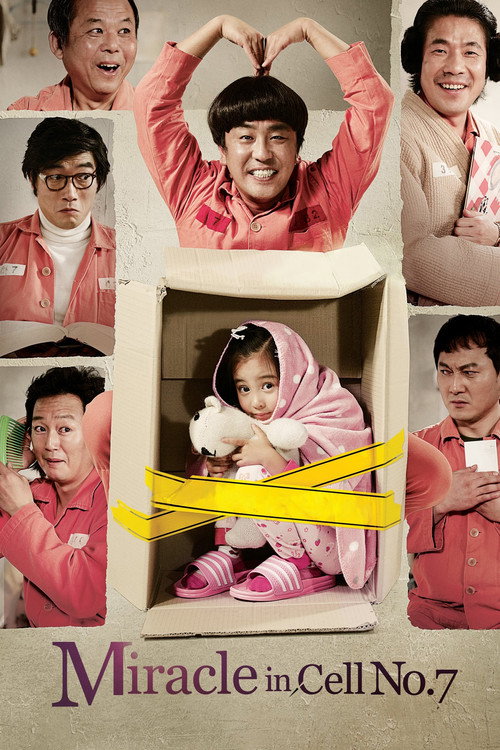
Miracle in Cell No. 72013
A Korean drama that mirrors Always's heart: an ordinary man in impossible circumstances, a relationship that transcends obvious obstacles, and genuine tears earned rather than manipulated. Devastatingly moving without ever feeling cheap.
But The emotional manipulation is deliberate and heavy-handed. Some find it effective; others find it exhausting. You need to be in the mood to surrender.
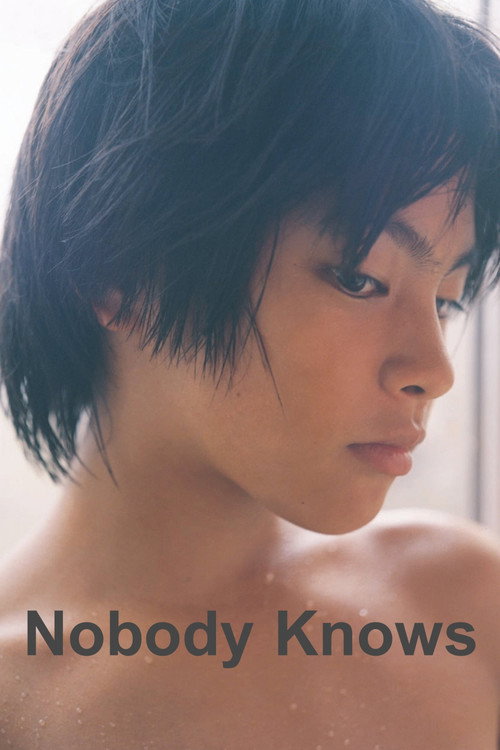
Nobody Knows2004
Hirokazu Kore-eda's masterpiece about quiet endurance and love expressed through small acts. Like Always, it finds profound humanity in people society overlooks. Subtly crushing and beautiful.
But It's Japanese and deeply slow. There's minimal plot and no conventional arc. The reward requires real patience and emotional availability.
Not sure tonight? Get a pick in a minute, starting from Always
The wildcard
Something you would not have found on your own.
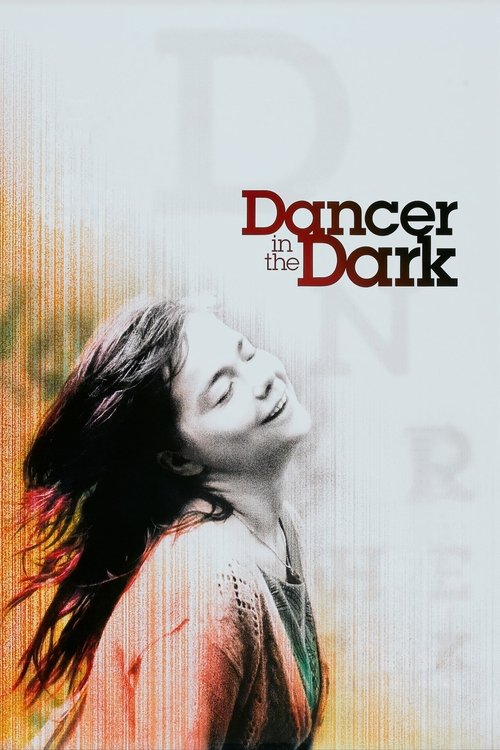
Dancer in the Dark2000
Both center working-class protagonists with disabilities as the emotional heart of the film; both use their particular art form (boxing, dance) as a language for inexpressible feeling.
Von Trier's Selma is a factory worker going blind—literally the inverse of Always's blind protagonist. But the connection runs deeper: both films insist on the spiritual and artistic dignity of people society discards. Selma dreams in musicals; Cheol-min dreams in boxing. Both are about finding transcendence in brutality.
But It's punishingly bleak and ends in genuine tragedy. The musical sequences don't soften the devastation; they heighten it. If you watch Always for comfort, this will feel like a betrayal.
More like this (8)
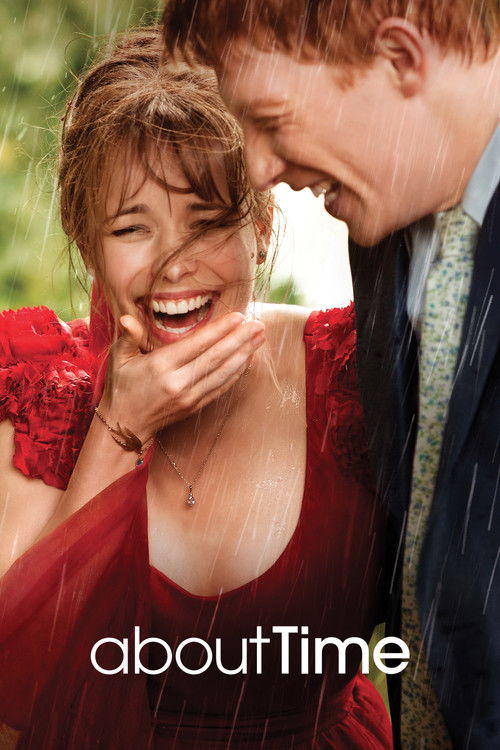
About Time2013
A British romance that prioritizes tenderness and specificity over grand gestures. Focuses on how ordinary people love each other through years, not moments. The chemistry between leads feels lived-in and real.
But It's sentimental and occasionally saccharine. If you're resistant to earnestness about relationships and family, the tone will feel mawkish.
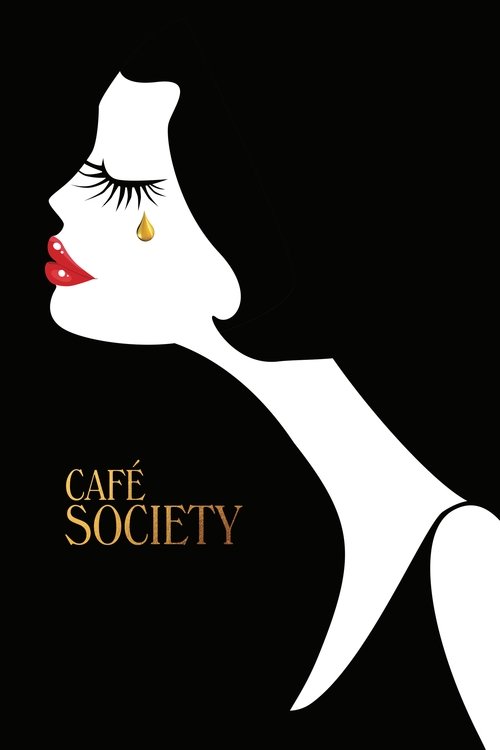
Café Society2016
A Woody Allen film about low-key attraction and the quiet ache of wanting someone you can't have. Beautiful period setting, melancholic jazz score, and genuine romantic yearning beneath the surface charm.
But It's deliberately minor and refuses catharsis. The protagonist doesn't transform or triumph; he simply endures. Some find that profound; others find it pointless.
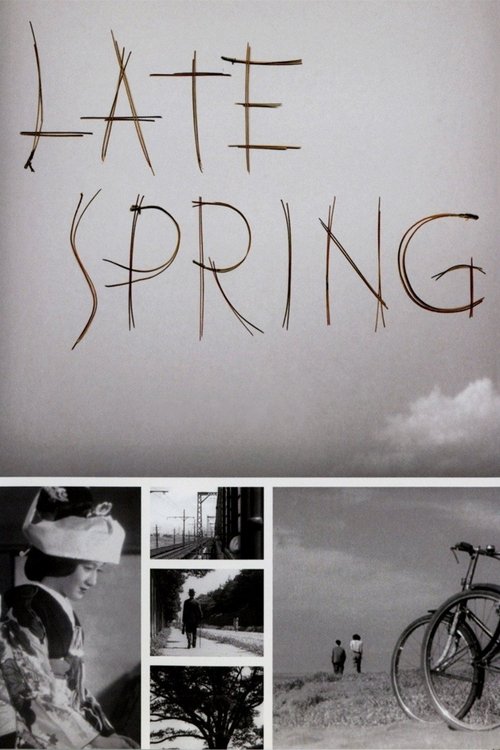
Late Spring1949
Ozu's meditation on attachment, time, and the small rituals that bind people together. It moves slowly but with absolute precision. Every scene is about what isn't said, which is everything Always understands.
But It's a 1949 Japanese film in black and white with minimal plot. The pacing feels archaic. Modern audiences often find it impenetrably slow.
The Farewell2019
A portrait of how ordinary people love across difference and distance. Balances humor and heartbreak. About showing up for people you love through presence rather than grand romantic gestures, like Always does.
But The emotional stakes are distributed across family rather than concentrated on one romance. If you want a tight two-person drama, the scope might feel diffuse.

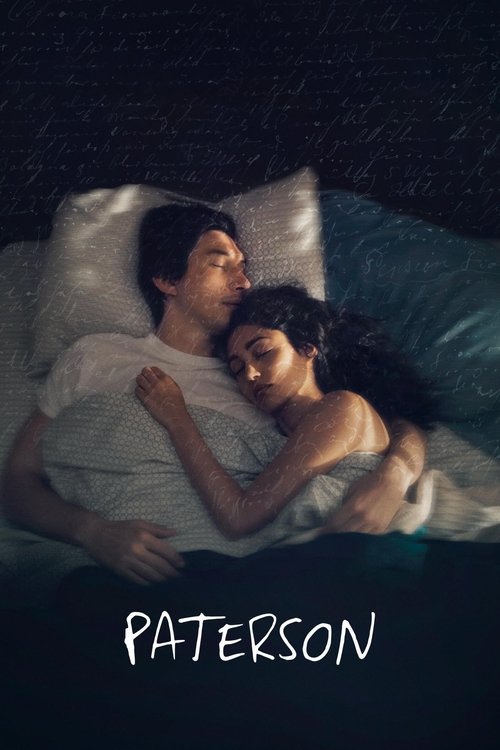
Paterson2016
Jim Jarmusch on a bus driver who writes poetry and loves his wife quietly through ordinary days. Finds the profound in routine. Celebrates people the world ignores with genuine affection and attention.
But Almost nothing happens. The film is a series of small moments strung together. If you need plot momentum, you'll be frustrated by its deliberate stillness.
Moonlight2016
Three chapters of a man's life, each one an intimate portrait of vulnerability and connection. Formally beautiful, emotionally precise. About how people touch each other's lives even when they can't stay.
But It's elliptical and refuses conventional narrative satisfaction. The ending offers no resolution. Some experience that as profound; others as incomplete.

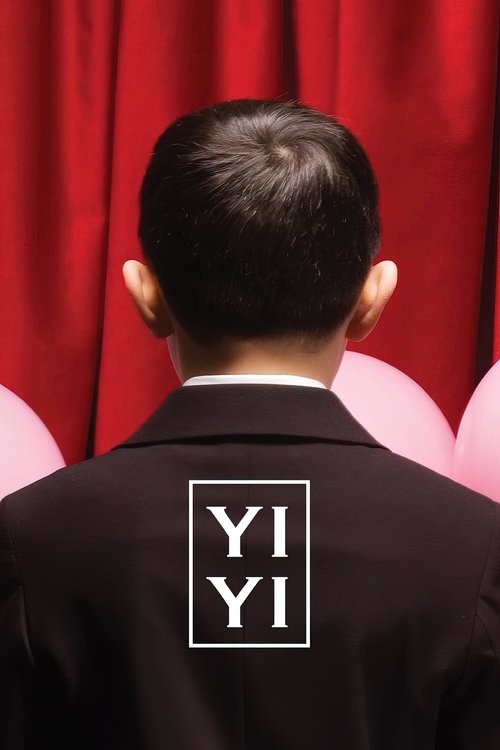
Yi Yi2000
Both prioritize the emotional texture of ordinary relationships over plot. Both trust that watching two people simply exist together is enough.
Edward Yang's three-hour Taiwanese epic that, like Always, believes small domestic moments are as significant as any drama. A family navigates change, loss, and connection across generations. Shot with such precision that every gesture matters. Generous and unsentimental.
But It's long, Mandarin-language, and structurally diffuse. You need to accept that scenes have no payoff beyond their own truth. The rewards are cumulative and require active watching.
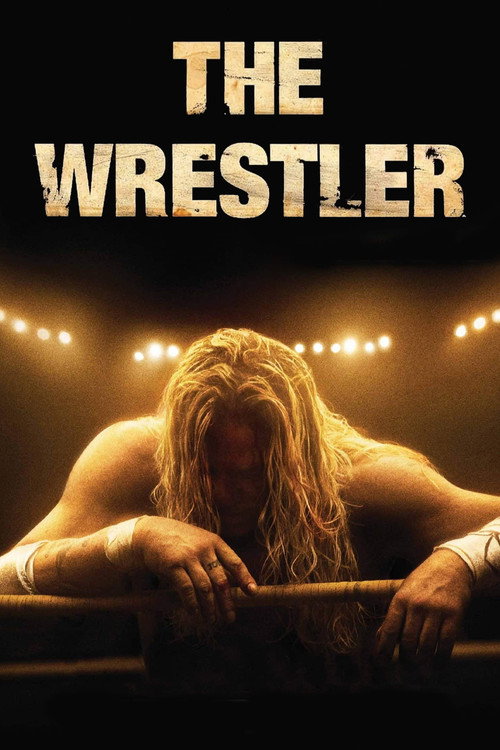
The Wrestler2008
Both feature a protagonist defined by physical performance (boxing, wrestling) who discovers that tenderness and connection matter more than mastery; both are about grace found in failure.
Darren Aronofsky and Mickey Rourke on a aging performer clinging to the only thing he knows how to do. Like Always, it's about damaged people who give everything to what they love despite knowing better. Raw, tender, and unexpectedly funny about bodies and devotion.
But It's relentlessly grim and the ending offers no redemption. The violence and decay accumulate without relief. It's a portrait of someone not improving, just enduring.
People
Cast
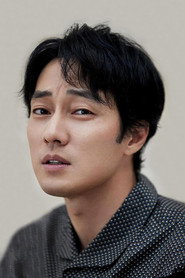 So Ji-subCheol-min
 Han Hyo-jooJung-hwa
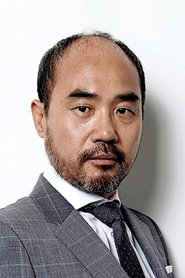 Kang Shin-ilManager Choi
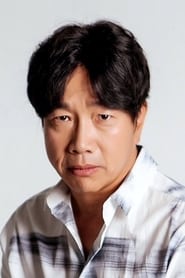 Park Cheol-minCoach Bang
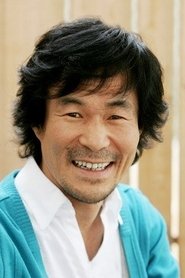 Oh Kwang-rokPark Chang-soo
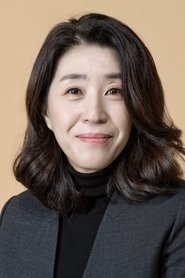 Kim Mi-kyungNun
 Jin GooWorkshop CEO
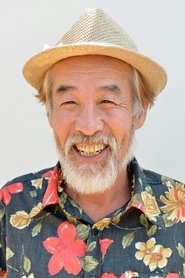 Jung Jae-jinSwitching Shift Elder
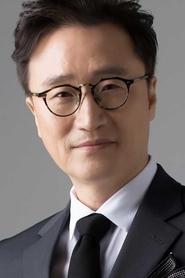 Park Seong-geunOphthalmologist
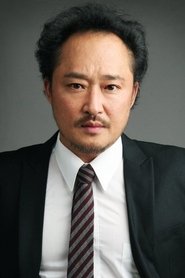 Kim Jung-palDispatched Police
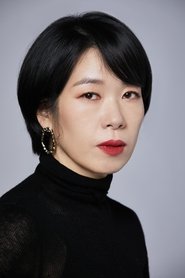 Yeom Hye-ranHairdresser
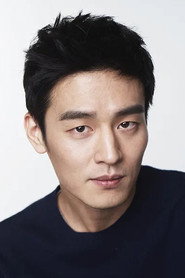 Yoon Jong-hwaMin Tae-sik
Directing
- Cho Yong-jinAssistant Director
- Song Il-gonDirector
Writing
- An Ji-sunAdaptation
- Yu Young-ahAdaptation
- Roh Hong-jinWriter
- Song Il-gonWriter