
Film
Studio 54
A documentary about the legendary Manhattan nightclub that defined 1970s excess and celebrity culture. Told through archive footage and interviews with co-owner Ian Schrager, it captures the hedonism, the famous faces, the music, and the machinery that made Studio 54 a cultural phenomenon before it all collapsed. Essential viewing for anyone fascinated by that era or how a venue becomes myth.
Should you watch it?
Watch it if you love the backstage view of how a scene gets built, with its money, egos and bouncers, and want the people who ran the velvet rope telling it themselves.
Skip it if you want a critical reckoning or a dissection of the era's excess, since this leans on nostalgia and the owners' own recollections more than hard scrutiny.
What it asks of you: A feature-length sit of about an hour and a half, mostly talking heads with archive clips woven in, so you settle in for reminiscence rather than a plotted arc.
Not sure? Find tonight's pick in a minute.
If you liked this
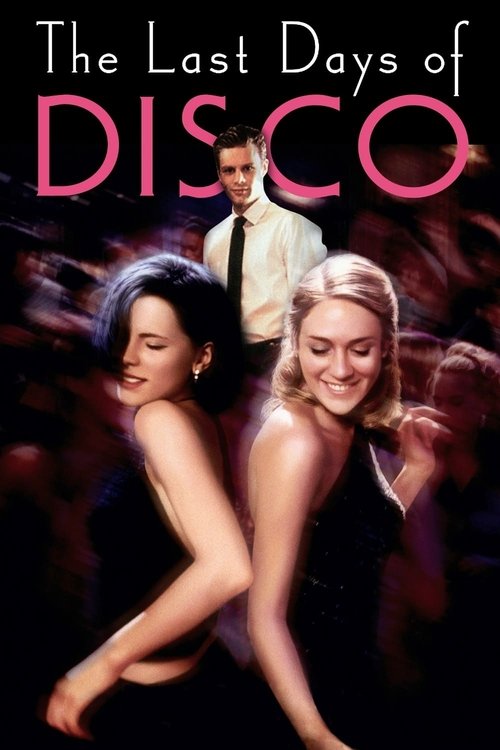
The Last Days of Disco1998
Whit Stillman's elegant comedy captures the end of the 1970s disco era through the lives of two Manhattan women, with the same sense of how a cultural moment dies and how people cling to it.
But It's gentle and talky rather than explosive; the nightclub scenes are brief and the drama is more about friendship and disappointment than spectacle.
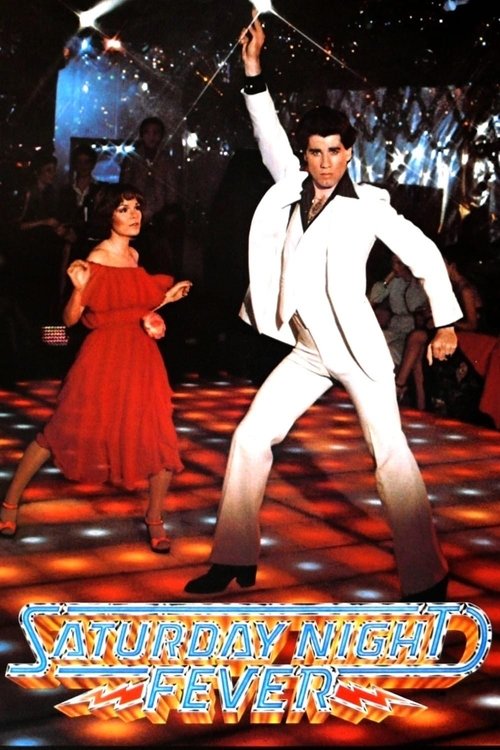
Saturday Night Fever1977
The film that defined disco for cinema—sweaty, sexual, propulsive, and genuinely tragic. Travolta's Tony Manero is a fuller portrait of the era than the music-and-faces approach of Studio 54.
But It's darker and more brutal than you might expect. The sexual violence and the protagonist's casual cruelty can alienate viewers expecting pure escapism.
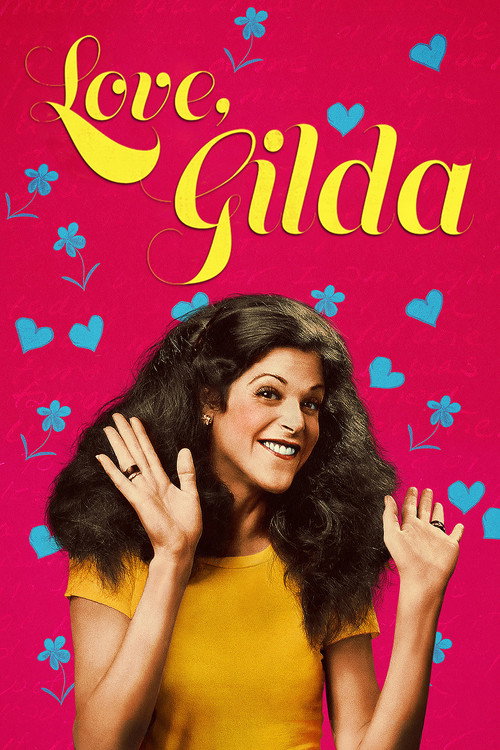
Love, Gilda2018
A portrait of Gilda Radner that uses her own writing, photographs, and film clips. It captures the same New York nightlife world where comedy and celebrity were being made in real time, with warmth and genuine feeling.
But It's quite melancholic. The film is a memorial, and the joy is always shadowed by knowledge of how the story ends.
Not sure tonight? Get a pick in a minute, starting from Studio 54
The wildcard
Something you would not have found on your own.
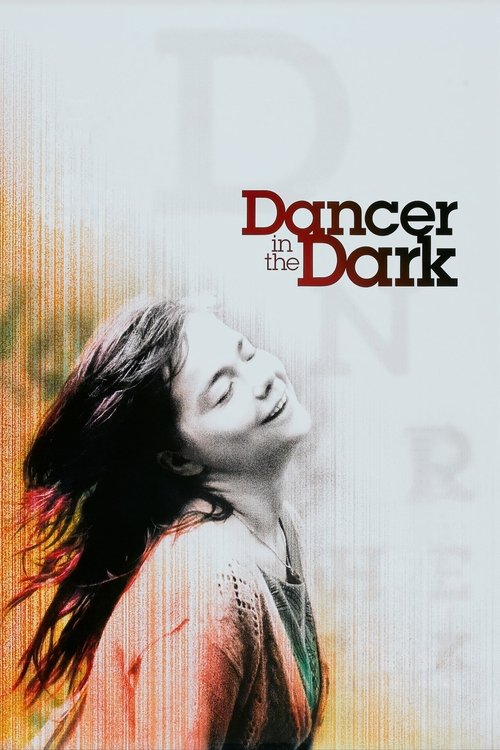
Dancer in the Dark2000
Both use performance and club/musical escapism as a mirror of human need. Studio 54 asks what ecstasy feels like; this asks what we sacrifice for it.
Lars von Trier's devastating musical about a woman in 1960s America who uses song and dance to escape unbearable reality. It's about the same hunger for transcendence through spectacle and music, but tragic rather than celebratory—the inverse register.
But It is harrowing and ends in devastation. The tonal whiplash between musical numbers and brutal realism is intentional and deeply uncomfortable.
More like this (5)
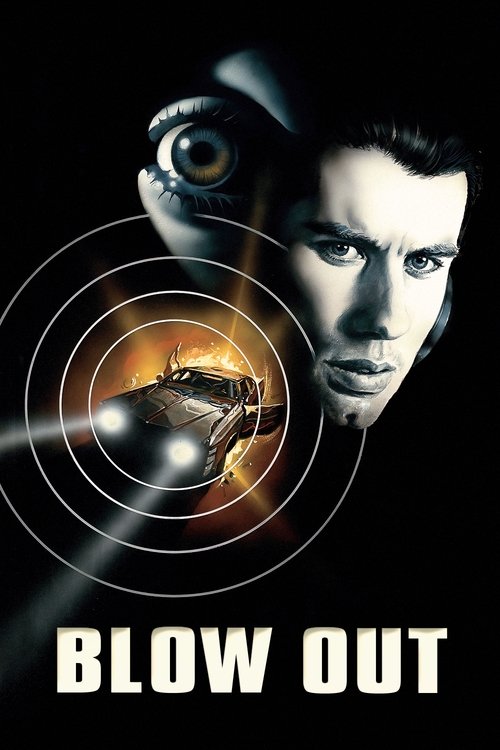
Blow Out1981
Brian De Palma's paranoid thriller is set in Philadelphia in the 1970s and captures the texture and paranoia of the era—the sex, the corruption, the sense that nothing is what it seems. A different New York moment, but the same DNA.
But It's baroque and occasionally overwrought. The plot requires some suspension of disbelief and the climax is deliberately artificial.
Venom1981
Pulsating 70s thriller set in a townhouse during a hostage situation, with Klaus Kinski and Sterling Hayden. It has the claustrophobia, the danger, and the sense of New York as a pressure cooker that era evoked.
But It's a B-picture thriller, not a document of cultural history. The dialogue is clunky and the psychology is simple.

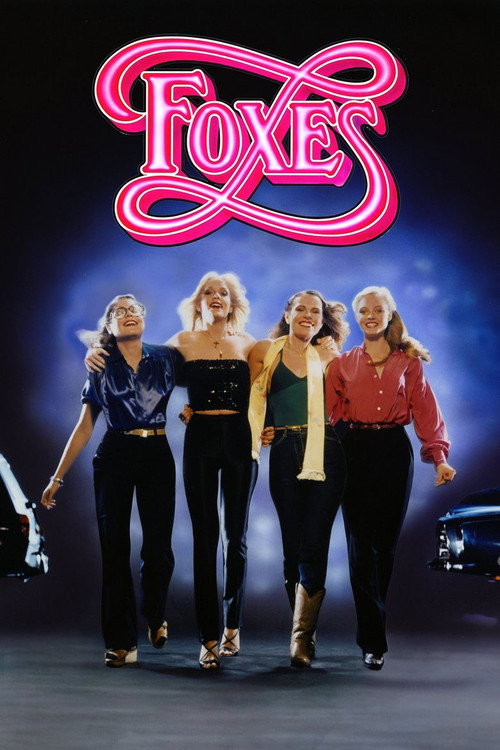
Foxes1980
Adrian Lyne's film about teenage girls navigating Los Angeles and nightlife in the late 1970s. It has the disco soundtrack, the sexual awakening, and the club scenes, told from the perspective of girls trying to own their own experience.
But The direction is uneven and some scenes feel exploitative. The film wants to capture youth culture but doesn't always know who it's speaking to.
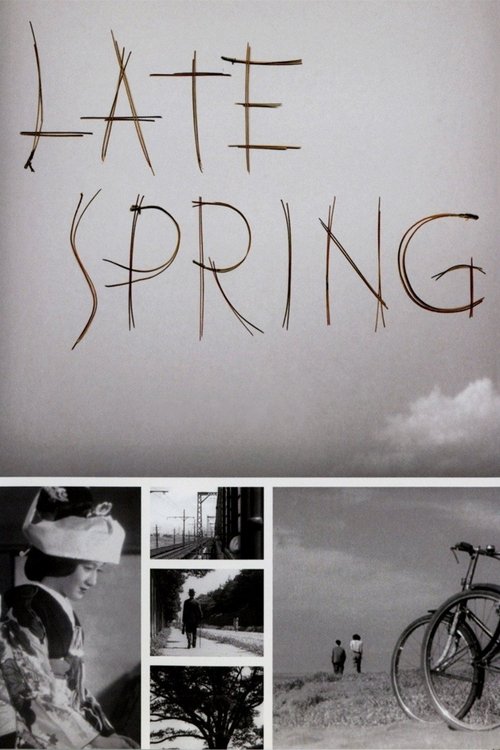
Late Spring1949
Like Studio 54, it's fundamentally about impermanence—how a moment, a place, a world can be complete and perfect and gone. The film is an elegy masquerading as a domestic story.
Ozu's masterpiece about time, aging, and the impossible. It has nothing to do with nightclubs or the 70s, but it uses a specific world and moment to explore larger questions about how we hold onto what we love.
But It's in Japanese, from 1949, and moves at its own pace. The emotional depth arrives slowly and requires patience and attention.
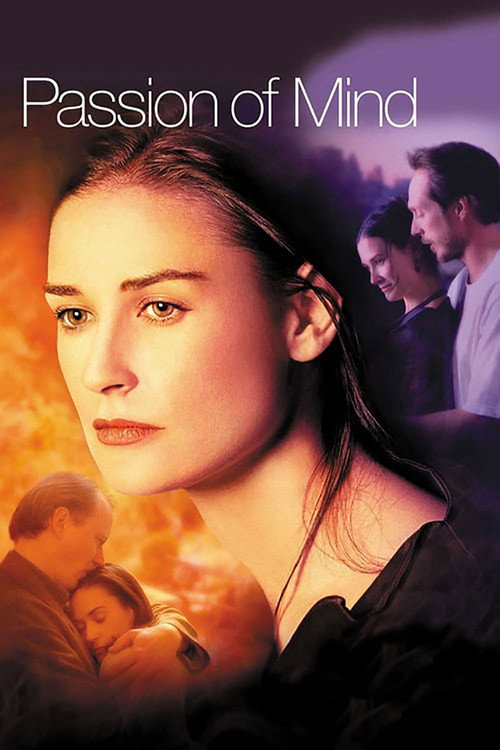
Passion of Mind2000
Both films venerate a place and a world while showing how it functions. Studio 54 is rapturous documentation of a venue at its peak; this is elegiac meditation on a different temple to human creativity.
Alain Resnais's documentary about the Paris Opéra Garnier uses the building, its architecture, its history, and its present-day life as a way to think about art, performance, time, and what we build to last.
But It's slow, visually formal, and not really a narrative. If you want human drama, you'll find it only as echo and absence.
People
Cast
 Ian SchragerSelf
- Steve RubellSelf (archive footage)
- Donald RubellSelf
 Michael JacksonSelf (archive footage)
 Farrah FawcettSelf (archive footage)
 Liza MinnelliSelf (archive footage)
 Mikhail BaryshnikovSelf (archive footage)
 Jack BennySelf (archive footage)
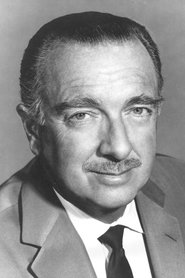 Walter CronkiteSelf (archive footage)
 Bianca JaggerSelf (archive footage)
 Nile RodgersSelf
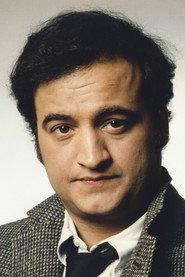 John BelushiSelf (archive footage)
Directing
- Matt TyrnauerDirector
Writing
- Matt TyrnauerAuthor
Production
- Alison SchnappAssociate Producer
- Andrea LewisCo-Producer
- Graham HighCo-Producer
- Noreen O'TooleCo-Producer
- Troy BenjaminCo-Producer
- Elaine Frontain BryantExecutive Producer
- Molly ThompsonExecutive Producer
- Corey ReeserProducer
- John BattsekProducer
- Matt TyrnauerProducer
- George ChignellProduction Executive
- Nicole StottProduction Executive
- Rob SharenowProduction Executive