
Film
The Last Cruise
- Found-footage horror
- Very dark
A 40-minute documentary assembled from passenger footage aboard the Diamond Princess cruise ship during the early COVID-19 outbreak. Intimate, claustrophobic, and urgently told, it captures the confusion and fear of people trapped on a floating vessel as a pandemic unfolds in real time. Essential viewing about a specific disaster that became a symbol of institutional failure.
If you liked this
The Social Dilemma2020
Examines how systems designed for profit create cascading crises. Like The Last Cruise, it uses accessible storytelling to interrogate institutional blindness and the human cost of prioritizing commerce over safety.
But Feels preachy in places, and some of the dramatized sequences undercut rather than strengthen the argument.
Midnight in Paris2011
A masterclass in using ordinary people's voices to build intimate, resonant stories. The handheld, conversational tone mirrors how The Last Cruise makes a vast crisis personal through individual testimony.
But It's a fantasy romance, not a documentary—if you need the weight of real events, this lightness might feel like a dodge.
Greed2019
Charts institutional failure and corporate indifference with surgical precision. Both films argue that systems prioritize money over human life, and both make that argument through the suffering of ordinary people trapped by those systems.
But It's a proper drama, not a docuseries, which some viewers feel is less 'real' than footage and interviews.
Not sure tonight? Get a pick in a minute, starting from The Last Cruise
The wildcard
Something you would not have found on your own.
The Poseidon Adventure1972
Both are contained disasters that expose institutional failure and human vulnerability aboard a vessel. One is tragedy, one is entertainment, but they excavate the same psychological terrain: what happens when systems fail and people have nowhere to go.
A disaster film where ordinary passengers aboard a ship face a catastrophic crisis. It explores the same space—confinement, bureaucracy, survival—but as fiction and spectacle, letting you experience the emotional architecture without the real trauma.
But Wildly dated production design and camp sensibility will feel trivial to viewers who want gravity and contemporary relevance.
More like this (8)
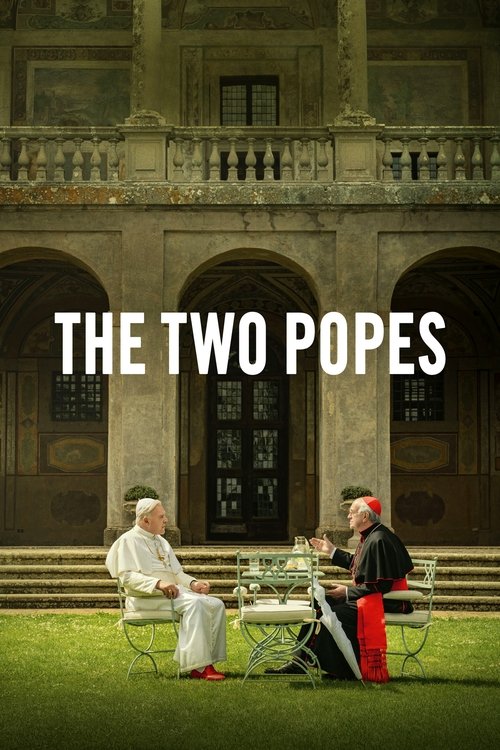
The Two Popes2019
Uses intimate conversations between two men to explore institutional crisis and moral reckoning. The quiet intensity and focus on dialogue over spectacle echoes The Last Cruise's approach.
But Slow-paced and dialogue-heavy; if you want action or visual spectacle, you won't find it.
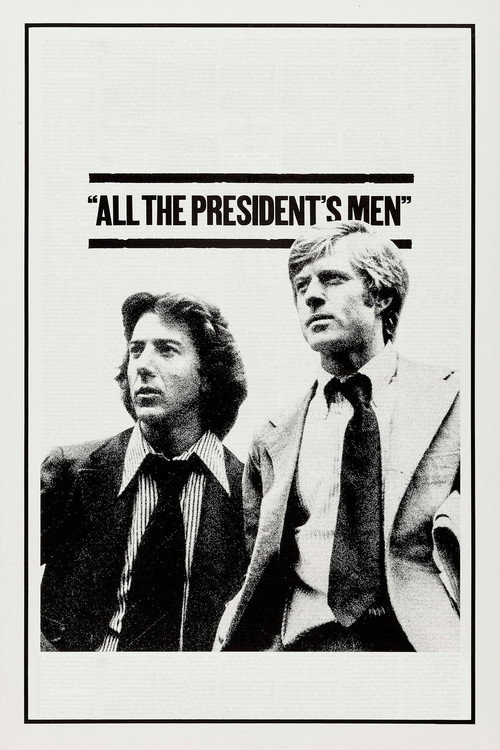
All the President's Men1976
A procedural about uncovering institutional malfeasance through testimony and evidence. It shares The Last Cruise's DNA: ordinary people discovering that those in charge failed them, with documentary-like precision.
But Set in the 1970s and predates modern filmmaking styles; the pace and aesthetic will feel dated to some.
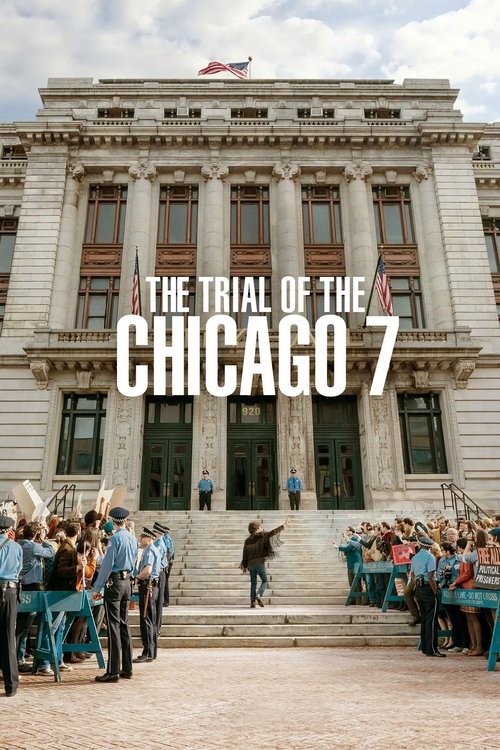
The Trial of the Chicago 72020
Reconstructs chaos and institutional failure through testimony, dramatization, and archival material. It captures the same sense of people caught in systems that aren't equipped to protect them.
But Dramatized rather than documentary, which softens the immediacy of real footage and feels more like a legal thriller than a record of events.
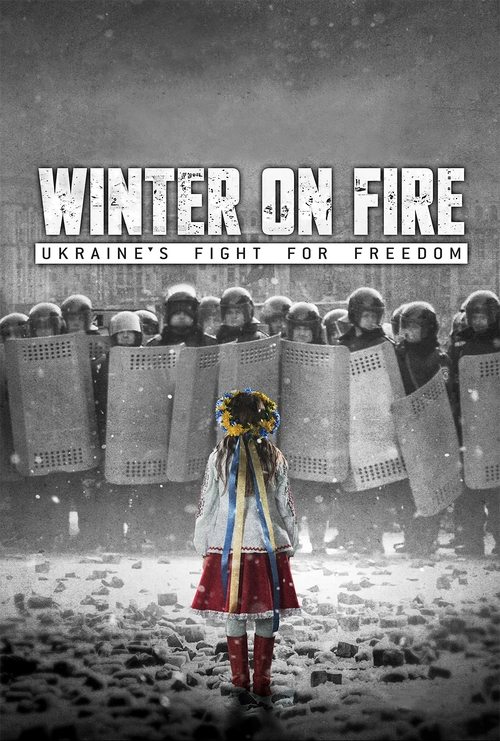
Winter on Fire: Ukraine's Fight for Freedom2015
Uses on-the-ground footage to document a crisis in real time, prioritizing witnesses' voices over narrative. The same visceral, unmediated approach as The Last Cruise: you are there, as it happens.
But Politically charged and demanding; if you want something lighter or more detached, this isn't it.
Spotlight2015
Methodically reveals institutional failure and complicity through interviews and investigation. Like The Last Cruise, it argues that systems protect themselves at the expense of the vulnerable.
But The procedural format is deliberate but slow; some find the step-by-step reporting tedious.

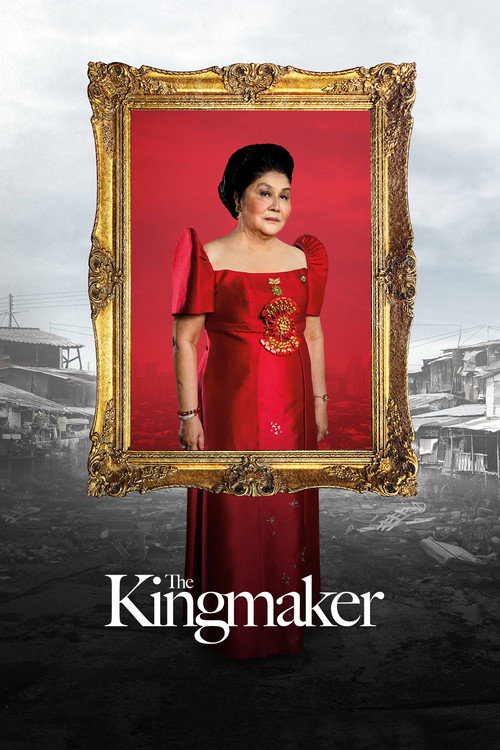
The Kingmaker2019
A documentary that uses archival footage and interviews to examine how institutional power operates. Shares The Last Cruise's interest in how crises expose what institutions value and who they abandon.
But Requires patience with its non-linear structure, and assumes some knowledge of Philippine politics that international viewers may lack.
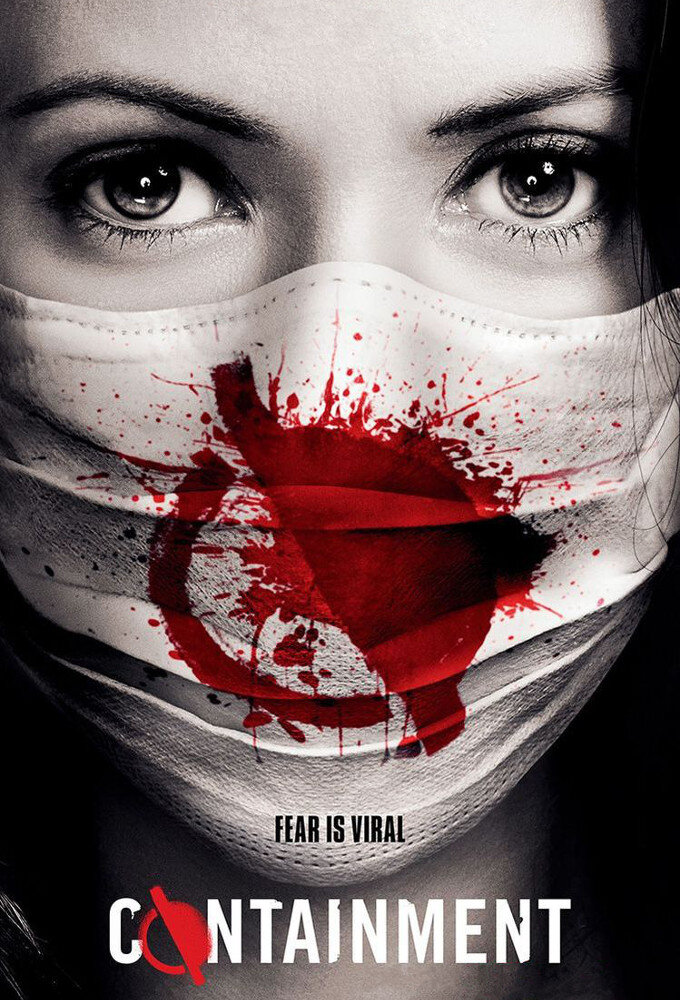
Containment2016
Both explore confinement during a health crisis through the eyes of trapped civilians. The Last Cruise is what actually happened; Containment is what catastrophe *feels* like from the inside, with none of the comfort of narrative resolution.
A TV series about a city under quarantine during a plague outbreak, told through fragmented narratives and intimate perspectives. It models how to sustain the tension and claustrophobia of The Last Cruise across multiple episodes, deepening the psychological spiral.
But Fictional and pulpy; if you prefer documentary truth, the heightened drama and melodrama will feel exploitative.
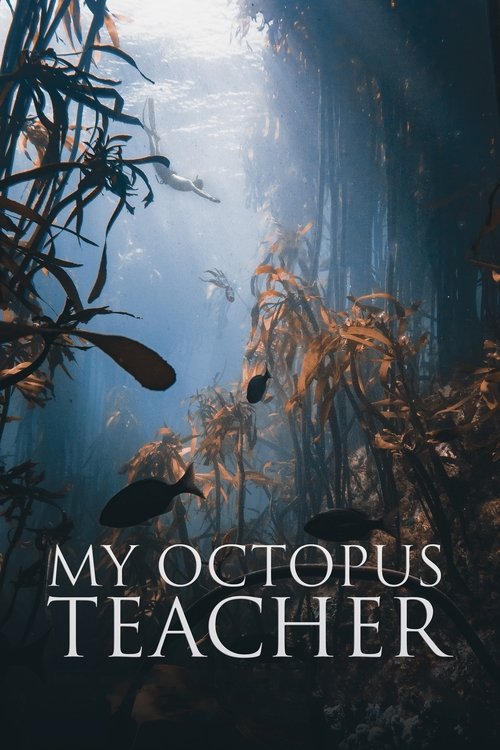
My Octopus Teacher2020
Both are short documentaries constructed from intimate footage—one shot by passengers documenting disaster, one shot by a filmmaker documenting beauty. They prove that the documentary form's power lies not in length or scale but in close attention to what's actually there.
A quietly profound documentary about a man's intimate observation of a single creature over time. It shares The Last Cruise's commitment to patient, observational storytelling and the power of footage as testimony—but here, instead of catastrophe, you're watching wonder emerge from attention.
But Meditative and slow; if you need narrative momentum or dramatic stakes, this will feel deliberately anticlimactic.
People
Cast
- Rebecca FrasureSelf
- Kent FrasureSelf
- Cheryl MoleskySelf
- Paul MoleskySelf
Directing
- Hannah OlsonDirector
Production
- Lisa HellerExecutive Producer
- Nancy AbrahamExecutive Producer
- Hannah OlsonProducer
- James A. SmithProducer
- Joe BeshenkovskyProducer
- Shane BorisProducer