
Film
Oh, God!
A cheerful 1977 fantasy-comedy where God recruits a bemused supermarket manager to spread the word in the modern age. It's a spiritual chat movie disguised as light entertainment—warm, funny, and genuinely sweet without being preachy. Perfect for anyone who enjoys their faith with a wink and a smile.
If you liked this
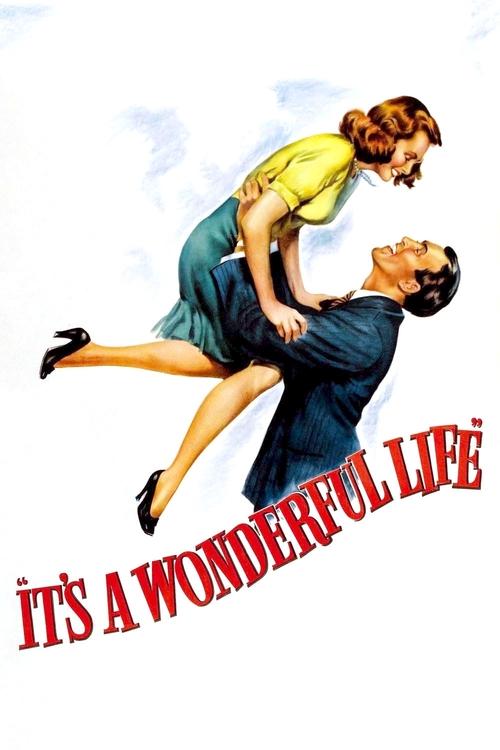
It's a Wonderful Life1946
A guardian angel shows a man what his town would be like without him. Like Oh, God!, it's about one person discovering their life matters far more than they knew, wrapped in earned sentiment and genuine magic.
But The sentimentality can feel heavy now, and it's become so culturally embedded that surprise is impossible.
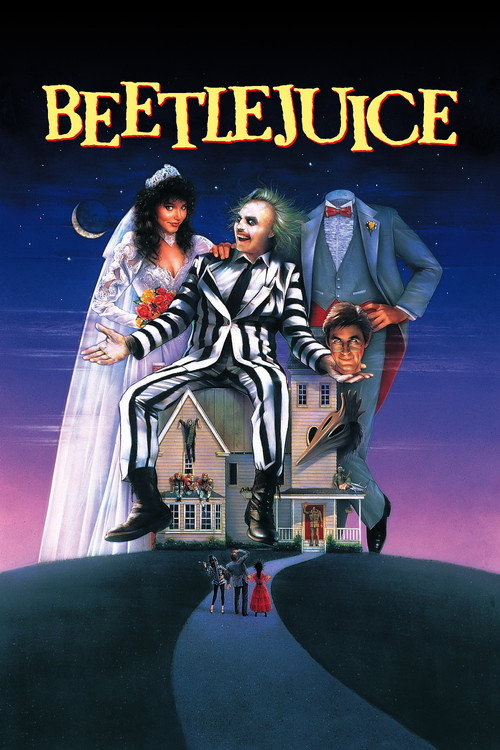
Beetlejuice1988
A mischievous spirit helps the recently dead navigate the afterlife with the same anarchic warmth and casting charm. Tim Burton's anarchic tone matches the film's refusal to take the supernatural seriously.
But Aggressively 80s, and the plot becomes genuinely messy in the third act. Rewatchability matters more than narrative coherence.
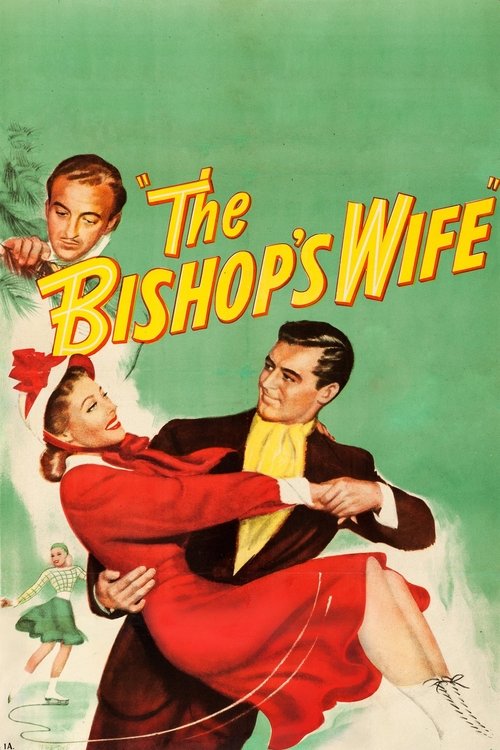
The Bishop's Wife1947
An angel descends to help a bishop reclaim what matters most. Period-perfect sophistication with the same theme: divinity showing up to remind us what we've forgotten about being human.
But Utterly of its time. The gender politics are dated, and the pacing assumes audiences happy to sit quietly with romantic subtext.
Not sure tonight? Get a pick in a minute, starting from Oh, God!
The wildcard
Something you would not have found on your own.
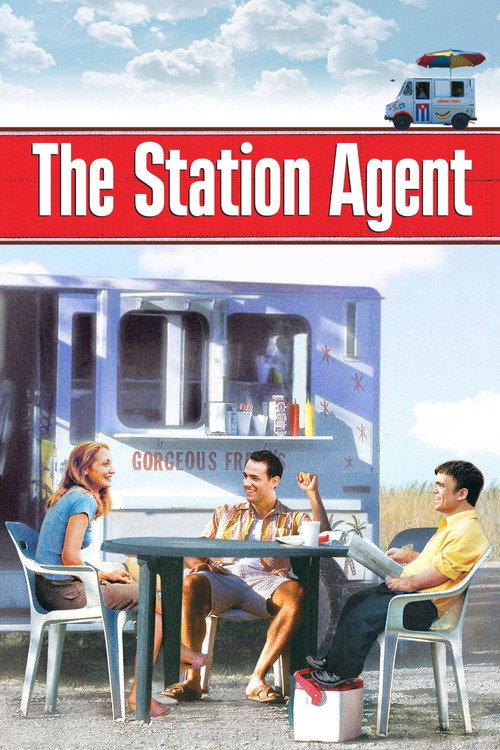
The Station Agent2003
Both films trust that the point of life is recognizing you matter to someone else. The magic is in noticing.
A lonely railroad enthusiast befriends an out-of-work actor and a young woman in a small town. Like Oh, God!, it's about isolation cured by unexpected connection and the grace of genuine human attention—but it's quiet, observational, and ache-in-your-chest tender rather than fantastical.
But Nothing happens. No plot momentum, no conflict resolution, no cosmic framework. It's about three people learning to exist together, which some find profound and others find boring.
More like this (8)
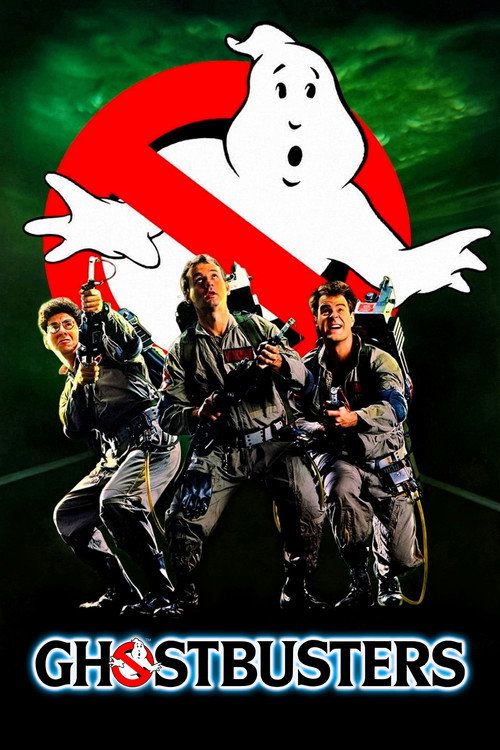
Ghostbusters1984
Four ordinary men face the supernatural New York style. Shares Oh, God!'s belief that comedy and the metaphysical work best when grounded in genuine character warmth rather than winking irony.
But It's been quoted to death. The novelty of the premise is gone, and some comedic timing feels slower than modern comedy allows.
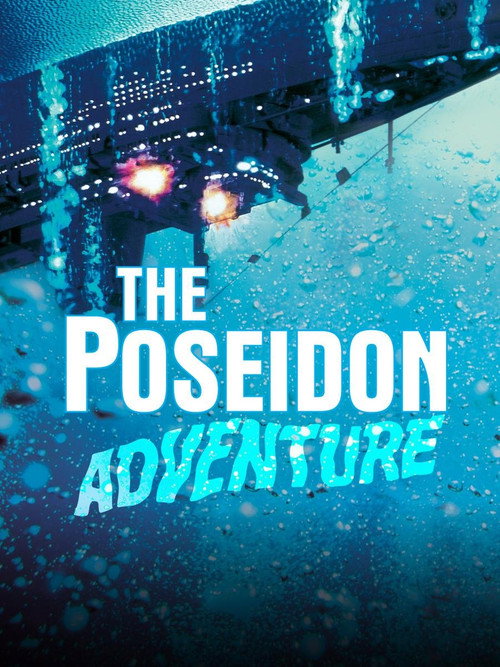
The Poseidon Adventure1972
An all-star ensemble cast faces disaster on a ship. That same '70s sincerity about ordinary people confronting the impossible—moral and literal stakes without cynicism.
But The disaster-film template can feel predictable now, and the ensemble juggling dilutes individual moments. Some effects look very period.
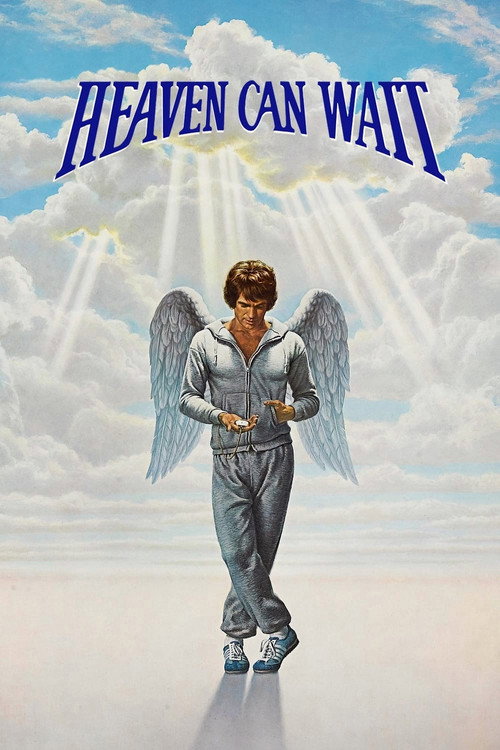
Heaven Can Wait1978
A quarterback gets sent to Earth early by a heavenly mix-up. Released just a year after Oh, God!, it's another '70s meditation on whether the afterlife gives us what we need to value this life.
But Warren Beatty's vanity project doesn't always hide its seams. The romance overshadows the spiritual inquiry that makes the premise interesting.
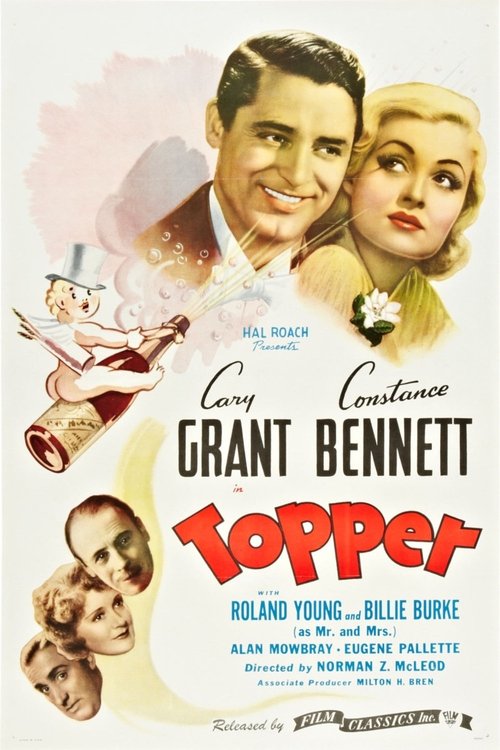
Topper1937
A stuffy man is haunted by wealthy ghosts who teach him to live. The original template for comedy spirits improving the living—sophisticated, inventive, and genuinely funny without explaining the magic.
But The pacing is brisk to the point of confusion, and the plot mechanics require you to stop thinking halfway through. Black-and-white and very Old Hollywood.
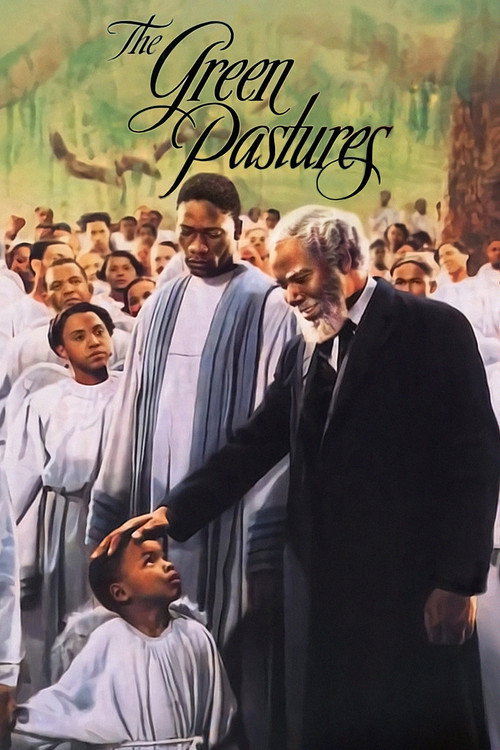
The Green Pastures1936
An all-Black cast reimagines Biblical stories as lived by their characters. A radical act in 1930, and surprisingly moving in its refusal to make divinity distant or judgmental.
But Filmed in the early sound era with severe technical limitations. Some dialect choices feel uncomfortable to modern ears, though the film is respectful at heart.
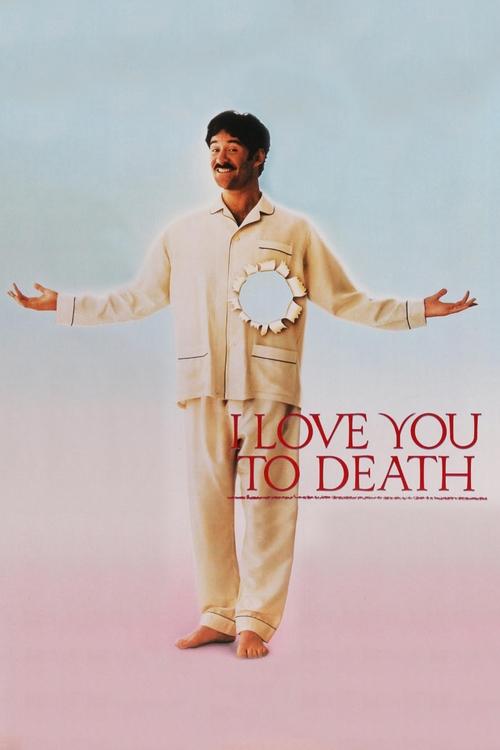
I Love You to Death1990
A small-town woman plots to murder her unfaithful husband with darkly absurdist results. Shares Oh, God!'s faith in the oddball decency of ordinary people when the chips are down.
But Tonally scattered and the plot's actual darkness undercuts the comedy. It wants to be both tragedy and farce and succeeds at neither completely.
Tokyo Story1953
Both suggest the divine appears not in miracles but in presence—being with people, noticing them, accepting what is.
An elderly couple visits their son's family in Tokyo in the aftermath of the war. It's a spiritual film—unhurried, observing how small moments contain everything that matters—and it has the same gentle certainty that God (or grace, or love) shows up in daily life.
But Ozu's style requires patience. It moves at its own pace, scenes hold longer than you expect, and Western audiences often find it glacial. It's not interested in entertainment.

Synecdoche, New York2008
Both are about mortality presented as the central fact of living, and both suggest that acknowledging it—with humor or with dread—is the only honest response.
A theater director constructs a replica of New York inside a warehouse to process grief and mortality. It's a formal exploding-brain opposite of Oh, God!'s light touch, yet asks the same question: how do we live knowing we will die? How do we make meaning?
But It's deliberately difficult, layered with unreliable narration and formal games. Dense, occasionally pretentious, and leaves you more unsettled than comforted.

People
Cast
 John DenverJerry Landers
 George BurnsGod
 Teri GarrBobbie Landers
 Donald PleasenceDoctor Harmon
 Ralph BellamySam Raven
 William DanielsGeorge Summers
 Barnard HughesJudge Baker
 Paul SorvinoReverend Willie Williams
 Barry SullivanBishop Reardon
 Dinah ShoreDinah Shore
 Jeff CoreyRabbi Silverstone
 George FurthBriggs
Directing
- Robert BirnbaumAssistant Director
- Carl ReinerDirector
- David NicksaySecond Assistant Director
- Victor HsuSecond Assistant Director
Writing
- Avery CormanNovel
- Larry GelbartScreenplay
Production
- Dianne CrittendenCasting
- Jerry WeintraubProducer
- Howard RoesselUnit Production Manager