
Film
Murder at 1600
A detective and Secret Service agent investigate a murder in the White House during an international crisis. This is 1990s action-thriller comfort food: tight plotting, charismatic leads, and the satisfying pleasure of watching competent people solve a puzzle while things explode around them. For viewers who want plot to drive character, not the other way around.
Should you watch it?
Watch it if you like a glossy, talky political thriller where a hard-bitten cop and a sceptical federal agent trade barbs while the paranoia keeps tightening around the building itself.
Skip it if you want a lean, grounded procedural, because this is a loud studio thriller that trades plausibility for glossy set pieces and some stiff, overheated dialogue.
What it asks of you: At 107 minutes it moves briskly and rarely pauses, so the conspiracy unspools quickly and asks for steady, undistracted attention from start to finish.
Not sure? Find tonight's pick in a minute.
If you liked this
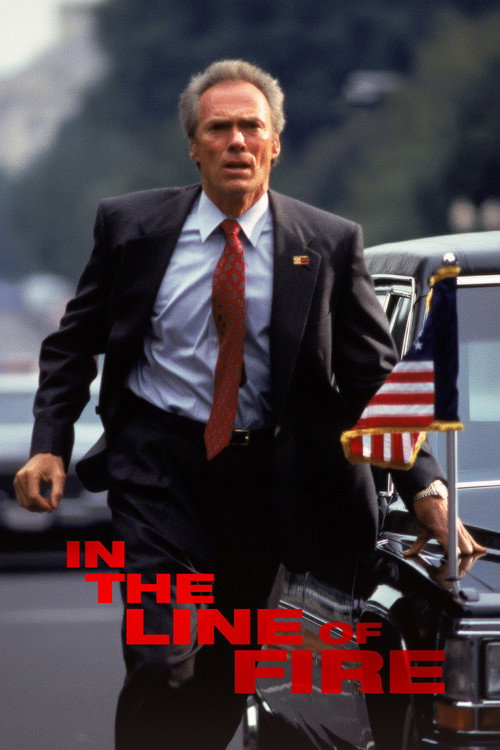
In the Line of Fire1993
Clint Eastwood as a Secret Service agent protecting a president from an assassin. Same institutional setting, same high-stakes cat-and-mouse game, but with the paranoia and moral weight that made early-90s thrillers sing.
But Eastwood's film moves slower than Murder at 1600, and trades action set-pieces for psychological tension. If you need constant movement, this will feel deliberate.
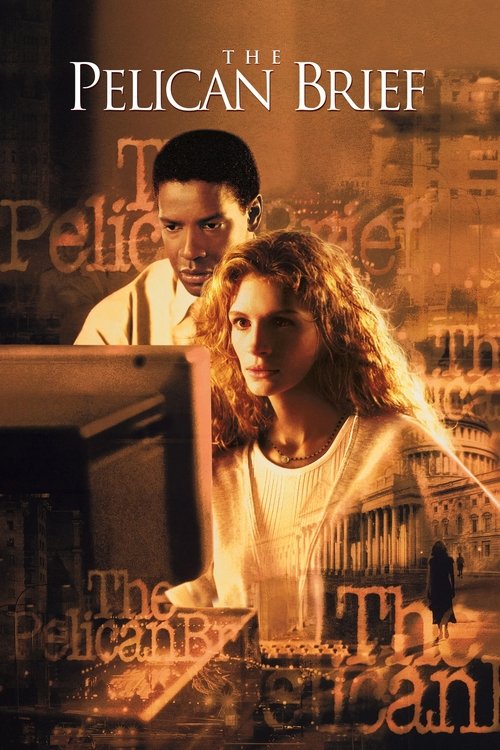
The Pelican Brief1993
Julia Roberts and Denzel Washington uncover a conspiracy that reaches the highest levels of government. Same DNA: ordinary people suddenly entangled in political machinery, forced to trust each other to survive. Excellent plotting.
But It's a legal thriller first and an action film second. Long stretches are people talking in rooms about constitutional law, which is the point but not everyone's entertainment.
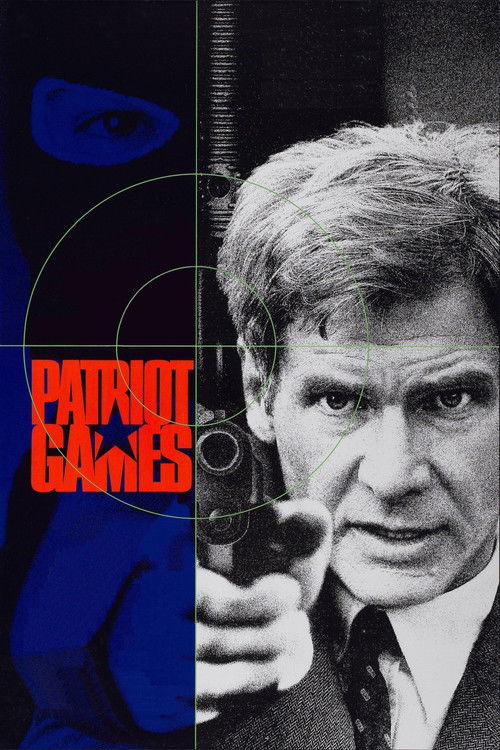
Patriot Games1992
Harrison Ford as Jack Ryan, drawn into a terrorist conspiracy when his family is targeted. The same propulsive energy: a smart protagonist, escalating stakes, and the pleasure of watching someone navigate institutional resistance while staying one step ahead.
But The villain's motivation is thinner than the plot deserves. You're watching for Ford and momentum, not depth of antagonist.
Not sure tonight? Get a pick in a minute, starting from Murder at 1600
The wildcard
Something you would not have found on your own.
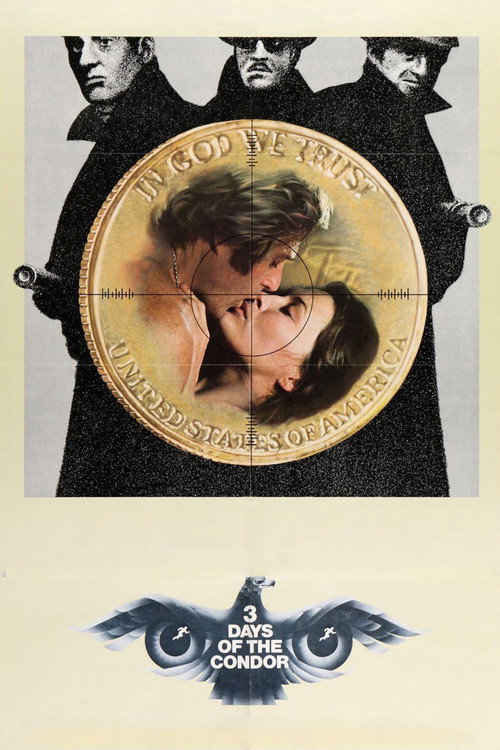
Three Days of the Condor1975
Both use institutional conspiracy as the engine, and both work because they make the audience understand the protagonist's isolation from within the system they trusted.
Robert Redford as a CIA analyst hunted by his own organization after witnessing a conspiracy. This is the 70s thriller that established the template: ordinary competent man, institutional paranoia, forced partnership with someone from the other side. Murder at 1600 is essentially a remake of this structure with a White House and better action sequences.
But It's deliberately paced and ambiguous about its ending in ways modern thrillers aren't. If you need clear resolution and constant momentum, the paranoia-over-plot structure will frustrate you.
More like this (8)
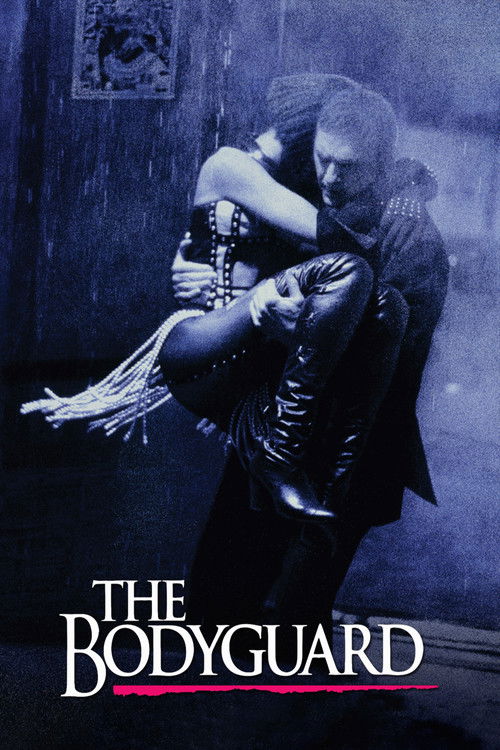
The Bodyguard1992
Kevin Costner and Whitney Houston: a bodyguard protecting a singer from an obsessive stalker. Pure 90s thriller comfort, with strong chemistry between leads and a mystery that actually holds together. If you liked the Regis-Chance dynamic, you'll recognize it here.
But The romance subplot overwhelms the thriller machinery in the final act. Some viewers find that shift satisfying; others find it deflating.
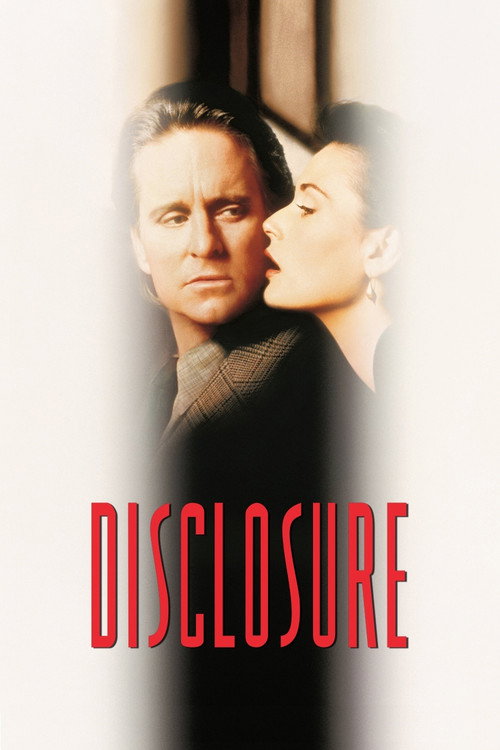
Disclosure1994
Michael Douglas navigates corporate conspiracy and blackmail. Corporate intrigue instead of political, but the same structure: a man fighting institutional power with evidence and cunning, supported by unlikely allies.
But It's aged poorly in its gender politics and sexual harassment framing. The context matters, and it's uncomfortable now in ways that undermine the thriller.
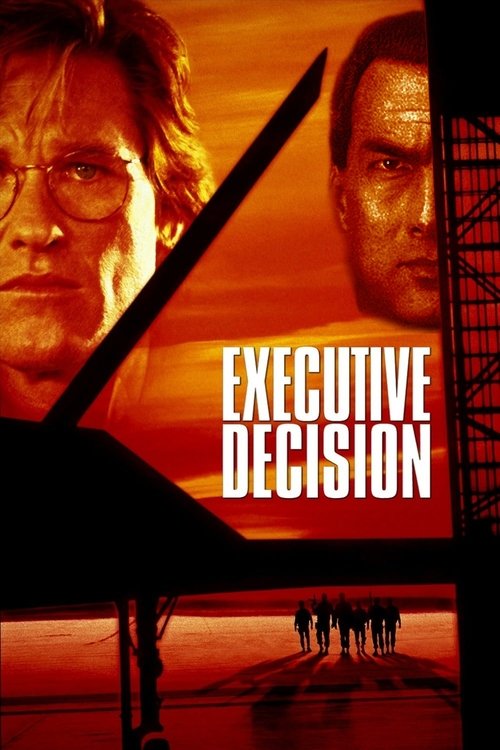
Executive Decision1996
Kurt Russell and Steven Seagal on a hijacked plane during a hostage crisis. Pure mechanics: problem, solution, complication, repeat. It's what 90s action cinema did best—smart people solving problems under pressure without slowing down for character development.
But There's barely a character moment in it. If you need emotional stakes beyond 'will they survive the next ten minutes,' you'll feel shortchanged.
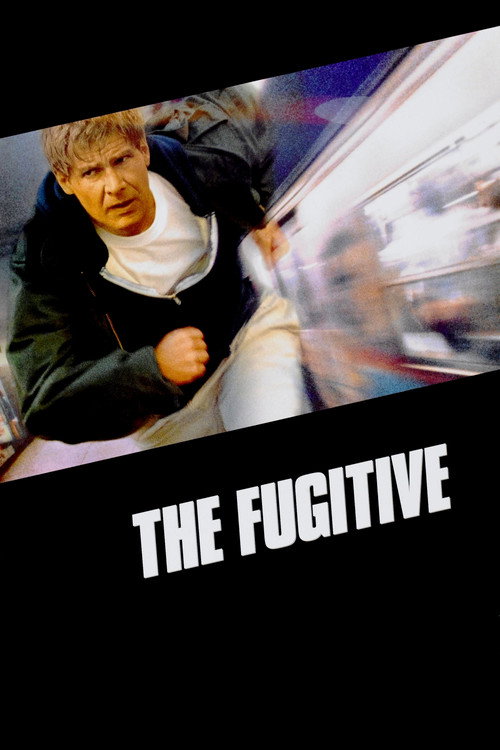
The Fugitive1993
Harrison Ford hunted for a crime he didn't commit; Tommy Lee Jones hunting him. A manhunt with perfect pacing, excellent supporting cast, and that same cooperative-antagonist energy when they finally trust each other. The template for this whole genre.
But Everyone knows the ending and the major plot turns. Rewatching for atmosphere only works if you loved it the first time.
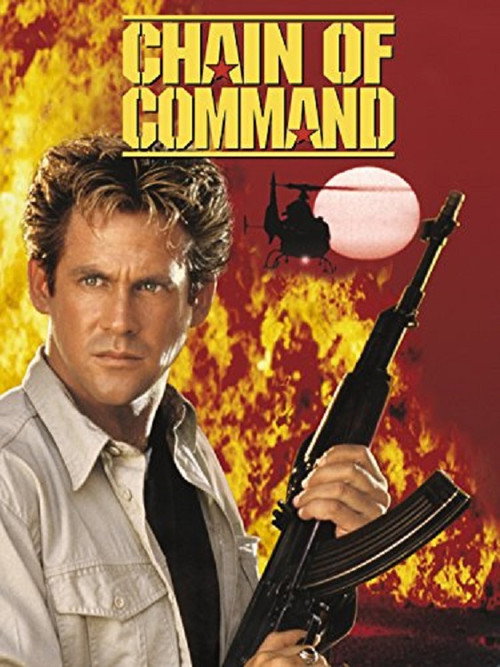
Chain of Command1994
Michael Biehn as a soldier navigating military hierarchy and cover-ups. Lower budget and less famous, but the same DNA: institutional resistance, a protagonist forced to operate outside the system, and competence as the primary character trait.
But The budget shows. Action sequences lack polish, and the supporting cast isn't as sharp. It's the movie where you feel the constraints.
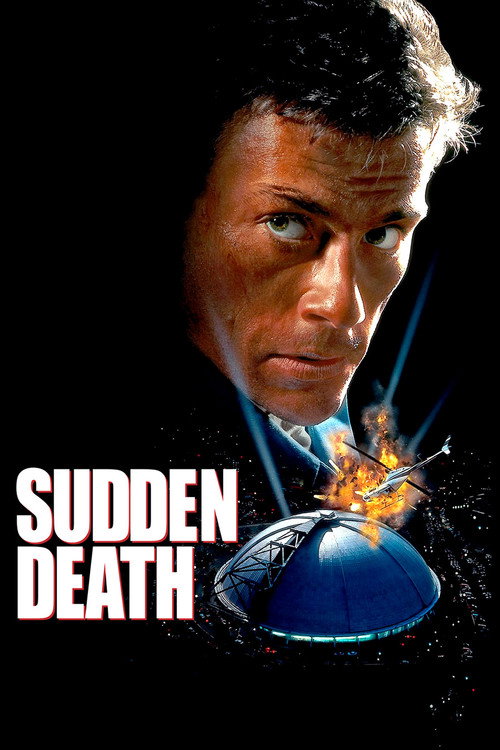
Sudden Death1995
Jean-Claude Van Damme at a hockey arena during a hostage crisis. Gloriously silly premise executed with Van Damme's physical commitment. If Murder at 1600 scratched an itch, this scratches a different one with enthusiasm and no apologies.
But It's a Van Damme action film from 1995. If you need actors to convey complex emotion through dialogue, you're not going to find it here.
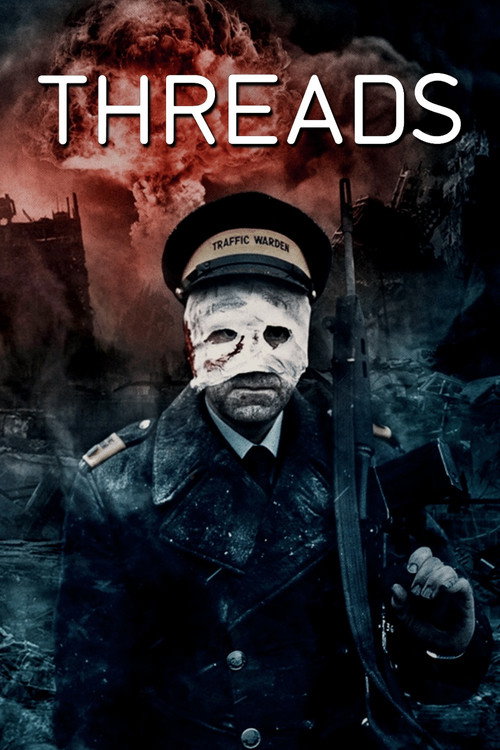
Threads1984
Both are fundamentally about how institutions fail individuals, and how those individuals respond when they realize the system is corrupt from the top. One is a thriller, one is a tragedy; same tragic structure.
A British nuclear war drama that plays like a thriller: methodical, procedural, following ordinary people through extraordinary institutional failure. The same DNA as Murder at 1600—watching competent people try to navigate systems that have already failed them—but applied to apocalyptic weight instead of action-movie stakes.
But It's bleak in a way designed to disturb you. No catharsis, no heroes winning, just institutional breakdown and human survival. Completely opposite in tone from what you're expecting.
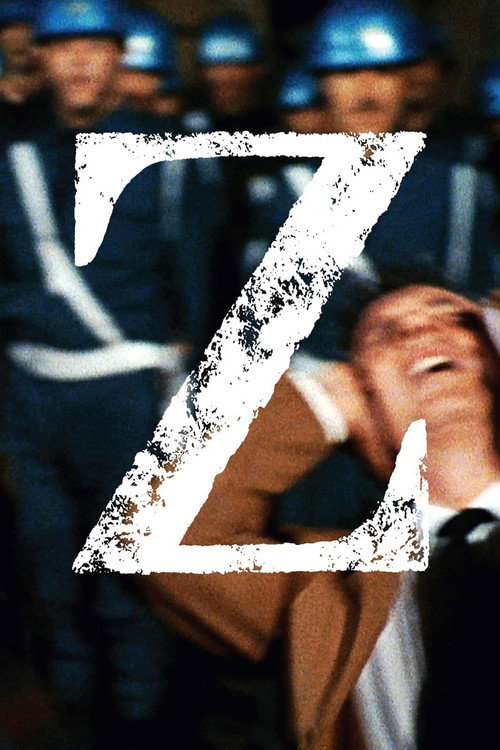
Z1969
Both are about individuals compelled to expose institutional murder at the highest levels. Murder at 1600 is a popcorn thriller; Z proves the same engine can be a serious political statement.
Costa-Gavras' political thriller about a journalist uncovering state assassination in a fictional authoritarian country. Fast-moving, urgently made, with the same procedural satisfaction as Murder at 1600 but made in 1969 with a commitment to political substance that updates your sense of what the genre can do.
But It's in French with subtitles, and the politics are explicit rather than background. If you watch thrillers to escape rather than think, the message will feel heavy-handed.
People
Cast
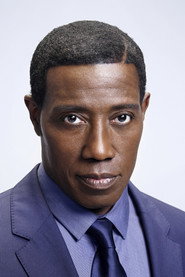 Wesley SnipesDetective Harlan Regis
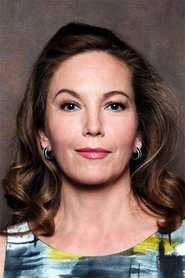 Diane LaneAgent Nina Chance
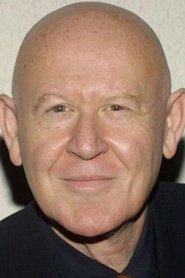 Daniel BenzaliAgent Nick Spikings
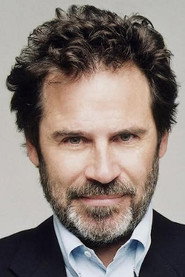 Dennis MillerDetective Steve Stengel
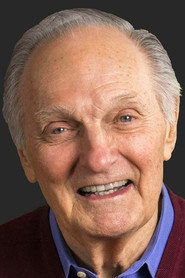 Alan AldaJordan
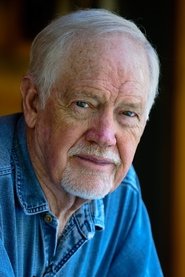 Ronny CoxPresident Jack Neil
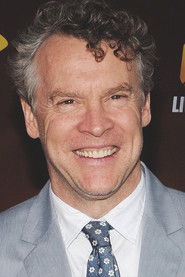 Tate DonovanKyle Neil
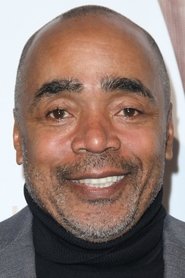 Tom WrightCooper
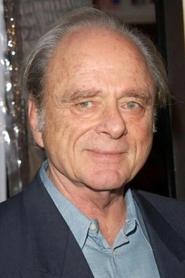 Harris YulinGeneral Clark Tully
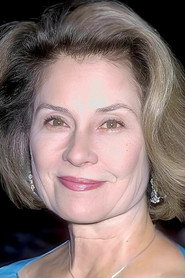 Diane BakerKitty Neil
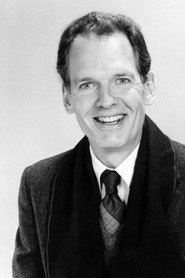 Nicholas PryorPaul Moran
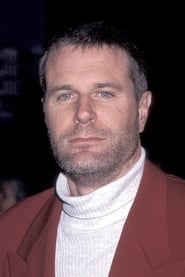 Charles RocketJeffrey
Directing
- Catherine WallaceAssistant Director Trainee
- Dwight H. LittleDirector
- Michael ZenonFirst Assistant Director
- Mimi WolchScript Supervisor
- Bob SchickSecond Assistant Director
- Rick KushSecond Assistant Director
- Jeff J.J. AuthorsSecond Unit Director
- Michael J. McAlisterSecond Unit Director
- Megan BanningSecond Unit First Assistant Director
- Stephen BélangerThird Assistant Director
- Tim SinghThird Assistant Director
Writing
- David HodginScreenplay
- Wayne BeachScreenplay
Production
- Celeste ButtAssistant Location Manager
- Paul KenyonAssistant Location Manager
- Glennis BastienAssistant Production Coordinator
- David EichlerAssociate Producer
- Amanda MackeyCasting
- Cathy Sandrich GelfondCasting
- Elizabeth LangCasting Associate
- Ralph S. SingletonCo-Producer
- Anne KopelsonExecutive Producer
- Michael G. NathansonExecutive Producer
- Stephen Joel BrownExecutive Producer
- Claudia O'HehirExecutive Producer's Assistant
- Meghan Sea TreeseExecutive Producer's Assistant
- C.T. RobertsonFirst Assistant Accountant
- Ross ClydesdaleLocation Casting
- Carol FlaisherLocation Manager
- Dorigen FodeLocation Manager
- Arnold KopelsonProducer
- Arnon MilchanProducer
- Jennifer RoProducer's Assistant
- Terry OstrowProducer's Assistant
- Karen FoutsProduction Accountant
- Lyn Lucibello-BrancatellaProduction Accountant
- Alycia RossiterProduction Assistant
- Angelique PhillipsProduction Assistant
- Dave PrattProduction Assistant
- Dušan KovačevićProduction Assistant
- Erla LankProduction Assistant
- Jae PakProduction Assistant
- Juan MontalvoProduction Assistant
- Laurance WieseProduction Assistant
- Lee SchauerProduction Assistant
- Sarah JamesProduction Coordinator
- Nicholas J. GrayUnit Production Manager
- Ralph S. SingletonUnit Production Manager