
Film
Closet Land
- Political drama
- Crime
- Thriller
- Very dark
A claustrophobic chamber piece set in an unnamed totalitarian state: a children's author endures interrogation by a secret policeman who believes her stories harbour sedition. Ninety-four minutes in one room with Alan Rickman and Madeleine Stowe, a slow-burn psychological duel about power, language, and what we're willing to confess to survive. Punishing and brilliant.
Should you watch it?
Watch it if you respond to tightly staged chamber dramas where everything rides on two performers in one cramped room, and you prefer a cold war of wills to any spectacle.
Skip it if you need propulsion or variety, since this stays in one room with two people and its dread builds through talk and cruelty rather than plot movement, which can feel airless.
What it asks of you: It asks for close, unbroken attention across roughly ninety-four minutes of escalating pressure, with no cutaways to rest your eyes and little warmth to lean on.
Not sure? Find tonight's pick in a minute.
If you liked this
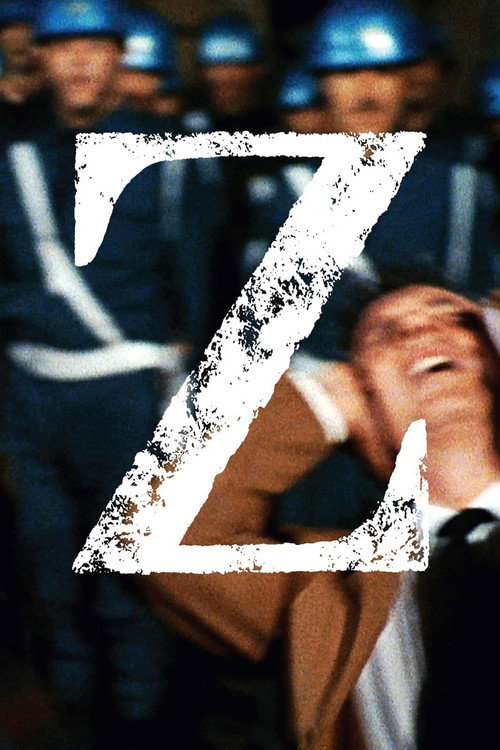
Z1969
Costa-Gavras's masterpiece about political oppression and the machinery of state violence. Like Closet Land, it builds suffocating tension from bureaucratic cruelty and the hunt for a scapegoat. The stakes feel genuinely mortal.
But Shot in a different era with different pacing; some find its political arguments dated. It's also less intimate—a wider canvas than one interrogation room.
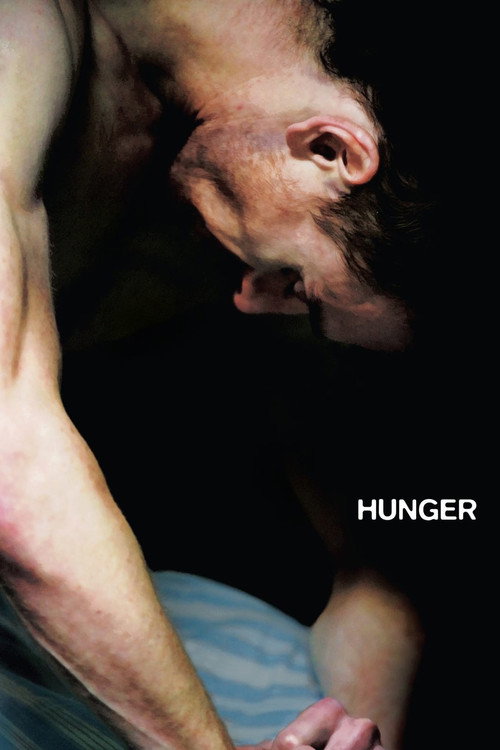
Hunger2008
Steve McQueen's debut about an IRA prisoner's final stand. Two actors, mostly one room, uncompromising examination of ideology meeting flesh and suffering. The same refusal to look away.
But Genuinely difficult to watch. Long static takes of degradation and self-harm; it's austere filmmaking that doesn't court comfort or easy answers.
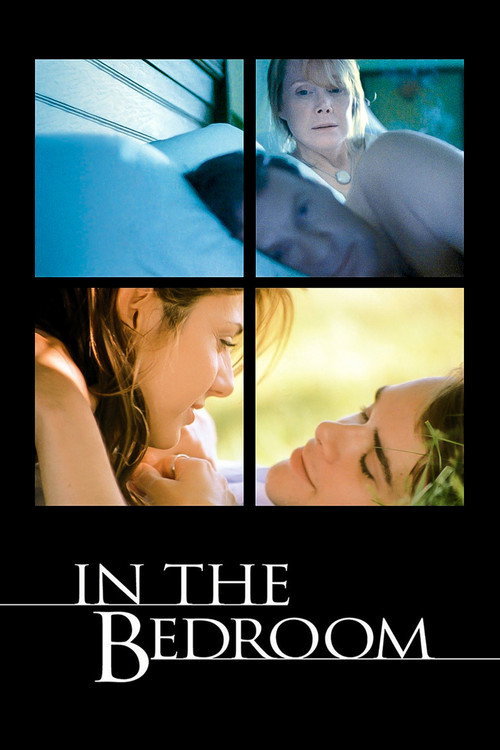
In the Bedroom2001
Todd Field's exploration of rage and restraint after tragedy. Quietest kind of devastating: two people in domestic space containing enormous violence. Sissy Spacek and Tom Wilkinson give performances of heartbreaking economy.
But Nothing happens for long stretches. The pacing is deliberate to the point where it may feel glacial. Emotionally draining without catharsis.
Not sure tonight? Get a pick in a minute, starting from Closet Land
The wildcard
Something you would not have found on your own.
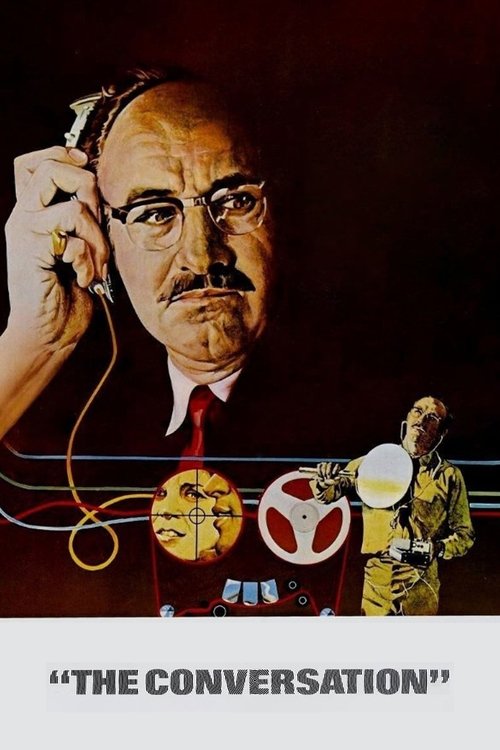
The Conversation1974
Both are about what language reveals and conceals, and how power operates through listening and interpretation. Both feature protagonists who are prisoners of their own knowledge.
Coppola's paranoia masterpiece: a surveillance expert (Gene Hackman) slowly realizes the conversation he's monitoring may lead to murder. Like Closet Land it's about language as weapon, power through information, and a man trapped by what he knows. Haunting architecture of guilt.
But Seventies pacing and aesthetics; the mechanics of surveillance feel quaint now. It's philosophical rather than visceral—if you want psychological torture, this is intellectual dread instead.
More like this (8)
The Lives of Others2006
Stasi surveillance thriller set in East Germany. Interrogation, confession, the slow erosion of certainty about who holds power. Rickman energy but with more plot; the cat-and-mouse is intricate and morally murky.
But Becomes more conventional thriller than psychological chamber piece as it goes. Some find it spreads its focus too wide compared to its premise.
Spotlight2015
Investigative journalism thriller about uncovering institutional corruption. The interrogations here are journalistic rather than state violence, but the same meticulous drawing-out of truth and lies, the same sense that power works through silence.
But Ensemble cast and procedural structure; much less intimate than Closet Land. If you want chamber piece intensity, this diffuses it across Boston and time.

Casino1995
Scorsese's dissection of corruption and control. Not a chamber piece, but the dynamic between De Niro and Sharon Stone mirrors interrogator and victim—two people locked in a power struggle neither can escape. Vicious and hypnotic.
But Violence is constant and casual. Three hours long. Some find the Las Vegas spectacle at odds with the psychological drama, though that's rather the point.
My Son2021
Christian Carion's brutal chamber piece: a father and son's confrontation after a tragedy, mostly in a car and a house. Raw emotional interrogation between two people. Claustrophobic, unresolved, genuinely upsetting.
But Minimalist to the point of monotony for some. The emotional pain never breaks; there's no relief, no structure beyond anguish. Very bleak indeed.
A Prophet2009
Prison thriller about power, manipulation, and survival under surveillance. Like Closet Land it's about a prisoner learning to manipulate language and perception to survive a cage. Tahar Rahim's performance is coiled and intelligent.
But Less about direct interrogation; more sprawling prison narrative. If you want Rickman's sadistic focus and intimacy, this trades it for a broader system of cruelty.

The Killing2011
Danish noir about a murder investigation and the spaces between confession and truth. Methodical, morally grey, driven by interrogation scenes that feel as tense as anything Closet Land offers. Slow-burn excellence.
But Twenty hours to get through. Very much a television commitment. The pacing serves the story but demands patience most won't have.
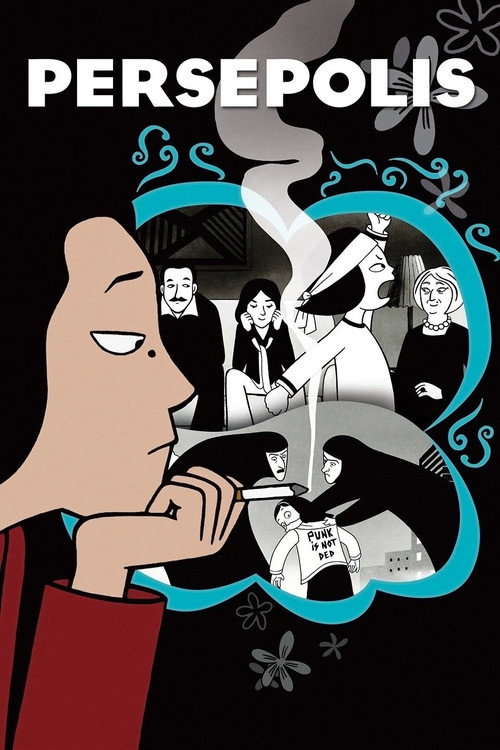
Persepolis2007
Both are about artists under totalitarian scrutiny, but where Closet Land is interrogation, Persepolis is escape narrative. Same threat, opposite response. The medium shift—from live-action chamber piece to graphic memoir—lets you see the same struggle from a wholly different angle.
Marjane Satrapi's animated autobiography of growing up during the Iranian Revolution. It's also about a writer resisting state control, about the gap between official truth and lived reality, about defiance through storytelling. Funny and heartbreaking and urgent.
But Animation may feel too light for the subject. Some dismiss it as a YA entry point to serious politics. It's also formally very different—sprawling, comic, visually inventive rather than austere.
The Act of Killing2012
Both use confined space and performance to expose how people justify atrocity. Both are about language and narrative as armor. But where Closet Land is about the victim's resistance, this is about the perpetrator's psychosis. Opposite side of the same tyranny.
Joshua Oppenheimer's documentary where Indonesian mass murderers re-enact their own killings on film. Interrogation of a different kind: forcing perpetrators to confront themselves through performance. The horror isn't what happened; it's what they've made themselves into.
But Not a fiction. Real violence, real murderers, deeply disturbing. Experimental in structure—three hours, repetitive, hallucinatory, designed to destabilize you as much as it does the subjects. Many find it unwatchable.

People
Cast
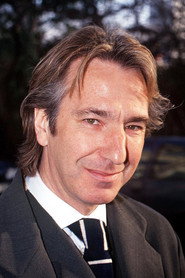 Alan RickmanInterrogator
 Madeleine StoweVictim
Directing
- Radha BharadwajDirector
Writing
- Radha BharadwajWriter
Production
- Brian GrazerExecutive Producer
- Ron HowardExecutive Producer
- Janet MeyersProducer