
Film
Combat Shock
- War drama
- Very dark
Combat Shock is a raw, unflinching descent into the fractured mind of a Vietnam vet fifteen years after the war. Shot on a shoestring in 1980s Brooklyn, it's a horror film that finds terror in domestic despair—damaged infrastructure, addiction, poverty, and the invisible wounds of war. For viewers seeking challenging cinema that doesn't look away from American damage.
If you liked this
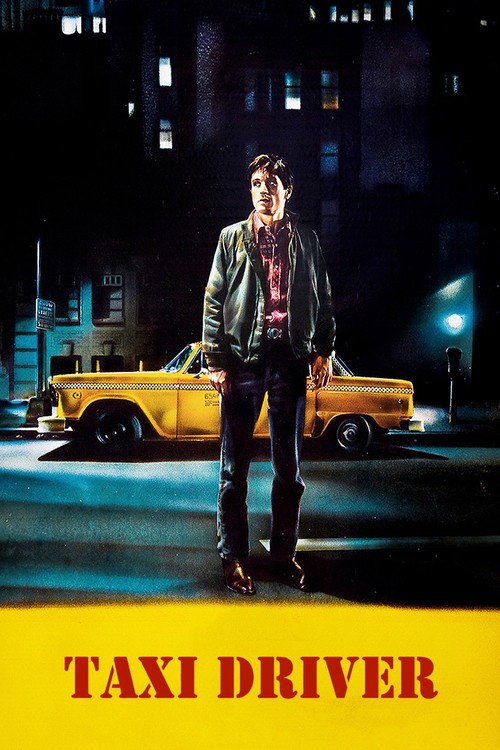
Taxi Driver1976
Scorsese's portrait of a traumatized Vietnam vet adrift in New York City. Like Combat Shock, it's a claustrophobic study of a man spiraling, with the city itself as psychological pressure. Essential viewing.
But The pace is slow and internal rather than conventionally dramatic. Travis Bickle's worldview is deeply unpleasant, and the film doesn't offer easy moral answers.
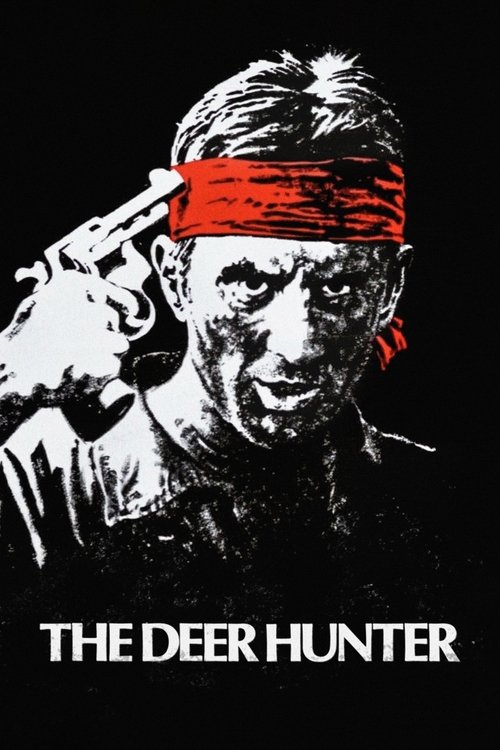
The Deer Hunter1978
An unflinching exploration of Vietnam's devastation on American working-class men. The film holds space for grief and damage without sentiment, and its three-hour scope feels earned. Genuinely moving.
But It's long, repetitive sequences can feel punishing. The Russian roulette scenes are difficult—not exploitative, but not easy viewing either.
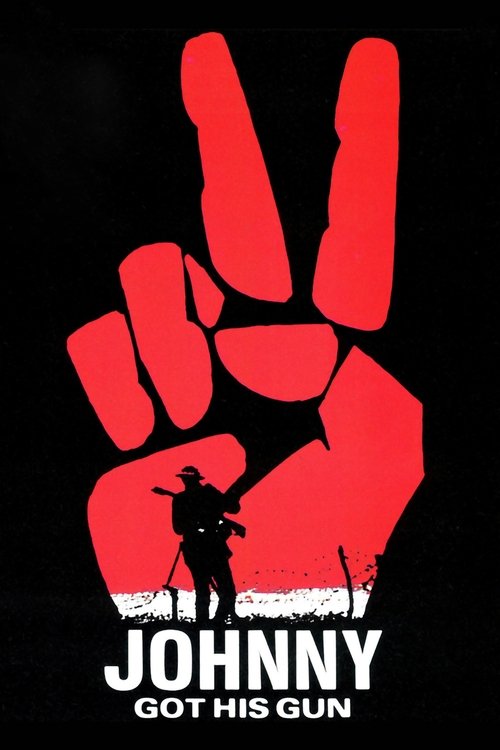
Johnny Got His Gun1971
A terrifying, hallucinatory war film from the perspective of a soldier who has lost almost everything. It shares Combat Shock's anti-war horror and its refusal to mythologize combat or recovery.
But The sensory deprivation sequences are genuinely distressing. Some viewers find Dalton Trumbo's framing polemical rather than dramatic.
Not sure tonight? Get a pick in a minute, starting from Combat Shock
The wildcard
Something you would not have found on your own.
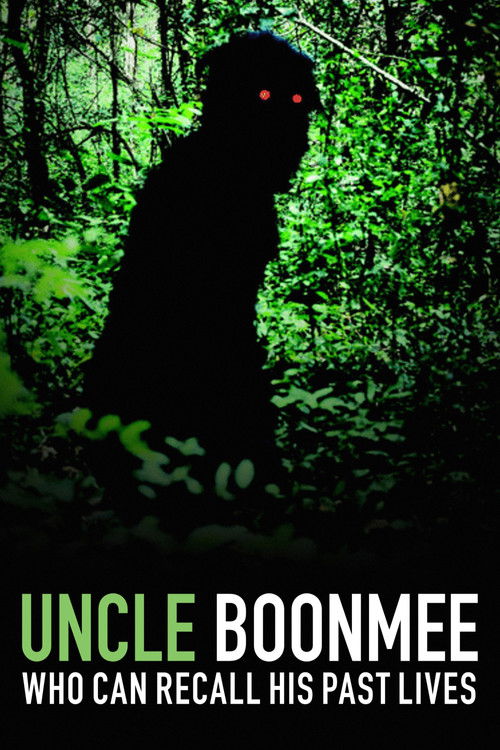
Uncle Boonmee Who Can Recall His Past Lives2010
Both treat trauma and memory as spatial rather than narrative—the past is present in the room. Both distrust chronology and conventional storytelling to describe psychological damage.
Apichatpong Weerasethakul's Thai meditation on death, memory, and time. Formally experimental, almost static—it uses cinema as a space for ghosts and regret. The opposite of Hollywood.
But Nothing happens. The pacing is glacial. There's no plot, no character arc, no conventional drama. Many find it boring rather than contemplative.
More like this (7)
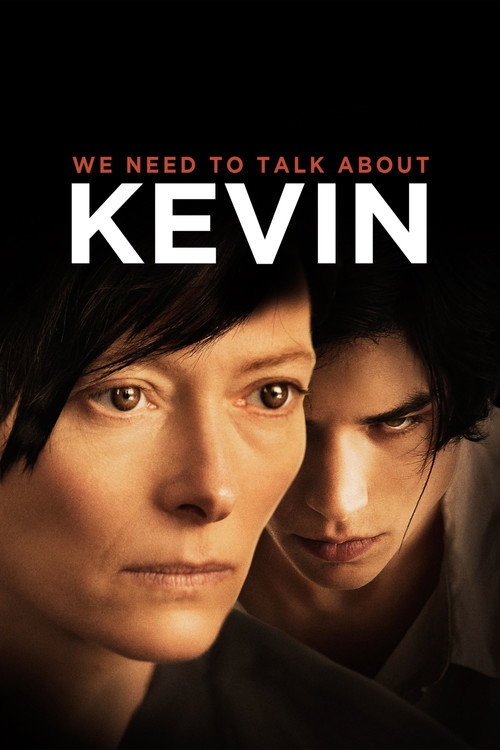
We Need to Talk About Kevin2011
Lynne Ramsay directs this fractured, psychologically brutal portrait of a woman reckoning with catastrophe. Like Combat Shock, it fragments time and sanity, refusing linear narrative comfort.
But It's aggressively non-linear and emotionally exhausting. The subject matter—a mass shooting—makes it feel more like an endurance test than entertainment.
Come and See1985
Elem Klimov's Soviet masterpiece captures the psychological annihilation of war with unforgettable intensity. It shares Combat Shock's commitment to showing damage as damage, not adventure.
But Extremely violent and bleak. It's a film that haunts rather than satisfies. Subtitled, and genuinely difficult to sit through.

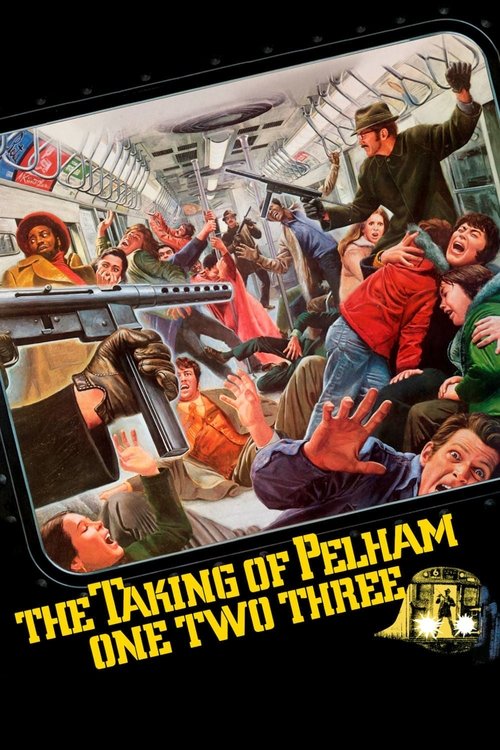
The Taking of Pelham One Two Three1974
A lean, smart New York thriller where the city is a character—grimy, exhausted, dangerous. Captures 1970s urban decay the way Combat Shock does, but through genre mechanics.
But It's a procedural thriller, not psychological drama. If you want introspection over action, this won't deliver it.
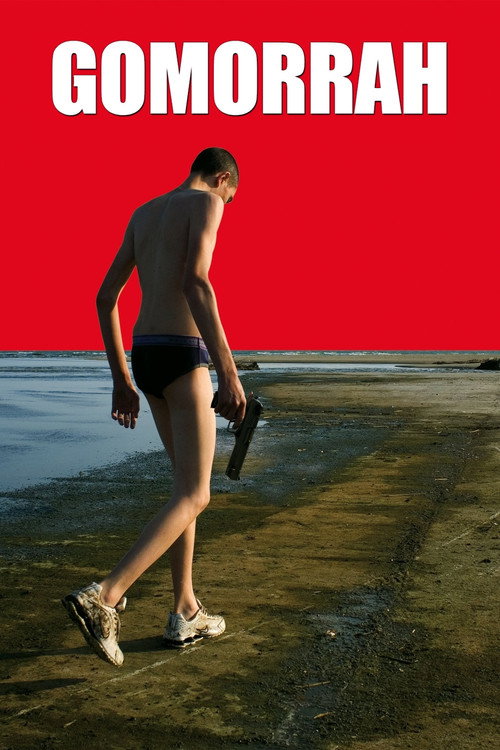
Gomorrah2008
Matteo Garrone's Neapolitan nightmare shows how systemic corruption and poverty warp human beings. Urban decay as a character, moral collapse as inevitable. Unflinching as Combat Shock itself.
But It's bleak, episodic, and offers no heroes. The narrative is deliberately fragmented and the dialogue often mumbled. Not cathartic.
The Wrestler2008
Darren Aronofsky and Mickey Rourke create a portrait of a man whose body and mind are breaking down in real-time. Like Combat Shock, it's tender toward its protagonist even as it shows his collapse.
But Repetitive—we watch the same cycles of pain and temporary relief. Rourke's appearance is intentionally difficult to watch, and some find that manipulative.

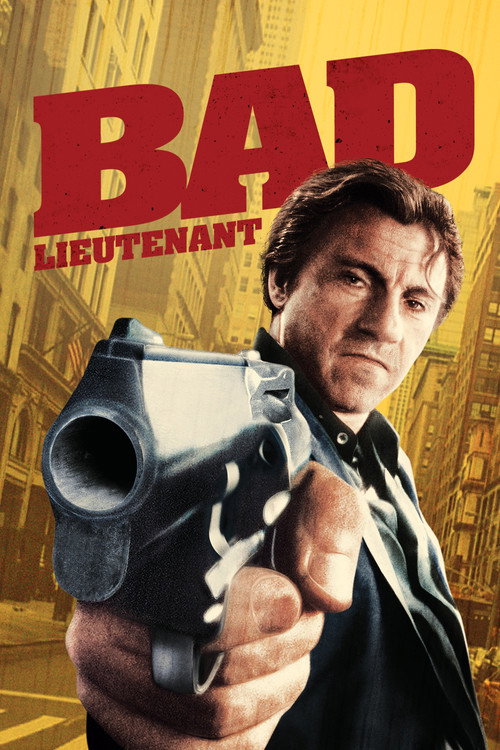
Bad Lieutenant1992
Abel Ferrara's visceral portrait of a morally destroyed New York cop. Raw, handheld, ugly—it shares Combat Shock's aesthetic commitment to showing damage without flinching.
But Nicolas Cage gives an unhinged, commitment-to-excess performance that alienates many viewers. The subject matter is transgressive and the film offers no redemption.
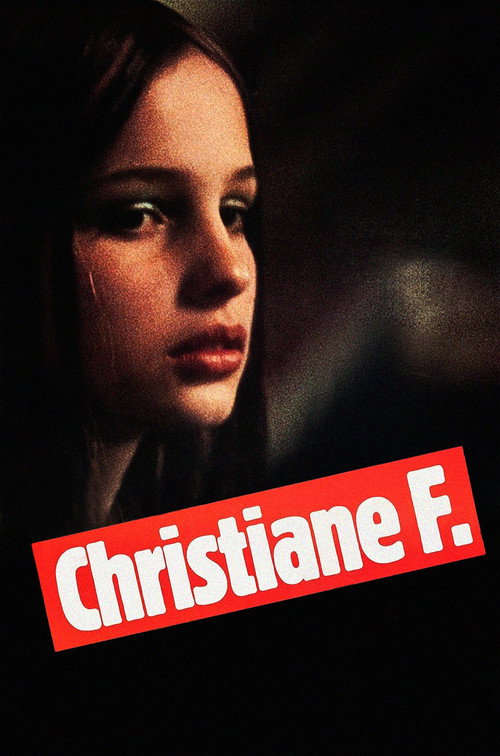
Christiane F.1981
Both are low-budget, geographically specific, 1980s documents of addiction and social collapse. Neither offers hope; both offer witness. Both are formally austere in service of psychological accuracy.
Uli Edel's Berlin document of a 14-year-old heroin addict. Shot like gritty realism, handheld and despairing. It shares Combat Shock's European unsparing-ness and its refusal to aestheticize addiction or poverty.
But The subject is a child's total degradation. It's not exploitative, but it's not kind either. Many viewers find it too bleak to finish.
People
Cast
- Rick GiovinazzoFrankie Dunlan (as Ricky Giovinazzo)
- Veronica StorkCathy Dunlan
- Mitch MaglioPaco - Gang Leader
- Asaph LivniLabo - Gang Member
- Nick NastaMorbe - Gang Member
- Michael TiernoMike - Junkie
- Arthur SaundersPimp
- Lori LabarLead Prostitute / Vietnamese Woman
- Jim CooneyInterogating GI
- Ray PineroWelfare Worker
- Leo LunneyFrankie's Father
 Eddie PepitoneTerry - Strung-Out Junkie (as Ed Pepitone)
Directing
- Buddy GiovinazzoDirector
Writing
- Buddy GiovinazzoWriter
Production
- Jerry GiovinazzoAssociate Producer
- Lori LabarAssociate Producer
- Lloyd KaufmanExecutive Producer
- Michael HerzExecutive Producer
- Buddy GiovinazzoProducer
- Lloyd KaufmanProducer