
Film
Star Wars: Episode II - Attack of the Clones
A sprawling space opera about forbidden love and political intrigue, where a Jedi knight investigates a conspiracy while secretly romancing a senator. It's operatic, visually ambitious, and carries the weight of knowing where Anakin's choices lead. For those who love Star Wars lore and don't mind melodrama with their lightsaber battles.
Should you watch it?
Watch it if you enjoy a space opera that plays like a detective story with lightsabers, and you're happy for its political wrangling and talky romance to share the screen with the action.
Skip it if you need the gleeful pace and tight plotting of the original trilogy, since this one is a long, dialogue-heavy slog with stilted lines and some clunky romance.
What it asks of you: Around two hours and twenty minutes, with a slow, investigative first half that builds toward a busy, large-scale final act; it wants patience before it rewards you with spectacle.
Not sure? Find tonight's pick in a minute.
If you liked this
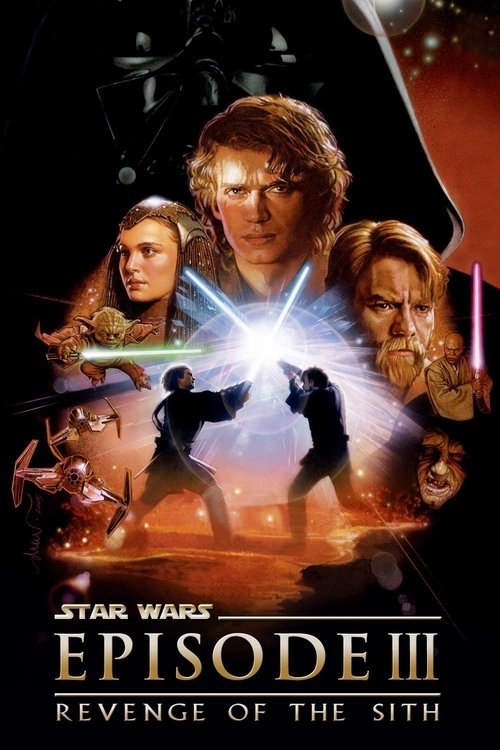
Star Wars: Episode III - Revenge of the Sith2005
The tragic payoff to Anakin's arc. Where Attack of the Clones plants seeds, this one harvests them with genuine emotional force and the best action sequences of the prequel trilogy.
But The acting remains stilted in places, and if you found the previous film's pacing sluggish, this won't fix that entirely.
The Empire Strikes Back1980
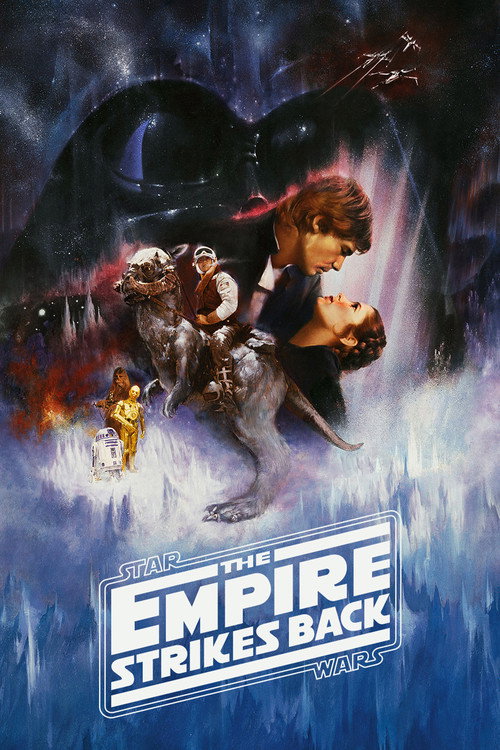
The gold standard for sequels: bigger, darker, and structured around a devastating reversal. Shows what Star Wars looks like when stakes feel genuinely mortal.
But It's very much a middle chapter—nothing is resolved—and the pacing is glacial by modern standards.
Dune2021
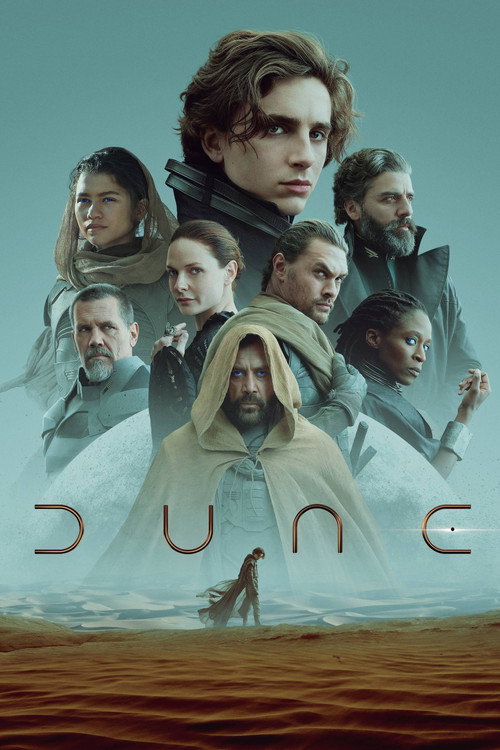
Epic space politics with real weight. A young man trained in a mystical order, forbidden romance, planetary intrigue, and war. Denis Villeneuve does operatic scale without sacrificing coherence.
But At 2h 35m it still leaves you hanging. The second half requires a sequel, and some find the philosophical asides ponderous.
Not sure tonight? Get a pick in a minute, starting from Star Wars: Episode II - Attack of the Clones
The wildcard
Something you would not have found on your own.
Andor2022
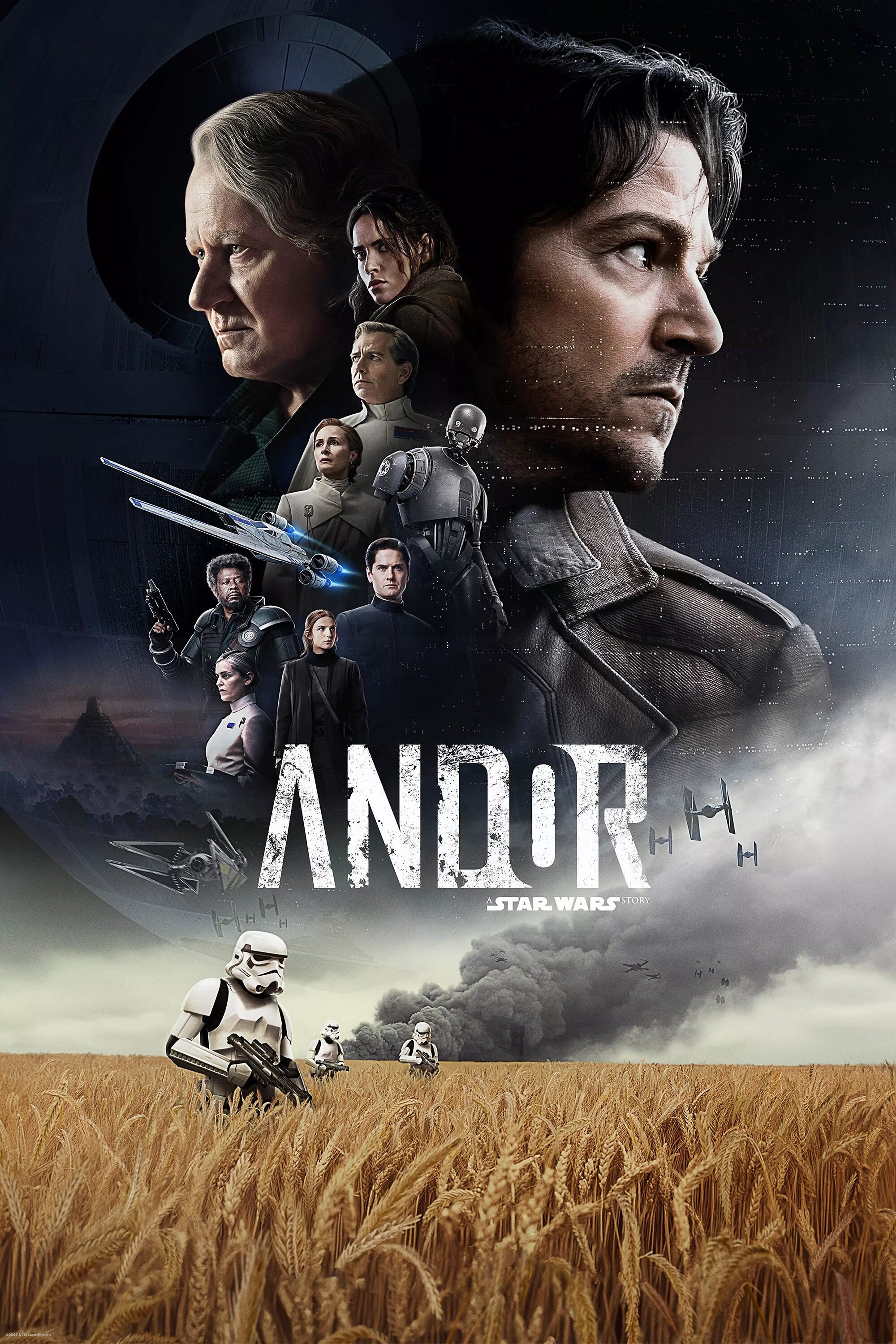
Both films struggle with showing political systems and moral ambiguity; Andor succeeds at exactly what Attack of the Clones reaches for but fumbles—making political intrigue matter.
A Star Wars show that operates like a lean political thriller: no Jedi, no lightsabers, just humans making hard choices under oppression. Treats the universe as real rather than mythical. Every episode earns its runtime.
But Deliberately slow-burn and unglamorous. If you're watching for action and mysticism, this strips all that away and replaces it with bureaucracy and consequence.
More like this (7)
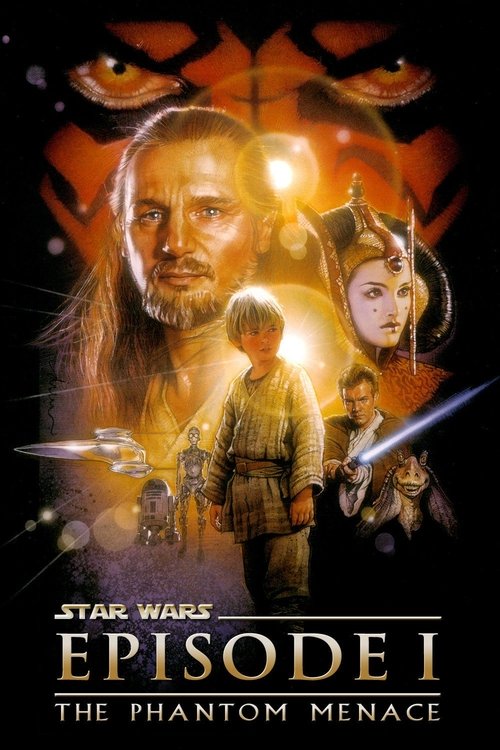
Star Wars: Episode I - The Phantom Menace1999
The trilogy's beginning, and genuinely visually imaginative. Liam Neeson carries the film, and Darth Maul's fight remains one of cinema's most electrifying sequences.
But Jar Jar Binks, wooden child acting, and a plot that revolves entirely around taxes and trade disputes. Also, it's a slog between action scenes.
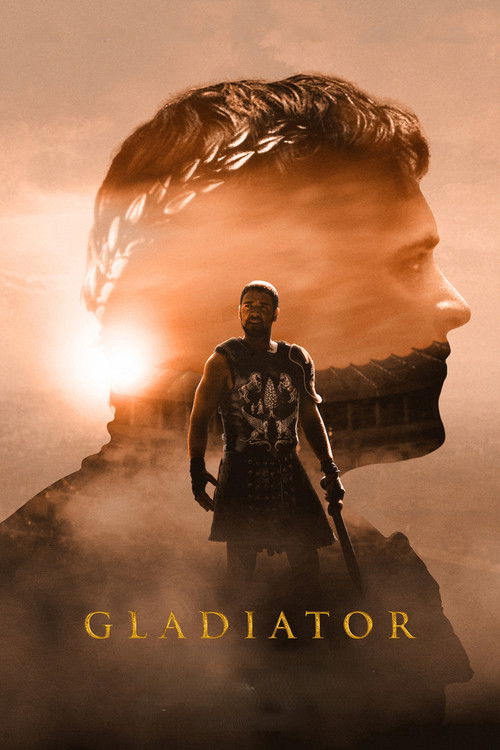
Gladiator2000
Epic in scope and ambition with a charismatic lead caught between duty and personal vengeance. Ridley Scott's action filmmaking is visceral and clear, the political scheming genuinely tense.
But Three hours long, and the romantic subplot is thin. Some CGI hasn't aged well, and the pacing dips in the middle.
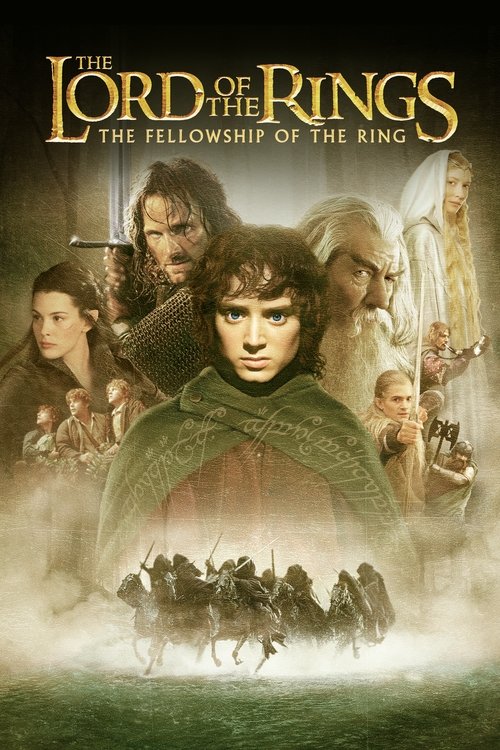
The Lord of the Rings: The Fellowship of the Ring2001
A fantasy epic that earns its runtime through world-building, humor, and genuine stakes. Peter Jackson balances spectacle with character, and the ensemble cast is perfect throughout.
But Nearly three hours, and the pacing is deliberate. If you want quicker gratification, this demands patience and investment.
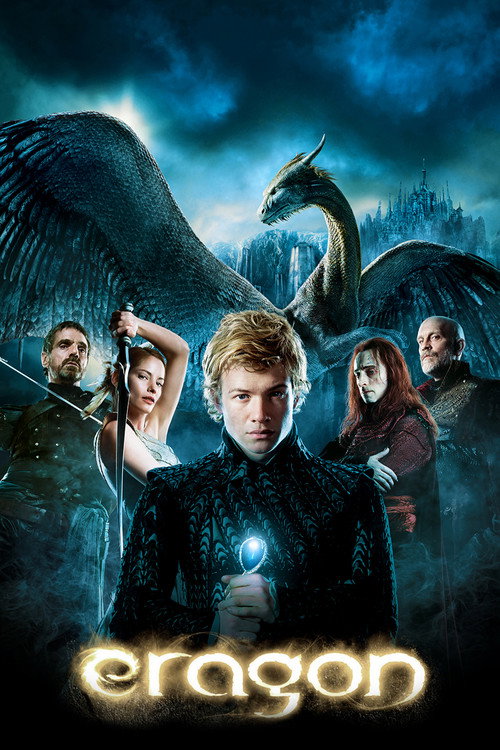
Eragon2006
Young hero, forbidden love, mystical training, political upheaval. It aims for the same emotional beats and epic scale as Attack of the Clones, with Jeremy Irons chewing scenery magnificently.
But The adaptation misses most of what made the book work. The romance is especially flat, and the pacing is a mess.
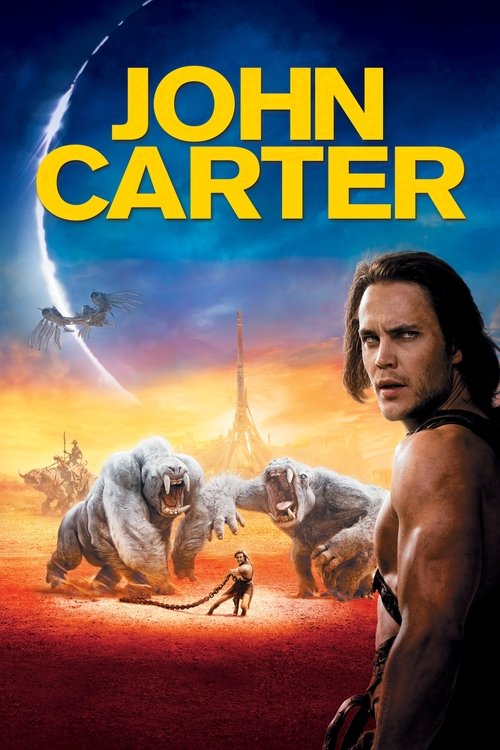
John Carter2012
A misfire that swings for the fences with genuine visual ambition and real attempts at operatic scale. Worth revisiting if you appreciate failure in service of something attempted.
But It fails—significantly. The story doesn't cohere, the romance doesn't land, and the direction undercuts what the visuals are trying to do.
Pather Panchali1955
Both are about the loss of innocence and the moment a good person begins their fall, but Ray achieves it through restraint and truth rather than spectacle.
Satyajit Ray's meditation on inevitable tragedy and the end of innocence. Shot in black and white on a tiny budget, it has more emotional resonance in 125 minutes than most epics twice its length.
But There are no lightsabers or space battles. It's a slow, intimate portrait of poverty and family. Patience isn't optional; it's the whole film.

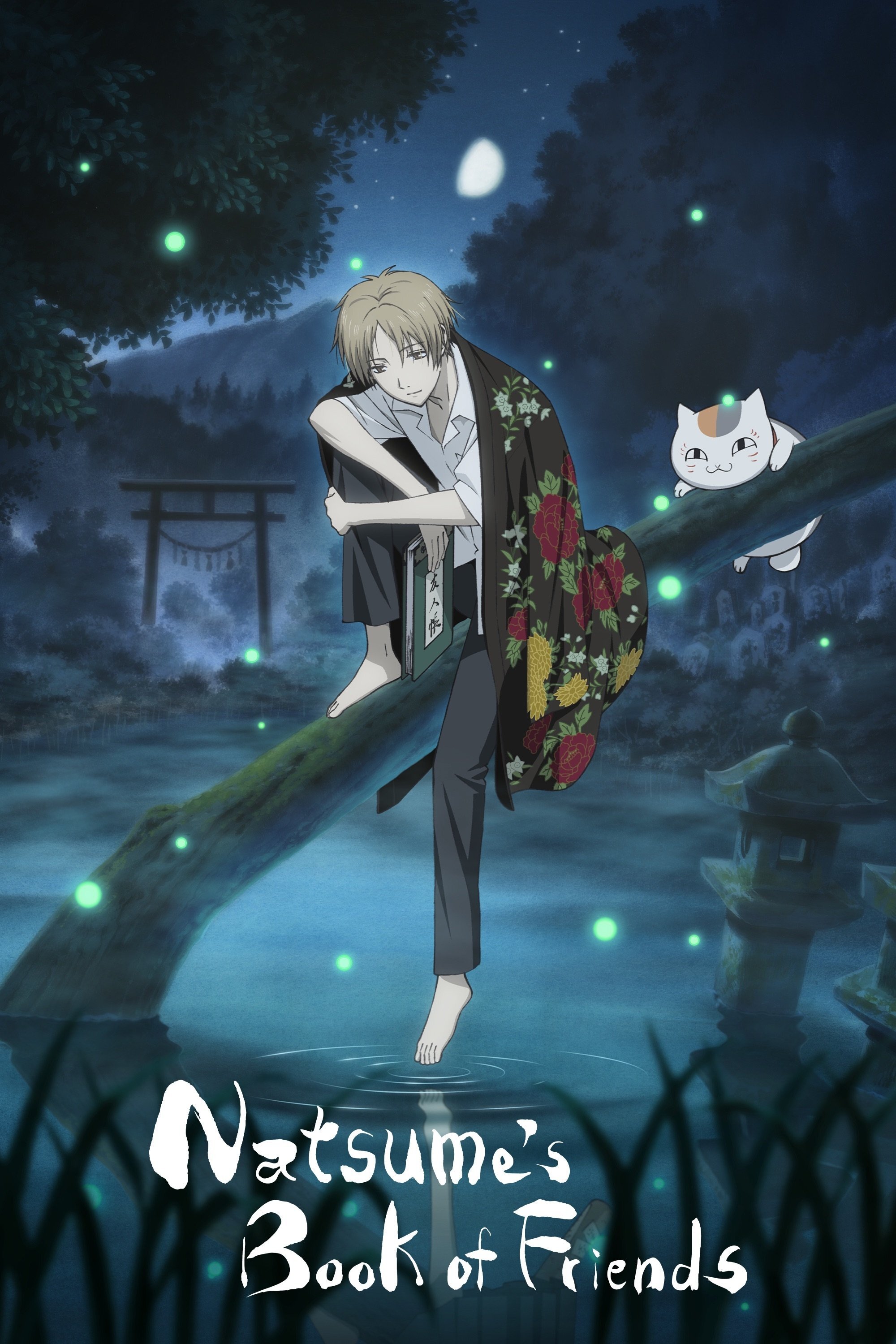
Natsume's Book of Friends2008
Both feature protagonists caught between duty and personal desire, but Natsume's Book asks what it costs to choose connection over power—the emotional question Attack of the Clones hints at but never explores.
An anime about an isolated young man learning to navigate a hidden world of magic and obligation, balancing power with kindness. Genuinely moving, visually lovely, and understands loneliness in ways most action-driven narratives don't.
But It's anime in a different register entirely—quiet, character-focused, episodic. No overarching plot, no armies clashing, and the pacing is contemplative rather than propulsive.
People
Cast
 Hayden ChristensenAnakin Skywalker
 Ewan McGregorObi-Wan Kenobi
 Natalie PortmanPadmé Amidala
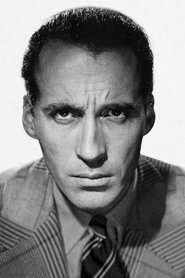 Christopher LeeCount Dooku
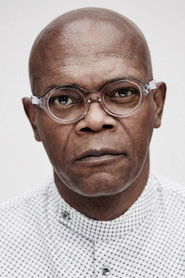 Samuel L. JacksonMace Windu
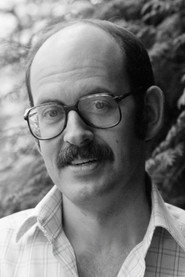 Frank OzYoda (voice)
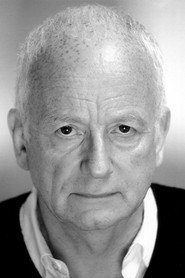 Ian McDiarmidChancellor Palpatine
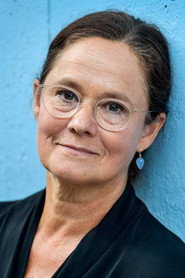 Pernilla AugustShmi Skywalker
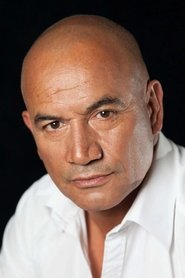 Temuera MorrisonJango Fett / Clone Troopers
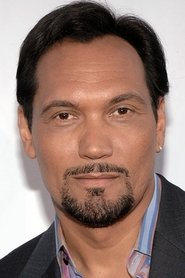 Jimmy SmitsSenator Bail Organa
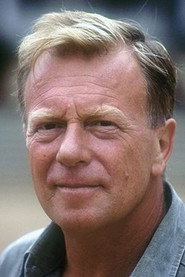 Jack ThompsonCliegg Lars
 Leeanna WalsmanZam Wesell
Directing
- Drew BaileyAssistant Director
- Giovanni PacialeoAssistant Director
- James McTeigueAssistant Director
- George LucasDirector
- James McTeigueFirst Assistant Director
- Moez KamounFirst Assistant Director
- Richard HewittFirst Assistant Director
- Richard WhelanFirst Assistant Director
- Natalie LovattScript Coordinator
- Jayne-Ann TenggrenScript Supervisor
- Akram FakhfakhSecond Assistant Director
- Claire RichardsonSecond Assistant Director
- Matthew Penry-DaveySecond Assistant Director
- Tamana BleasdaleSecond Assistant Director
- Paul SullivanSecond Second Assistant Director
- Gordon WestmanThird Assistant Director
Writing
- George LucasScreenplay
- Jonathan HalesScreenplay
- George LucasStory
Production
- Jannine DixonAssistant Accountant
- Patrick PlummerAssistant Accountant
- Peter CottinoAssistant Location Manager
- Robin GurlandCasting
- George LucasExecutive Producer
- Maura FayExtras Casting
- Jason BallantineLocation Assistant
- George LucasProducer
- Lorne OrleansProducer
- Rick McCallumProducer
- Laura SivisProduction Assistant
- Zuraya HamiltonProduction Coordinator
- Brian DonovanProduction Manager
- Caroline BonhamProduction Manager
- Peter HeslopProduction Manager
- Sarka SulcovaProduction Manager
- Abdelaziz Ben MloukaProduction Supervisor
- Guido CerasuoloProduction Supervisor
- Pedro Ma De UgarteProduction Supervisor
- Stephen JonesProduction Supervisor
- Enrico BallarinUnit Manager
- Mimoun MahbouliUnit Manager
- Philippa DayUnit Manager
- Tic CarrollUnit Manager