
Film
Free Angela and All Political Prisoners
Shaka King's documentary traces Angela Davis's transformation from philosophy professor to fugitive and political icon. Through archive footage and interviews, it examines how radical activism in 1970s America could destroy you—and how the fight against it became bigger than any individual. Essential for understanding the era's urgency and costs.
Should you watch it?
Watch it if you find 1960s and '70s radical politics more gripping than the sensational headlines, and want the people who lived it doing the talking.
Skip it if you want a conventional drama; this leans on talking heads and archive, so the momentum can feel modest.
What it asks of you: Roughly an hour and forty minutes of testimony and archive, unhurried and talky; it rewards steady attention more than it rewards speed.
Not sure? Find tonight's pick in a minute.
If you liked this
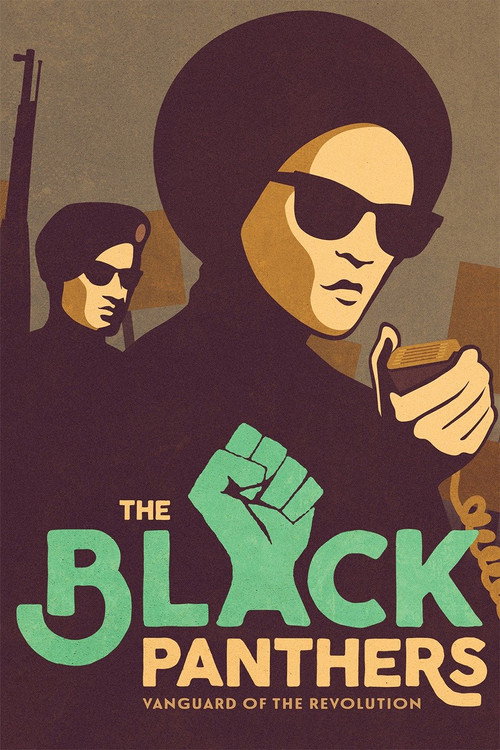
The Black Panthers: Vanguard of the Revolution2015
Stanley Nelson's authoritative history of the Panthers' rise, ideology, and impact covers the same world that shaped Davis. Contextualizes the political moment and the stakes of radical Black organizing in America.
But Spans decades and multiple figures, so it lacks the singular dramatic focus of Davis's story. Can feel encyclopedic rather than intimate.
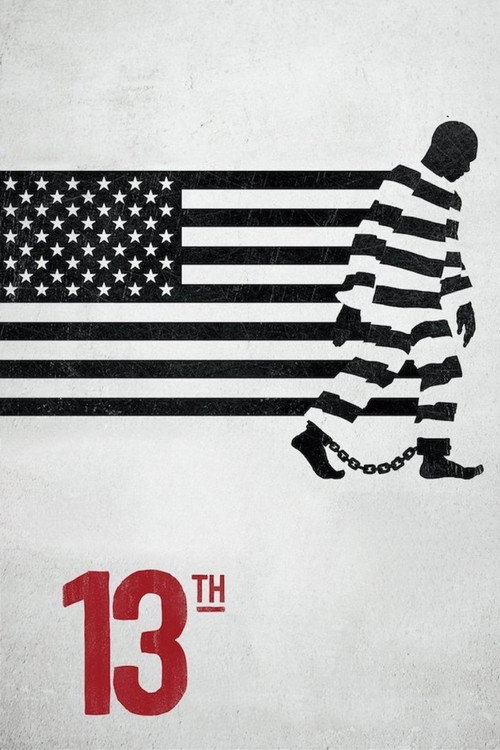
13th2016
Ava DuVernay's demolition of mass incarceration traces the logic that imprisoned Davis and thousands like her. Shows how the carceral state became America's answer to Black liberation.
But Relentlessly bleak. Designed to anger you, not comfort you. The scope can feel abstract when you need human faces.
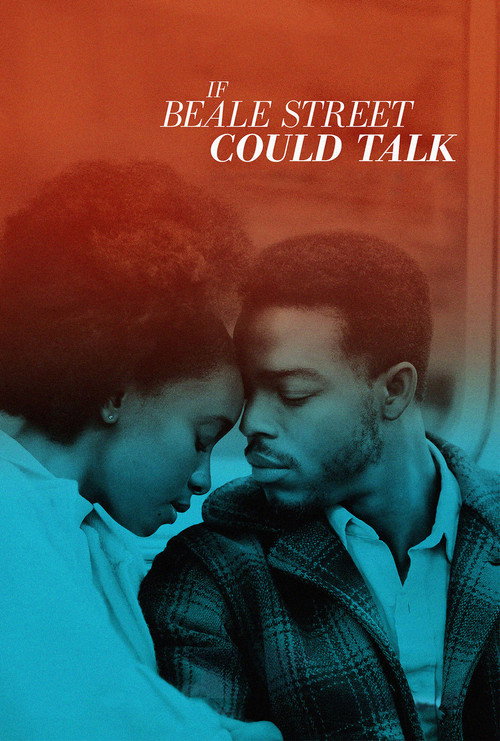
If Beale Street Could Talk2018
Barry Jenkins's adaptation captures the claustrophobia of being a Black person in the criminal justice system—the terror, the love, the indignity. A spiritual cousin to Davis's experience, told through cinema rather than argument.
But A love story first, political statement second. Some viewers want more explicit anger and less restraint.
Not sure tonight? Get a pick in a minute, starting from Free Angela and All Political Prisoners
The wildcard
Something you would not have found on your own.
Memories of Murder2003
Both examine how state institutions—police, courts, the system—treat poor and powerless people as disposable. Memories of Murder shows it as noir tragedy; Davis examines it as political fact.
Bong Joon-ho's Korean thriller about a serial killer investigation is formally thrilling—but its real subject is state power, police brutality, and how institutions crush the innocent to preserve order. A thriller that asks Davis's questions in a completely different genre and language.
But A murder mystery: if you want political clarity, the ending is ambiguous and unsatisfying. Requires subtitles. Beautifully shot but tense in a way that can feel relentless.

More like this (4)
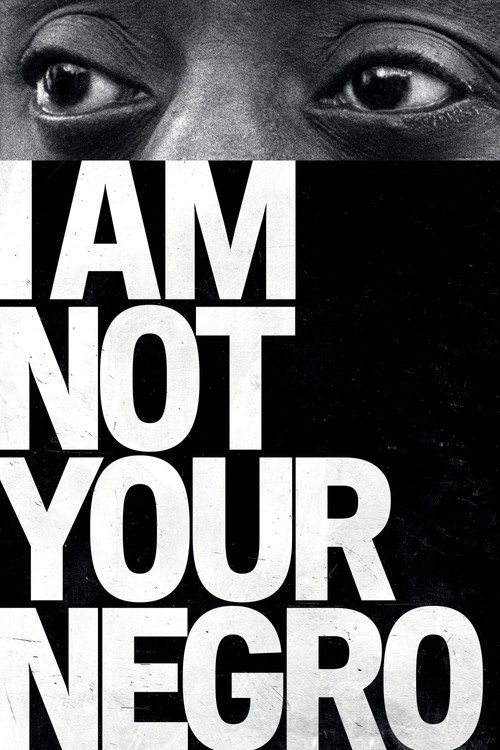
I Am Not Your Negro2017
Raoul Peck assembles James Baldwin's words with footage from the era. Same period, same fundamental argument: America's refusal to reckon with its own violence toward Black people.
But Essayistic and digressive. If you want narrative momentum, this will frustrate you. Demands active thought.
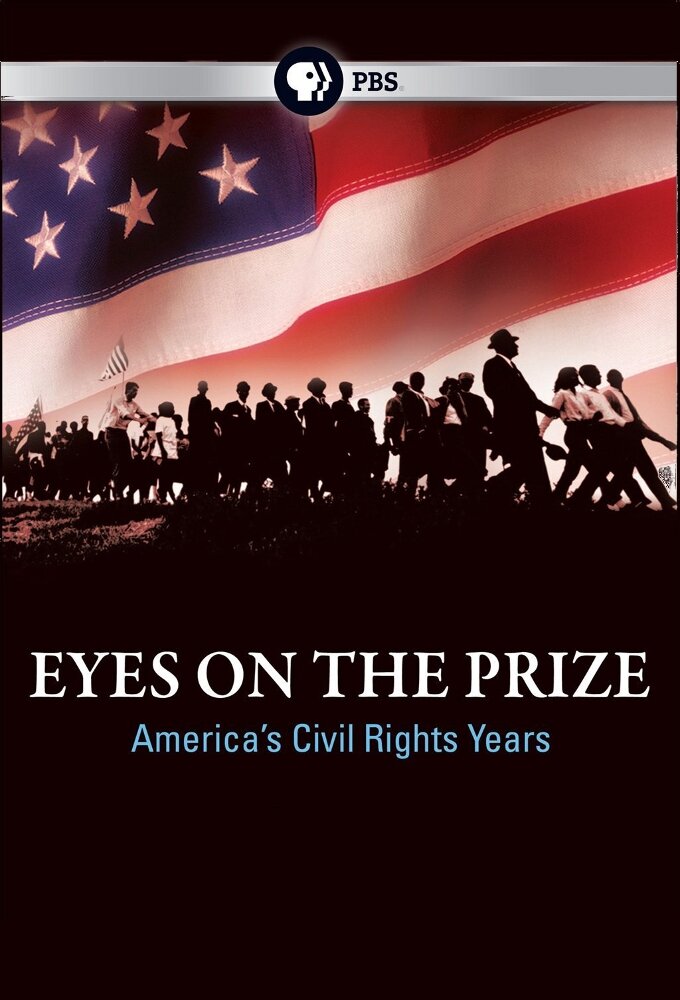
Eyes on the Prize1987
Henry Hampton's foundational civil rights series includes the Davis case within a longer arc of struggle. Archival and participant testimony that shaped how we understand this period.
But Long and multipart, made for broadcast television in a different editing style. Some sequences feel dated now. A commitment, not a quick watch.
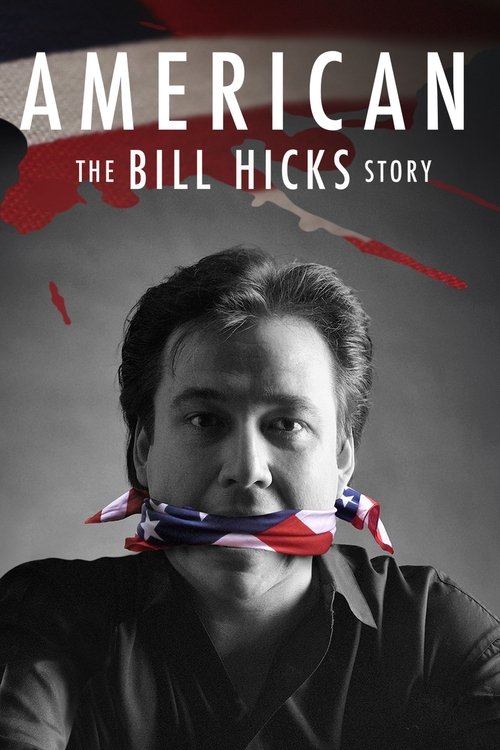
American: The Bill Hicks Story2010
Not about activism, but about artistic radicalism and the state's intolerance for dissent. Shows another arc of American repression—of speech, of conscience, of irreverence.
But Comedy documentary about a controversial stand-up. Tonal whiplash if you come straight from Davis. Very different register.
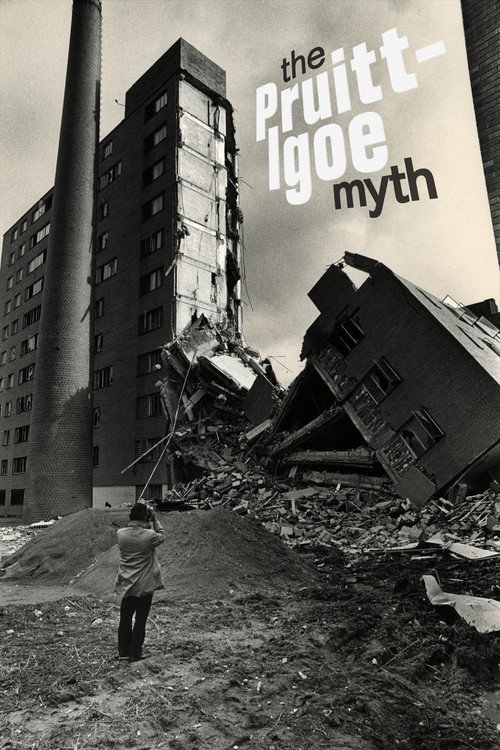
The Pruitt-Igoe Myth2012
Urban policy documentary that shows how the state managed Black bodies in the city while Davis's generation was fighting that management. Structural and visual, not heroic.
But Not about individuals or famous stories. Asks you to think about systems rather than people, which some find remote.
People
Cast
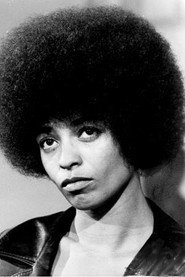 Angela DavisSelf
- Deacon AlexanderSelf
- Bettina ApthekerSelf
- Richard ArnasonSelf
- Lowell BergmanSelf
- Stephen BinghamSelf
- Leo BrantonSelf
- Margaret BurnhamSelf
- Earl CaldwellSelf
- Fania E. DavisSelf
- William DivaleSelf
Directing
- Shola LynchDirector
Writing
- Shola LynchWriter
Production
- Christine TurnerAssociate Producer
- Sonia GonzalezAssociate Producer
- Suzannah HerbertAssociate Producer
- Jada Pinkett SmithExecutive Producer
- James LassiterExecutive Producer
- JAŸ-ZExecutive Producer
- Will SmithExecutive Producer
- Carine RuszniewskiProducer
- Carole LambertProducer
- Shola LynchProducer
- Sidra SmithProducer