
Film
American Hollow
- Drama
- Very dark
- Slow-burning
A 90-minute immersion in the Bowling family's struggle for survival in Appalachian poverty. Filmed with unflinching intimacy, it resists easy answers or sentiment, letting cycles of unemployment, addiction, and violence speak for themselves. Essential for anyone wanting to understand structural poverty beyond abstractions—but demanding: this is real hardship, not a narrative arc.
Should you watch it?
Watch it if you want a patient, unvarnished look at how poverty and family loyalty hold each other in place, told by the people living it rather than narrated at them.
Skip it if the subject is hard going, since domestic violence and drinking hang over nearly every scene, and if you need a plot with clear shape, this drifts.
What it asks of you: Ninety minutes of unhurried observation, with long stretches of interview and ordinary daily routine; it is slow, quiet, and often hard to sit through.
Not sure? Find tonight's pick in a minute.
If you liked this
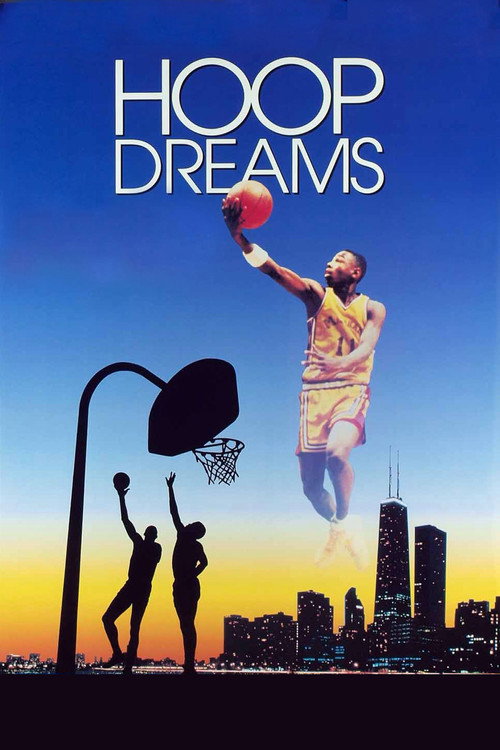
Hoop Dreams1994
A masterwork of observational documentary that follows two basketball players over years, showing how systemic obstacles derail even extraordinary talent. Like American Hollow, it refuses to look away from the machinery that traps people.
But Nearly three hours long, and the slow accumulation of disappointment can be emotionally exhausting rather than cathartic.
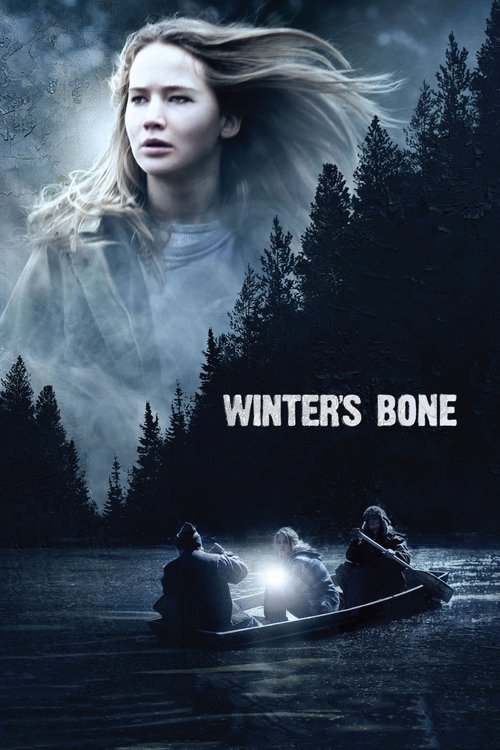
Winter's Bone2010
Fiction, but set in the same Ozark region with the same unflinching eye on rural poverty, family loyalty, and survival. Ree's search mirrors the Bowling family's daily navigation of a world that offers them almost nothing.
But Deliberately bleak and slow-paced. If you want plot momentum or hope, this isn't it.
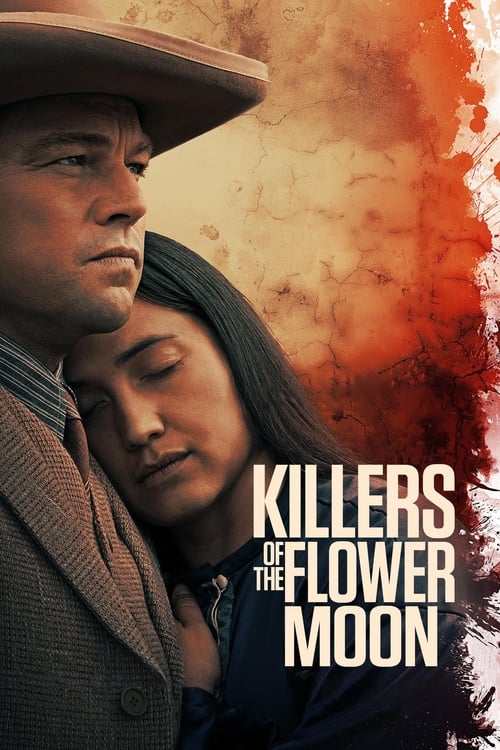
Killers of the Flower Moon2023
Scorsese examines systematic exploitation of a vulnerable community through intimate family storytelling. Shares American Hollow's interest in how poverty and powerlessness warp relationships and character.
But Three hours, and Scorsese's style can feel theatrical compared to documentary's rawness. Very different register.
Not sure tonight? Get a pick in a minute, starting from American Hollow
The wildcard
Something you would not have found on your own.
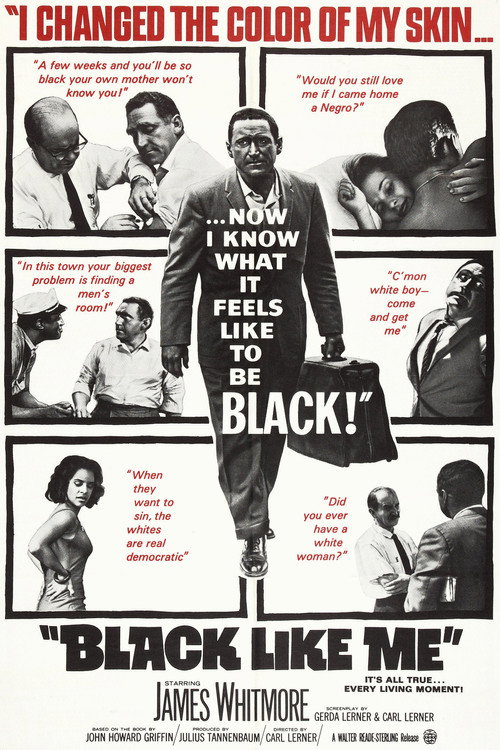
Black Like Me1964
Both are experiments in intimate documentary witnessing of people with little power or voice. Both ask whether the filmmaker's gaze is ethical, and both struggle with that question without resolution.
A white journalist darkens his skin to experience racism firsthand in 1960s America. Documentary-adjacent in its commitment to immersive witnessing, it's a mid-century attempt to understand lived experience across difference—prophetic for its time about documentary's moral questions.
But Awkward and well-intentioned in ways that now read as fundamentally patronizing; the formal gesture of 'going undercover' to understand poverty or oppression doesn't age well.
More like this (5)
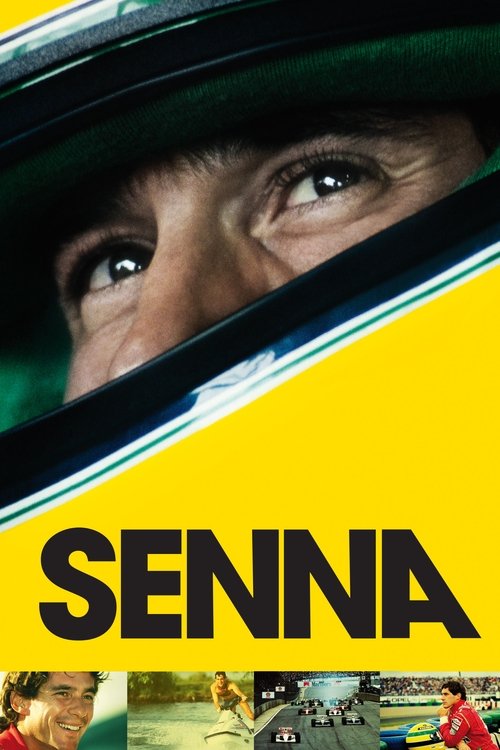
Senna2010
A documentary that builds intimate psychological portraits through archival material and interviews, layering context with personal voice. Shows how circumstance shapes ambition in ways both universal and particular.
But Requires real interest in Formula 1 or at least in elite competition; the world is rarefied compared to American Hollow's setting.
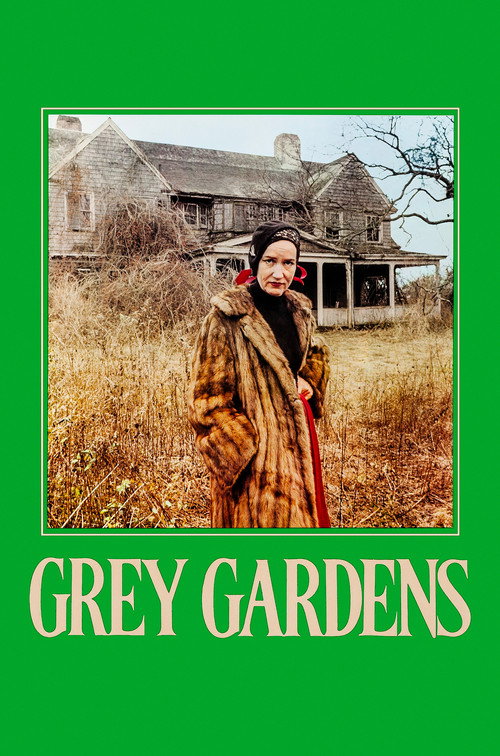
Grey Gardens1976
A documentary about two eccentric, isolated women in a decaying mansion—it has the same strange voyeuristic intimacy, the same refusal to judge or explain, the same revelation of dignity amid disorder.
But The subjects are wealthy and the tone is often darkly comic; the poverty is emotional and aesthetic rather than material.
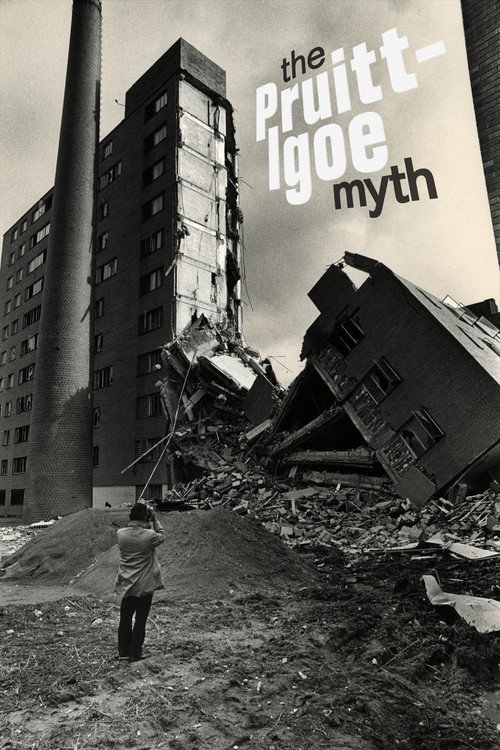
The Pruitt-Igoe Myth2012
Uses archival footage and interview to trace how a housing project became synonymous with urban failure, examining the machinery of systemic poverty with intelligence and visual poetry.
But Urban rather than rural, and more historically analytical; some find it more intellectual than emotionally immediate.
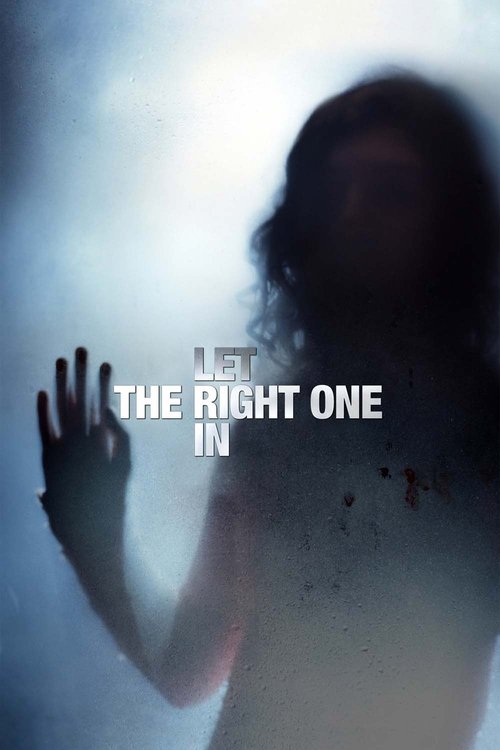
Let the Right One In2008
A vampire film, yes, but one that uses genre as a vessel for loneliness, poverty, and the cruelty of children. The relationship at its core speaks to vulnerability and desperation in ways that echo documentary's power.
But It's a horror film, and the fantastical element might feel like an escape from the kind of unflinching realism American Hollow demands.
Stalker1979
Both operate by refusal—refusal of easy explanation, refusal to make despair or strangeness palatable. Both suggest that certain human conditions can only be observed, not solved.
Tarkovsky's philosophical science-fiction film about a guide leading two men through a mysterious Zone toward a room that grants wishes. Visually patient, almost glacial—it's about waiting, desire, and whether change is possible. Formally nothing like American Hollow, but spiritually asking the same question: what happens when people's lives are determined by forces they cannot control?
But Soviet-era sci-fi shot in long, meditative takes. If you need plot or even conventional narrative satisfaction, you will be frustrated. It demands a different pace from your mind.

People
Cast
- Bascum BowlingSelf
- Clint BowlingSelf
- Edgar BowlingSelf
- Iree BowlingSelf
- Samantha BowlingSelf
Directing
- Rory KennedyDirector
Writing
- Mark BaileyWriter
Production
- Sheila NevinsExecutive Producer
- Jacqueline GloverSupervising Producer