
Television series
American Restoration
- Light-hearted
- Dip in and out
American Restoration is a reality show about master craftspeople bringing vintage artifacts back to life—restored cars, neon signs, motorcycles, and forgotten Americana. It's deeply satisfying to watch: methodical, educational, and full of that pleasure that comes from seeing broken things made whole again. For anyone who loves history, craftsmanship, or just watching skilled people work.
Should you watch it?
Watch it if you enjoy watching skilled people patiently rebuild something battered, with the satisfaction of seeing rust and grime give way to gleaming metal and a finished machine.
Skip it if you want fast plot, big stakes or interpersonal drama; most of the running time goes to sanding, welding and sourcing parts, with the personalities kept fairly light.
What it asks of you: Each episode is short and self-contained, so you can drop in anywhere, but a whole project unfolds across it, asking for patience while work moves at the pace real restoration does.
Not sure? Find tonight's pick in a minute.
If you liked this
Antiques Roadshow1979
The same joy of discovery and authentication, but here strangers bring their own treasures. You get real emotional investment when someone learns their attic find is worth five figures.
But It's gentler and less about the work itself—more about appraisal and provenance than the sweat of restoration. Slower paced than American Restoration.
The Great British Bake Off2010
Same DNA: skilled people working against the clock on something tangible, with genuine stakes and craft. The warmth is real, the mastery is real, and watching someone nail a difficult technique is pure satisfaction.
But It's about food instead of history, and the emotional register is softer. If you love the grit and problem-solving of restoration, this might feel a touch too cozy.

Mythbusters2003
The same appetite for hands-on experimentation and breaking things down to understand them. Adam and Jamie share that craftsperson energy—figuring out how something works by making it from scratch.
But It's faster-paced and more chaotic. Less meditative than watching a master restorer work. The results are often explosions rather than beauty.
Not sure tonight? Get a pick in a minute, starting from American Restoration
The wildcard
Something you would not have found on your own.
Abstract: The Art of Design2017
Both are about the applied wisdom of craft—understanding an object deeply enough to fix it or reimagine it. The relationship between maker and thing.
Each episode follows a different designer solving a real problem through craft and imagination. The meditation on how to approach broken things and make them beautiful is the opposite of American Restoration's surface—but it's asking the same question about what our work means.
But It's intellectual and sometimes abstract. No before-and-after satisfaction, and some episodes focus on design philosophy rather than visible making. Can feel slower and less grounded than restoration work.
More like this (7)
Restoration Home2011
British equivalent: grand houses brought back to their former glory. The scale is bigger, the histories are deeper, and there's real emotional archaeology happening alongside the physical work.
But The focus is architectural rather than portable objects, so it lacks the satisfying before-and-after reveal that makes American Restoration so good. Episodes are longer commitments.
Junkyard Empire2015
Same spirit of salvage and creativity—taking discarded metal and building something functional and beautiful. Less about historical accuracy, more about problem-solving and engineering ingenuity.
But It's grittier and less polished. If you like the aesthetic appreciation side of American Restoration, this skews harder toward raw industrial work.
Forged in Fire2015
Blacksmiths and bladesmiths creating objects under pressure, with immediate testing of their work. The combination of ancient craft, real stakes, and visible mastery is magnetic.
But It's much more competitive and masculine in tone. Less about history and appreciation, more about winning. Faster editing than you get in American Restoration.
Salvage Dawgs2012
Architectural salvage: pulling materials from condemned buildings and repurposing them. Similar reverence for history and craftsmanship, with real stakes—preserving things that would otherwise vanish.
But More documentary in style and slower-paced. If you enjoy the clear before-and-after arc of a single project, this can feel more diffuse.
Pawn Stars2009
Objects with stories, authentication, and negotiation. The Gold & Silver shop is packed with vintage Americana, and the bring-in-an-expert moments have genuine educational value about history and craftsmanship.
But It's about transactions rather than transformation. The work happens off-camera. Some episodes feel thin or rely on the personalities rather than the items themselves.
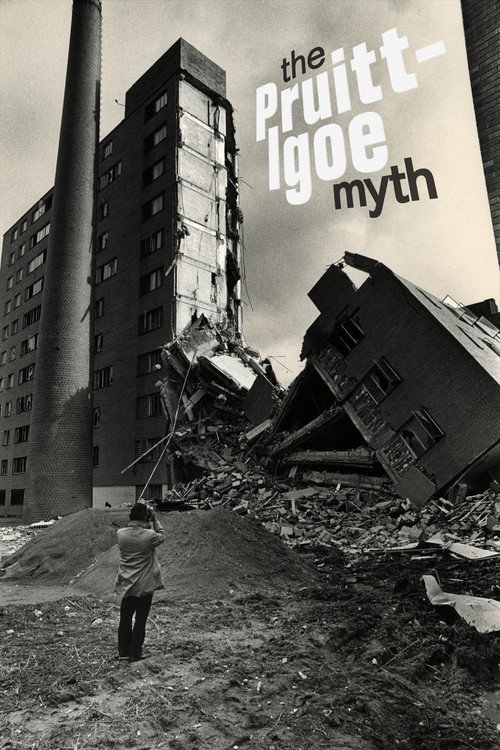
The Pruitt-Igoe Myth2012
Where American Restoration celebrates the decision to save and restore, Pruitt-Igoe asks what it costs when we decide to destroy instead. The mirror image of the show's values.
A documentary about an ambitious housing project that became a symbol of urban decay, then was demolished. Gorgeously made, with real archival footage showing the architecture at its peak. It's a restoration story told in reverse—what happens when we abandon things instead of saving them.
But It's heavy, urban, and political rather than nostalgic. No heroes, no happy endings, just the slow grief of a community. Requires patience with essay-film pacing.
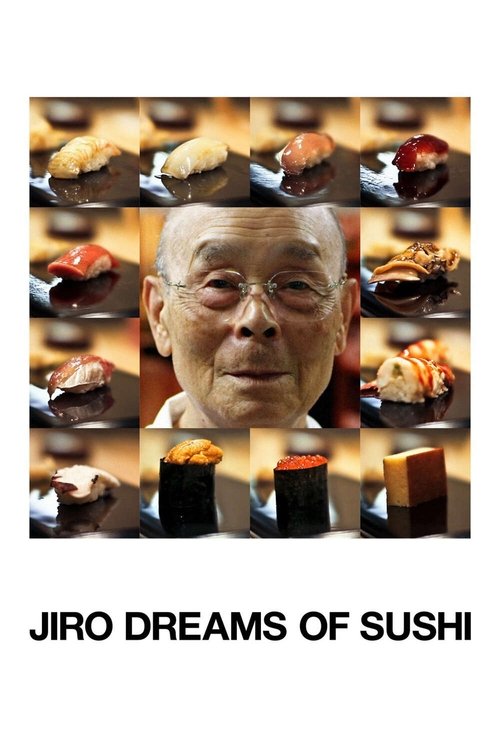
Jiro Dreams of Sushi2011
Both honor the idea that mastery is about respect for materials and tradition. The difference is scale and visibility—but the spiritual commitment is identical.
An aging sushi chef pursues perfection through decades of incremental refinement. It's meditative, beautifully shot, and absolutely hypnotic about the marriage of history, craft, and obsession. The work is invisible—just sushi—but the discipline is total.
But Very slow. Minimal plot. If you want the satisfying visual transformation of American Restoration, this offers instead the invisible perfection of someone who has been doing the same thing for fifty years. Some find it pretentious.
People
Cast

Recommended by
The Repair Shop, Fast N' Loud, Counting Cars, Hardcore Pawn, Car Masters: Rust to Riches