
Film
A Question of Attribution
Alan Bennett's taut 1991 drama about Anthony Blunt, the art historian and Soviet spy exposed late in life. James Fox delivers a masterclass in controlled evasion, all raised eyebrows and oblique charm. It's a chamber piece that uses paintings as a language for what cannot be said directly—espionage, betrayal, queerness, loyalty. For anyone who loves character studies and British wit deployed as armour.
If you liked this
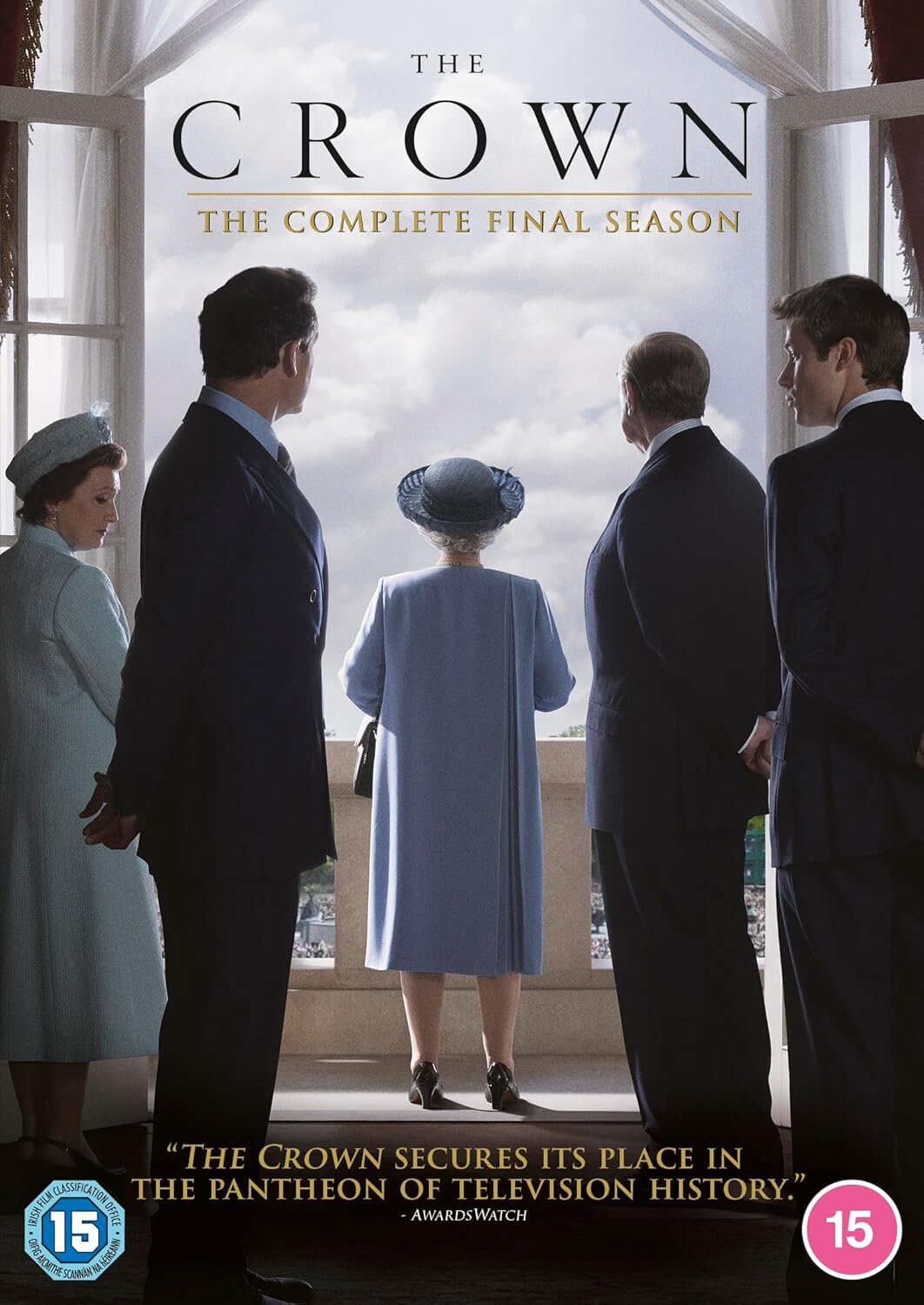
The Crown2016
Season three's handling of the Blunt affair deepens the political and personal stakes. It captures the scandal's ripple through the Palace and the ambiguous loyalties Bennett explores, but with larger canvas and cinematic scale.
But The show's tendency toward melodrama and invented dialogue sometimes flattens complexity into soap opera. And it requires a larger time commitment than Bennett's surgical precision.
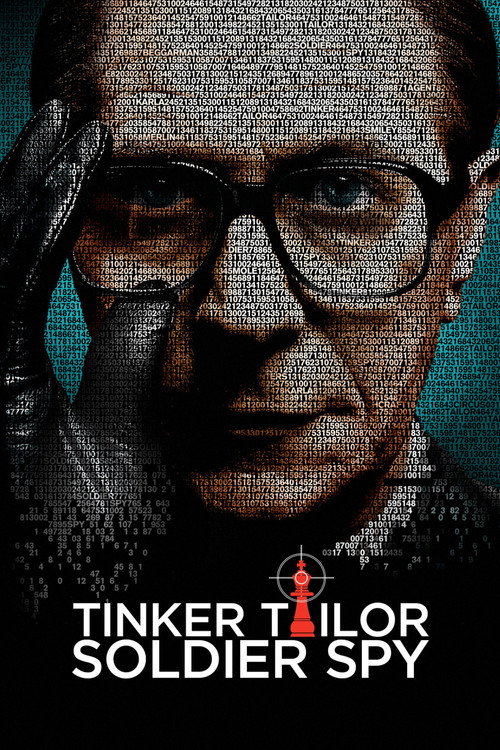
Tinker Tailor Soldier Spy2011
Gary Oldman's George Smiley investigates a Soviet mole inside British intelligence. It shares Bennett's obsession with loyalty, betrayal, and the masks spies wear—but trades witty dialogue for atmosphere and suspicion.
But The 2011 film is oblique and glacially paced. If you want plot clarity and emotional catharsis, you'll find neither. It demands active attention.
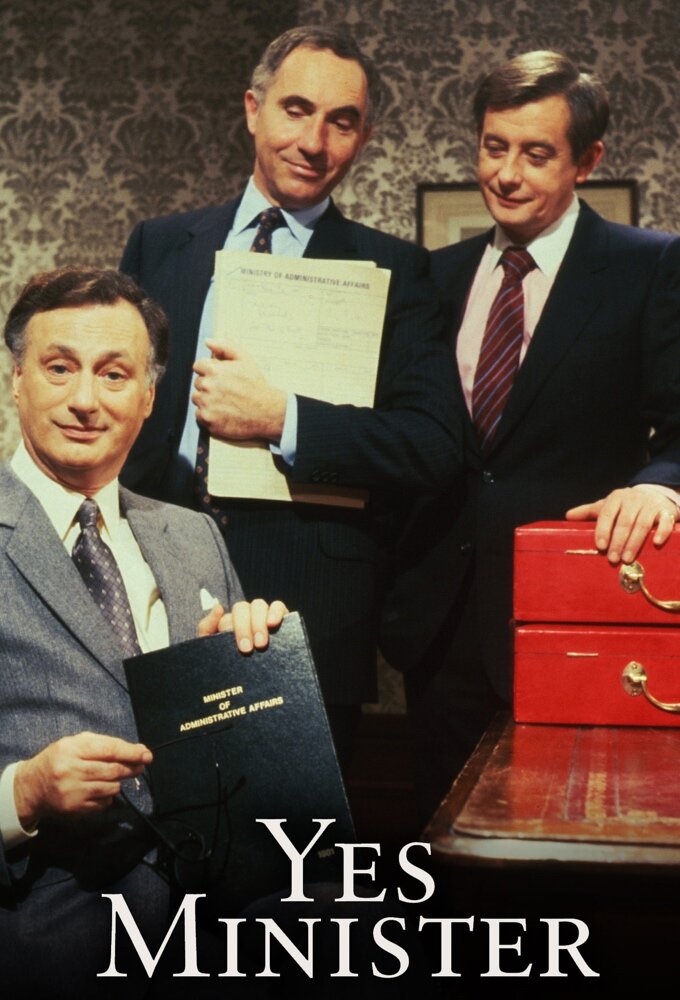
Yes Minister1980
British bureaucrats spar with comic precision over power and principle. Like Bennett, it uses language as a weapon and finds comedy in evasion. The writing is surgical, the performances impeccable.
But It's a sitcom, so the mood is lighter. And the political world it depicts feels almost quaint now—which can undercut the stakes.
Not sure tonight? Get a pick in a minute, starting from A Question of Attribution
The wildcard
Something you would not have found on your own.
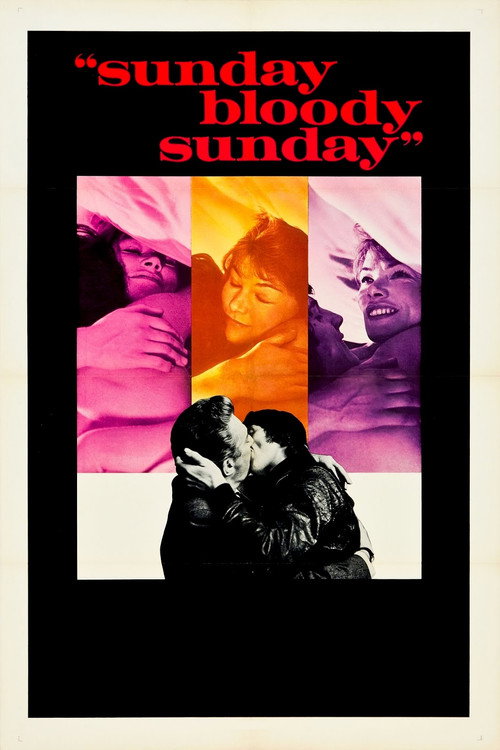
Sunday Bloody Sunday1971
Both explore desire and loyalty as unspeakable truths that define lives lived in silence. Bennett uses art and espionage as metaphors; Schlesinger uses open-eyed honesty, but both arrive at the same question: what do we owe to those we love when the world makes it impossible?
John Schlesinger's film about a love triangle involving two men and a woman, shot in 1971 with radical frankness about desire and class. Glenda Jackson and Peter Finch are extraordinary. The connection: Bennett's interest in sexuality as a form of unspeakable truth, and how power, class, and desire tangle in British life.
But It's from 1971, so the film stock and pacing feel distant. The emotional tenor is melancholic rather than witty. And the sexual content, though restrained, was controversial then.
More like this (8)
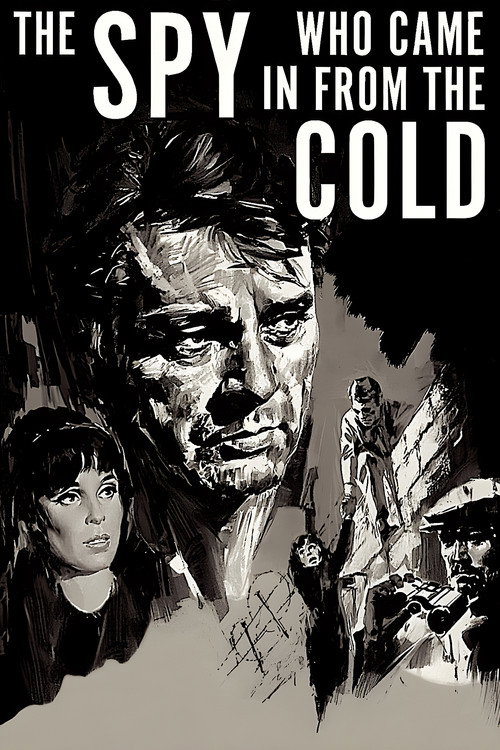
The Spy Who Came In from the Cold1965
Richard Burton as a burnt-out Cold War agent. It's grittier and more morally bleak than most spy fiction, treating espionage as a corroding, compromising business rather than adventure.
But Made in 1965, it moves slowly by modern standards. The female characters are thin. And unlike Bennett, it offers no wit to lighten the grimness.
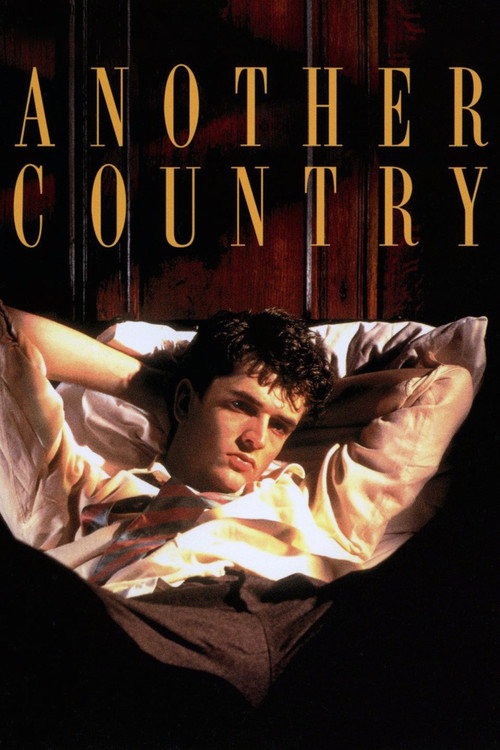
Another Country1984
Marek Kanievska's film about upper-class Cambridge students in the 1930s, with treason, sexuality, and class as interlocking themes. Rupert Everett is magnetic, and it shares Bennett's interest in how private life and politics entangle.
But The film is sometimes more style than substance. Melodrama creeps in. And the resolution feels neat in a way real lives rarely do.
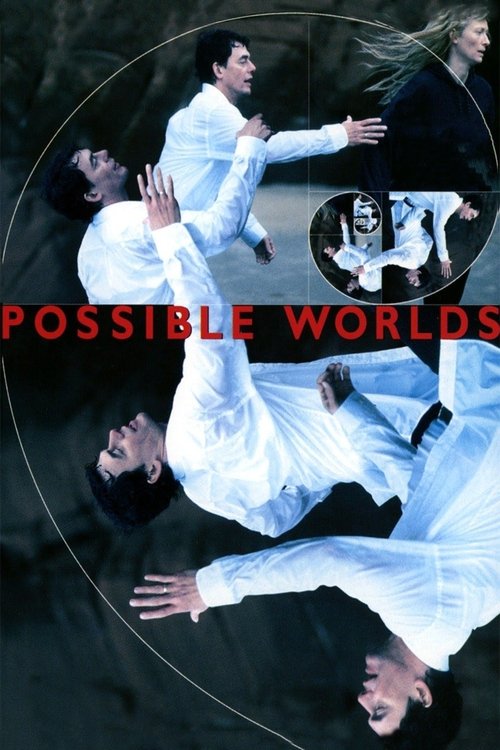
Possible Worlds2000
Robert Lepage's film plays with parallel realities and art as a way to understand identity and loss. Intellectually ambitious and visually striking—it shares Bennett's interest in how we construct meaning from fragments.
But It's experimental and abstract. If you want plot or emotional clarity, you'll struggle. Some viewers find it pretentious.
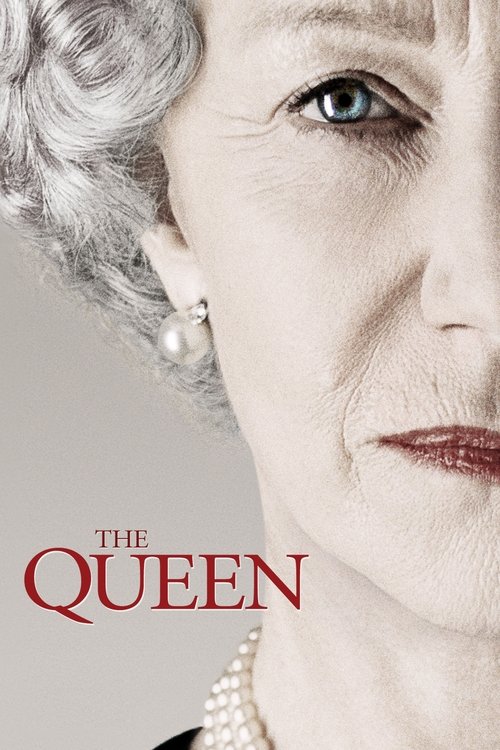
The Queen2006
Helen Mirren as Elizabeth II during the Diana crisis. It's a chamber drama about duty, emotion, and private life colliding with public expectation. Fry and Madden's screenplay has Bennett's ear for language and restraint.
But The film relies on invented dialogue and speculation. If historical accuracy matters to you, that's frustrating. And it can feel like a celebrity character study rather than serious drama.
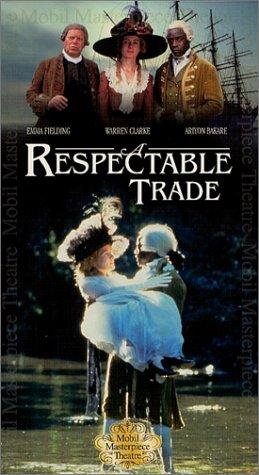
A Respectable Trade1998
Gregory Hoblit's adaptation of a complex family saga with moral weight. It shares Bennett's interest in how private lives are shaped by historical forces and how people justify the unjustifiable.
But It's an adaptation of a novel, so it's longer and more sprawling than Bennett's taut writing. Some viewers find it meandering.
The Remains of the Day1993
Anthony Hopkins as an English butler whose restraint conceals profound regret. James Ivory's film, like Bennett's drama, is about what is not said—complicity, loyalty, the cost of emotional withholding.
But It's elegiac and slow, and some find it emotionally distant. The film invites interpretation rather than providing answers, which can feel frustrating.

Stalker1979
Both are about desire operating in shadow—Blunt's hidden allegiances, the seekers' hidden wishes. Both suggest that what matters most cannot be spoken directly, only approached through indirection and metaphor. Both trust the audience to sit with ambiguity.
Andrei Tarkovsky's film about a man guiding two strangers through a mysterious zone toward a room that grants wishes. It's a metaphysical meditation on desire, faith, and the questions we're afraid to ask. Achingly beautiful, philosophically rigorous, hypnotic.
But It's 163 minutes of slow cinema. Nothing 'happens' in a conventional sense. If you want plot momentum or even clear meaning, you will leave frustrated.

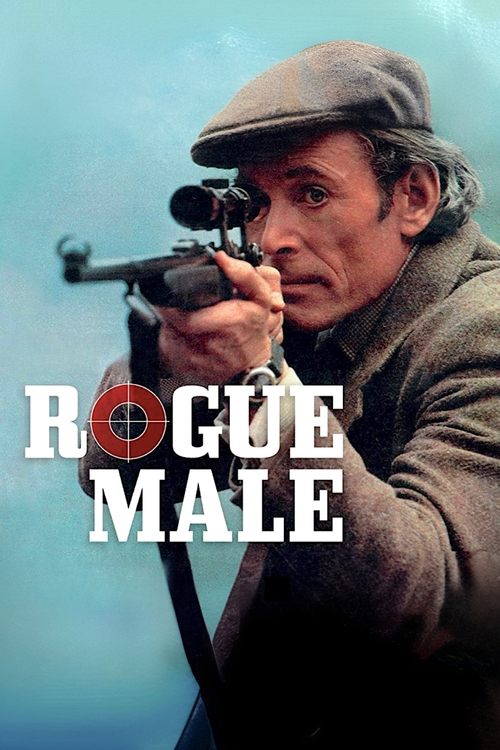
Rogue Male1976
Both centre on a charismatic man whose private life and public role are radically split. Both use wit and intelligence as a defence against interrogation and exposure. Both understand that survival depends on never letting the other side see what you're really thinking.
Peter O'Toole in Clive Exton's two-part thriller about a man hunted after an assassination attempt on a dictator. It's tense, witty, and architecturally perfect—a cat-and-mouse game that's as much about ideas as action. O'Toole is magnetic.
But It's a 1970s TV production, so the look is dated. And if you want modern pacing and action, it will feel mannered and slow.
People
Cast
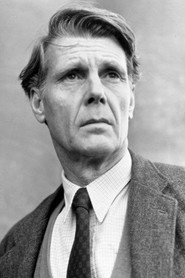 James FoxSir Anthony Blunt
 Prunella ScalesH.M.Q.
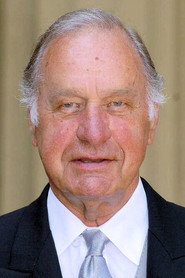 Geoffrey PalmerDonleavy
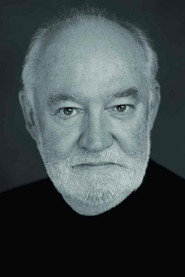 David CalderChubb
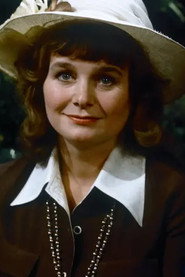 Ann BeachMrs. Chubb
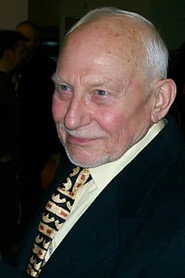 John CaterRestorer (Robertson)
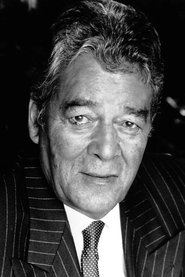 Edward de SouzaCollins
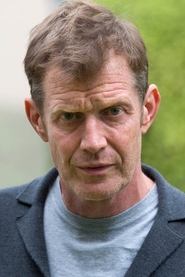 Jason FlemyngColin
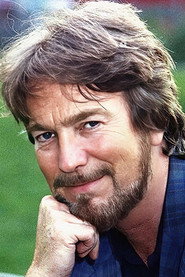 Gregory FloyRadiologist
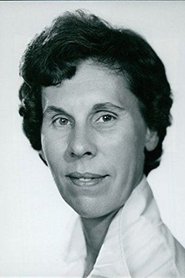 Barbara HicksLady at National Gallery
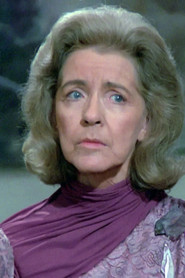 Anne JamesonBlunt's Secretary
- Mark PaytonPhillips
Directing
- Cecilia ColeshawContinuity
- John SchlesingerDirector
- Peter StenningFirst Assistant Director
- Teresa MacInnesSecond Assistant Director
- Tim StevensonSecond Assistant Director
Writing
- Alan BennettWriter
Production
- Ian HopkinsAssociate Producer
- Anne HopkinsonCasting
- Jeremy ZimmermannCasting
- Noel DavisCasting
- Richard BrokeExecutive Producer
- Innes LloydProducer
- Daphne PhippsProduction Manager