
Film
Doña Bárbara
A lush Venezuelan melodrama about a doctor torn between civilisation and the wild, drawn into a dangerous love triangle with an untamed matriarch and her daughter. Rómulo Gallegos' beloved novel gets a sumptuous, operatic treatment—all vivid landscapes, passionate confrontations, and the collision between reason and desire. For anyone who loves romance that doesn't apologise for being romance.
Should you watch it?
Watch it if you enjoy sun-baked melodrama where the land itself seems to exert a pull, and atmosphere and slow-building temptation matter more than plot twists.
Skip it if you need brisk storytelling or restrained realism, since this is operatic, heightened, and leisurely across its 115 minutes, with emotions pitched loud.
What it asks of you: Expect a long, unhurried rhythm, and take its big, heightened emotion at face value rather than holding it at arm's length.
Not sure? Find tonight's pick in a minute.
If you liked this
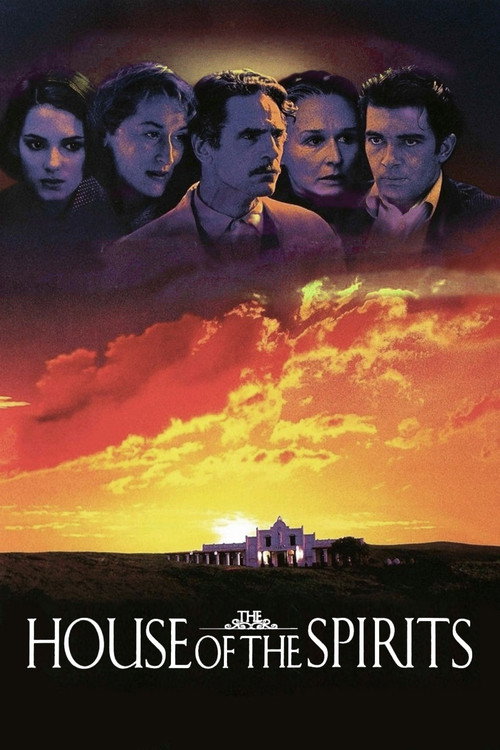
The House of the Spirits1993
Multi-generational family saga across a changing continent, with powerful women at its core and the same blend of realism and heightened emotion. Meryl Streep and Glenn Close anchor a story about destiny and desire.
But Ambitious adaptations of enormous novels always feel compressed. This one tries to contain too much, and the pacing suffers as a result.
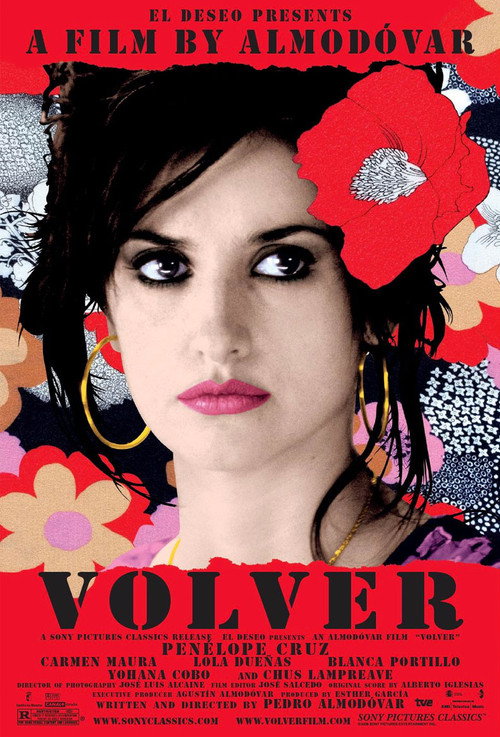
Volver2006
Spanish-language melodrama about complex women, family secrets, and the past refusing to stay buried. Gorgeous, funny, and unafraid of big feelings. It understands why people love telenovelas.
But The tonal shifts from comedy to darkness might feel jarring if you're expecting consistency. Some find Almodóvar's sensibility too stylised.
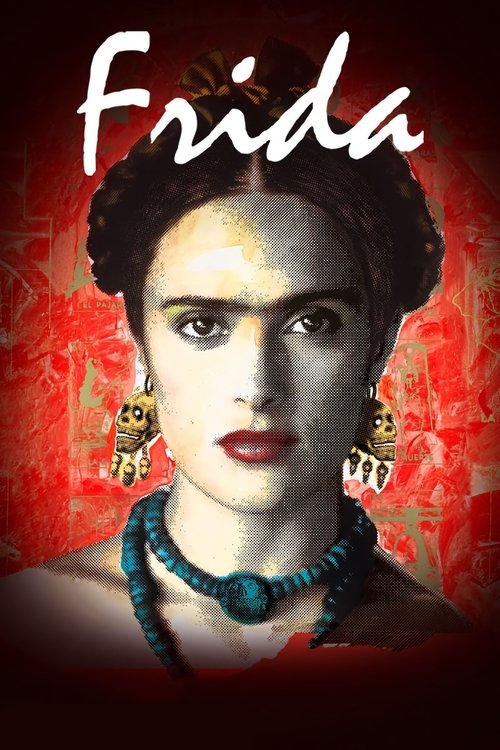
Frida2002
A biopic that treats its subject as a novel—passionate, visually ravishing, and utterly invested in female desire and pain. Julie Taymor's direction transforms a life into mythology.
But It sometimes prioritises mood over narrative clarity, and the film's stylisation can overshadow the historical figure. Salma Hayek's performance divides viewers.
Not sure tonight? Get a pick in a minute, starting from Doña Bárbara
The wildcard
Something you would not have found on your own.
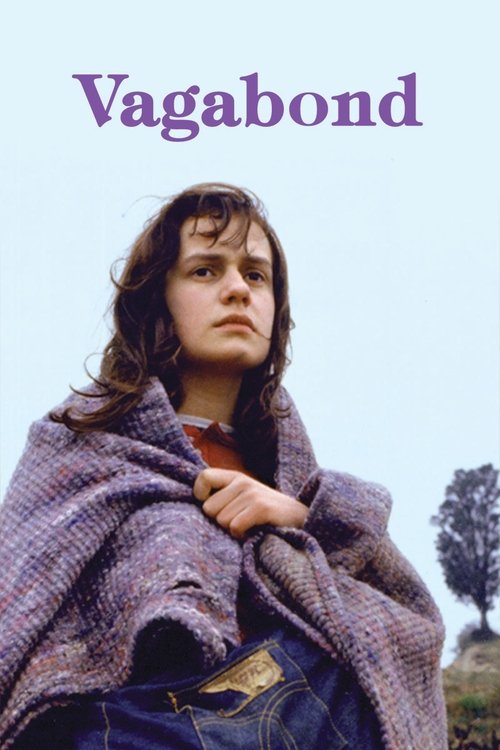
Vagabond1985
Both centre on a captivating woman whose freedom and wildness draw people to her, but Varda asks what happens when someone wants to remain untamed by love entirely. It's the dark mirror.
Agnès Varda's masterpiece traces a young woman's journey through France, backwards from her death. Where Doña Bárbara is about a woman's power over others, Vagabond is about a woman's refusal of connection—the inverse of the same fascination.
But It's a slow, contemplative film with minimal plot. Some find it frustrating rather than moving; others find the protagonist unsympathetic.
More like this (4)
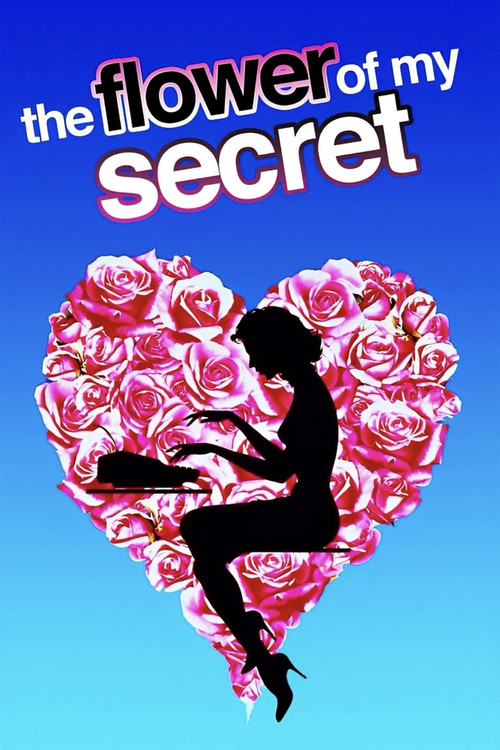
The Flower of My Secret1995
Almodóvar exploring desire, marriage, and creative reinvention through Marisa Paredes. It has the heightened emotions and beautiful chaos of Doña Bárbara in a contemporary Madrid setting.
But It's primarily a character study that won't appeal to those wanting plot momentum. The ending is deliberately ambiguous in a way some find unsatisfying.
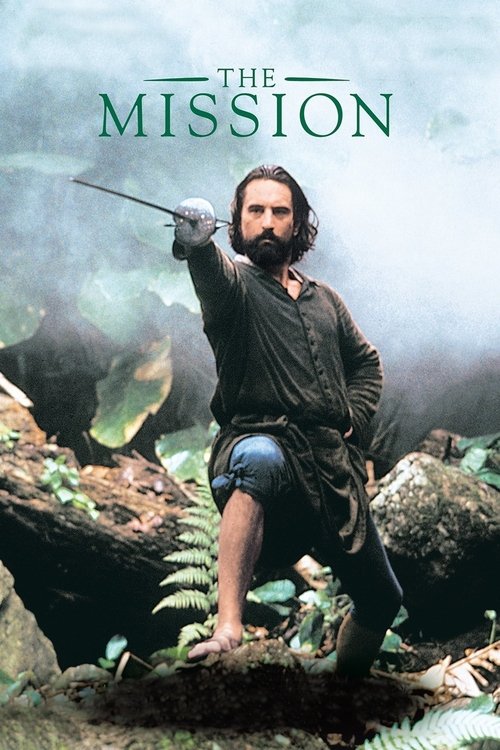
The Mission1986
Set in colonial South America with stunning cinematography and a moral core. It explores civilisation versus wilderness, faith versus desire, with the kind of epic scale and natural beauty that defines Doña Bárbara.
But It's a serious film about religious conflict and historical atrocity. The pacing is deliberate and the tone grave—not the passionate romance you might be seeking.
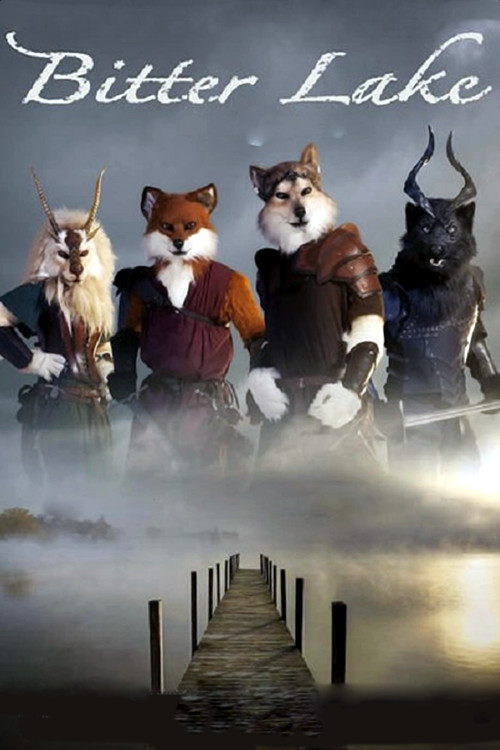
Bitter Lake2011
Hungarian-Italian co-production about an ageing woman reclaiming her life and sexuality in a landscape of water and sky. It shares the sensuality and the focus on female agency across generations.
But It's subtitled, slowly paced, and more arthouse than mainstream. If you want narrative momentum, you won't find it here.
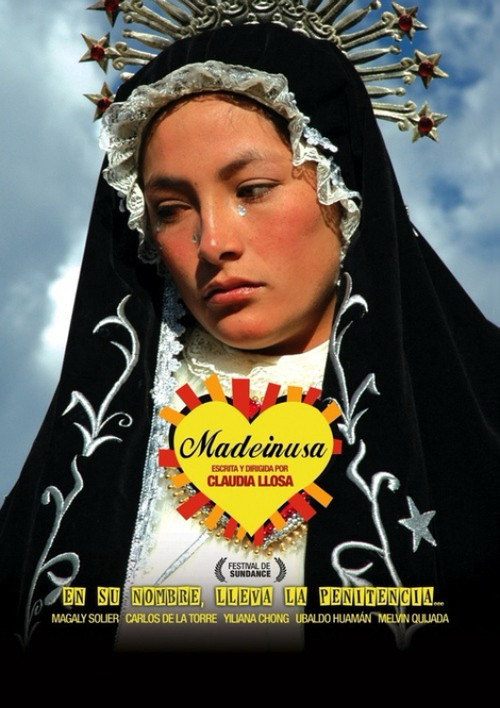
Madeinusa2006
Both grapple with female power, colonialism, and the erotics of wildness in South America, but Llosa destroys the romance entirely, treating desire and landscape as wounds.
Claudia Llosa's experimental Peruvian film transforms colonial conquest and female power into hallucinatory, ritualistic imagery. It takes the Latin American landscape and sensuality of Doña Bárbara and fractures it into something entirely strange—visceral, symbolic, unforgettable.
But It's deliberately shocking, difficult, and abstract. If you want narrative or conventional beauty, this will alienate you. It's confrontational by design.
People
Cast
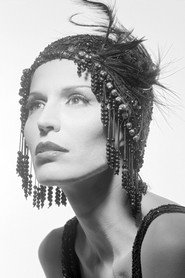 Esther GorisDoña Bárbara
 Ruth GabrielMarisela Barquero
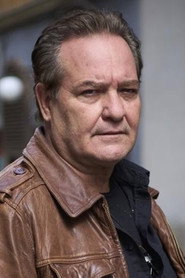 Jorge PerugorríaSantos Luzardo
Directing
- Betty KaplanDirector
Writing
- Betty KaplanWriter
- Rómulo GallegosWriter