
Film
L.I.E.
- Coming-of-age
- Very dark
L.I.E. is a devastating 2001 drama about a lonely suburban teenager whose life fractures after a botched burglary introduces him to a predatory older man. It's austere and unflinching, refusing easy moral comfort. For viewers ready to sit with genuine dread and complexity, not exploitation.
Should you watch it?
Watch it if you want a character study that stays with a hard-to-like teenager's loneliness and lets an uneasy relationship with a menacing older man build without reaching for easy moral lessons.
Skip it if you want brisk plotting or a tidy emotional payoff, since this one drifts on purpose and offers little comfort along the way.
What it asks of you: Long quiet stretches where little seems to happen, a slow dark build, and a runtime of ninety-seven minutes you will mostly spend sitting with unease.
Not sure? Find tonight's pick in a minute.
If you liked this
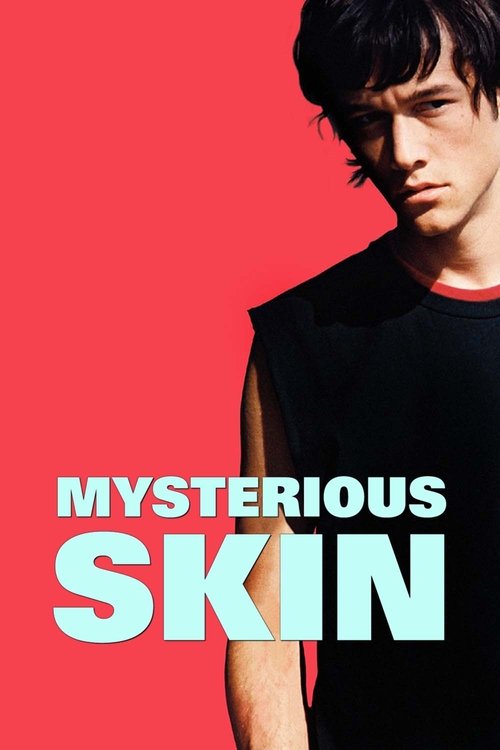
Mysterious Skin2005
Explores trauma and fractured male friendship with the same unflinching honesty. Joseph Gordon-Levitt and Brady Corbet give raw, unsentimental performances that linger long after the credits.
But It's deliberately slow and emotionally exhausting. Some scenes are extremely difficult to watch, and the film never offers catharsis as a reward.
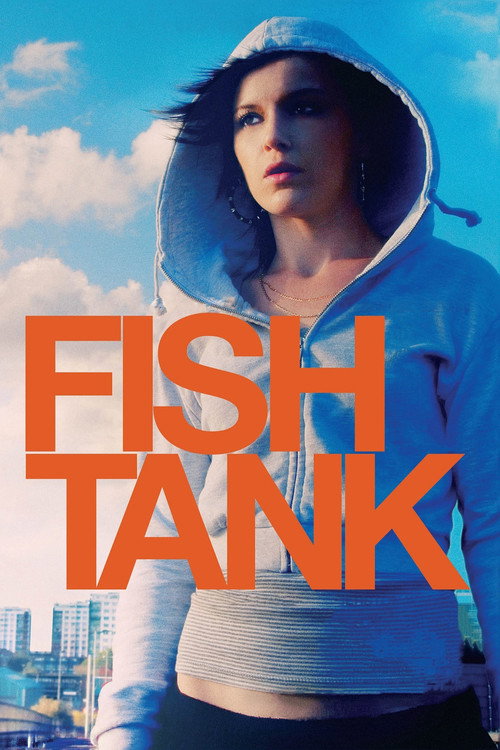
Fish Tank2009
Andrea Arnold's portrait of a working-class girl adrift in London has that same sense of danger lurking in everyday spaces. Beautiful and menacing in equal measure, with real stakes.
But The ending arrives quietly and offers no resolution. If you need narrative satisfaction, this will frustrate you.
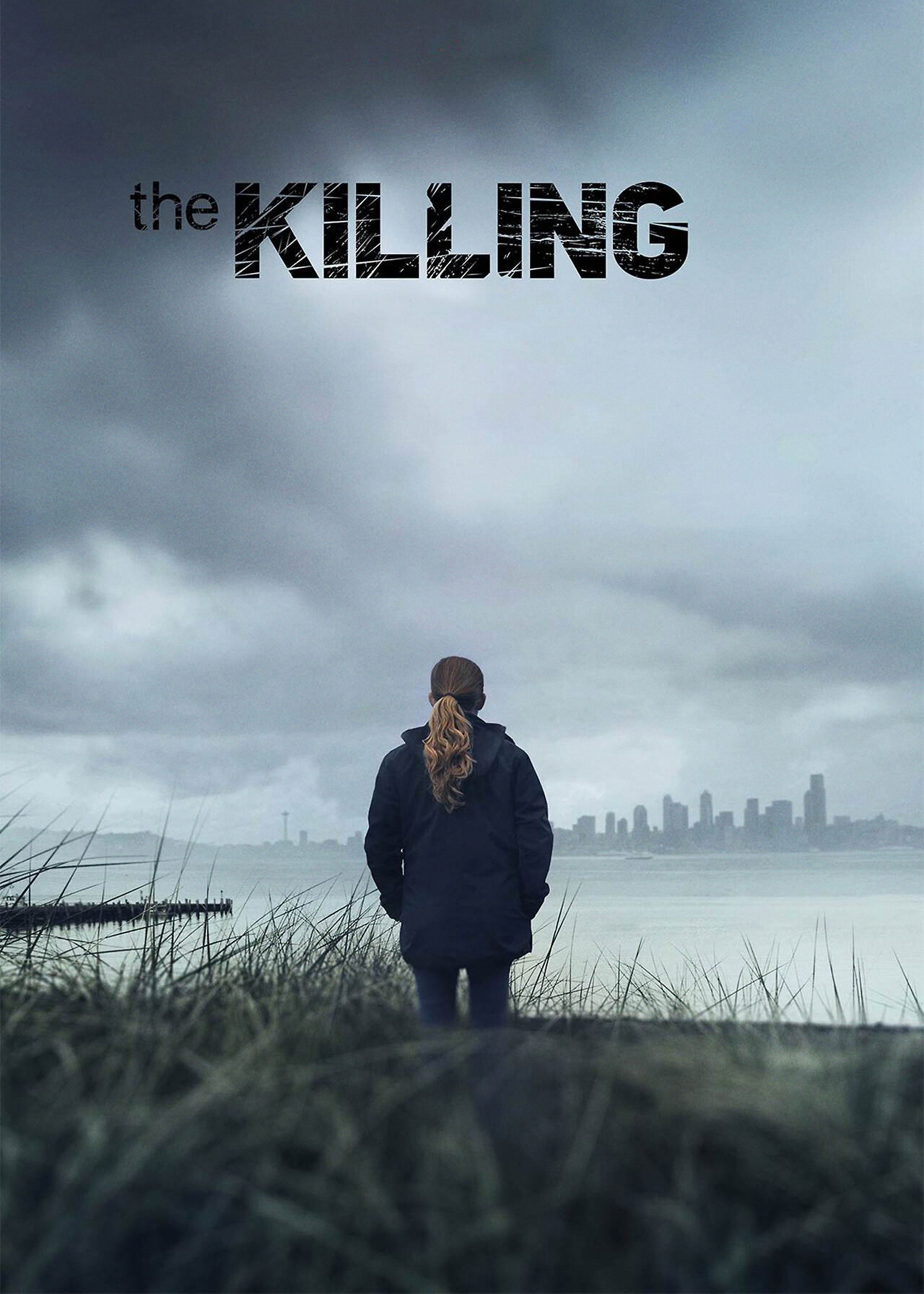
The Killing2011
A Danish procedural that's really about how grief and desperation warp suburban families. Methodical, morally complex, and genuinely haunting without relying on shock.
But The pacing is glacial. Each of the first season's twenty episodes unfolds deliberately, and it demands your full attention every moment.
Not sure tonight? Get a pick in a minute, starting from L.I.E.
The wildcard
Something you would not have found on your own.
Boyhood2014
Both films trust observation over incident. The horror in L.I.E. is what absence and neglect do to a child; Boyhood finds equal dread in mere passage, the way growing up itself wounds without anyone meaning it to.
Linklater's twelve-year real-time portrait of growing up captures the same everyday dread—not plot-driven trauma, just the constant low-level erosion of childhood. Mason's drift mirrors Howie's, but without the violent catalyst.
But It moves at the pace of actual time, which many experience as boredom. The anti-narrative will feel structureless if you're looking for dramatic architecture.

More like this (8)
Requiem for a Dream2000
Aronofsky's portrait of addiction as a slow erasure feels kindred—both about people disappearing inside themselves despite loving connections that can't save them.
But It's visually punishing and emotionally relentless. By design. Some people need gentleness from their art; this film has none.

Synecdoche, New York2008
Kaufman's dizzy masterpiece about a man losing his grip on reality and connection shares L.I.E.'s interest in suburban dislocation and the way loneliness distorts perception.
But It's deliberately confusing and doesn't explain its own logic. If you need a film to make sense, you'll spend two hours frustrated.

Come and See1985
Elem Klimov's unforgettable war film has the same moral clarity as L.I.E.—both refuse to let the viewer feel safe or superior. Devastation captured without artifice.
But It's visually and emotionally apocalyptic. Many who see it describe it as difficult in ways they weren't prepared for. Not hyperbole.

Kes1970
Ken Loach's portrait of a working-class boy finding one moment of grace before everything closes in again. Tenderness and cruelty balanced with devastating precision.
But The class analysis is heavy-handed by modern standards. Some find the social-issue framing didactic rather than organic to the story.

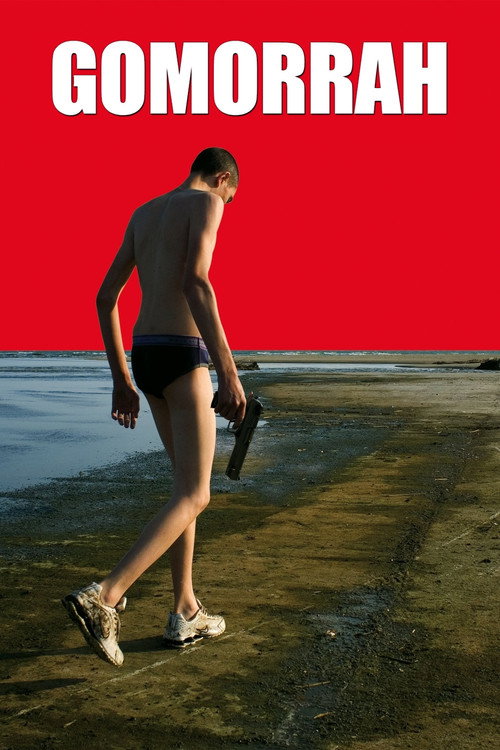
Gomorrah2008
Matteo Garrone's Naples crime epic treats its young characters with the same serious attention as its adults. Ordinary people trapped in systems larger than themselves.
But It's long, multi-threaded, and offers no narrative resolution. Character exits rather than concludes, which many find unsatisfying.
Winter Light1963
Bergman's study of a pastor's spiritual crisis and emotional paralysis captures that same claustrophobic suburban alienation, but in Swedish winter and spiritual dark.
But It's a 1963 Bergman film. If chamber-piece metaphysical depression sounds punishing rather than rewarding, it is.

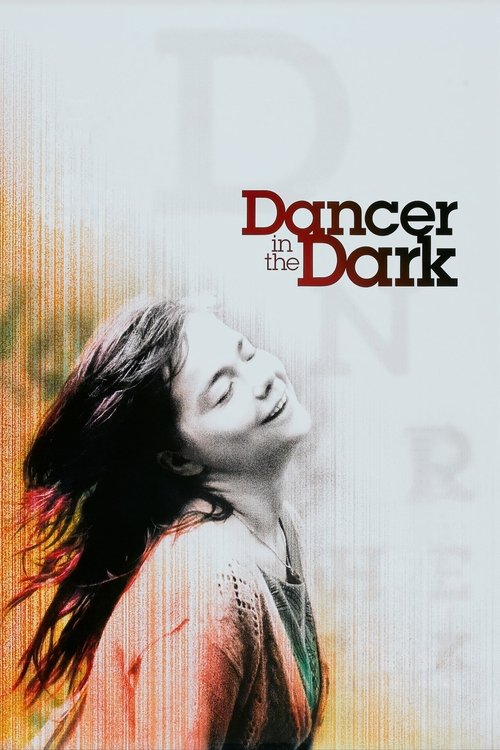
Dancer in the Dark2000
Both are about stunned, isolated people whose attempts to connect lead toward catastrophe rather than away from it. And both refuse to frame that catastrophe as inevitable—it's human choice, which makes it worse.
Lars von Trier's Selma—played with aching dignity by Björk—is a woman disappearing into delusion while trying to protect someone she loves. The musicals offer false escape from unbearable reality.
But It culminates in a sequence of such concentrated human cruelty that many viewers feel traumatized rather than moved. It's von Trier at his most punishing.
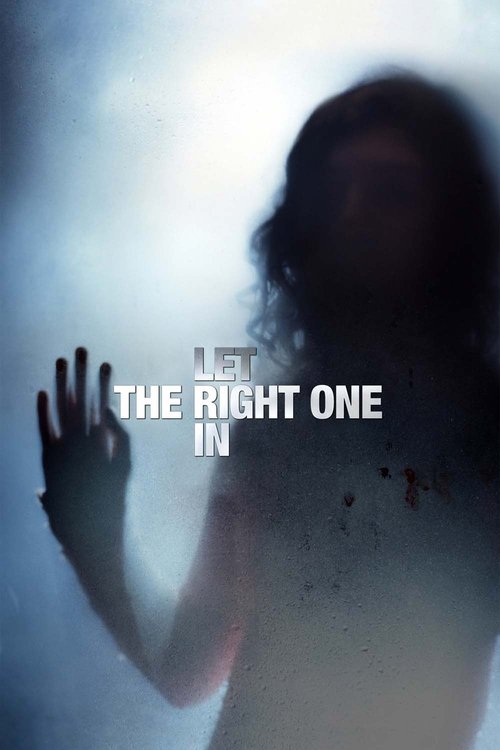
Let the Right One In2008
Both films use an outsider figure—supernatural or real—to investigate what happens when a lonely child reaches for connection without understanding the danger. Neither makes the lonely child the villain, even when consequences are dire.
Tomas Alfredson's vampire film is really about two lonely children finding understanding in isolation. It's tender and terrifying, using genre language to explore connection between people who don't fit anywhere.
But The vampire plot can feel secondary to some viewers, as though they wanted a deeper exploration of the supernatural elements. Also: it's in Swedish with subtitles.
People
Cast
 Paul DanoHowie Blitzer
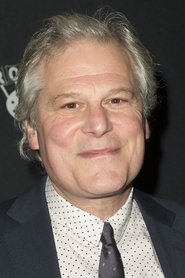 Bruce AltmanMarty Blitzer
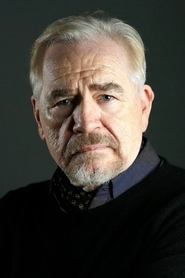 Brian CoxBig John Harrigan
 Billy KayGary
 James CostaKevin Cole
 Walter MastersonScott
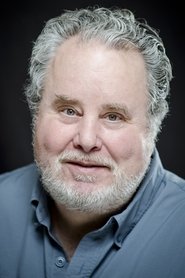 Adam LeFevreElliot
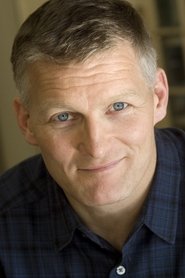 Chance KellyPrison Guard
 Marcia DeBonisGuidance Counselor
Directing
- Michael CuestaDirector
Writing
- Gerald CuestaWriter
- Michael CuestaWriter
- Stephen M. RyderWriter
Production
- Linda MoranProducer
- Michael CuestaProducer
- Rene BastianProducer
Recommended by
Arlington Road, Maria Full of Grace, The Informer, Stolen, The Awakening