
Film
Silent Hill: Revelation 3D
Silent Hill: Revelation 3D drags the video game franchise into a bigger, messier theatrical sequel. It's gothic and technically ambitious but narratively tangled—part supernatural thriller, part mythology dump. For franchise devotees and 3D spectacle fans willing to forgive narrative chaos for atmosphere and creature design.
Should you watch it?
Watch it if you want a loud, gloopy, atmospheric nightmare where the fog and the monsters matter more than the plot, and you already enjoy the particular dread of the games.
Skip it if you need a clear, tight plot, since this one loops through chases and exposition with little patience for logic, and its 3D mostly feels gimmicky.
What it asks of you: A brisk ninety-four minutes, but much of it is hallway dread and slow-burn creeping, with gore arriving in bursts rather than as a steady rhythm.
Not sure? Find tonight's pick in a minute.
If you liked this
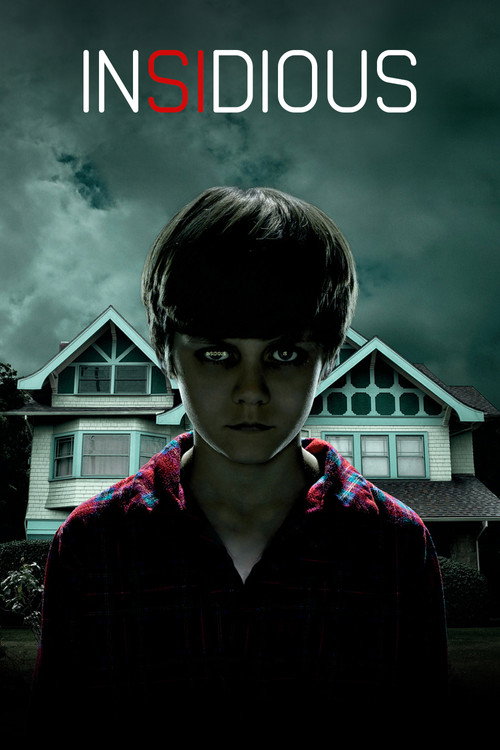
Insidious2011
Shares the same haunted-family-in-otherworldly-peril setup with better pacing and genuine scares. James Wan creates dread through sound design and patient building rather than overwhelming you with lore.
But It's slower and more restrained than Silent Hill's maximalist approach, which some find less exciting than busy baroque horror.
The Ring2002
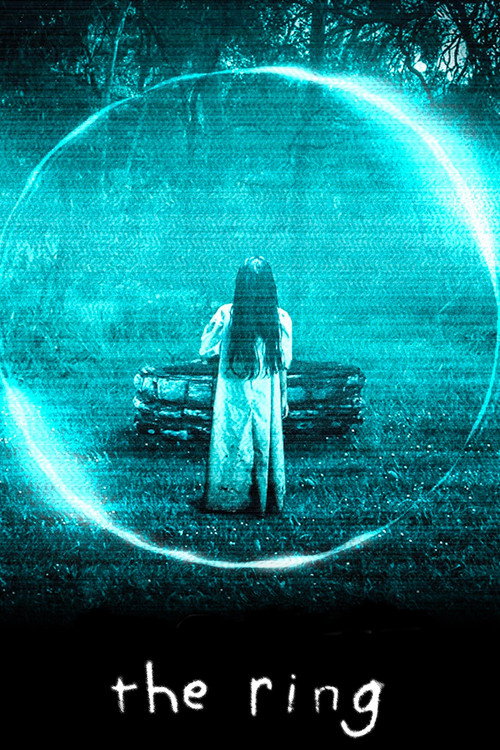
Gore Verbinski's adaptation understands how to translate horror source material into something visually striking without losing the core dread. Samara is genuinely uncanny in ways Silent Hill's monsters sometimes aren't.
But It's a detective procedural as much as a haunting, so if you want constant supernatural encounters, the middle drags.
Sinister2012
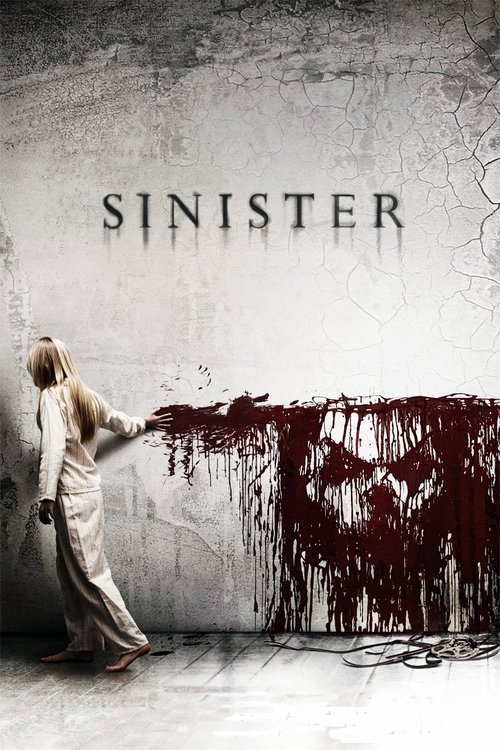
Released the same year, it nails what Revelation attempts: mysterious evil, a protagonist drawn into something they don't understand, and genuinely unsettling imagery. Scott Derrickson makes every frame count.
But It's more cerebral and less action-oriented. No elaborate set pieces, just slow-burn dread that some find tedious.
Not sure tonight? Get a pick in a minute, starting from Silent Hill: Revelation 3D
The wildcard
Something you would not have found on your own.
Twin Peaks1990
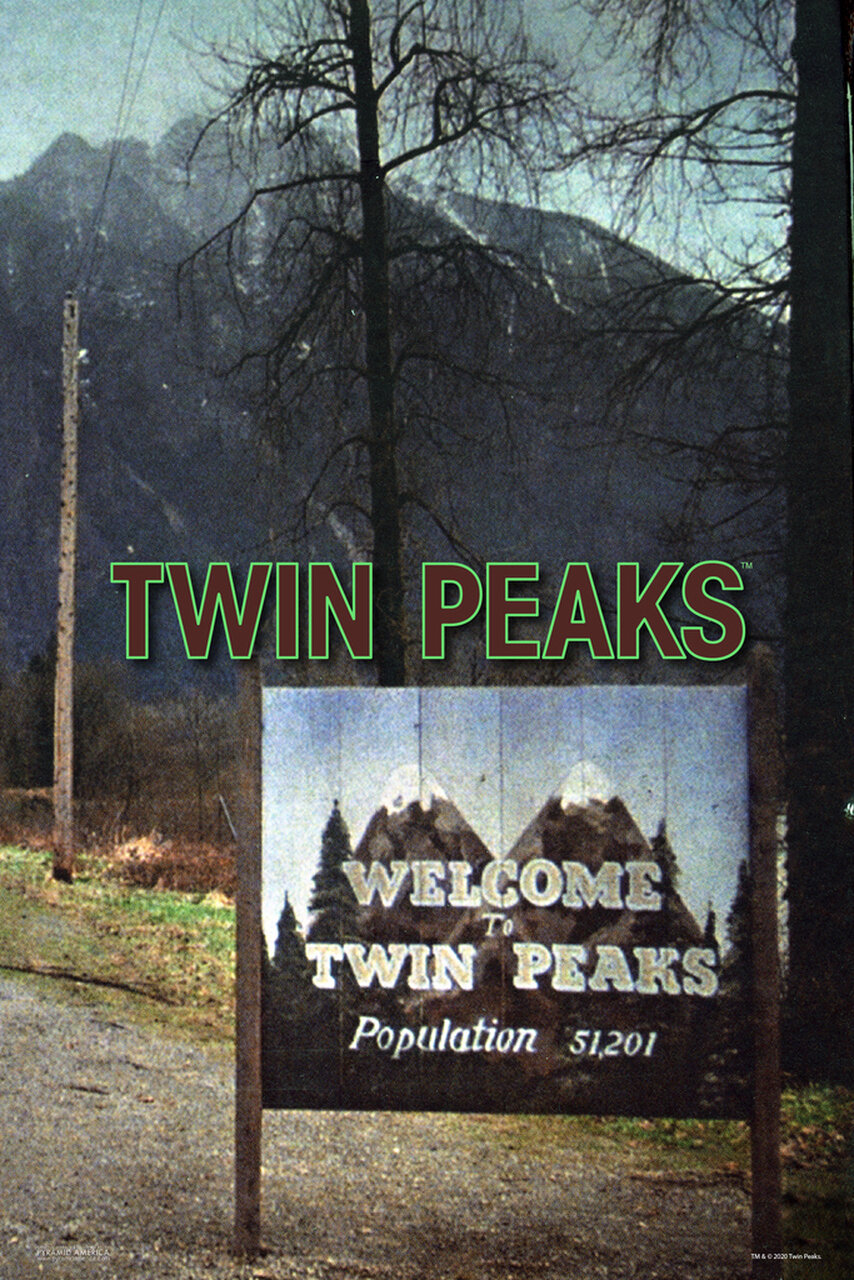
Both create worlds where a young person discovers their reality is false and that a corrupt authority has been lying about their identity. Both use a real town as a gateway to something corrupted and demonic underneath. Both privilege atmosphere over plot coherence.
Lynch's surreal murder mystery shares Silent Hill's commitment to otherworldly wrongness bleeding into a small town, but he commits fully to dreamlogic. Watching it is like navigating a nightmare with emotional weight underneath the weirdness. 25 episodes means you settle into the town's rhythm.
But It's fundamentally avant-garde television that refuses to explain itself. If you need narrative clarity and straightforward answers, this will infuriate you. The middle season notably loses focus.
More like this (8)
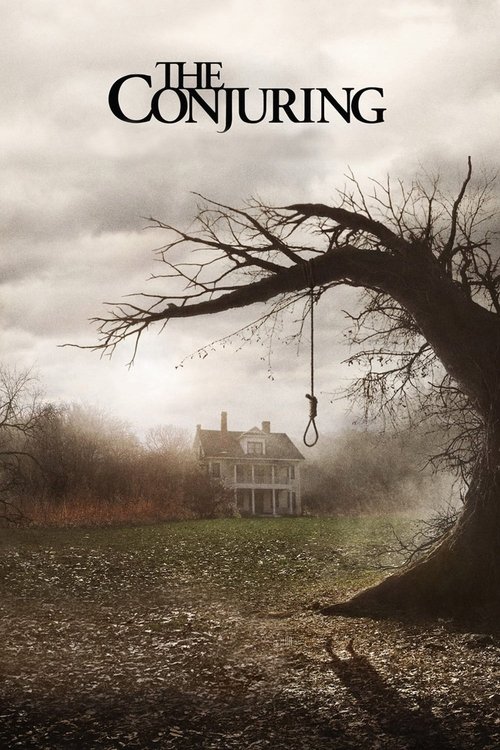
The Conjuring2013
James Wan proves he can make a haunted-house film that's both crowd-pleasing and genuinely frightening. The family dynamics feel lived-in, and the scares are clearly earned rather than thrown at you.
But It's deliberately classical in structure—if you want something odder or more ambitious, this will feel safe and familiar.
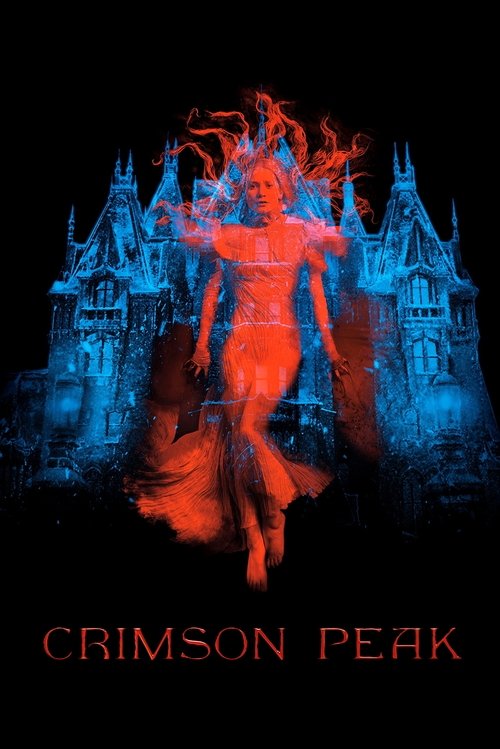
Crimson Peak2015
Guillermo del Toro's gothic romance-thriller has that same baroque visual excess as Silent Hill but in service of an actual narrative that holds together. The ghosts mean something; the architecture tells the story.
But It's a period piece with slower dialogue-heavy scenes. If you want constant action and monsters, you'll be frustrated by the courtship subplot.
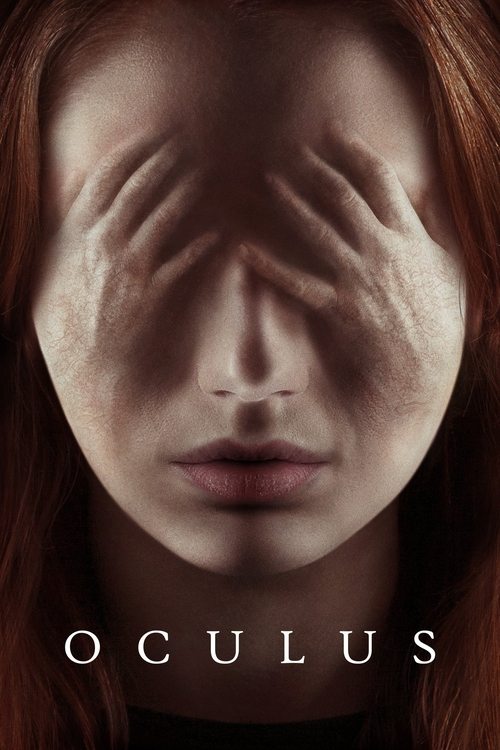
Oculus2014
Mike Flanagan finds fresh territory in the haunted-mirror premise and executes a fractured, reality-bending narrative that actually justifies its complexity. The scares serve the story, not the other way around.
But The non-linear structure can feel gimmicky. Some find the twist too clever and lose emotional investment in the characters.
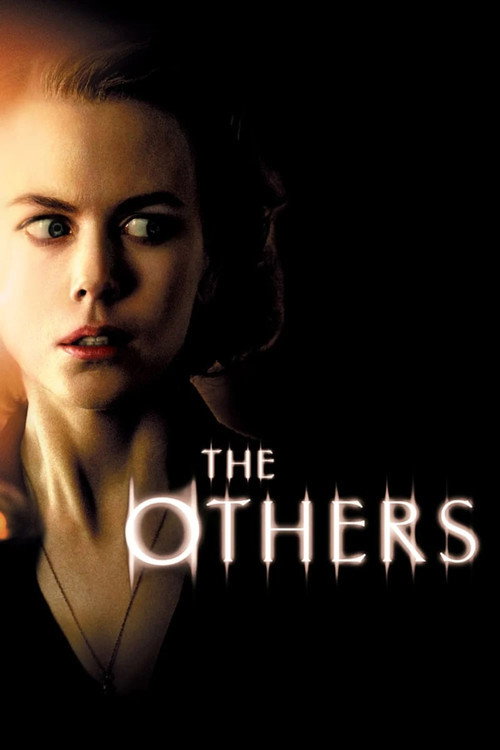
The Others2001
Amenábar's supernatural mystery has the Gothic atmosphere and layered mythology you're looking for, but with restraint and an ending that recontextualizes everything you've seen. It trusts the audience.
But It's deliberately paced and dialogue-heavy. Modern viewers sometimes find it slow; there's minimal action and mostly just characters talking in rooms.
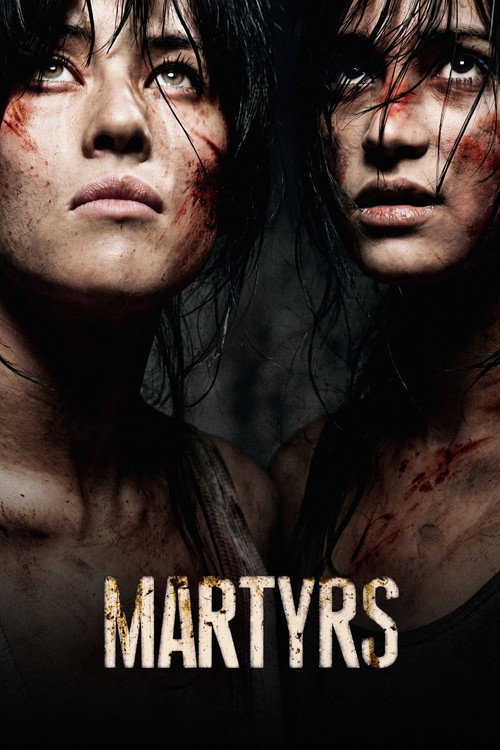
Martyrs2008
A French horror film that takes its philosophical premise seriously and commits fully to exploring it. Grueling and visually inventive in ways that make most American horror feel timid by comparison.
But It's genuinely brutal and nihilistic. If you watch horror to be comforted, this will leave you unsettled in ways that don't resolve. Not for squeamish viewers.
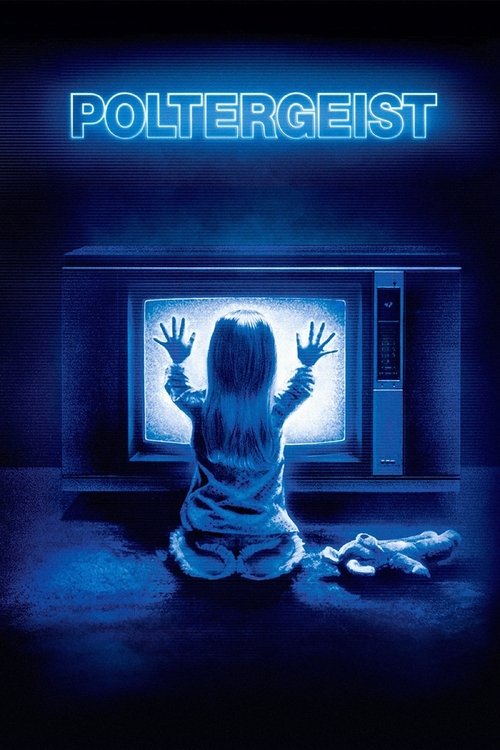
Poltergeist1982
Tobe Hooper's masterpiece understands that a family under siege is more terrifying than any individual monster. The special effects still hold up, and the stakes feel genuinely tragic rather than cartoonish.
But It's 40 years old and plays as a haunted-house thriller more than pure horror. Some find it dated; others find it too family-friendly for the title.
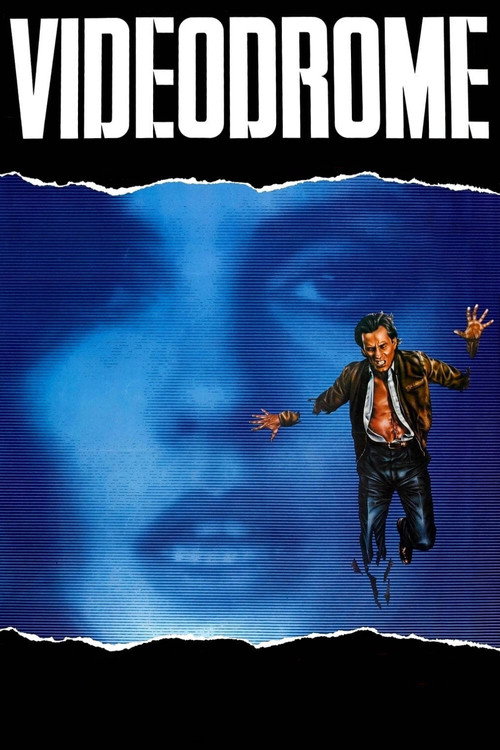
Videodrome1983
Both protagonist Heather and Max Renn are young people whose sense of self is attacked by an external force. Both films use unreliable perception as the core of their horror—is the threat real or internal? Both prioritize visceral wrongness over narrative coherence.
Cronenberg's hallucinogenic body-horror nightmare about media corruption and identity collapse is formally experimental in ways modern horror rarely attempts. It's genuinely disorienting—you never quite know what's real, and the grotesque imagery lingers.
But It's deliberately ugly and confusing. If you need emotional catharsis or a clear villain to hate, you'll leave frustrated. Some find it incomprehensible pretension rather than horror.
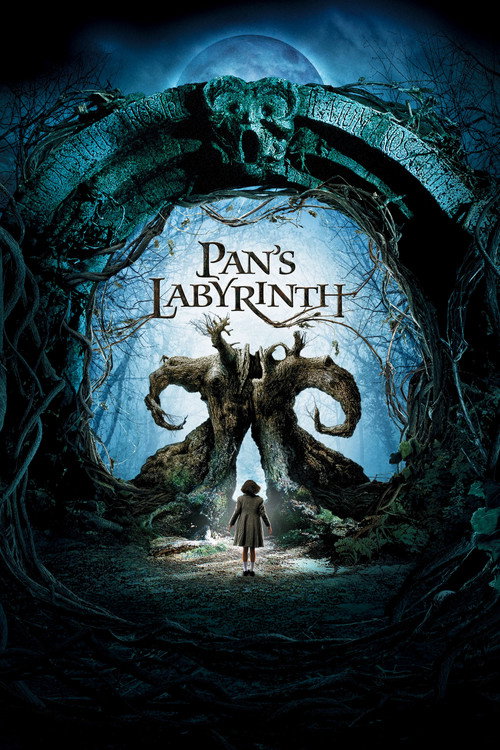
Pan's Labyrinth2006
Like Silent Hill, it uses a girl's supernatural journey as a way to explore trauma and escape. Both create otherworlds that reflect psychological damage. Both use creature design and production design as the primary storytelling method rather than dialogue or plot mechanics.
del Toro's masterpiece merges fantasy mythology with real-world cruelty in a way that makes the supernatural feel like the only escape. It's visually gorgeous, morally complex, and genuinely moving—horror that earns its darkness because it matters.
But It's not purely a horror film; it's a war story with fantastical elements. If you're looking for jump scares or a monster movie, you'll be disappointed. The pacing is deliberate and the ending is sad.
People
Cast
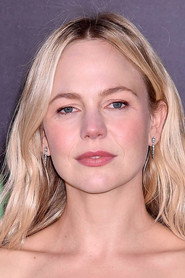 Adelaide ClemensHeather Mason / Sharon Da Silva / Alessa
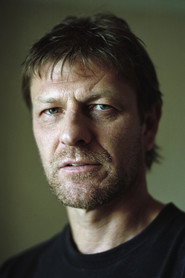 Sean BeanHarry Mason / Christopher Da Silva
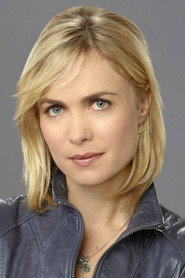 Radha MitchellRose Da Silva
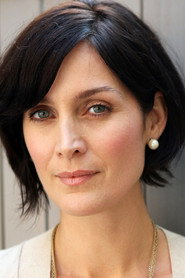 Carrie-Anne MossClaudia Wolf
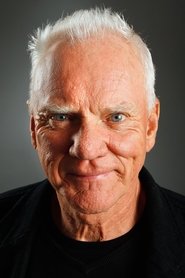 Malcolm McDowellLeonard Wolf
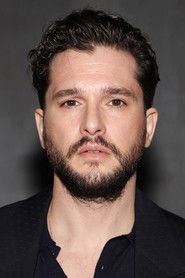 Kit HaringtonVincent Carter
 Deborah Kara UngerDahlia Gillespie
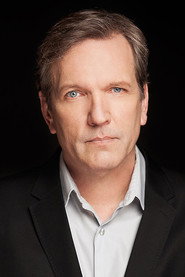 Martin DonovanDouglas Cartland
 Erin PittYoung Alessa Gillespie
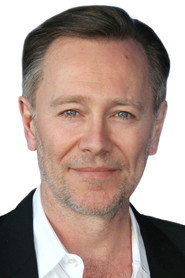 Peter OuterbridgeTravis Grady
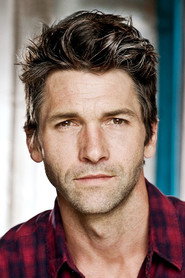 Jefferson BrownDetective Santini
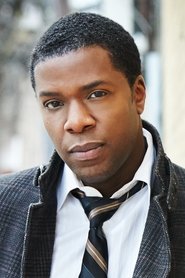 Milton BarnesDetective Cable
Directing
- MJ BassettDirector
- Lisa BurlingScript Supervisor
Writing
- Laurent HadidaAdaptation
- MJ BassettWriter
Production
- Deirdre BowenCasting
- Tovah SmallCasting Assistant
- Christopher RichardsCasting Associate
- Laurent HadidaCo-Producer
- Victor HadidaExecutive Producer
- Jane RogersExtras Casting
- Hartley GorensteinLine Producer
- Jonathan MatthewsLocation Manager
- Don CarmodyProducer
- Samuel HadidaProducer
- Brendan CarmodyResearcher