
Film
Found
- Psychological horror
- Serial killer
- Very dark
Found is a bleak, intimate horror-thriller about a fifth-grader discovering his older brother is a serial killer. It's deeply uncomfortable—ugly lighting, naturalistic performances, no catharsis. Structurally experimental and morally queasy, it's for people who want horror that doesn't look away or offer easy answers.
Should you watch it?
Watch it if you like slow-burn horror that watches a child's ordinary school and family life slowly curdle, where dread builds from what the kid quietly notices rather than from big set pieces.
Skip it if you want brisk plotting; this is more unsettling mood than momentum, and its bleak, lonely tone may feel draining rather than rewarding.
What it asks of you: Patience above all: it runs about an hour and forty-three minutes, and it lets quiet domestic scenes sit long enough to turn uneasy before anything else arrives.
Not sure? Find tonight's pick in a minute.
If you liked this
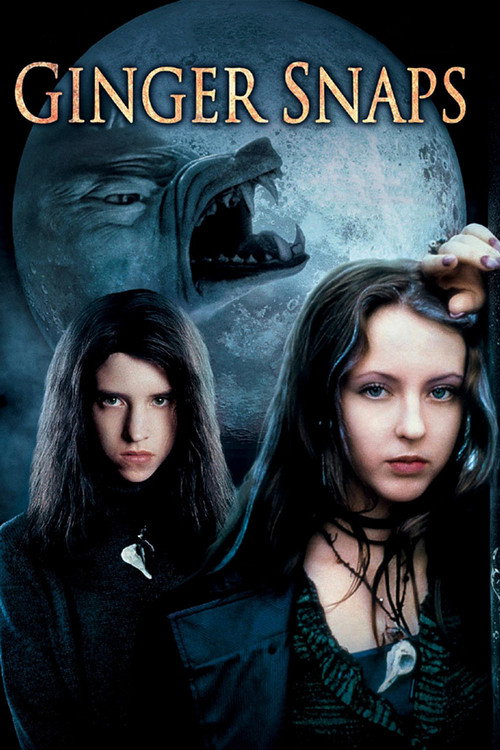
Ginger Snaps2000
A sharp, visceral coming-of-age horror about adolescent transformation and family dysfunction. Like Found, it uses genre to explore what happens when your body becomes something you can't control or hide.
But The werewolf metaphor occasionally overshadows character work. Some found-footage-style sequences feel dated now.
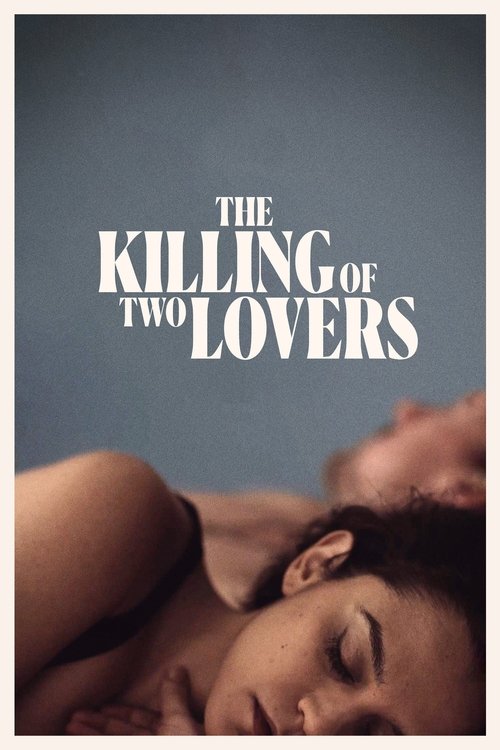
The Killing of Two Lovers2021
A slow-burn domestic horror about a man in crisis. Shares Found's uncomfortable naturalism and focus on the gap between how families appear and what's actually happening inside them.
But Deliberately paced and bleak. No genre payoff—it's about dread, not scares. Demands patience most viewers won't have.
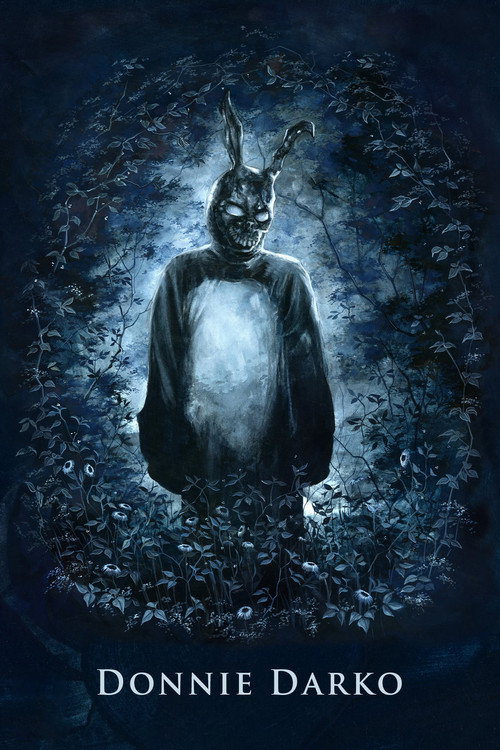
Donnie Darko2001
A troubled teenager at the center of escalating strangeness. Both films use genre to externalize teenage alienation and family strain, wrapped in genuine weirdness rather than jump scares.
But Darko leans into sci-fi mythology; some find the explanation indulgent. Tonal shifts might feel uneven compared to Found's consistency.
Not sure tonight? Get a pick in a minute, starting from Found
The wildcard
Something you would not have found on your own.
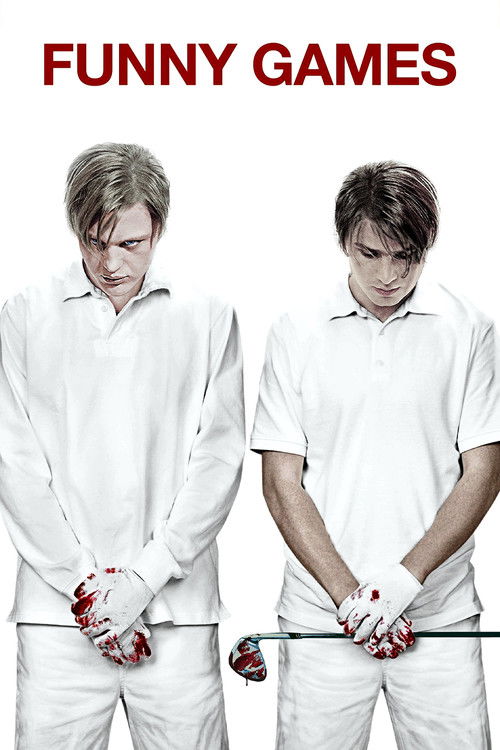
Funny Games2008
Both examine what it means to watch atrocity up close within family structures. Both refuse conventional catharsis or judgment. Both implicate the viewer.
Haneke's English-language remake: sadistic home invasion that breaks the fourth wall and questions why you're watching. Found is about complicity in witnessing violence. Funny Games makes that complicity its entire subject and won't let you look away comfortably.
But Deliberately punishing and didactic. Many viewers find it unwatchable—not scary, just cruel. Haneke is essentially attacking his audience's appetite for violence.
More like this (7)
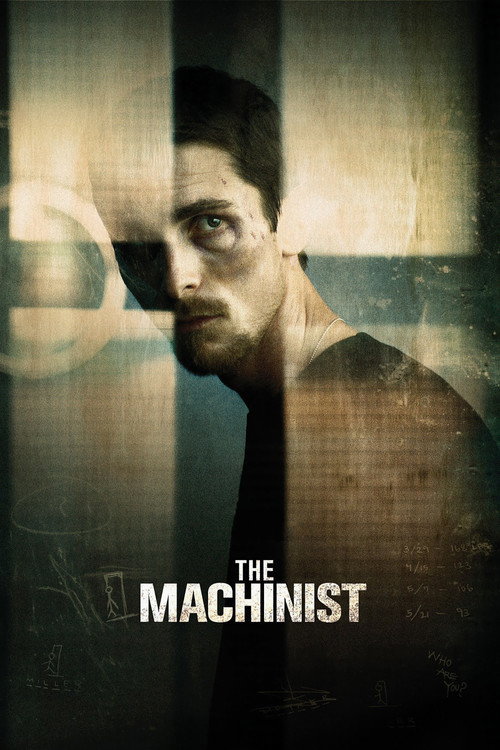
The Machinist2004
Christian Bale's skeletal insomniac unravels amid industrial decay. Shares Found's commitment to making the audience uncomfortable, no relief valves, a secret eating someone alive from inside.
But Very dark, very slow. The twist is divisive. Some see it as nihilistic posturing rather than meaningful horror.
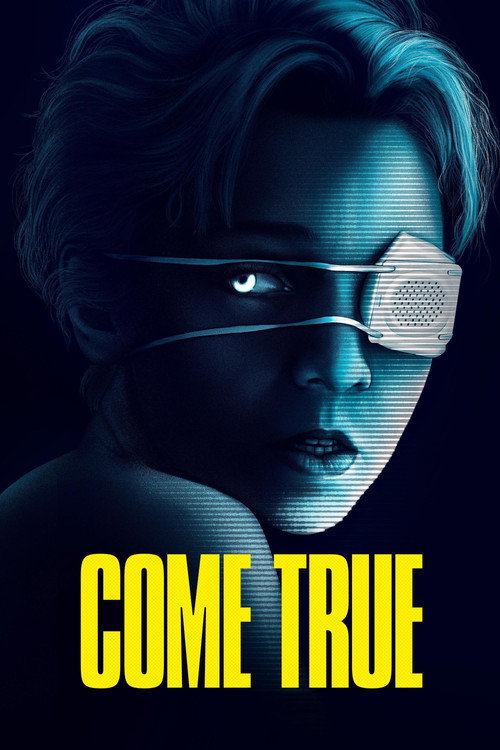
Come True2020
Sleep deprivation study becomes existential nightmare. Both films trust the audience to sit with dread and confusion. Deliberately alienating sound design and visuals that don't explain themselves.
But Resolutely avant-garde. The narrative is deliberately fragmented. If you want clarity or conventional resolution, this will frustrate you.
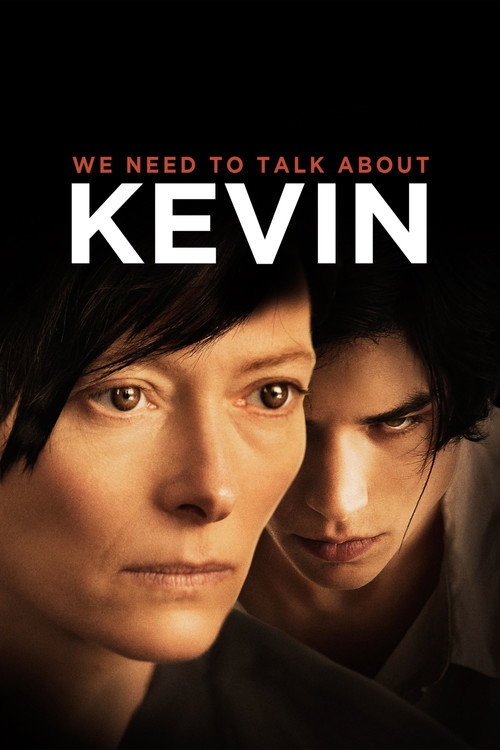
We Need to Talk About Kevin2011
Tilda Swinton as a mother haunted by her son's violence. Found's thematic partner—both examine complicity, family bonds after horror, the unbridgeable distance between family members who know each other's secrets.
But Emotionally punishing and formally experimental. Intercuts past and present relentlessly. Some viewers find the technique distracting rather than illuminating.
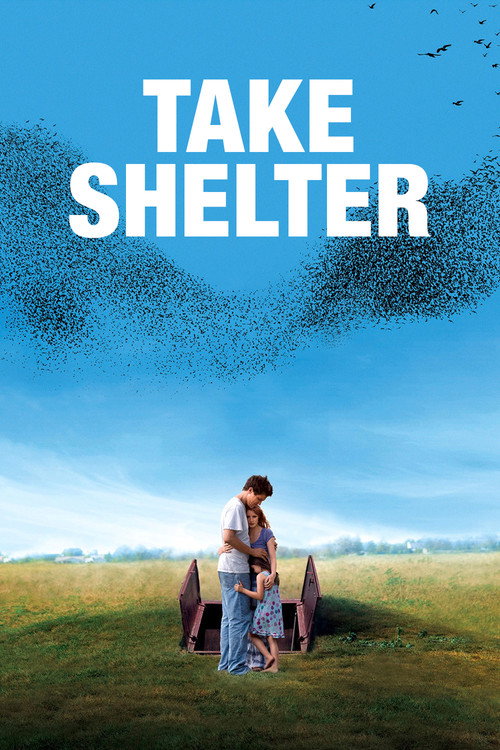
Take Shelter2011
Michael Shannon builds a storm shelter while his family worries he's losing his mind. Paranoia, family claustrophobia, the question of what you owe people you love. Slow accumulation of dread.
But Deliberately ambiguous about what's real. The ending frustrates people expecting answers. Some find the pacing glacial.
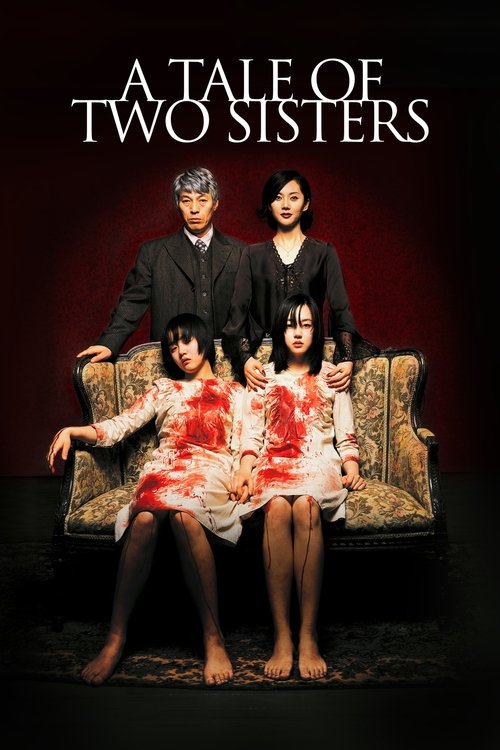
A Tale of Two Sisters2003
Gorgeously shot Korean horror about sisters returning home after hospitalization. Surreal, deeply unsettling, more interested in emotional truth than plot logic. Visual language that lingers.
But Narrative is deliberately obscured and non-linear. The horror is atmospheric rather than visceral. Requires active interpretation; passive watching won't work.
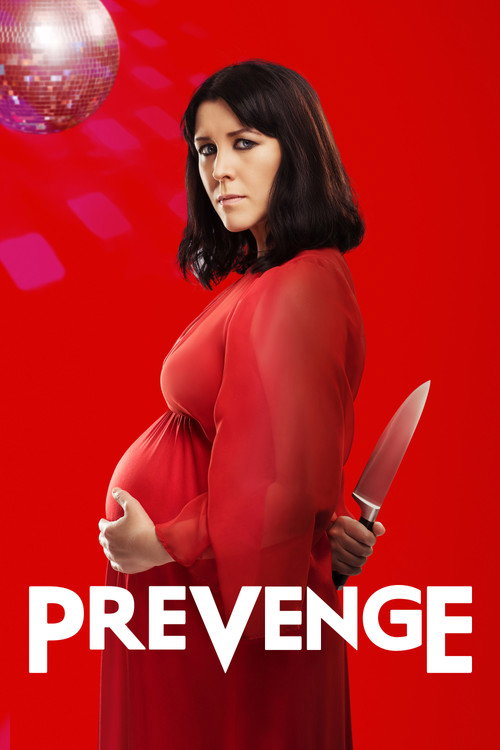
Prevenge2017
A pregnant woman commits murders she believes her fetus is directing her to commit. Formally inventive, darkly funny, genuinely strange. Uses pregnancy body-horror and maternal psychology as the engine for its horror.
But Cheap-looking intentionally; some mistake style for budget. Tone is aggressively weird—not for viewers who want conventionally likable characters or coherent logic.
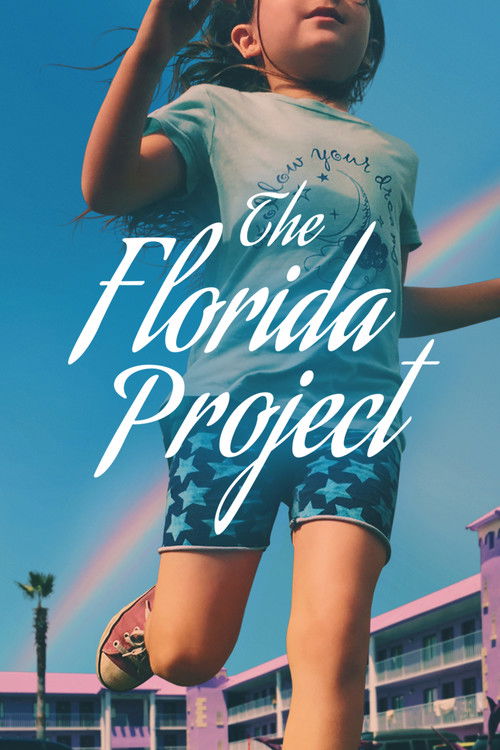
The Florida Project2017
Both center a child's incomprehension of adult failure. Both refuse to sentimentalize childhood or offer false comfort. Both trust images and silences over exposition.
A child's perspective on poverty and parental failure near Disney World. Found told through a kid's eyes discovering corruption in his family; this is a child witnessing systemic indifference. Same vulnerability, different scale. Heartbreaking where Found is horrifying, but equally unblinking.
But No genre scaffolding—it's pure social realism. Some find it depressing rather than engaging. The child protagonist's optimism can feel naive to adult viewers who see the trap more clearly than she does.
People
Cast
 Gavin BrownMarty
 Ethan PhilbeckSteve
 Alex KoginDavid
- Andy AlphonsePastor Dan
 Kitsie DuncanTrevor's Mom
- Kate BraunMs Thomas
- Edward JacksonMarcus
- Adrian Cox-ThurmondTrevor
 Brigid Macaulay2nd Victim in 'Headless'
- Shane Beasley'Headless' Killer
Directing
- Scott SchirmerDirector
Writing
- Todd RigneyNovel
- Scott SchirmerScreenplay
- Todd RigneyScreenplay
Production
- Sheila ButlerCasting
- Damien WesnerProducer
- Leya TaylorProducer