
Film
Kinetta
- Drama
- Slow-burning
A Greek off-season hotel becomes the stage for three strangers attempting to stage and document manufactured violence. Kinetta moves with deliberate strangeness, all mood and tension with minimal dialogue, watching ordinary people enact brutality for reasons never quite explained. For those drawn to cinema that trusts silence and refuses easy answers.
If you liked this
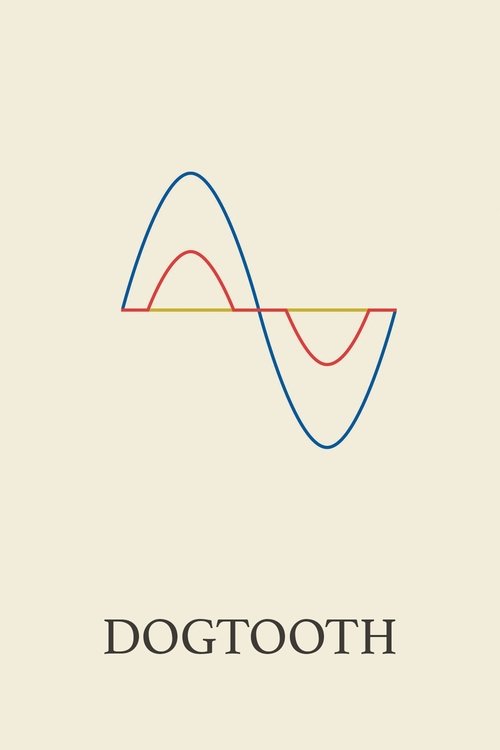
Dogtooth2009
Another Greek film that finds horror in the mundane and banal. Yorgos Lanthimos creates an enclosed world where social norms warp into something disturbing, using careful pacing and deadpan strangeness to unsettle you completely.
But The premise involves disturbing power dynamics and family cruelty. It's deliberately opaque about its intentions, which some find pretentious rather than provocative.
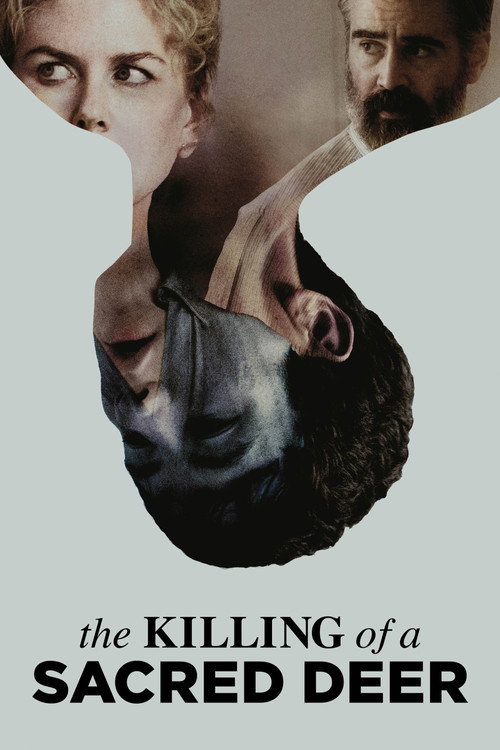
The Killing of a Sacred Deer2017
Lanthimos again, but here's the connection that matters: ritualistic violence treated as bureaucratic procedure. A family enacts something unspeakable with the same flat affect as paying taxes. Clinical, precise, impossible to look away from.
But Extremely slow-burn and methodical. The horror is conceptual rather than visceral, which can feel like watching paint dry if you need conventional tension.
A Prophet2009
French prison drama that, like Kinetta, is fascinated by how ordinary men perform rituals of power and submission. Minimal exposition, maximum observation. The camera watches without judgment as hierarchies are established through small, careful gestures.
But It's 2.5 hours in a confined space with men committing terrible acts. Some find the pacing exhausting rather than meditative.

Not sure tonight? Get a pick in a minute, starting from Kinetta
The wildcard
Something you would not have found on your own.
Stalker1979
Both films trust spatial mystery over plot. Both believe that what isn't explained matters more than what is. Both use ordinary people in confined spaces to ask questions about desire and performance.
Tarkovsky's Soviet science-fiction film moves at Kinetta's pace but in the opposite direction: inward rather than outward. A guide escorts two men through a mysterious zone toward a room that grants wishes. It's about desire, faith, and the spaces between words—how language fails to capture what we want.
But 163 minutes of near-total silence and slow camera movement. If you think Kinetta is slow, Stalker will feel like a test of endurance rather than cinema.

More like this (8)
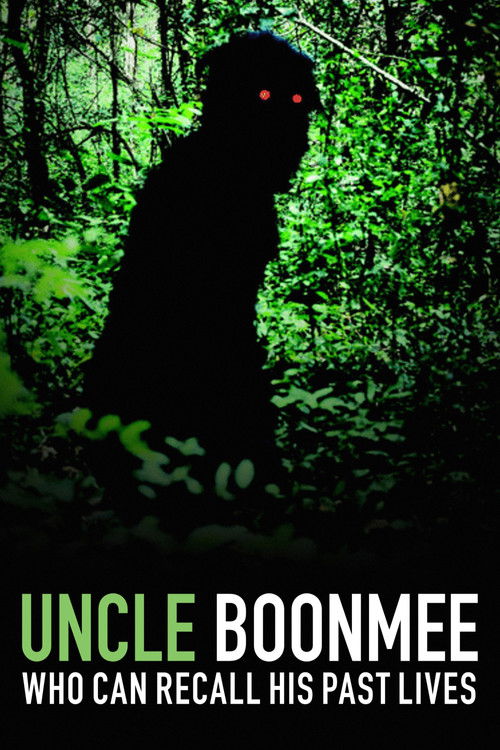
Uncle Boonmee Who Can Recall His Past Lives2010
Apichatpong Weerasethakul's masterpiece shares Kinetta's patience with silence and its refusal to explain. Ghosts appear, people sit, time moves oddly. It asks you to sit with mystery rather than solve it.
But Nothing happens in the conventional sense. Dialogue is sparse, scenes hold for uncomfortable lengths. If you need plot momentum, this will feel like nothing.
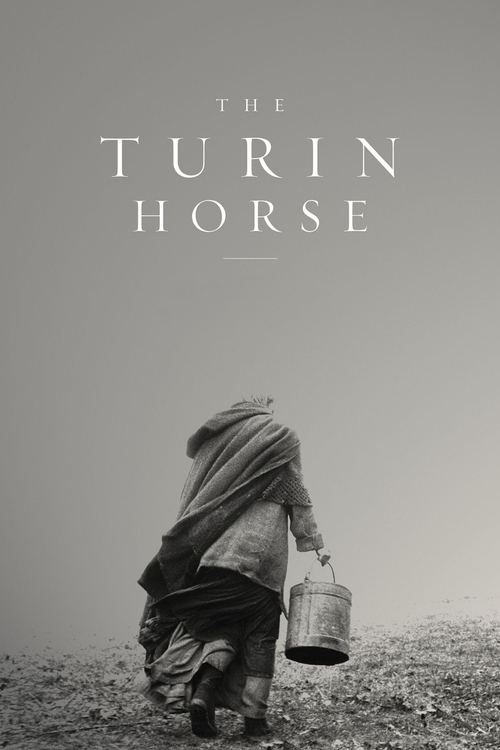
The Turin Horse2011
Béla Tarr's final film: two people in a small space performing daily rituals as the world decays. Like Kinetta, it's interested in the texture of repetition and what ordinary actions reveal when stripped of context.
But Shot in black-and-white, 146 minutes, almost no plot. Tarr's cinema is about endurance; watching it requires real commitment.
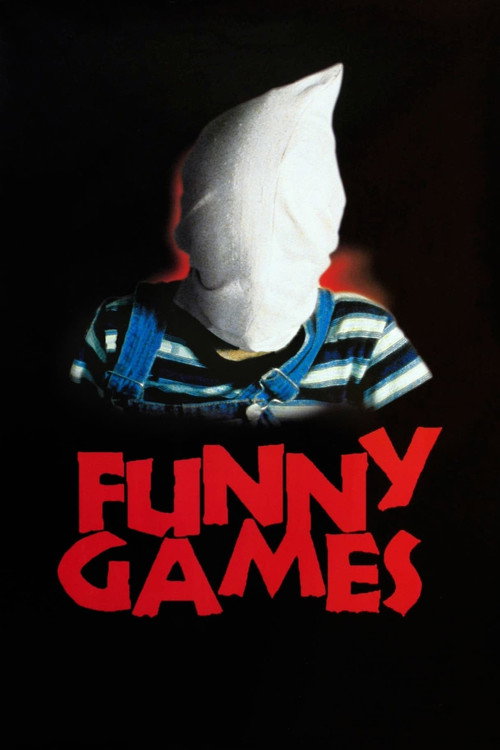
Funny Games1997
Haneke's Austrian original (not the American remake) is explicitly about performance and violence as spectacle. A family is held captive by two young men who treat brutality as entertainment, forcing you to question what you're watching and why.
But The violence is real and sustained. Haneke means to implicate the viewer, which can feel like punishment rather than provocation.
Come and See1985
Elem Klimov's Soviet film about a boy in WWII doesn't explain war—it shows its texture, its stupidity, its crushing weight. Like Kinetta, it trusts observation over exposition, but scales it to apocalyptic intensity.
But One of cinema's most harrowing films. The violence is neither stylized nor climactic; it's just what happens. Some find it unbearable.

The Seventh Seal1957
Bergman's knight playing chess with Death isn't plot-driven either—it's a series of encounters and conversations about meaning. It shares Kinetta's interest in people performing rituals they don't fully understand.
But Philosophical and deliberately theatrical. If you find Bergman precious or overly intellectual, this won't change your mind.

The Holy Mountain1973
Jodorowsky's surrealist film is less about narrative than about sequences of imagery that accumulate like rituals. Like Kinetta, it's about what bodies and objects mean when freed from conventional storytelling.
But Deeply weird, often grotesque, and symbolism-heavy to the point of incomprehensibility. It's art cinema at its most demanding and ornamental.

Requiem for a Dream2000
Both films are obsessed with how people enact the same behaviors over and over, seeking something they can't name. Both treat repetition as a form of performance. But where Kinetta is cold and observational, Requiem is hot and accusatory.
Darren Aronofsky's film about addiction across four lives uses fractured, repetitive editing to show how rituals—drug use, diet pills, television, sex—become performances we repeat until they consume us. It's Kinetta's dark mirror: the same fascination with repetition, but urgent and loud.
But Visually aggressive and emotionally punishing. It's designed to make you uncomfortable, and the editing style will exhaust some viewers. Not meditative—assaultive.

Memories of Murder2003
Both films are about people enacting roles they don't fully understand—cop, suspect, victim. Both suggest that performance and reality collapse under pressure. But Memories operates within genre conventions while Kinetta abandons them entirely.
Bong Joon-ho's South Korean serial-killer film shares Kinetta's interest in the texture of performance—detectives performing investigation, suspects performing innocence, violence as a kind of theater. But it's a narrative film, urgent and gripping, where Kinetta's violence is staged and static.
But It's a genre film, so expectations shift. If you want ambiguity and deliberate withholding of meaning, this will feel conventional and resolved. It also contains disturbing police brutality.

People
Cast
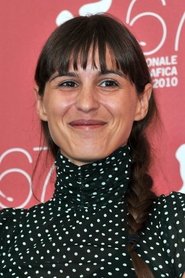 Evangelia RandouChambermaid
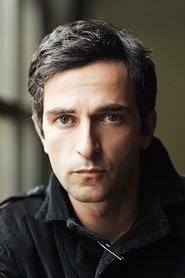 Aris ServetalisPhoto-Store Clerk
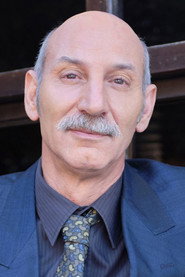 Costas XikominosMan Obsessed with BMWs
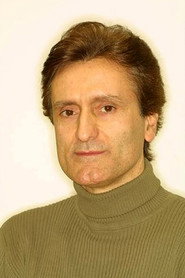 Ektoras KaloudisPolitis Aftokiniton
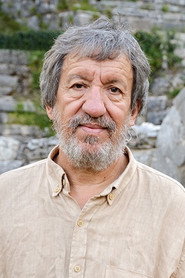 Vasilis KaraboulasPlasie Rouhon
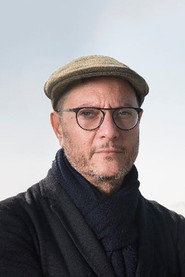 Steve KrikrisBarman
- Tina PapanikolaouNosokoma
 Youlika SkafidaThima Paralias
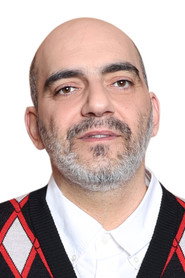 Babis GaliatsatosYpastinomos
Directing
- Kostas PapadakisAssistant Director
- Yorgos LanthimosDirector
Writing
- Yorgos KakanakisWriter
- Yorgos LanthimosWriter
Production
- Alex KellyCasting
- Christina AkzotiCasting
- Athina Rachel TsangariProducer
- Jenny PanoutsopoulosProduction Manager