
Television series
Enemy at the Door
A 1978 ITV drama set in German-occupied Jersey during WWII, exploring the fraught coexistence of occupiers and occupied. Less about battle than the grinding daily reality of life under foreign rule—the small cruelties, compromises and surprising humanities that emerge when enemies must share a street. For anyone tired of heroic war narratives and hungry for something more complicated.
Should you watch it?
Watch it if you like occupation dramas that study the everyday compromises of neighbours, where the tension comes from polite dinners and small bargains rather than gunfire.
Skip it if you want fast plot and brisk action, because at 26 episodes of an hour each this moves slowly and lingers on daily routine.
What it asks of you: Real staying power: two seasons of hour-long episodes, a slow build, and a willingness to sit through quiet domestic scenes where little seems to happen.
Not sure? Find tonight's pick in a minute.
If you liked this
Heist2021
Rainer Werner Fassbinder's masterwork traces German village life across decades with the same unflinching eye for occupied quotidian life. Epic in scope but intimate in focus, showing how ordinary people navigate extraordinary circumstances without neat moral resolution.
But Nearly 16 hours across three parts, shot in 1984 West German television style. Requires genuine patience and tolerance for ambiguity over plot momentum.

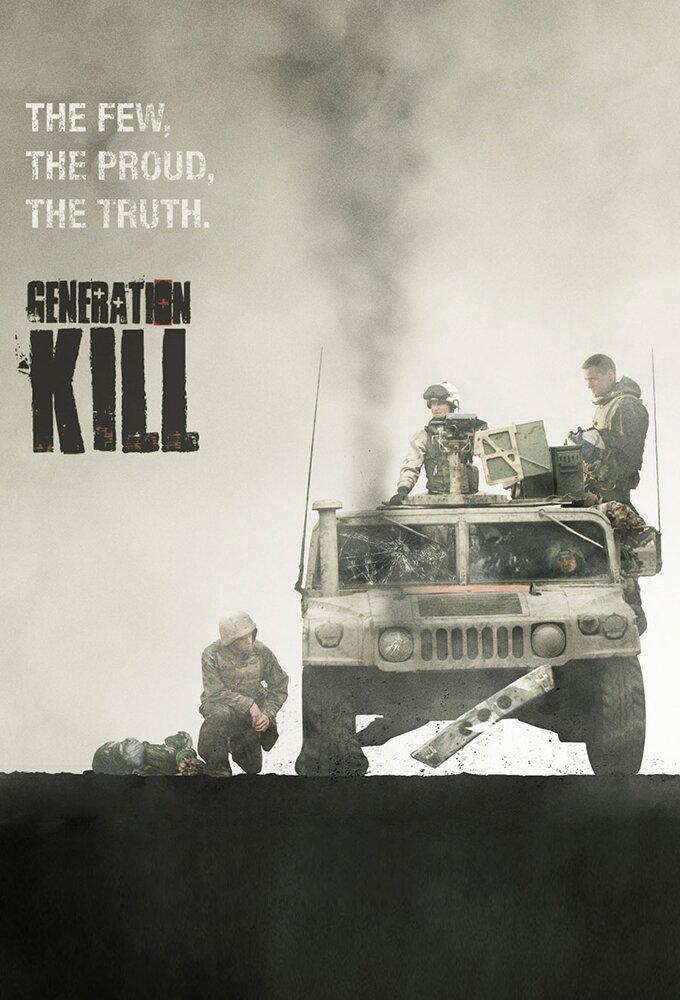
Generation Kill2008
David Simon's HBO miniseries about Marines in Iraq uses the same observational realism to capture occupying forces not as villains but as confused young men in a messy situation. Sharp dialogue, genuine moral complexity, and respect for the audience's intelligence.
But Jarring modern setting and language might feel distant from historical drama. Some find the military jargon overwhelming.
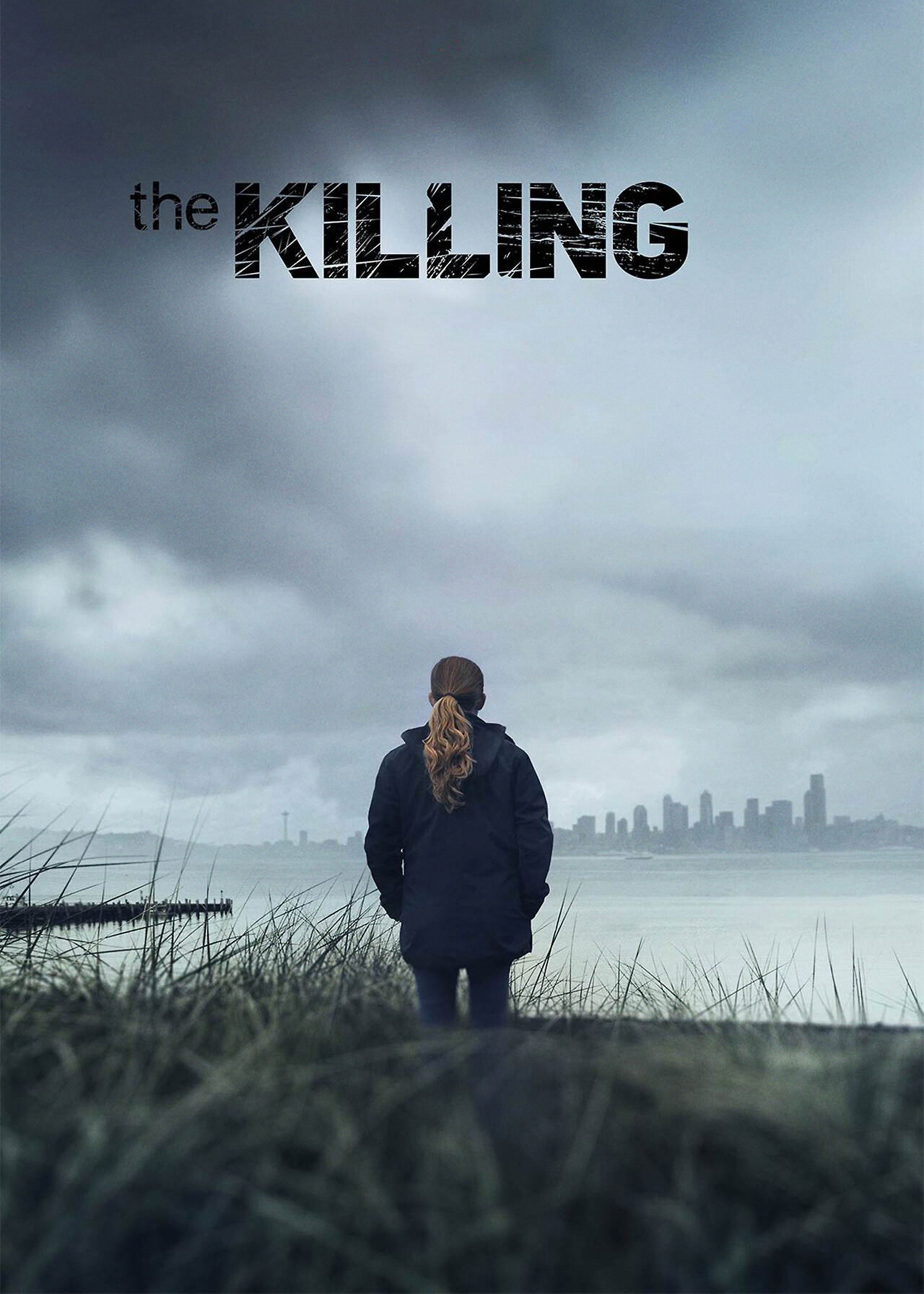
The Killing2011
Danish crime series that shares Enemy at the Door's commitment to mood, restraint, and the texture of ordinary life interrupted by darkness. Deliberate pacing that trusts viewers; brilliant ensemble work; a very European sensibility about how people actually behave.
But Slow-burn detective work, not action. The bleakness can feel relentless. Season two loses its way.
Not sure tonight? Get a pick in a minute, starting from Enemy at the Door
The wildcard
Something you would not have found on your own.
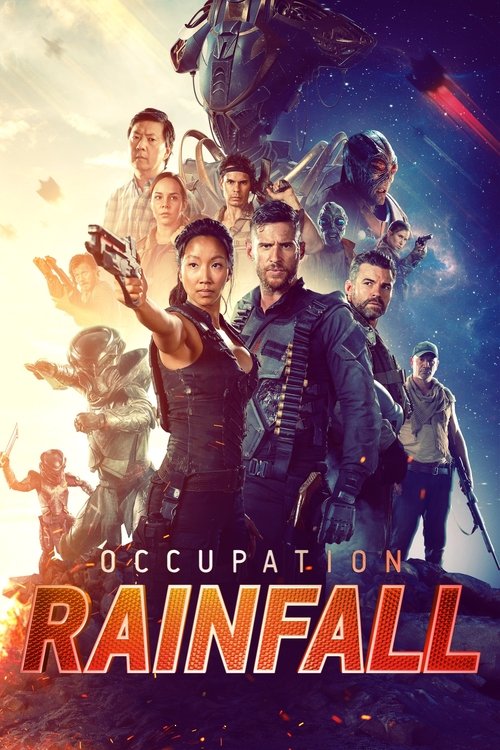
Occupation: Rainfall2020
Same historical moment and thematic obsession with occupied life and moral ambiguity, but from the occupied rather than occupier's angle. Asks what happens to humanity when power is reversed.
Japanese film about Japanese occupation of Rabaul during WWII, told from the perspective of those occupied. Inverts the usual Western perspective and offers a genuinely unfamiliar angle on colonization, collaboration, and moral complexity. Beautifully shot and deeply humane.
But Subtitled; Japanese cinema language and pacing. Limited theatrical release means it requires hunting. Some find the restraint frustrating.
More like this (7)
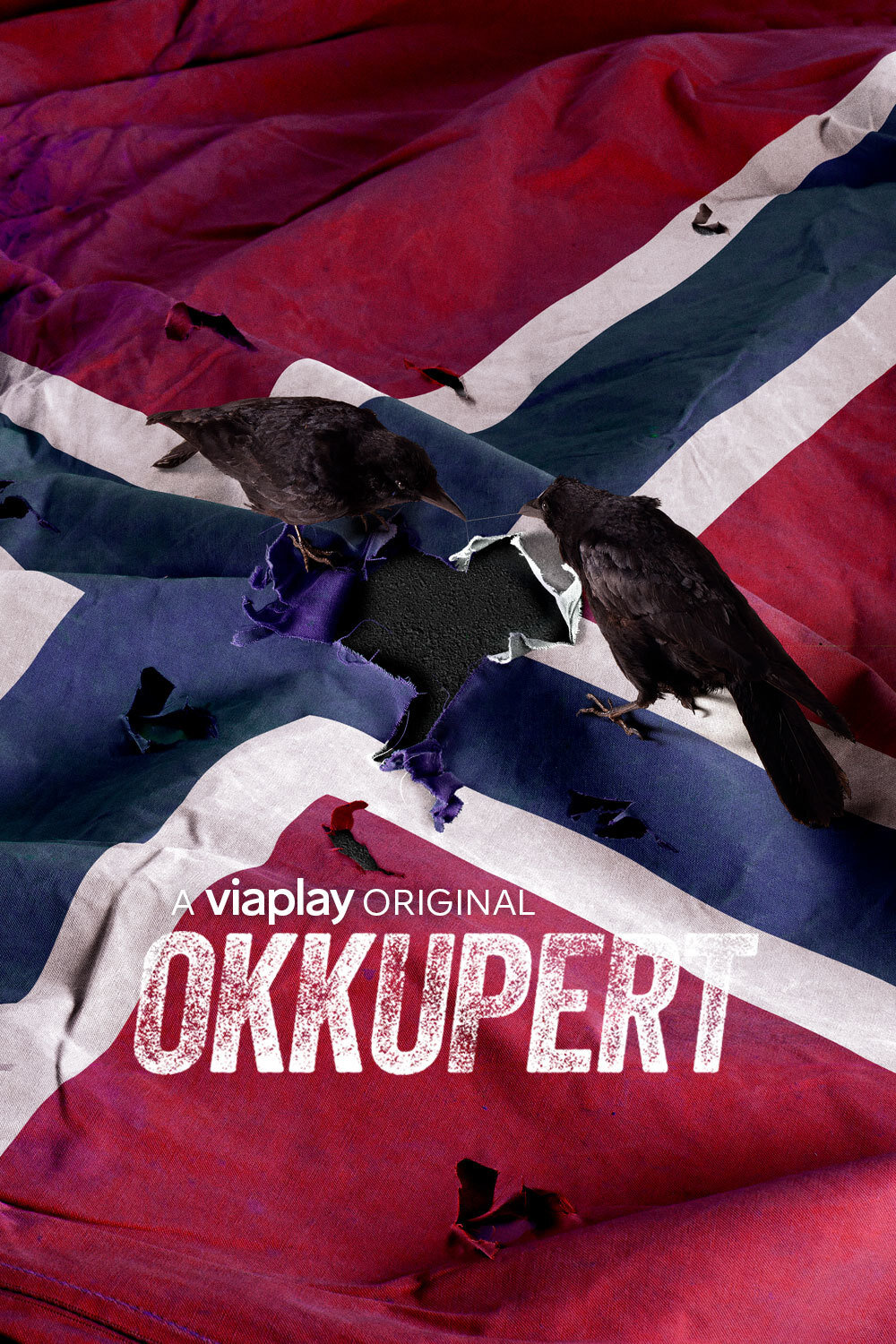
Okkupert2015
Norwegian thriller imagining Russian occupation of Norway. Uses the occupied-territory premise to ask genuinely difficult questions about collaboration, compromise, and where the line actually sits. Smart writing and real dramatic tension without sacrificing moral complexity.
But Geopolitical thriller aesthetic rather than intimate character study. Some plot turns feel engineered for drama over plausibility.
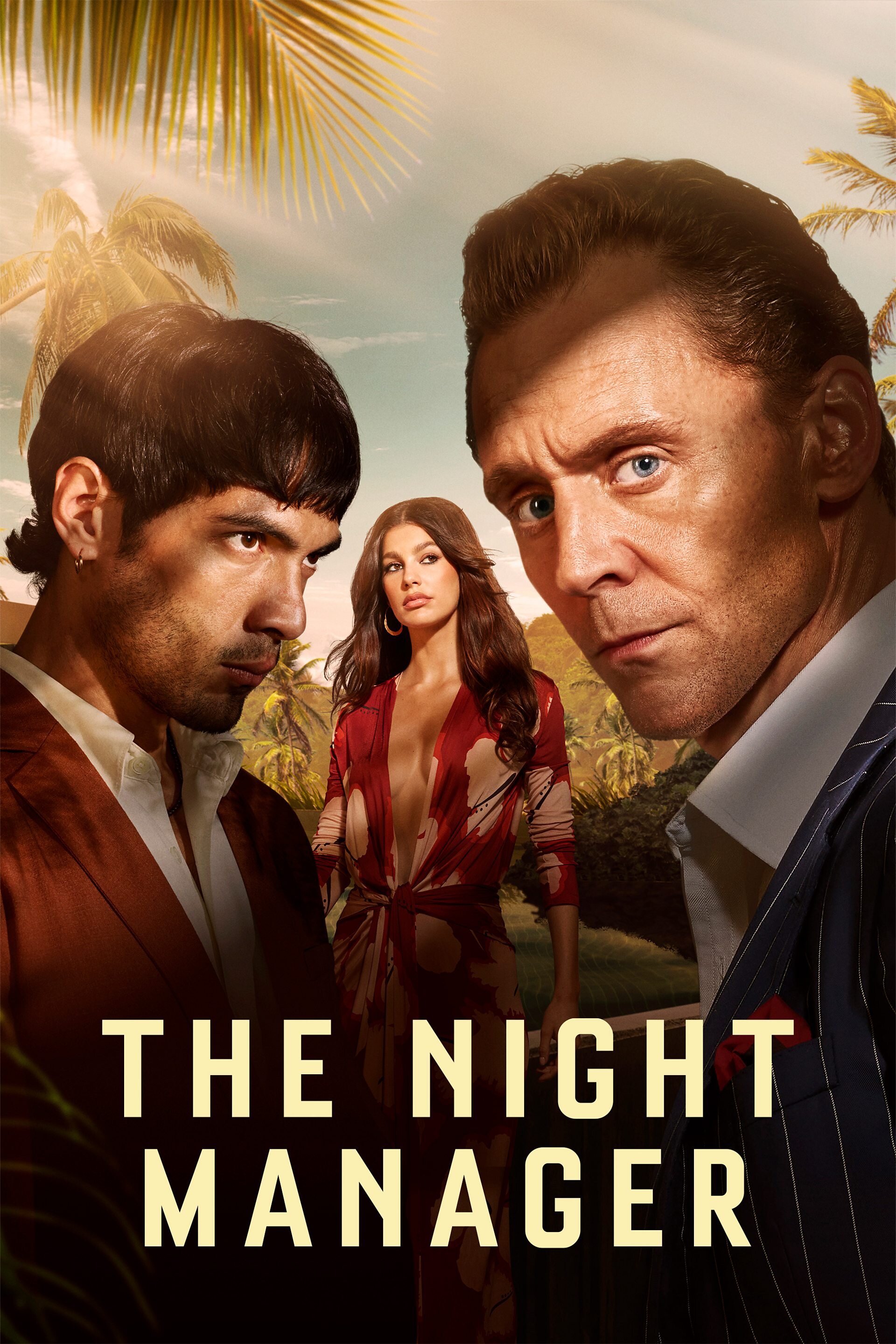
The Night Manager2016
Le Carré adaptation with the same restrained sophistication and focus on how power operates in small, human moments. Gorgeous production, excellent cast, and a grownup refusal to simplify its characters or situations.
But Spy thriller rather than historical drama, so the stakes feel more abstract. Some find it glacial rather than gripping.
Lilya 4-ever2002
Lukas Moodysson's brutal, compassionate film about exploitation and powerlessness in post-Soviet Estonia. Like Enemy at the Door, it takes a clear-eyed look at how systems grind individuals without resorting to sentimentality or easy answers.
But Genuinely dark and disturbing. Not escapism. Difficult to watch and meant to be; some will find it unbearably heavy-handed.

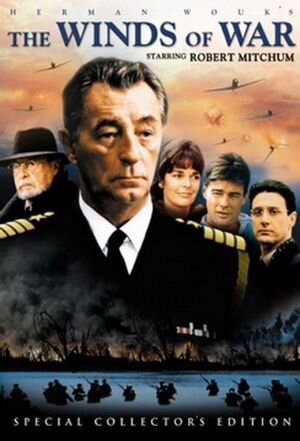
Herman Wouk's The Winds of War1983
Herman Wouk's epic miniseries that, like Enemy at the Door, refuses to reduce WWII to simplistic heroism. Focuses on the personal and political currents that pull ordinary people into extraordinary circumstances, with strong ensemble cast work.
But 1983 production values and pacing can feel dated. Nearly 18 hours and occasionally melodramatic despite its ambitions.
Come and See1985
Elem Klimov's unblinching Soviet film about a boy caught in occupied Belarus. Raw, visceral, and morally uncompromising in ways that echo Enemy at the Door's refusal to aestheticize war or occupation.
But Genuinely traumatizing. Not a film you 'enjoy'—it's a film that hammers you. Extreme violence and despair.

A Taste of Honey1961
British New Wave drama about working-class life and outsiders with the same unsentimental humanism and attention to how people actually speak and behave. Not about war, but shares the series' commitment to authenticity over sentiment.
But Completely different genre and era, so the connection might feel tangential. Some find the pacing deliberately undramatic to the point of testing patience.
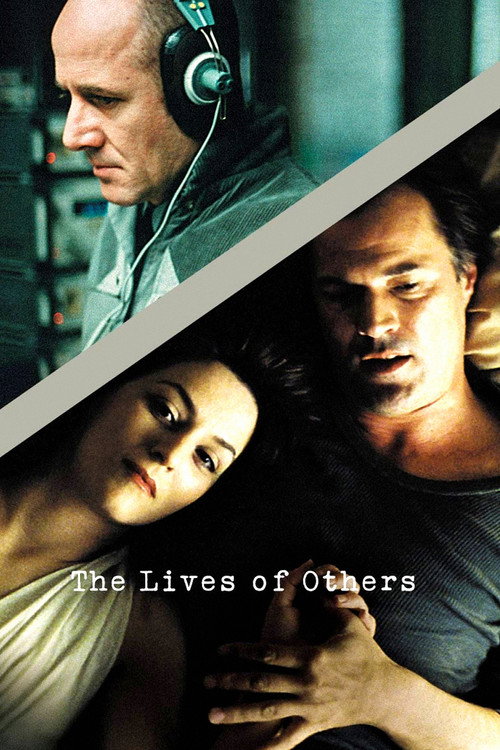
The Lives of Others2006
Both examine what happens to ordinary human relationships when one group holds permanent power over another. Both argue that the real damage isn't the grand oppression—it's the daily erosion of trust and autonomy.
German film about East German secret police. Explores surveillance, complicity, and the corrupting nature of occupation with surgical precision. Uses a spy thriller structure but is fundamentally about the spiritual cost of living under constant control—the same quiet horror that haunts Enemy at the Door.
But Cold war drama set in 1980s Berlin, not WWII. Slower and more introspective than its plot suggests. Utterly devoid of heroism or catharsis.
People
Writing
- Michael ChapmanCreator