
Film
Ken Park
- Coming-of-age
- Very dark
Ken Park is a provocative 2003 indie drama built around teen alienation and dysfunction in suburban California. It's unflinching about abuse, sexuality, and desperation—designed to unsettle rather than console. Director Larry Clark uses skate culture as backdrop for something rawer: four teenagers circling damage and complicity. It's for viewers ready to sit with discomfort.
Should you watch it?
Watch it if you want a bleak, unflinching look at teenage dead-ends, shot with the cold detachment of Larry Clark's Kids and ready to let ugly moments play out without cushioning.
Skip it if the sex and violence are frank and sometimes gratuitous, the vignettes wander without much of a spine, and the bleakness rarely lifts, so it can feel more punishing than revealing.
What it asks of you: Expect a slow, scattered ride of around ninety-seven minutes that asks you to sit with discomfort and piece together several overlapping lives, with little warmth to lean on.
Not sure? Find tonight's pick in a minute.
If you liked this
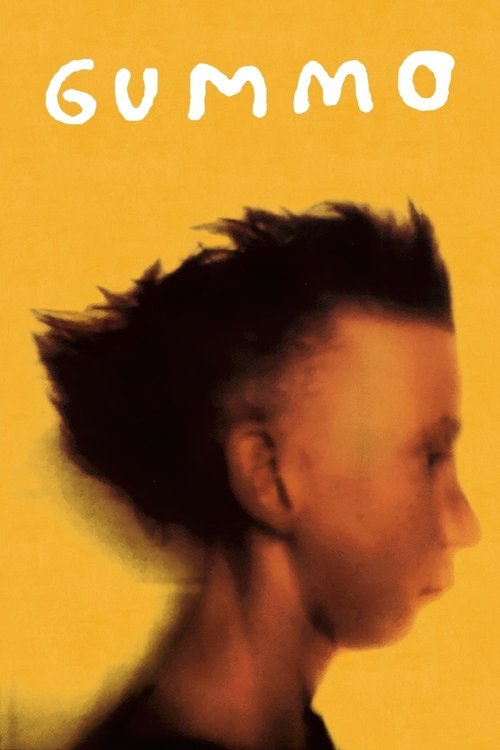
Gummo1997
Harmony Korine's debut shares Ken Park's willingness to linger in American grotesquerie and youth dysfunction. It's collage-like, disturbing, and absolutely singular—a film that refuses comfort or easy answers about poverty and alienation.
But It's structureless and deliberately obscure. Some scenes feel gratuitous. If you want narrative momentum or catharsis, this isn't it.
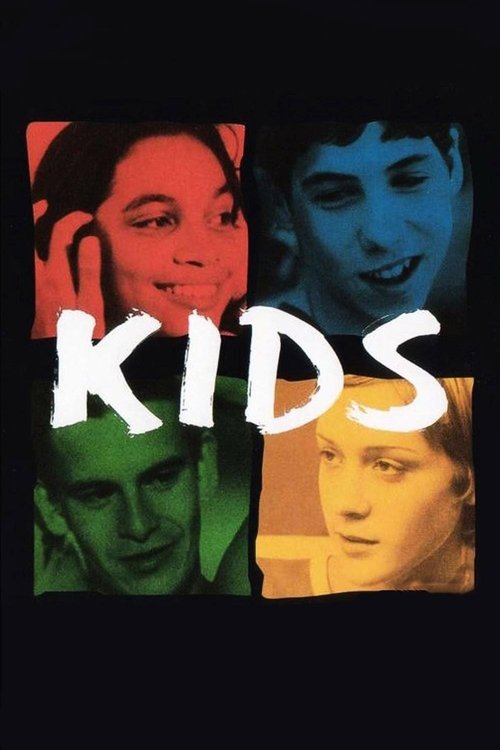
Kids1995
Larry Clark directed both. This one tracked AIDS transmission through NYC skate culture with the same unflinching eye—raw, immediate, and genuinely unsettling. Essential viewing if you want to understand Clark's project.
But It's dated in style but not in impact, which can feel heavier. The subject matter is bleak without resolution.
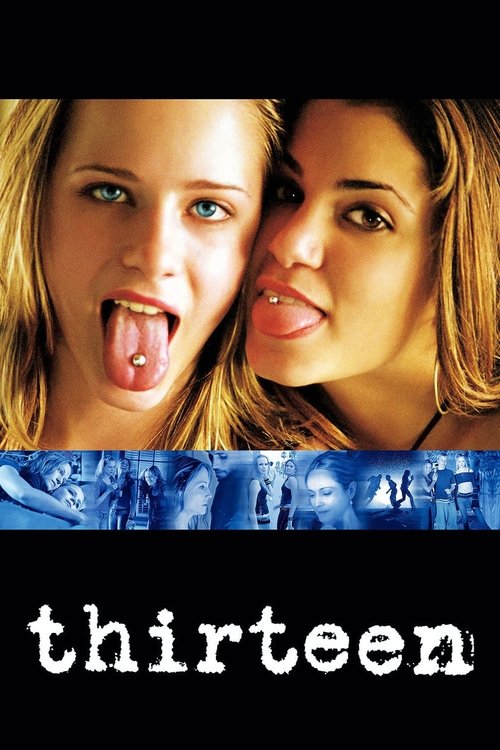
Thirteen2003
Released the same year, this chronicles teenage female friendship spiraling into self-destruction. It captures the same feverish chaos and parental helplessness, but grounds it in female experience. Feels like a companion piece.
But The hand-held aesthetic is intentionally destabilizing. Some viewers find it manipulative rather than honest.
Not sure tonight? Get a pick in a minute, starting from Ken Park
The wildcard
Something you would not have found on your own.
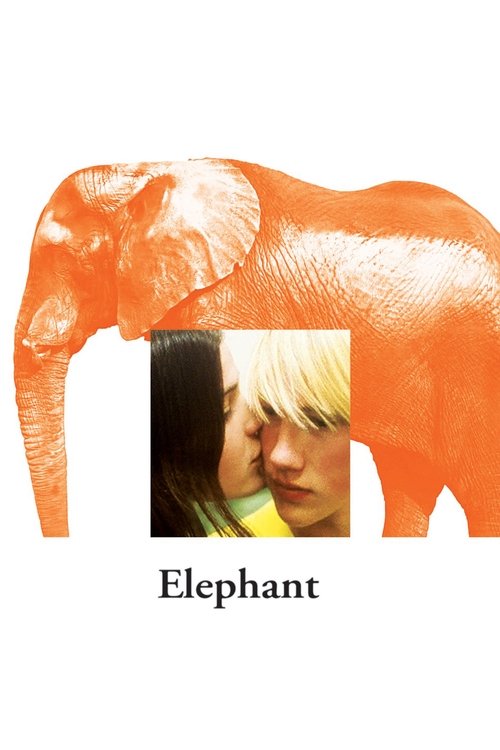
Elephant2003
Both 2003 indie dramas using formal restraint to examine youth violence and suburban dysfunction without offering moral clarity or easy judgment.
Gus Van Sant's Columbine film premiered the same year and in the same indie circuit as Ken Park. It uses long takes and repetition to examine the banality of catastrophe in suburban schools—same landscape, different entry point. A structural mirror: both refuse to explain violence away.
But It's glacially paced and formally austere. Narrative is minimal; meaning must be assembled by you. Some find it insufferably oblique.
More like this (7)
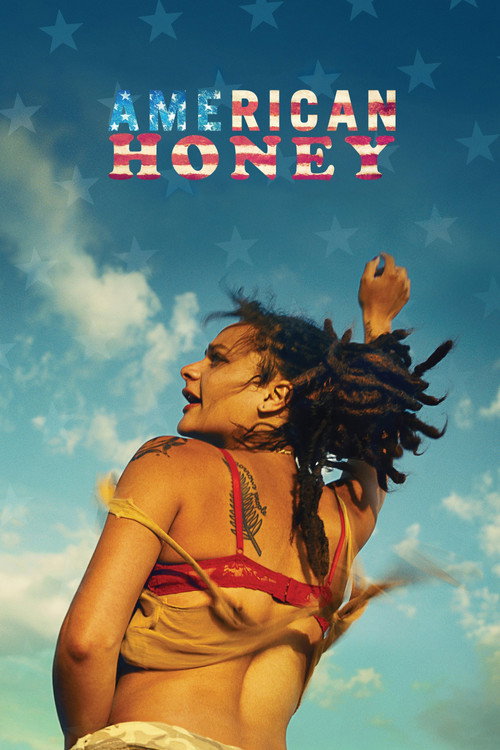
American Honey2016
Andrea Arnold's road film follows working-class kids in a magazine-sales hustle, capturing youthful restlessness and economic precarity with visual poetry. It's angry but more lyrical—same world, different temperature.
But Nearly three hours long and deliberately paced. It meanders; some find that meditative, others tedious.
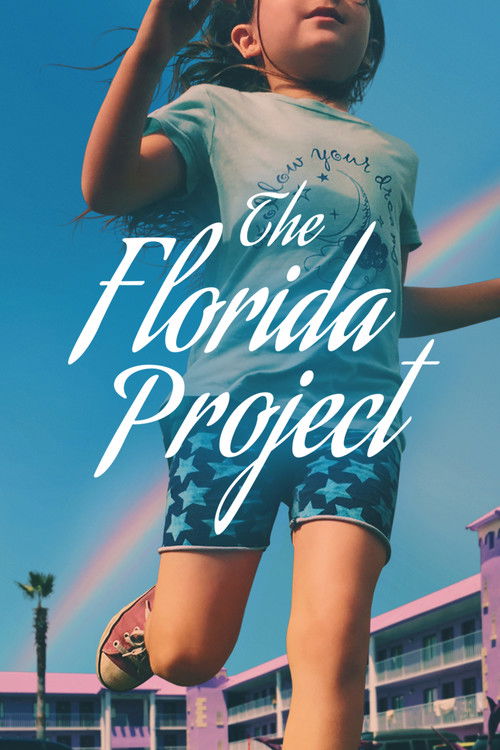
The Florida Project2017
Sean Baker observes childhood poverty with tenderness rather than exploitation, following kids in a motel community. It shares Ken Park's focus on young people navigating adult failures, but with warmth underneath the hardship.
But The charm can feel patronizing if you're cynical. It's more humanistic than Clark, which some will find compromised.
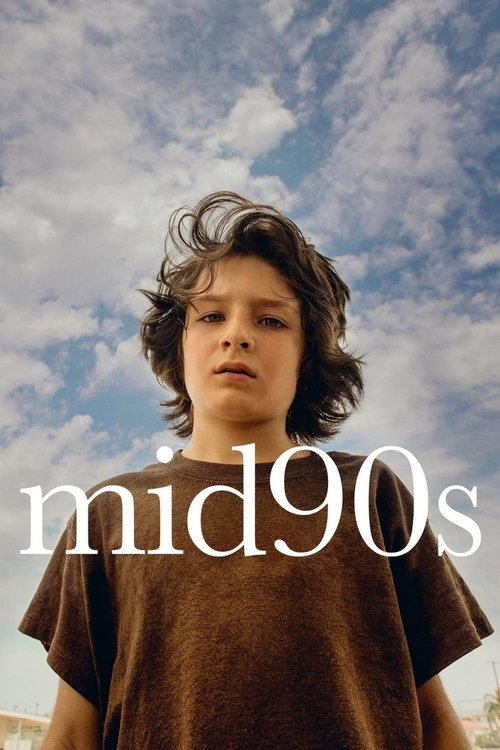
mid90s2018
Jonah Hill's directorial debut captures '90s skate culture with genuine affection and period texture. It follows a crew without the exploitation—real friendships, real stakes, real vulnerability among troubled kids.
But It's warmer and more forgiving than Ken Park. If you're seeking that specific edge, this softens it considerably.
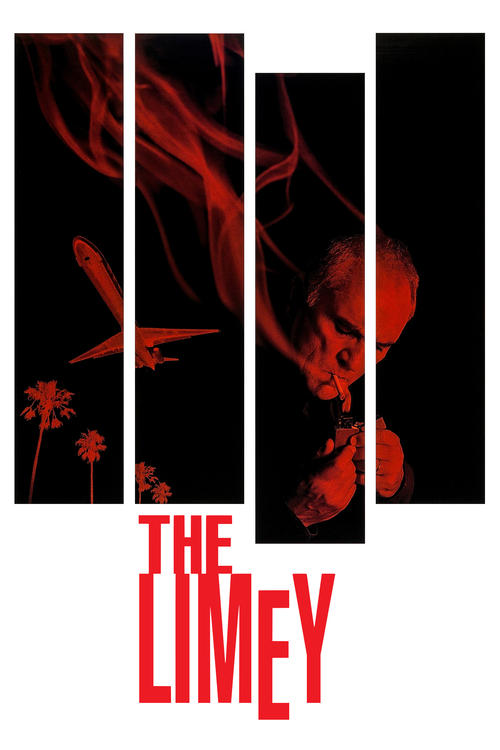
The Limey1999
Steven Soderbergh's fragmented narrative about a father avenging his daughter's death uses jump cuts and disorientation to convey trauma. Not youth-focused, but structurally similar in its refusal of easy coherence.
But It's stylistically dense and occasionally cryptic. The narrative puzzle can obscure rather than clarify.
Come and See1985
Elem Klimov's Soviet war film documents the systematic destruction of a boy's innocence. Like Ken Park, it's utterly unwilling to look away from trauma. One of cinema's most difficult and necessary watches.
But It's devastating and graphic. War atrocity is central. This isn't entertainment; it's endurance testing.

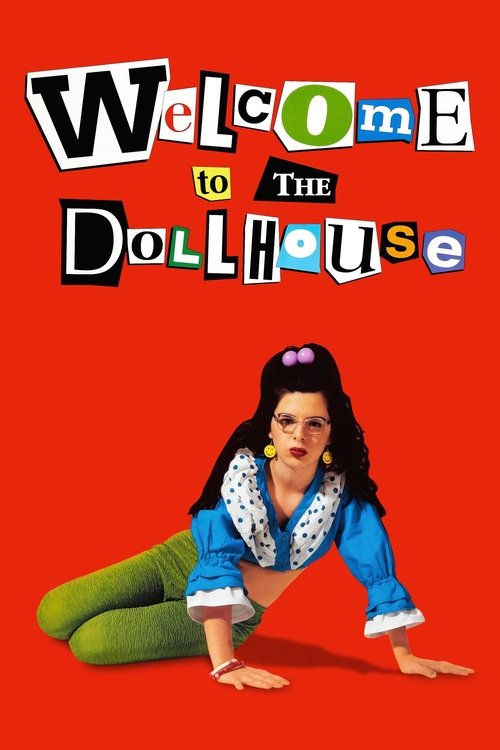
Welcome to the Dollhouse1996
Todd Solondz follows a bullied middle schooler through suburban grotesquerie with dark comedy underneath. It finds absurdity in dysfunction and cruelty, capturing similar textures of youth alienation with more sardonic distance.
But The humor is caustic and uncomfortable. Some will feel it trivializes its characters' suffering.
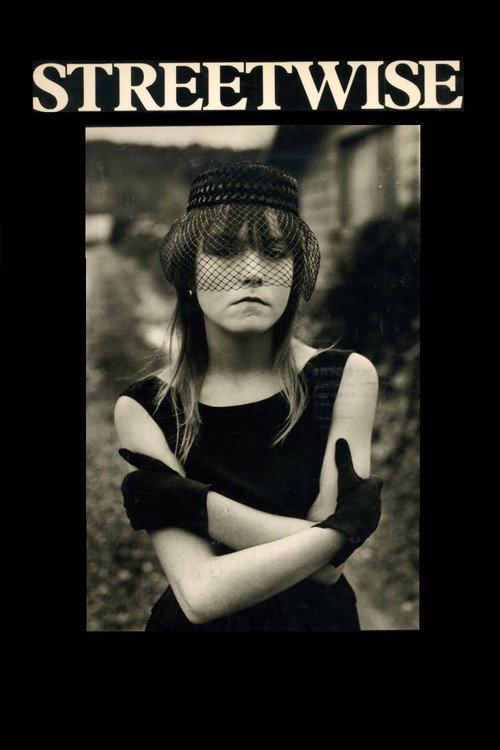
Streetwise1984
Both treat struggling young people with observational seriousness rather than sentimentality, capturing dysfunction through accumulated detail rather than dramatic climax.
Martin Bell's documentary follows homeless teenagers in Seattle with no agenda beyond presence. It's closer to anthropology than drama, but the accumulated weight rivals Ken Park's power. Unmediated observation of youth in crisis, and it's genuinely devastating.
But It's a documentary, not narrative fiction—some viewers need plot architecture. The rawness can feel exploitative even without intention.
People
Cast
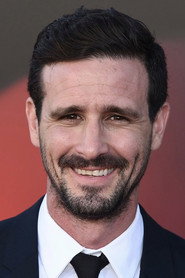 James RansoneTate
 Tiffany LimosPeaches
 Stephen JassoClaude
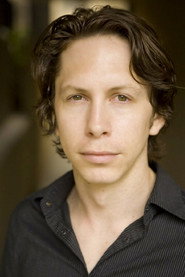 James BullardShawn
- Mike ApaleteguiCurtis
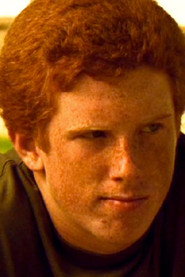 Adam ChubbuckKen Park
 Amanda PlummerClaude's Mother
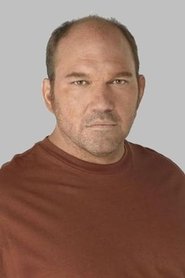 Wade WilliamsClaude's Father
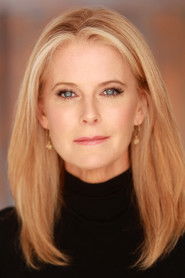 Maeve QuinlanRhonda
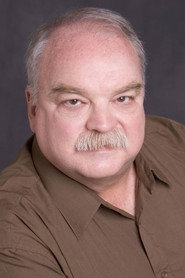 Richard RiehleMurph
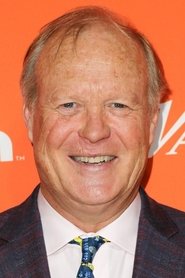
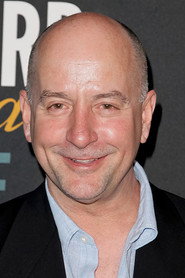 Julio Oscar MechosoPeaches' Father
Directing
- Edward LachmanDirector
- Larry ClarkDirector
- Jay MasonScript Supervisor
- Dawn StewartSecond Assistant Director
- Jennifer FragosoSecond Second Assistant Director
Writing
- Larry ClarkCharacters
- Larry ClarkOriginal Story
- Harmony KorineScreenplay
Production
- Max KrausAssistant Location Manager
- Leslie KharmaAssistant Production Coordinator
- Wang WeiAssociate Producer
- Carmen CubaCasting
- Natasha CubaCasting Assistant
- Olivier BrémondExecutive Producer
- Pascal BretonExecutive Producer
- Joey 'Pain' YoungExtras Casting
- Sande AlessiExtras Casting
- Victoria GoodallLine Producer
- Joe McGrawLocation Manager
- Jean-Louis PielProducer
- Kees KasanderProducer
- Maggie MeansProduction Accountant
- Brent M. JonesProduction Consultant
- Jonathan McCoyProduction Coordinator
- Charlie VogelProduction Supervisor