
Film
All About Lily Chou-Chou
- Coming-of-age
- Very dark
A 2001 Japanese film about teenage boys whose friendship fractures under the weight of obsession, bullying, and violence. Told through an unconventional structure mixing narrative with internet chat forums, it's a raw, uncomfortable portrait of adolescent cruelty and the parasocial bonds we form with artists. Devastating and formally daring.
If you liked this
Elephant2003
Gus Van Sant's Columbine-inspired film shares Lily's unflinching look at teen alienation and violence, using a detached observational style that makes you complicit in the horror rather than comfortable.
But It's repetitive by design—long takes of kids walking hallways—and deliberately resists catharsis or easy answers about teenage cruelty.

A Prophet2009
Both films track how power shifts within a relationship when one person discovers they can dominate the other. This French prison drama has the same inexorable logic of escalation and corruption.
But Nearly two and a half hours in a claustrophobic setting with subtitles and no heroes to root for—it's emotionally exhausting.

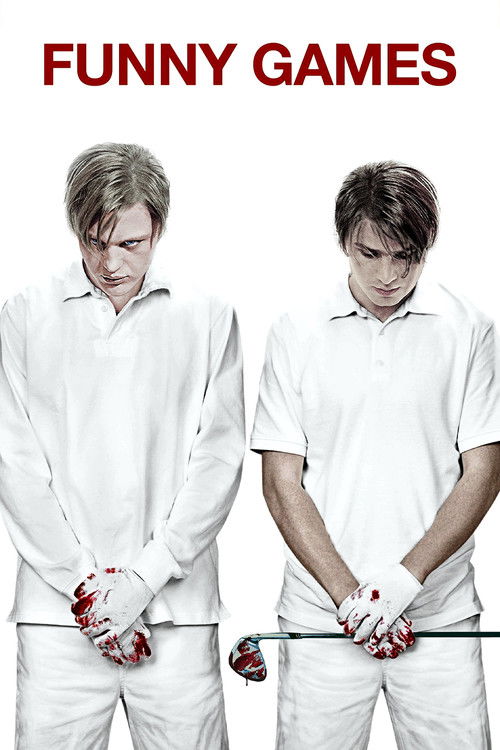
Funny Games2008
Michael Haneke's film, like Lily, forces you to witness teenage cruelty without providing the comfort of narrative distance. Both are about power and the pleasure some people take in hurting others.
But It's explicitly designed to make you uncomfortable and complicit. If you watch to feel good, this will frustrate you deeply.
Not sure tonight? Get a pick in a minute, starting from All About Lily Chou-Chou
The wildcard
Something you would not have found on your own.
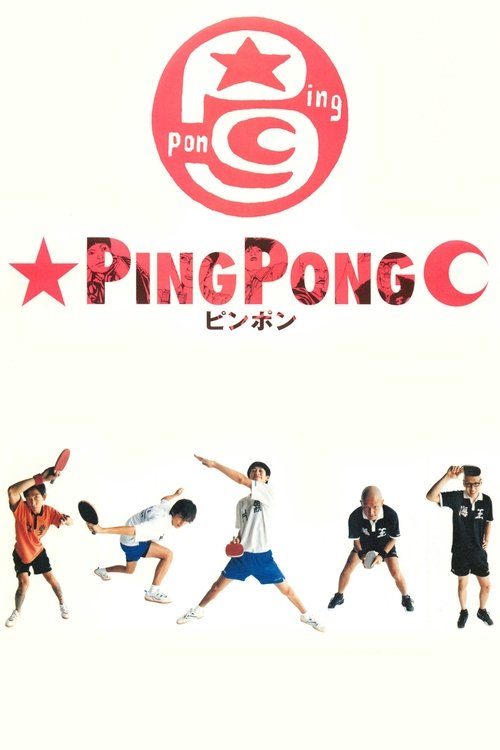
Ping Pong2002
Both use formally experimental, even 'unserious' structures to capture authentic adolescent emotion. Lily uses forums; Ping Pong uses bright animation and manga-style action. Neither is realism, but both are true.
Fumihiko Sori's anime adaptation of table tennis is formally radical and emotionally direct in ways that mirror Lily's use of non-realistic elements to express teenage feeling. Both films trust abstraction over plot.
But It's a sports anime about competitive ping pong. The form itself—animation, the sport, the brightness—could read as frivolous to someone expecting gritty realism.
More like this (8)
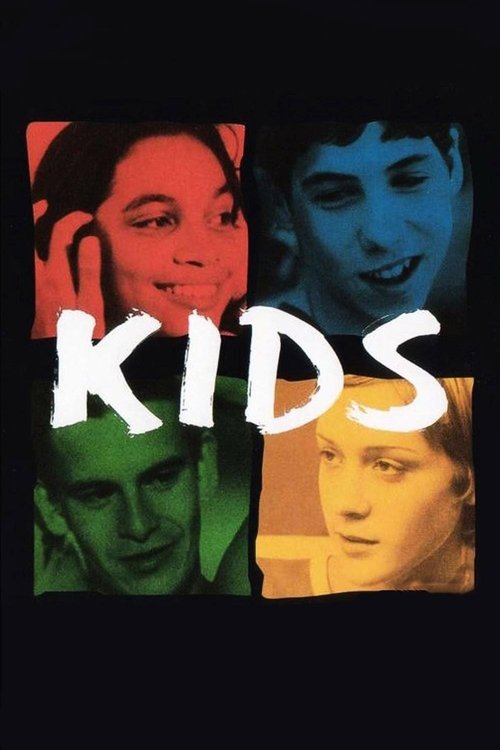
Kids1995
Larry Clark's controversial film shares Lily's commitment to showing how teenagers actually speak, think, and harm each other without judgment or softening. Raw and unvarnished.
But It's visually grim, sexually explicit in places, and the nihilism never lifts. Many find it exploitation rather than insight.
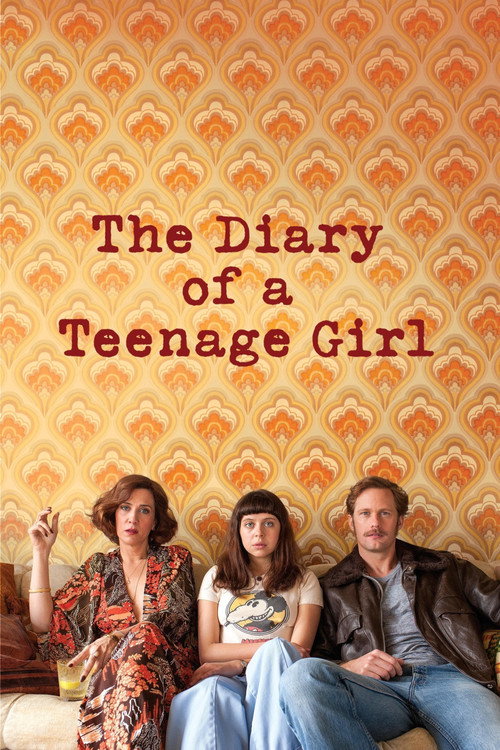
The Diary of a Teenage Girl2015
Marielle Heller's film captures the same era-specific teenage obsession with music and online connection as a gateway to understanding yourself and your desires.
But It's much lighter in tone—almost buoyant where Lily is suffocating—and some find the sexual content gratuitous rather than revelatory.
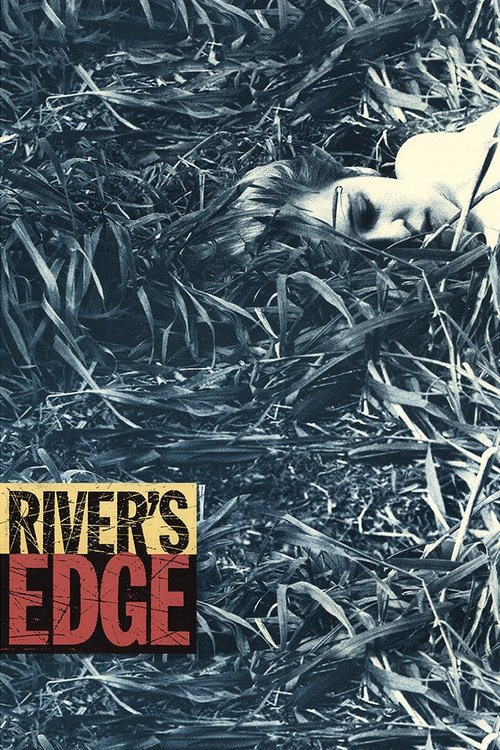
River's Edge1986
Tim Hunter's film depicts teenagers in the aftermath of violence, exploring how friendship and indifference coexist. It has Lily's moral ambiguity without neat resolutions.
But It's slow, deliberately anti-dramatic, and the teenage characters aren't sympathetic. Some viewers find it boring rather than profound.
Gerry2002
Gus Van Sant's film about two boys wandering into the wilderness has the same elliptical structure and faith in silence. It trusts you to sit with emptiness.
But There's almost no dialogue and minimal plot. If you need narrative momentum, this will feel self-indulgent and punishingly slow.

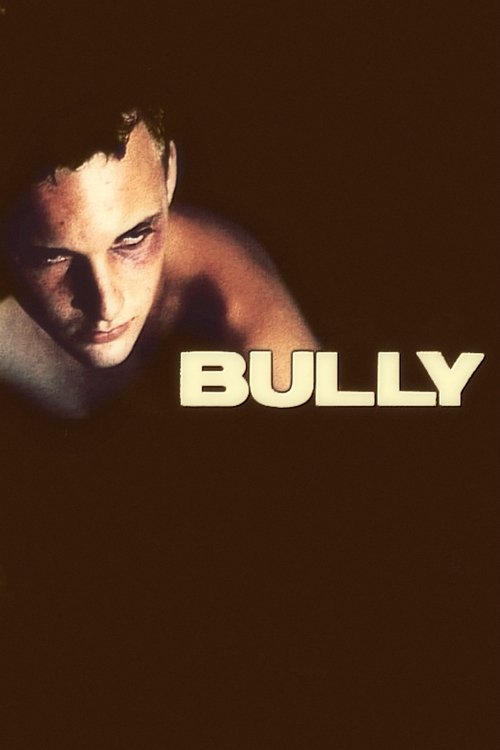
Bully2001
Larry Clark's Bully came out the same year as Lily and covers similar ground—teenage violence, bullying, and the failure of adults to intervene. Both are unflinching documentaries of cruelty.
But It's tabloid sensationalism dressed up as social commentary. Many feel Clark exploits rather than illuminates the real events he's depicting.
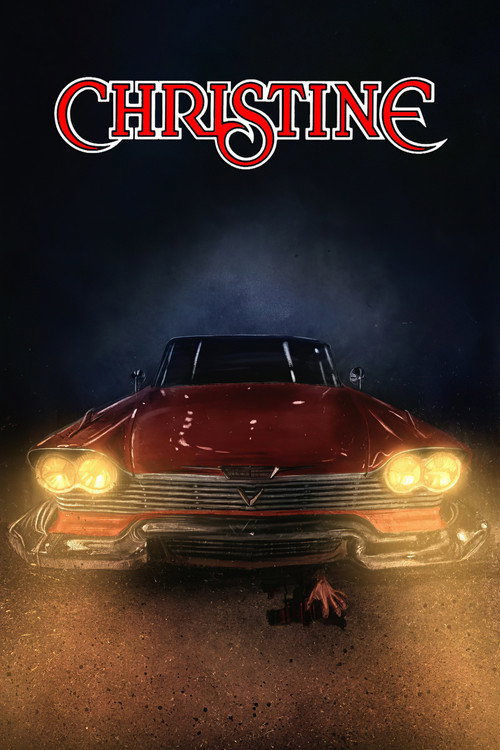
Christine1983
John Carpenter's film about obsession and possession works as a metaphor for how a fixation—whether on a car or a pop star—can consume and corrupt a friendship.
But It's a horror film first and a character study second. The supernatural elements might feel like too much genre machinery for what Lily accomplishes with realism.
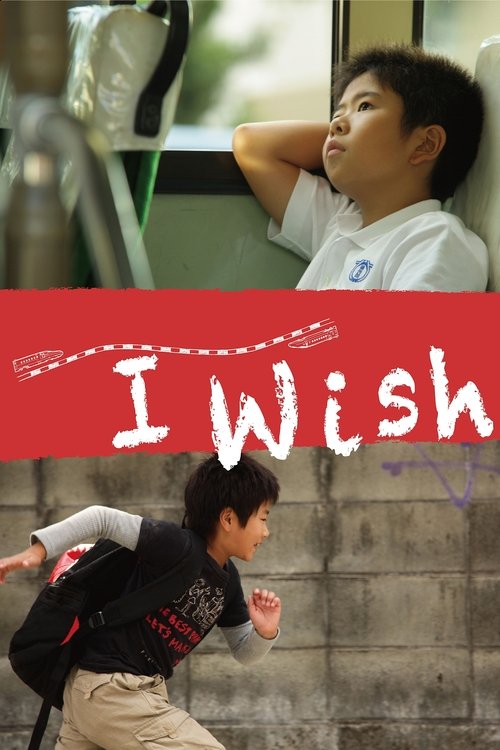
I Wish2011
Both are Japanese films deeply interested in how teenagers use fantasy and ritual to sustain friendships. But where Lily shows fantasy corrupting into violence, Koreeda shows it sustaining human connection.
Hirokazu Koreeda's gentle film about two boys maintaining friendship across distance shares Lily's deep investment in how teenagers actually connect—here through the bullet train they dream of, as a ritual that bonds them.
But It's warm and hopeful where Lily is cruel and despairing. If you're looking for Lily's darkness, this might feel saccharine and sentimental by comparison.
The Act of Killing2012
Both examine how perpetrators of violence construct narratives around their actions—how story-telling becomes complicity. Lily through chat forums and cinema; Killing through reenactment. Both ask: what does violence look like when the guilty don't feel guilty?
Joshua Oppenheimer's documentary asks aging killers to reenact their crimes. Like Lily, it explores how people narrate and justify violence to themselves, and how performance becomes a way to avoid moral reckoning.
But It's a three-hour documentary about real genocide, not a narrative film. Some find the reenactment conceit disrespectful; others find it distancing rather than illuminating.

People
Cast
 Hayato IchiharaYūichi Hasumi
 Shugo OshinariShūsuke Hoshino
 Yu AoiShiori Tsuda
 Ayumi ItoYōko Kuno
 Issey TakahashiIkeda-senpai
 Ryo KatsujiShioske Terawaki
 Takao OsawaTabito Takao
 Tomohiro KakuMasashi Tadano
- Kazusa MatsudaSumika Kanzaki
 Takahito HosoyamadaKentarō Sasaki
- Chiyo AbeShizuko Hasumi
 Izumi InamoriIzumi Hoshino
Directing
- Koto NagataAssistant Director
- Shunji IwaiDirector
Writing
- Shunji IwaiWriter
Production
- Koko MaedaAssociate Producer
- Naoki HashimotoProducer
Recommended by
Lagerfeld Confidential, Legend of the Fist: The Return of Chen Zhen, Her Body, Martin Margiela: In His Own Words