
Film
Of Time and the City
- Slow-burning
Terence Davies returns to his native Liverpool with a 16mm camera and his voice, conjuring the city he grew up in through memory, archive footage, and classical music. It's a meditation on loss, desire, and the passage of time that feels like overhearing someone's most intimate thoughts. Quietly devastating for anyone moved by place, history, or the ache of what's gone.
If you liked this
London1994
Patrick Keiller's essayistic film about wandering London with an invisible companion, narrated in deadpan tones. It shares Davies's archaeological approach to city and memory, using voiceover to excavate meaning from streets and facades.
But The pacing is glacial and there's almost no conventional narrative. If you need plot momentum, this will feel like being trapped in someone's very slow thoughts.
Sans Soleil1983
Chris Marker's essay-film jumps between Japan, Guinea-Bissau, and the filmmaker's own meditations on memory and history. Like Davies, Marker treats the camera as a thinking tool, building meaning through juxtaposition rather than explanation.
But It's formally demanding and can feel fragmentary. The connections Marker makes aren't always obvious, and patience is required to surrender to its logic.

The Act of Killing2012
Joshua Oppenheimer's documentary about Indonesian death-squad perpetrators grapples with memory, trauma, and how nations reckon with atrocity. It has Davies's willingness to sit with moral complexity and uncomfortable truths.
But It's harrowing and sometimes difficult to watch. The subject matter involves real violence, and the film doesn't look away from it or from the perpetrators' humanity.

Not sure tonight? Get a pick in a minute, starting from Of Time and the City
The wildcard
Something you would not have found on your own.
Chungking Express1994
Both treat a city as a repository of personal and historical memory, using visual style and sound to evoke time passing and what's been lost. Wong's neon Hong Kong and Davies's grey Liverpool are both love letters to places that are changing.
Wong Kar-wai's film moves through a Hong Kong of neon and loneliness, structured around memory and the city itself as a character. Like Davies, Wong finds melancholy beauty in urban spaces and uses music to deepen emotion.
But The narrative is deliberately slight and dreamy. Some find the style overwhelming—the film prioritizes mood and image over coherence. The pacing is oblique.
More like this (7)
Stalker1979
Tarkovsky's meditative journey into a mysterious zone shares Davies's sense that meaning emerges from attention and time rather than action. Both films treat waiting and looking as profound acts.
But Nearly three hours of slow, philosophical cinema. If you're watching for something to happen, you'll be frustrated. It requires the right mood and patience.

Night and Fog1956
Alain Resnais's essay on the Holocaust combines archive footage with haunting voiceover to excavate how memory works and fails. It's devastating in its restraint, much like Davies's approach to pain.
But It's extremely heavy and difficult. Thirty-one minutes that can feel much longer emotionally. Not something you watch casually.

Listen to Britain1942
Humphrey Jennings's wartime documentary poem uses sound and image to capture the mood of a nation. Davies clearly loves this tradition of observational lyricism about British life and landscape.
But Nothing really happens. It's pure mood and observation. If you're expecting narrative or conventional documentary structure, you'll be lost.
The Gleaners and I2000
Agnès Vardès's personal documentary about gleaning—literal and metaphorical—shares Davies's digressive, essayistic mode. She wanders, reflects, and lets the camera follow her thoughts as much as her steps.
But It meanders deliberately. Vardès includes tangents that seem to go nowhere. It's a film that trusts wandering over structure.
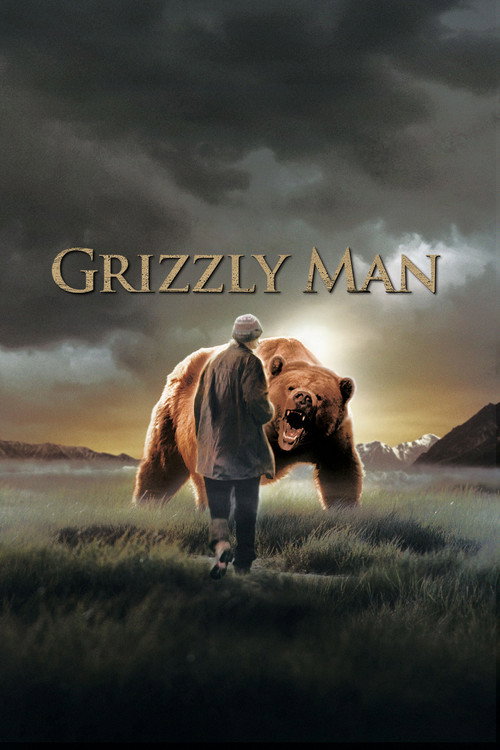
Grizzly Man2005
Werner Herzog explores obsession, nature, and death through the footage of Timothy Treadwell. Like Davies, Herzog uses narration to interrogate what images mean and what draws us to impossible things.
But It's unsettling and raises uncomfortable questions. The ending involves real death, and Herzog doesn't soften the weight of it.
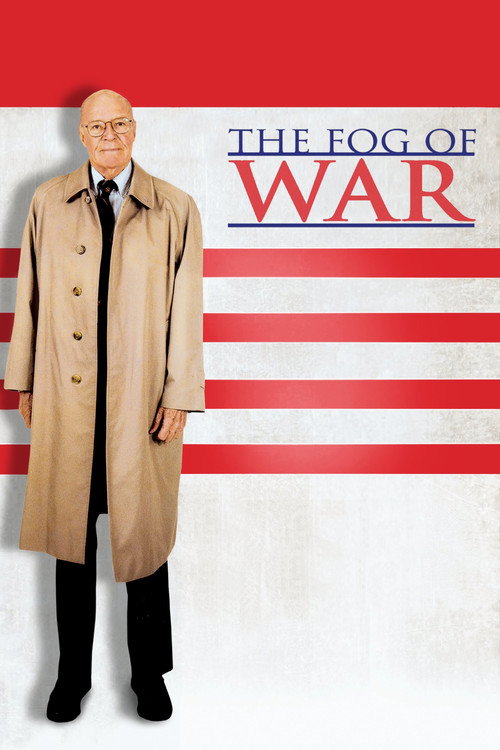
The Fog of War2003
Errol Morris interviews Robert McNamara about his life and decisions, using archival material and reflective voiceover. It's a meditation on memory, responsibility, and how we understand our own histories.
But Some find McNamara's reflections insufficient given the human cost of his decisions. It can feel like a justification rather than a reckoning.
Come and See1985
Both Davies's later work and Klimov's film refuse to look away from pain or to aestheticize suffering. They share a belief that cinema has a responsibility to witness and honor what's been lost.
Elem Klimov's Soviet film follows a boy conscripted into WWII, transforming from innocent to devastated witness. It's unflinching about how trauma breaks people, with a moral weight that recalls Davies's late work.
But It's one of the most disturbing films ever made. Graphic violence, child suffering, and relentless bleakness. Not for anyone seeking catharsis or hope.

People
Cast
 Terence DaviesSelf - Narrator (voice)
Directing
- Terence DaviesDirector
Writing
- Terence DaviesWriter
Production
- Roy BoulterProducer
- Sol PapadopoulosProducer