
Film
Vito
A portrait of Vito Russo, the film critic and activist who mapped Hollywood's betrayal of gay people and fought with fierce clarity during the AIDS crisis. Assembled from archive footage and interviews, it's a document of conscience—how one man's refusal to look away changed what visibility means. Essential watching.
If you liked this
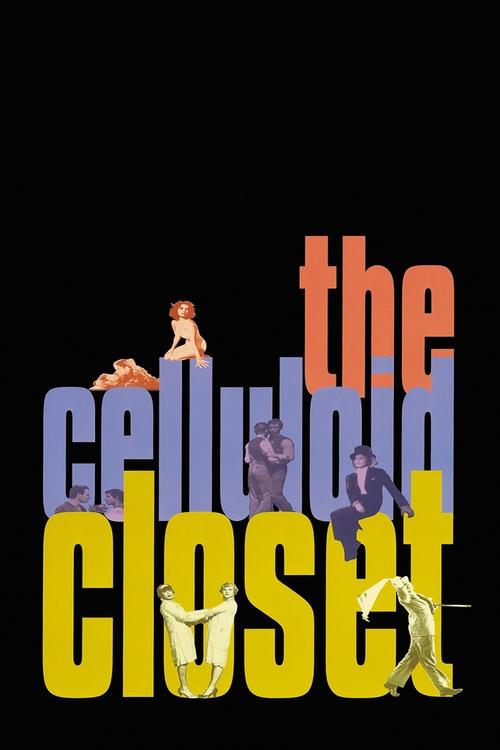
The Celluloid Closet1996
The documentary adaptation of Russo's own book, using clips to show how Hollywood coded, erased, and murdered gay characters. A direct continuation of his work, narrated by Lily Tomlin with devastating precision.
But Watching homophobic cinema—even to critique it—can feel punishing. The film doesn't soften the material for comfort.
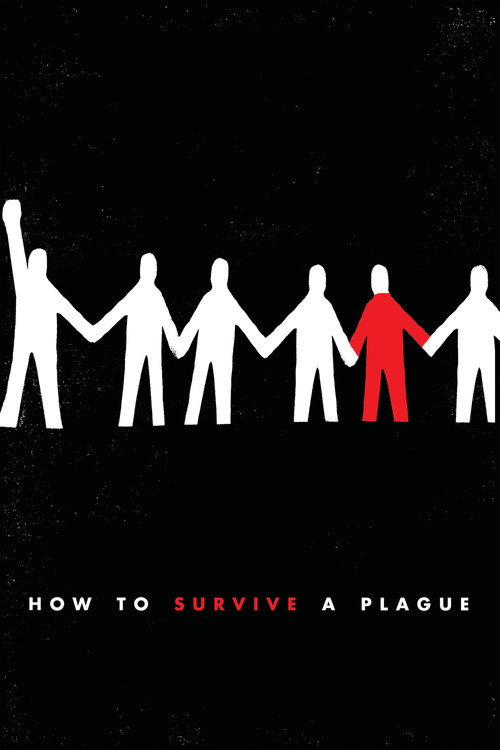
How to Survive a Plague2012
Focuses on ACT UP's fight during the same period Russo was most vocal, using real footage and interviews. Captures the urgency and moral clarity that defined the movement he helped shape.
But Deeply upsetting. The bureaucratic indifference and preventable deaths are difficult to sit with, by design.
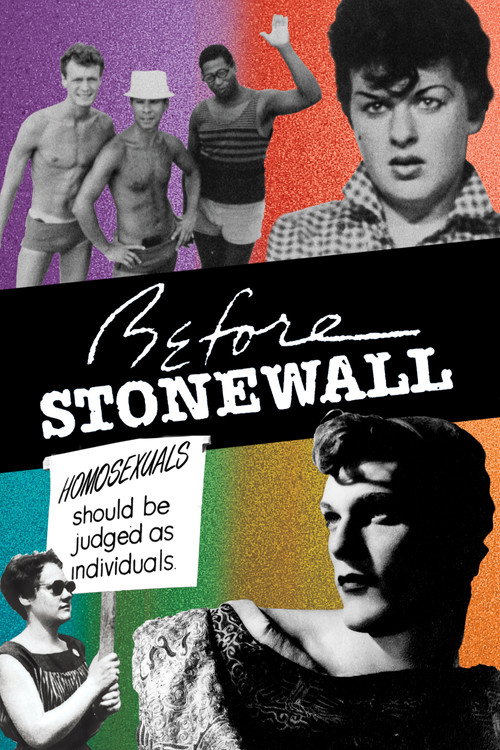
Before Stonewall1984
Oral history of gay life before the uprising that radicalized Russo. Shows the closeted world he emerged from and why the fight mattered so much to his generation.
But Lower production values and pacing reflect its age. Requires patience with longer testimonies and less dynamic editing.
Not sure tonight? Get a pick in a minute, starting from Vito
The wildcard
Something you would not have found on your own.
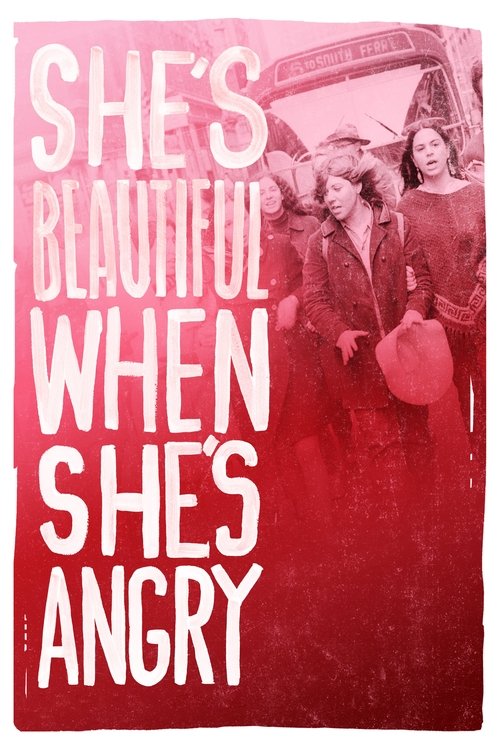
She's Beautiful When She's Angry2014
Both Russo and these filmmakers were fighting the same enemy—a culture that erased them. Watching both reveals how visibility became a political demand across multiple LGBTQ+ movements.
Documentary about lesbian feminism in the '70s using archive footage and interviews. A parallel movement fighting for visibility and representation in the same years Russo was building his critique.
But Focuses on a different strain of activism with different priorities. Less directly connected to film criticism or ACT UP.
More like this (5)
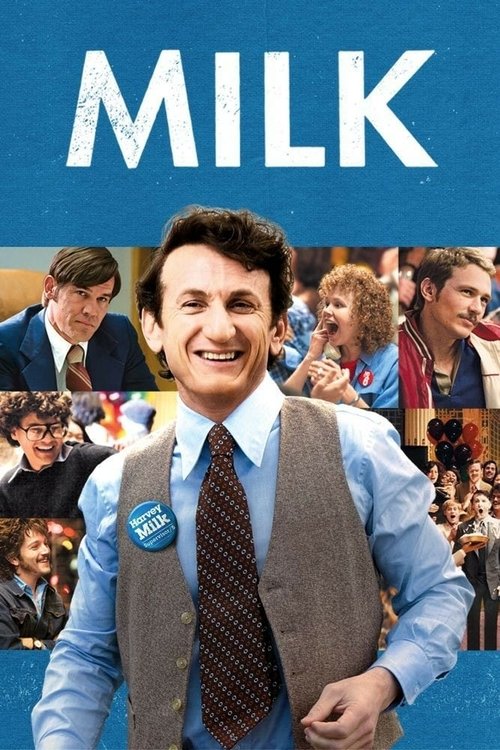
Milk2008
Captures the same era and stakes—a real activist fighting for representation and dignity against a hostile system. Sean Penn's performance is extraordinary, and the anger feels earned.
But More polished and audience-friendly than Russo's story. Some find its heroic arc smoothes over messier truths about activism.
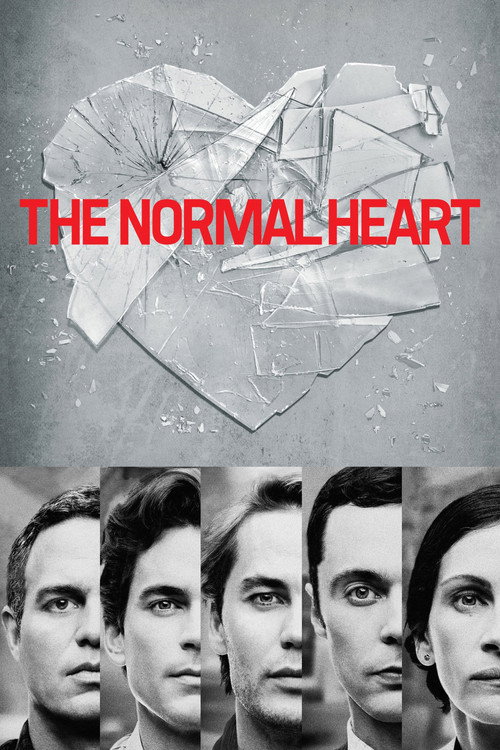
The Normal Heart2014
Larry Kramer (interviewed in Vito) wrote this play about ACT UP's founding. The 2014 film adaptation burns with the same moral fury that animated Russo's final years.
But Heavy-handed at moments. The play's theatrical structure doesn't always translate smoothly to screen.
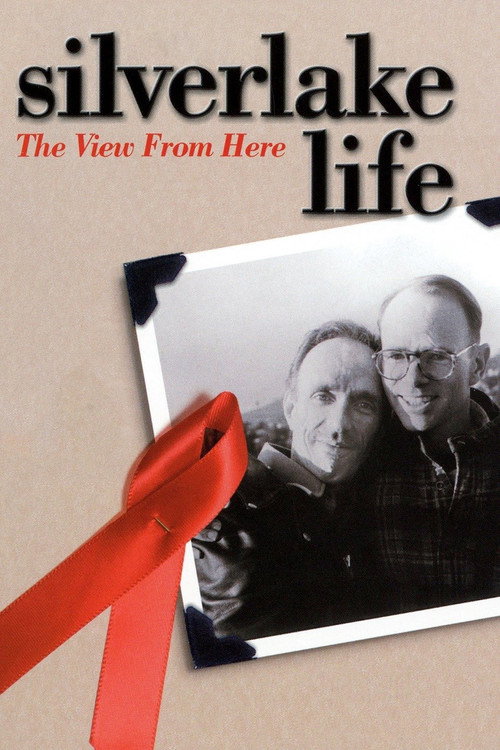
Silverlake Life: The View from Here1993
A couples' home video documenting their lives during the AIDS crisis. Raw, unmediated, and heartbreaking—shows the human reality Russo fought to make visible and honored.
But Deeply intimate and graphic. Watching someone's actual illness and death unfold requires emotional reserves.
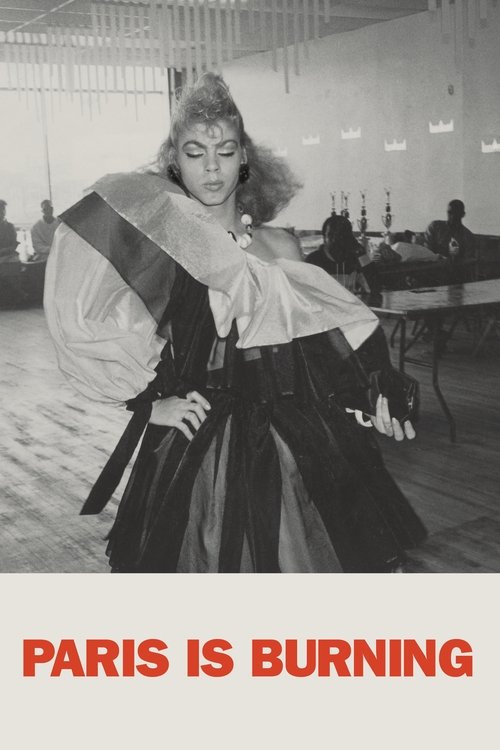
Paris Is Burning1991
Documents the voguing ballrooms and trans/queer Black culture thriving in '80s New York. The visibility Russo championed exists here—brilliant, defiant, and alive.
But Complex legacy regarding consent and exploitation. Some subjects' later stories complicate viewing. Also: different LGBTQ+ experience than Russo's own.
Sans Soleil1983
Both films insist that documentary is not just about recording facts but about *seeing*—reshaping consciousness through form. Russo made critique visible; Marker makes invisibility audible.
Chris Marker's essay-film about memory, time, and desire across continents. Oblique, poetic, structurally radical—a completely different mode of activist documentary than Vito, but equally urgent about what cinema can do.
But Deliberately obscure and non-narrative. Requires active engagement; offers no plot, emotional arc, or clear answers. Arthouse on purpose.

People
Cast
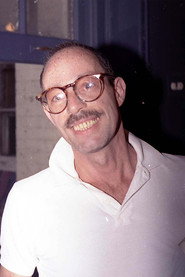 Vito RussoSelf (archive footage)
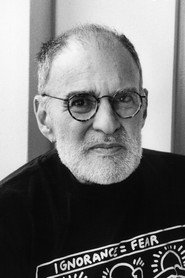 Larry KramerSelf
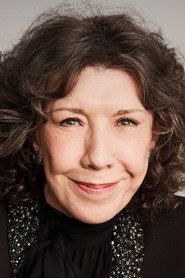 Lily TomlinSelf
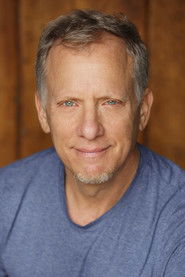 Rob EpsteinSelf
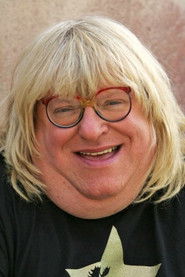 Bruce VilanchSelf
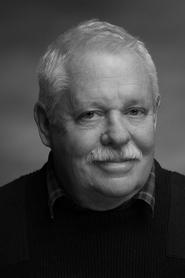 Armistead MaupinSelf
- Malcolm BoydSelf
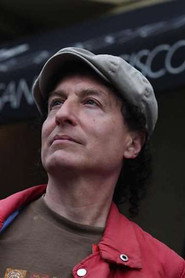
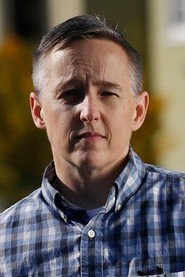 Jenni OlsonSelf
- Richard BarriosSelf
- Joseph BrewerSelf
Directing
- Jeffrey SchwarzDirector
Production
- Adam RobitelAssociate Producer
- Jon GloverAssociate Producer
- Taryn TeigueAssociate Producer
- Lotti Pharriss KnowlesCo-Producer
- Philip HarrisonCo-Producer
- Bryan SingerExecutive Producer
- Sheila NevinsExecutive Producer
- Jeffrey SchwarzProducer
- Robbie BanfitchProduction Assistant
- John HoffmanSupervising Producer