
Film
24 Frames
- Drama
- Strange
- Slow-burning
- Dip in and out
Abbas Kiarostami's final work is a sequence of 24 short films, each born from a still image—painting or photograph—given four minutes of cinematic life. Meditative and formally daring, it asks what happens when you animate the frozen moment. For those drawn to cinema as an art form rather than a story machine.
Should you watch it?
Watch it if you are drawn to films that linger on a single image and let stillness carry the meaning, the way a painting holds your attention longer than a plot would.
Skip it if you need a conventional narrative to feel anchored, since these pieces offer fragments and atmosphere rather than a story you can follow from start to finish.
What it asks of you: At 114 minutes spread across brief pieces, the film settles into held compositions that stay put for a long time before anything shifts.
Not sure? Find tonight's pick in a minute.
If you liked this
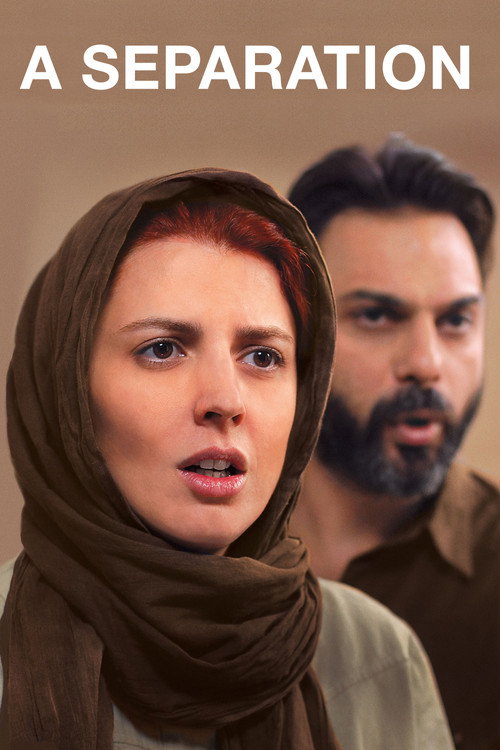
A Separation2011
Asghar Farhadi's masterpiece about a marriage unraveling in Iran. Emotionally precise, morally complex, and absolutely gripping—proof that intimate drama can have the tension of a thriller.
But It's primarily a legal and domestic dispute. If you need grand gestures or external conflict, the inward focus might feel slow.
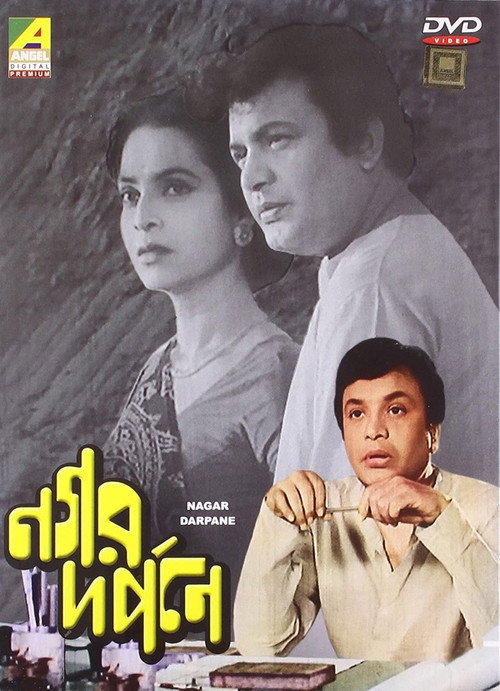
In the Mirror of the City1975
Andrei Tarkovsky's kaleidoscopic essay-film, jumping between memories, newsreel, and poetry. Like 24 Frames, it treats cinema as a space for contemplation rather than narrative. Hypnotic.
But No plot, no character arc, no resolution. It demands patience and rewards attention, but only if you're in the mood to sit with images rather than be carried by story.
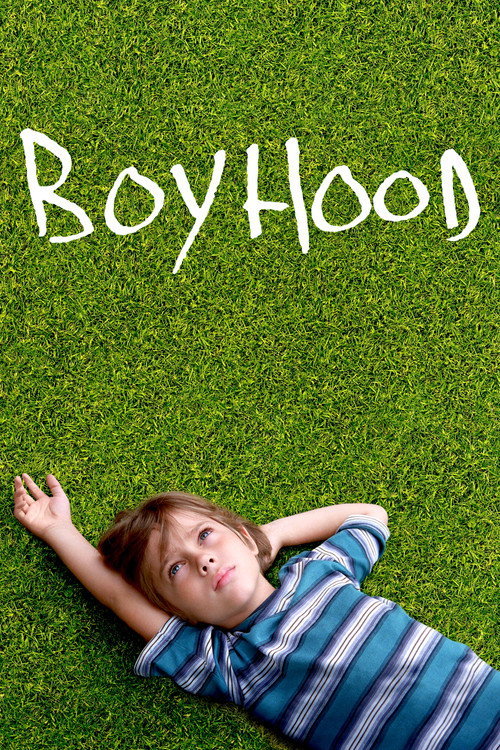
Boyhood2014
Richard Linklater filmed the same family over 12 years, creating a time-based artwork where duration itself is the subject. Like Kiarostami's layering of moments, it trusts the power of accumulated small instances.
But It's long, meandering, and the protagonist is deliberately ordinary. Some find it profound; others find it a test of endurance.
Not sure tonight? Get a pick in a minute, starting from 24 Frames
The wildcard
Something you would not have found on your own.
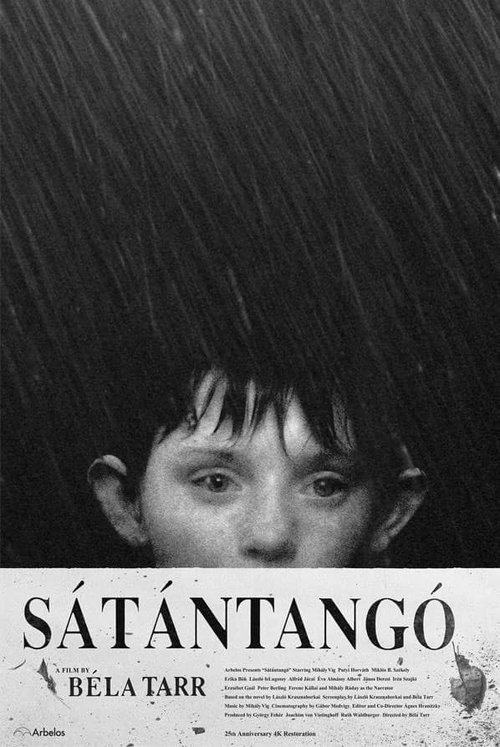
Satantango1994
Both Kiarostami and Tarr refuse to edit away the texture of time itself. They ask cinema to be as patient as painting, holding a single image until it reveals depth. Sátántangó is Tarr's most extreme argument for this principle.
Béla Tarr's seven-and-a-half-hour masterpiece about a community in post-Soviet Hungary. Shot in long, unbroken takes through static frames that feel like paintings come to life. Every shot earns its duration.
But It is genuinely seven-and-a-half hours. Black and white. Minimal plot. Most people will not finish it, and that's honest feedback, not a character flaw.
More like this (8)
Tokyo Story1953
Ozu's serene portrait of family and aging, told in small gestures and careful compositions. It shares Kiarostami's belief that cinema's power lies in what you choose to show, not what happens.
But Nearly 140 minutes with virtually no dramatic incident. The reward is contemplative; the entry fee is patience.

The Turin Horse2011
Béla Tarr's final film, made from the last fragments of Nietzsche's life, repeats and fragments its own images like a meditation on decay. Visual and philosophical, never sentimental.
But It's willfully austere and circular—the opposite of reassuring. Shot in black and white, deeply pessimistic, and demanding.

Sans Soleil1983
Chris Marker's essay-documentary is a collage of footage and voice, traveling through memory and place. It treats cinema as thought itself, similar to how Kiarostami treats images as starting points for feeling.
But There's no conventional throughline. You have to surrender to its associative logic, which some experience as profound and others as frustratingly opaque.

Stalker1979
Tarkovsky again, but this time in a science-fiction frame: a guide leads two men through a mysterious zone toward a room that grants wishes. Slow, philosophical, visually extraordinary. About desire and doubt.
But 163 minutes. Long stretches of walking and talking. If you think science fiction should have explosions, this will test your definition.

Mulholland Drive2001
Lynch's dreamlike Los Angeles puzzle refuses to cohere into meaning; it fragments like Kiarostami, asking you to feel rather than understand. Gorgeous, strange, utterly committed to its own logic.
But It's deliberately confusing and the narrative deliberately resists closure. Some find it profound; others find it pretentious misdirection.

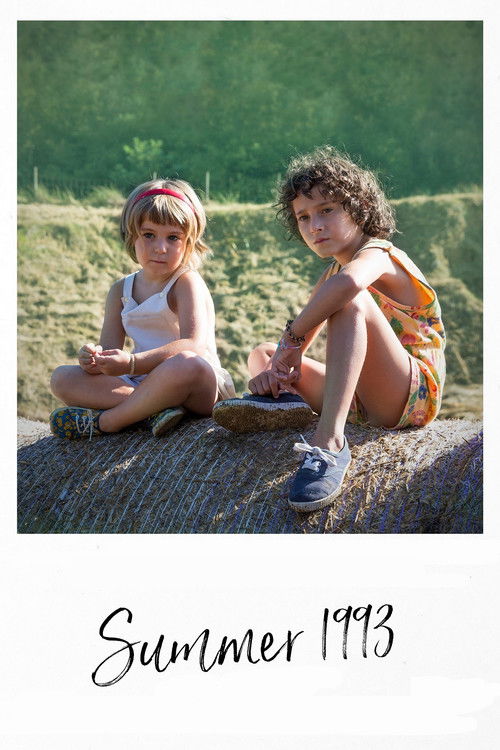
Summer 19932017
Carla Simón's debut: a child returns to her family's house after her parents' death. Quiet, sensory, built on small moments and the weight of absence. Deeply felt without being showy.
But Very little happens externally. The entire drama is internal and emotional. If you need plot momentum, this will feel slight.
The Act of Killing2012
Both are experimental films that use framing, still images, and the power of what the camera chooses to show to make viewers feel something true. But where Kiarostami starts from beauty and finds depth, Oppenheimer starts from atrocity and finds unexpected humanity. Opposite poles of cinema's power.
Joshua Oppenheimer's documentary asks former Indonesian death-squad leaders to stage their own atrocities for the camera. Formally inventive, morally piercing, unlike anything you've seen: a documentary that uses performance as truth-telling.
But It depicts genocide and asks you to watch men re-enact mass murder. Difficult, sometimes grotesque. Requires emotional fortitude and a willingness to sit with complicity and horror.

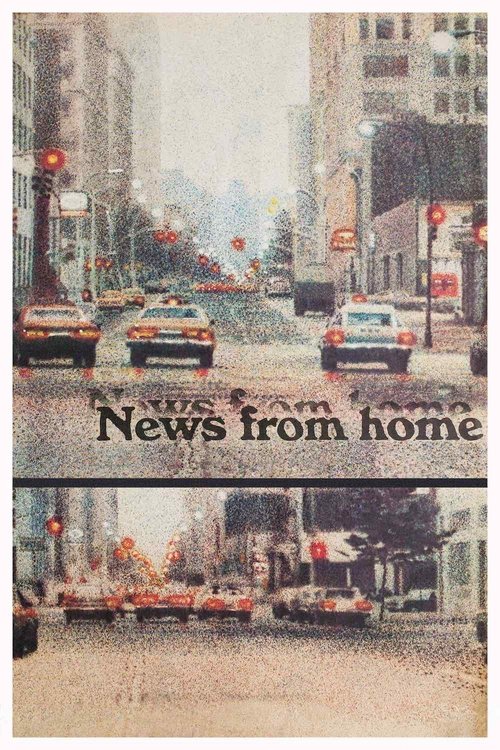
News from Home1976
Like 24 Frames, it starts with constraint—a fixed frame, a voice, a duration—and uses that limitation to deepen perception. Akerman and Kiarostami both believe that cinema's power lies in duration and the patient gaze, not in plot or spectacle.
Chantal Akerman films the streets of New York for 90 minutes with a static camera, while her mother's letters are read aloud. A poem made from everyday urban texture. Minimal, radical, hypnotic.
But Almost nothing happens. It's a single idea held for 90 minutes. The entire experience depends on surrendering to boredom as a route to attention.
People
Cast
Directing
- Abbas KiarostamiDirector
- Kamran HosseinzadehSecond Assistant Director
Production
- Candice McHughPost Producer
- Ahmad KiarostamiProducer
- Charles GillibertProducer
- Asaneh AatefiProduction Assistant
- Hamideh MortazaviProduction Assistant
- Maryam MajdaliyehProduction Assistant
- Morteza GhalibafProduction Assistant
- Puya ParsiProduction Assistant
- Bahman KiadarbansariProduction Manager