
Film
Soul Power
- Musical
- Light-hearted
Soul Power is a 1974 music festival in Kinshasa reconstructed from archive footage—the cultural counterpoint to the Rumble in the Jungle. It captures James Brown, B.B. King, Bill Withers and others performing at their peak, but the real subject is Black artistic excellence as geopolitical statement. Vivid, occasionally chaotic, essential for anyone who loves music history.
If you liked this
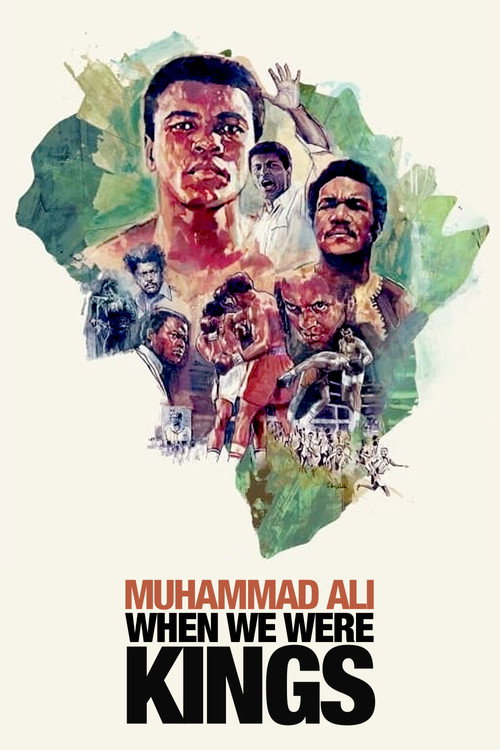
When We Were Kings1996
The Rumble in the Jungle story told with the same archival material and era-defining energy. Combines boxing, politics and the same Kinshasa moment from a different angle. Herzog's direction gives it narrative momentum Soul Power doesn't attempt.
But The fight itself may feel dated if you're after modern boxing analysis. Primarily a portrait of Ali rather than a portrait of the era.
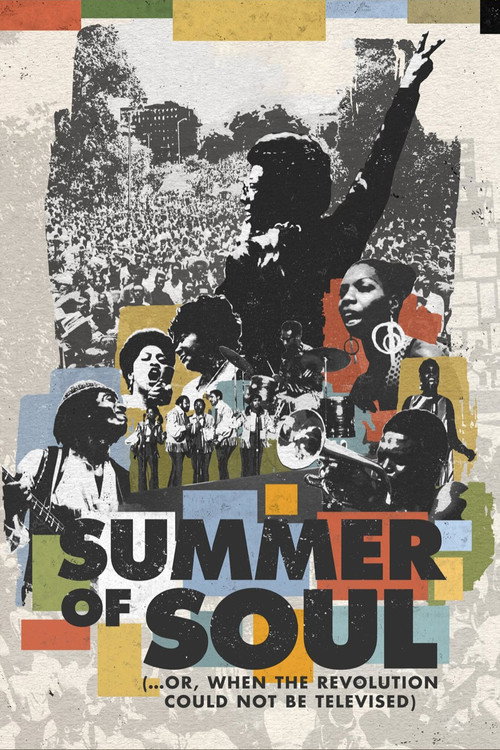
Summer of Soul (...Or, When the Revolution Could Not Be Televised)2021
Questlove's reconstruction of the 1969 Harlem Cultural Festival from lost footage. Same DNA as Soul Power—Black music as a statement, archive as narrative, performances that redraw history. The energy and the stakes are unmistakable.
But At nearly two hours, it's comprehensive to the point of exhaustion. You will feel every minute, which some find overwhelming rather than immersive.
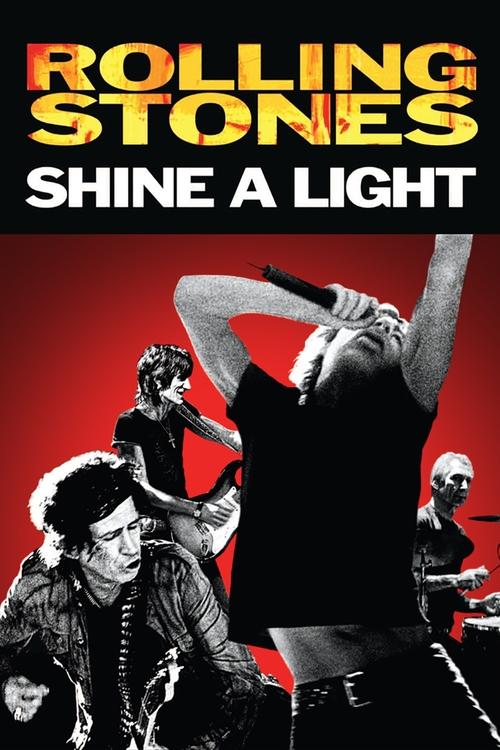
Shine a Light2008
Scorsese filming the Rolling Stones at the Beacon Theatre in 2006. Not a documentary but a concert film with his visual intelligence. Captures performance at full voltage, the way Soul Power does, but with contemporary sound design.
But It's a concert film first. If you want historical context or narrative, you'll be disappointed. Also: it's the Stones, not James Brown.
Not sure tonight? Get a pick in a minute, starting from Soul Power
The wildcard
Something you would not have found on your own.
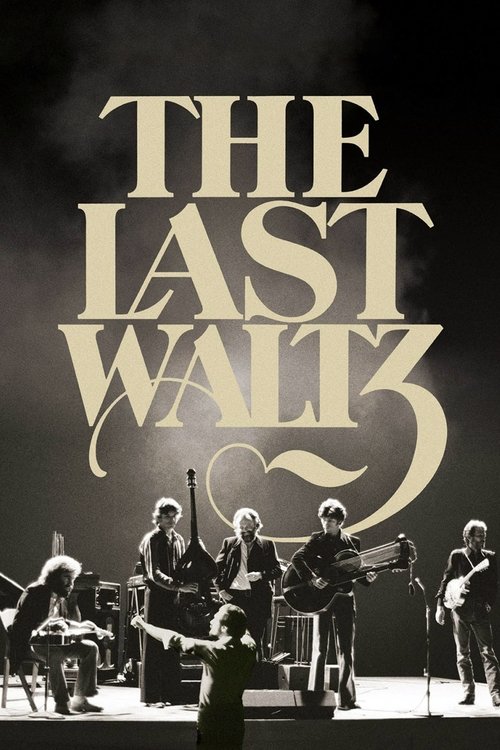
The Last Waltz1978
Both use live performance to capture a historical moment that outlives the event itself. Soul Power is about what's possible; The Last Waltz is about what's been lived through. Same form, opposite register.
Scorsese filming The Band's farewell concert at the Winterland in 1976. Like Soul Power, it's a moment of artistic reckoning captured live—but it's about saying goodbye rather than announcing arrival. The musicians are older, wearier, deeper. Performances are intercut with interviews that feel like confessions.
But It's sedentary compared to Soul Power. The energy is reflective rather than explosive. Also: it's rock musicians, not soul, and the film's editing is famous for its intrusions. Some find Scorsese's presence distracting.
More like this (5)
Fyre2019
A documentary about a catastrophic music festival in the Bahamas. It's the inverse of Soul Power—chaos instead of transcendence—but shares an obsession with how music and spectacle collide with real-world stakes.
But It's essentially a true-crime story about a con. If you want the music, you'll find very little of it. The schadenfreude wears thin.

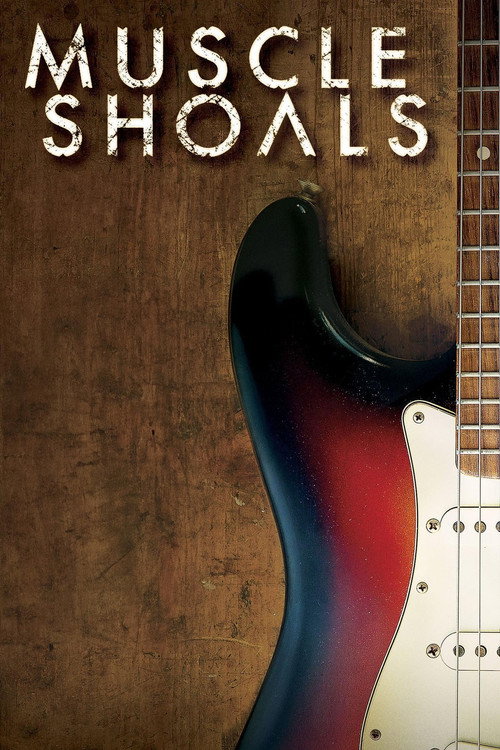
Muscle Shoals2013
Documentary about the recording studio in Alabama where Bill Withers and countless soul legends recorded. You'll recognize his voice from Soul Power; this explains where that voice came from and what it meant.
But It's studio-focused rather than performance-focused. More about process than spectacle. If you want to see artists live, this is the wrong film.
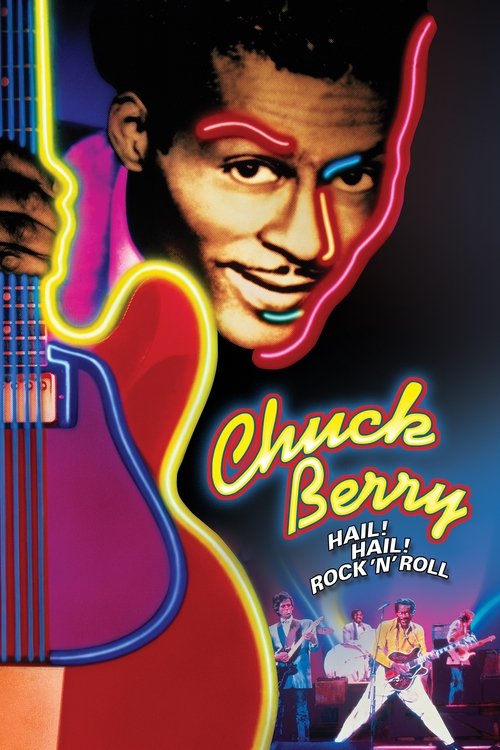
Chuck Berry: Hail! Hail! Rock 'n' Roll1987
Keith Richards directing a concert documentary of Chuck Berry at his 60th birthday celebration. Musicians playing live in service of a living legend. The energy and the reverence are genuine.
But It's shorter and smaller in scope than Soul Power. Rock and roll rather than soul. Feels like a special event rather than a historical reckoning.
Night and Fog1956
Both use found footage as moral argument. Soul Power says: here is what genius looked like. Night and Fog says: here is what we did. The method is the same; the stakes are different. Both insist that documentary is not passive reporting but active testimony.
Alain Resnais's 32-minute documentary about the Holocaust. Not music, not performance—it's archive footage and still photography reassembled into something unbearable and essential. Like Soul Power, it argues that cinema can resurrect history from fragments. It's about what we owe to what we've lost.
But It's devastating and difficult. The subject matter is atrocity. Not an evening, but an ordeal you'll need to survive. Also: half an hour, so you need nothing else to come after it.

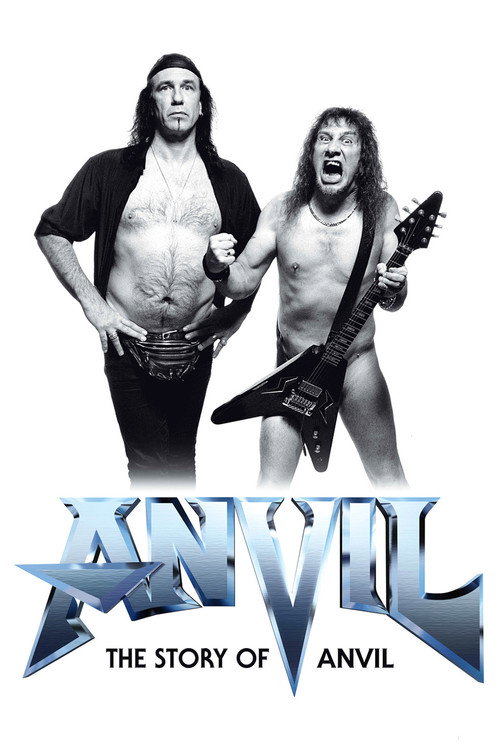
Anvil! The Story of Anvil2008
Soul Power celebrates artists at their absolute peak. Anvil celebrates artists who never had a peak but never stopped believing they might. Both are about the relationship between ambition and reality, but Soul Power says yes and Anvil says maybe. Together, they're a conversation about what music means.
A documentary about an obscure heavy metal band trying for a comeback after 30 years of irrelevance. It's a concert film hidden inside a character study hidden inside a eulogy for ambition. Sad, funny, exhilarating, and the performances, when they come, have weight.
But The band is not good. They're earnest and dedicated, but the music itself is muddy and derivative. If you want the visceral thrill of great musicians, you won't find it here. You'll find something harder: the thrill of trying.
People
Cast
 James BrownSelf (archive footage)
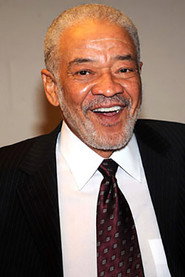 Bill WithersSelf (archive footage)
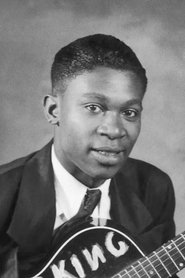 B.B. KingSelf (archive footage)
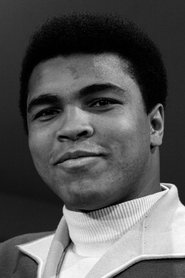 Muhammad AliSelf (archive footage)
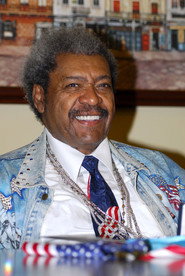 Don KingSelf (archive footage)
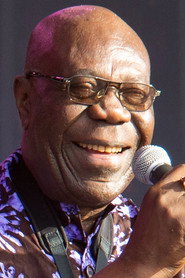 Manu DibangoSelf
- Lola LoveSelf
- Franco LuomboSelf
 Miriam MakebaSelf (archive footage)
 Celia CruzSelf (archive footage)
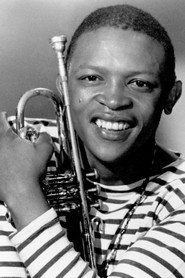 Hugh MasekelaSelf (archive footage)
- Johnny PachecoSelf (archive footage)
Directing
- Jeffrey Kusama-HinteDirector
Writing
- Stewart LevineOriginal Concept
Production
- David SonenbergProducer
- Jeffrey Kusama-HinteProducer
- Leon GastProducer