
Film
Changeling
Clint Eastwood's 1928 Los Angeles crime drama follows a mother's fight to expose institutional corruption when police insist a returned boy is her missing son—despite her certainty he isn't. It's meticulous, infuriating, and anchored by Angelina Jolie's performance as a woman systematically gaslit by the system meant to protect her. For viewers who want moral clarity and a real-world mystery that cuts deeper than whodunit.
Should you watch it?
Watch it if you like slow-burning true-story dramas where institutional rot is laid bare patiently, and a grieving woman's stubbornness drives the whole machine.
Skip it if its 142 minutes are patient and sometimes lumbering, and its anger at institutional cruelty can feel heavy-handed when you want the story to breathe.
What it asks of you: A 142-minute run at a deliberate pace, mostly grim, with few lighter moments and close attention needed to follow the courtroom and bureaucratic detail.
Not sure? Find tonight's pick in a minute.
If you liked this
Spotlight2015
Another ensemble investigation into institutional corruption and cover-up, this time following journalists uncovering abuse in the Catholic Church. Same DNA: patient procedural storytelling, the slow accumulation of evidence, and the weight of people choosing complicity over truth.
But The rhythms are measured and deliberate; there are no action beats. If you need momentum, this will feel like watching bureaucracy in real time.

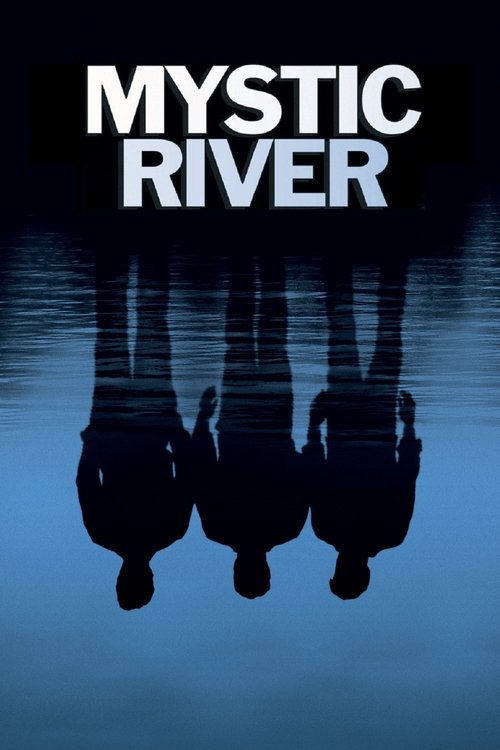
Mystic River2003
Eastwood directing a 1970s Boston mystery where trauma, secrets, and small-town corruption poison everything. A study in how systems fail people and how decent people become compromised. The same moral reckoning as Changeling, darker tone.
But Brutally bleak, with no redemptive arc. Jolie's character finds some dignity; Eastwood's detectives find only compromise.
The Girl with the Dragon Tattoo2011
A woman systematically investigating institutional failure and male violence, uncovering layers of complicity in Swedish society. Meticulous, angry, and driven by the same need to prove the truth against enormous resistance.
But Graphic violence and sexual assault are intrinsic to the story, not decoration. The film doesn't flinch, which is the point, but it demands that capacity from you.

Not sure tonight? Get a pick in a minute, starting from Changeling
The wildcard
Something you would not have found on your own.
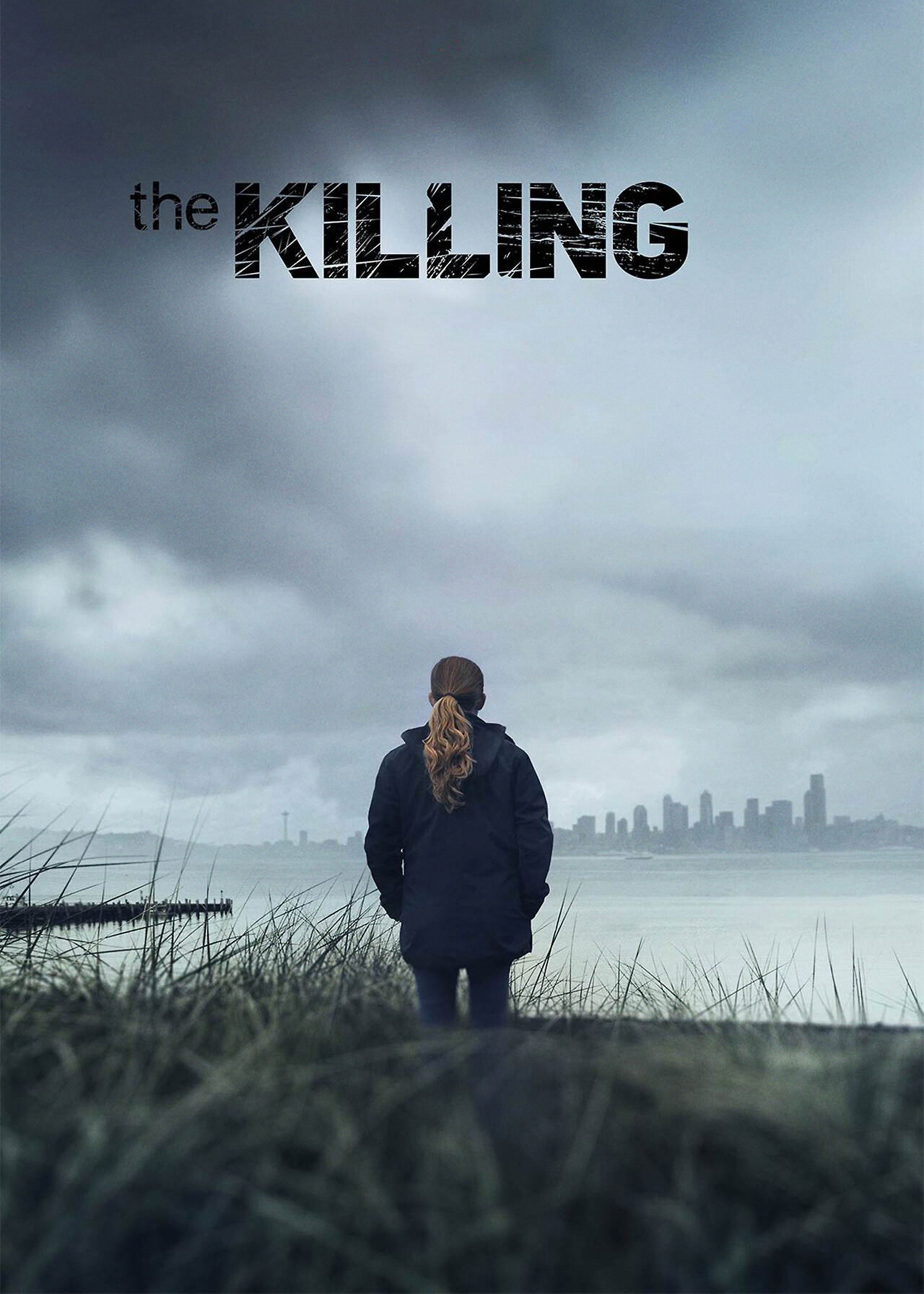
The Killing2011
Both center a woman waging a solitary war against bureaucratic machinery that protects itself; both understand that individual truth-telling cannot fix structural corruption.
A Copenhagen murder investigation where incompetence, institutional indifference, and a woman fighting her own department's obstruction consume four seasons. Serialized storytelling lets Changeling's rage and frustration evolve across time, showing how systems corrode hope and certainty.
But Deliberately slow, episodic, and repetitive—the investigation circles and stalls deliberately. If you want resolution, the finale will feel like a betrayal.
More like this (8)
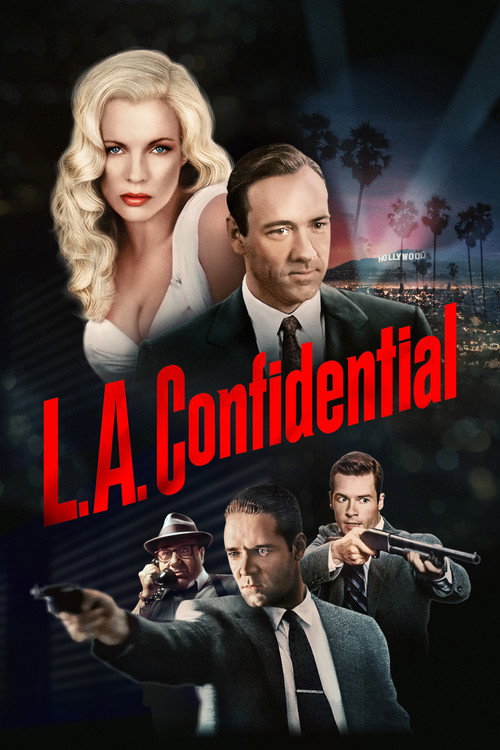
L.A. Confidential1997
A 1950s L.A. crime story about police corruption, collusion, and the dangerous cost of seeking truth in a system designed to obscure it. Leaner and meaner than Changeling, but the same understanding that institutions protect themselves first.
But Ensemble cast means less time with any one character. The narrative momentum can feel pulpy compared to Changeling's deliberation.
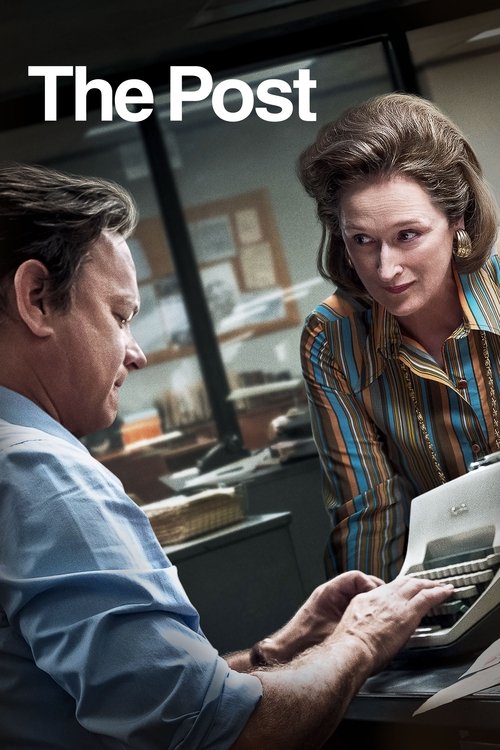
The Post2017
Spielberg (like Eastwood, another giant) on institutional obstruction and the will required to publish truth against government pressure. A woman fighting her own doubts and a system lined up against her. Post-Watergate optimism missing from Changeling, but the same stakes.
But Occasionally lectures rather than shows. Meryl Streep and Tom Hanks can feel like presences rather than people sometimes.
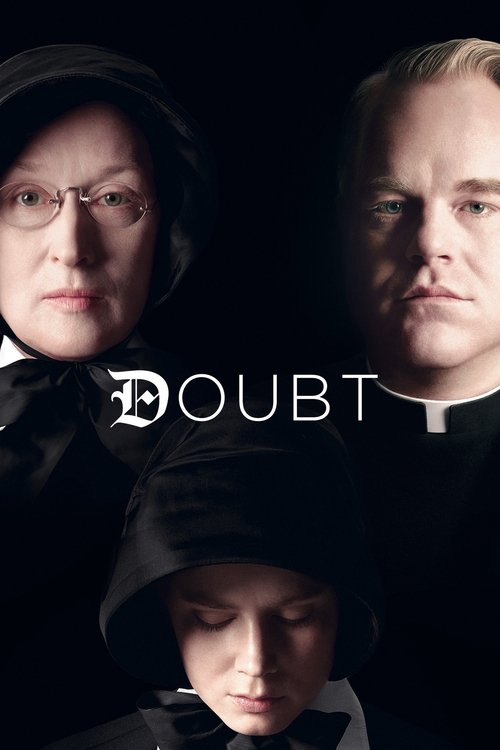
Doubt2008
Released the same year as Changeling: a woman determined to expose wrongdoing in a religious institution faces gaslighting, institutional loyalty, and the corrosive effect of certainty on her own mind. A masterclass in ambiguity and the limits of knowing.
But Claustrophobic and internal. If you want forward narrative momentum, this film's engine is psychological and theological questioning.
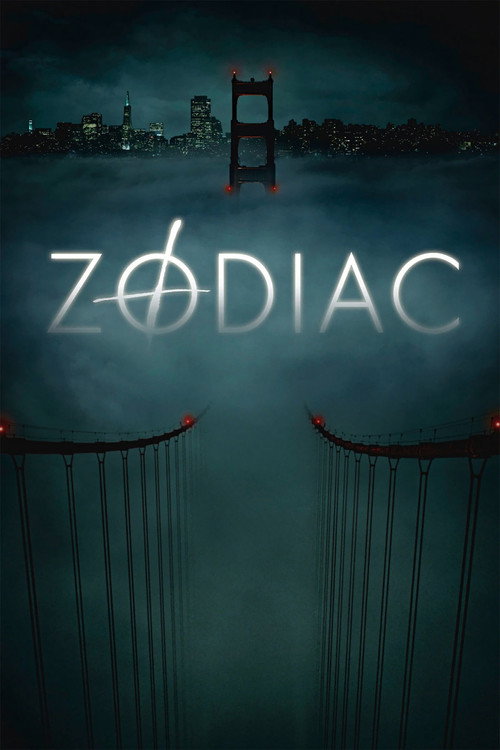
Zodiac2007
Fincher's obsessive hunt for truth in 1970s San Francisco, where the system and the killer remain out of reach. Changeling shares the meticulous, almost compulsive need to see the record straight, even when it costs everything.
But No catharsis. The film ends where it begins: frustrated, incomplete, the killer uncaught. Jolie's character at least wins her battle.
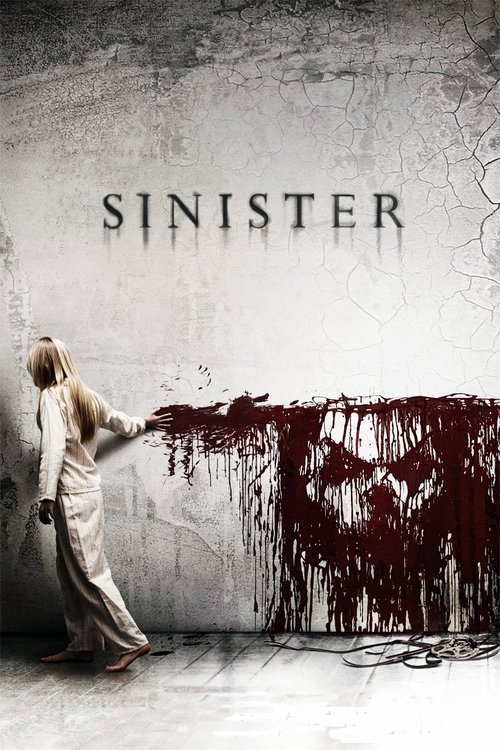
Sinister2012
A man investigating a crime no one else wants examined, uncovering institutional failure and the exploitation of children. The same architecture as Changeling—a person alone against apathy and corruption—but filtered through mounting dread rather than righteous anger.
But Horror atmosphere sits uneasily beside the true-crime procedural elements. Tonal shift may feel manipulative, and the darkness is relentless.
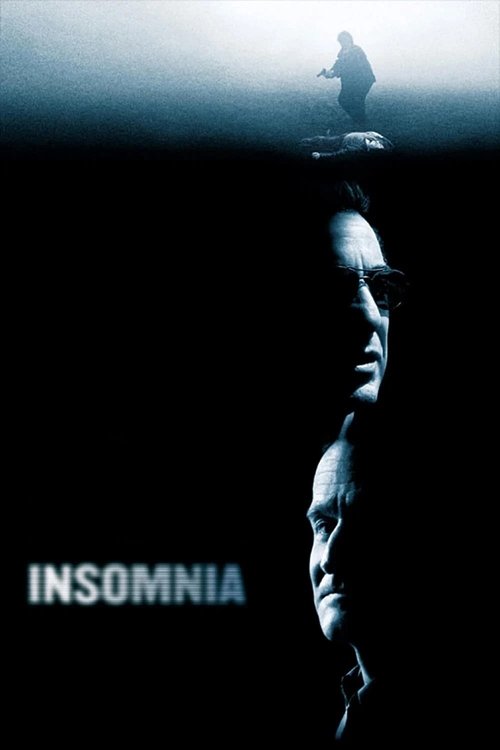
Insomnia2002
Eastwood as a detective in an Alaskan murder case, his judgment eroded by sleeplessness and compromise, discovering how easily systems corrupt those within them. A quieter portrait of how institutions hollow people out.
But Essentially a two-character study between Eastwood and an excellent Al Pacino. Limited scope after Changeling's sprawl. Moody rather than propulsive.
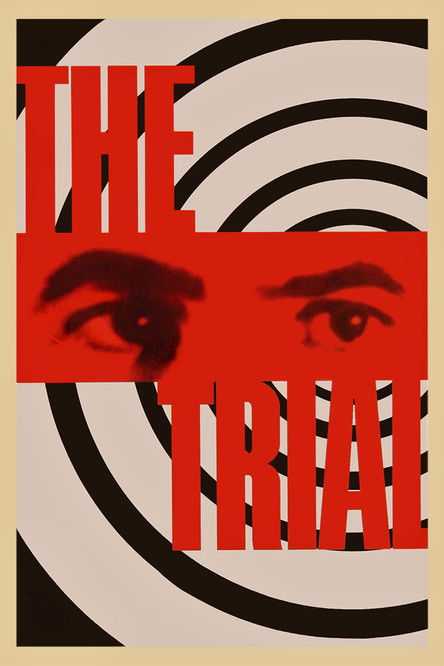
The Trial1962
Both are about individuals crushed by systems indifferent to truth; Welles makes the nightmare literal while Eastwood makes it institutional. Same machinery, different registers.
Orson Welles's adaptation of Kafka: a man trapped in a judicial system that exists to grind him down, where evidence, logic, and truth are irrelevant. Black-and-white, expressionistic, hallucinatory—Changeling's DNA filtered through surrealism. The architecture of institutional evil made visible.
But Dated in its visual style and pacing; Welles's theatrical flourishes may feel arch. The dream-logic works against linear clarity.
A Prophet2009
Both are studies in institutional corruption and individual survival, but where Changeling asks whether truth can prevail, A Prophet shows how institutions hollow and remold the people trapped in them.
A young man enters a French prison and must navigate corrupt hierarchies, manipulation, and survival. Not about sexual violence or child abduction—about how institutions forge and destroy people. Made the same year as Changeling, another Cannes winner exploring how power corrupts without mercy.
But Prison brutality is explicit and ongoing. The protagonist is not sympathetic; he becomes a different kind of monster. Considerably darker than Changeling's moral clarity.

People
Cast
 Angelina JolieChristine Collins
 John MalkovichRev. Gustav Briegleb
 Jeffrey DonovanCaptain J.J. Jones
 Michael KellyDetective Lester Ybarra
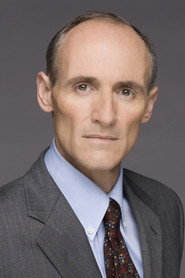 Colm FeoreChief James E. Davis
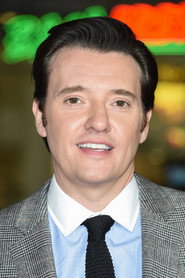 Jason Butler HarnerGordon Northcott
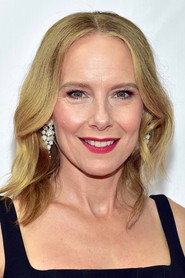 Amy RyanCarol Dexter
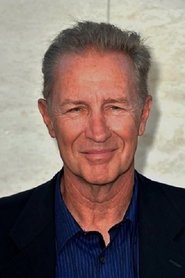 Geoff PiersonS.S. Hahn
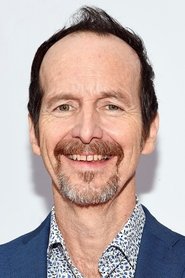 Denis O'HareDr. Jonathan Steele
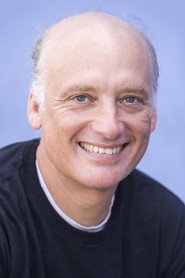 Frank WoodBen Harris
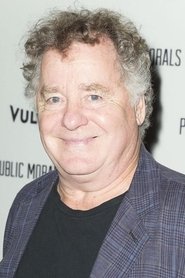 Peter GeretyDr. Earl W. Tarr
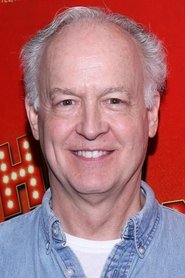 Reed BirneyMayor Cryer
Directing
- Clint EastwoodDirector
- Donald MurphyFirst Assistant Director
- Kerry Lyn McKissickScript Supervisor
- Katie CarrollSecond Assistant Director
- Peter DressSecond Second Assistant Director
Writing
- J. Michael StraczynskiWriter
Production
- Barbara HarrisADR Voice Casting
- Jennifer HuntAssistant Accountant
- Krista KueblerAssistant Accountant
- Lindsey HennigAssistant Accountant
- Stephanie N. WhallonAssistant Accountant
- Kathryn C. GalberthAssistant Production Coordinator
- Trish PertschiAssistant Production Coordinator
- Ellen ChenowethCasting
- Amelia Rasche McCarthyCasting Associate
- Geoffrey MiclatCasting Associate
- Audrey ChonExecutive Producer
- Geyer KosinskiExecutive Producer
- Jim WhitakerExecutive Producer
- Shauna BryanExecutive Producer
- Tim MooreExecutive Producer
- Natalie Hsieh CenculaExecutive Producer's Assistant
- Claire BenjaminExtras Casting
- Tony HobbsExtras Casting
- Joel TokarskyFirst Assistant Accountant
- Patrick MignanoLocation Manager
- Brian GrazerProducer
- Clint EastwoodProducer
- Robert LorenzProducer
- Ron HowardProducer
- Jessica MeierProducer's Assistant
- Kimi Armstrong SteinProducer's Assistant
- Jason S. GondekProduction Accountant
- Annie Brownell JewellProduction Assistant
- David S. CoxProduction Assistant
- Hector M. BuenoProduction Assistant
- Jared A.J. MuscarellaProduction Assistant
- Patrick Tendai PfupajenaProduction Assistant
- Tony X. DealeProduction Assistant
- Will ZiegenhornProduction Assistant
- Tim MooreUnit Production Manager