Television series
The Village
Other titles called The Village: the 2004 film.
The Village is a BBC drama that unfolds the story of twentieth-century England through the eyes of a single Derbyshire family across three generations. It's intimate and sweeping at once—domestic life intersecting with historical upheaval, from the Great War through the postwar years. A portrait of how ordinary people survive extraordinary times.
Should you watch it?
Watch it if you like slow, observant family sagas where the big historical moments arrive through kitchen tables, farm work and small village quarrels rather than spectacle.
Skip it if you want a brisk plot or regular cliffhangers; this moves at the pace of rural life, and its hour-long episodes can feel leisurely over a full run.
What it asks of you: Twelve hour-long episodes across two seasons, with long stretches of quiet domestic detail that reward patience more than close attention to plot.
Not sure? Find tonight's pick in a minute.
If you liked this
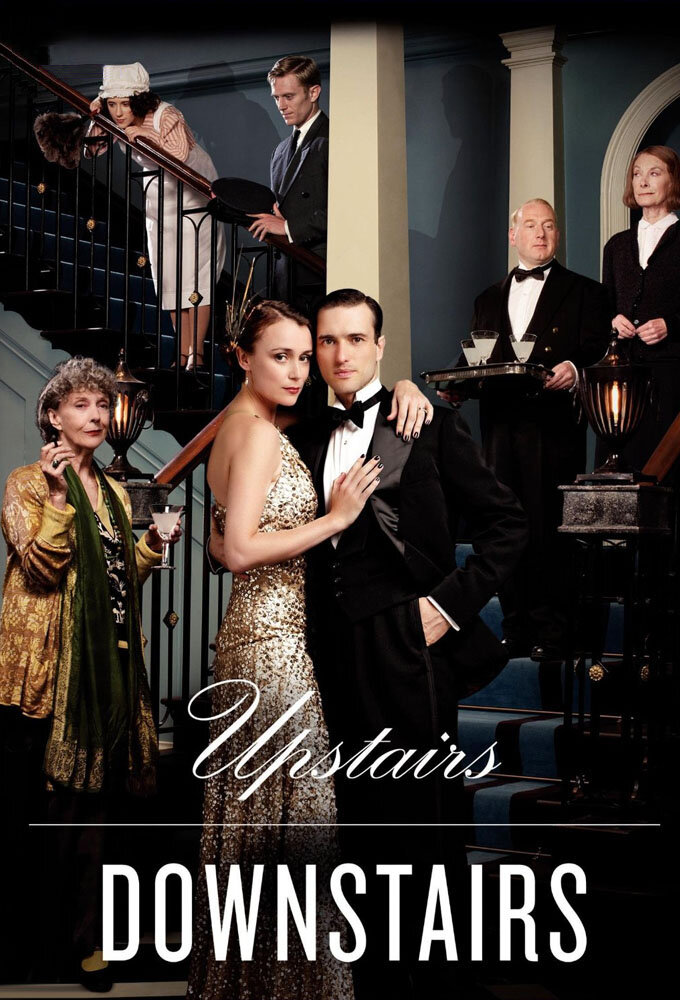
Upstairs Downstairs2010
A clever contemporary remake that does exactly what The Village does: uses a grand house to explore class, history, and the ripples of social change across decades. Beautifully acted and deeply addictive.
But The original 1970s version casts a long shadow, and some find the premise a bit familiar—servants and employers, the same tensions retold.
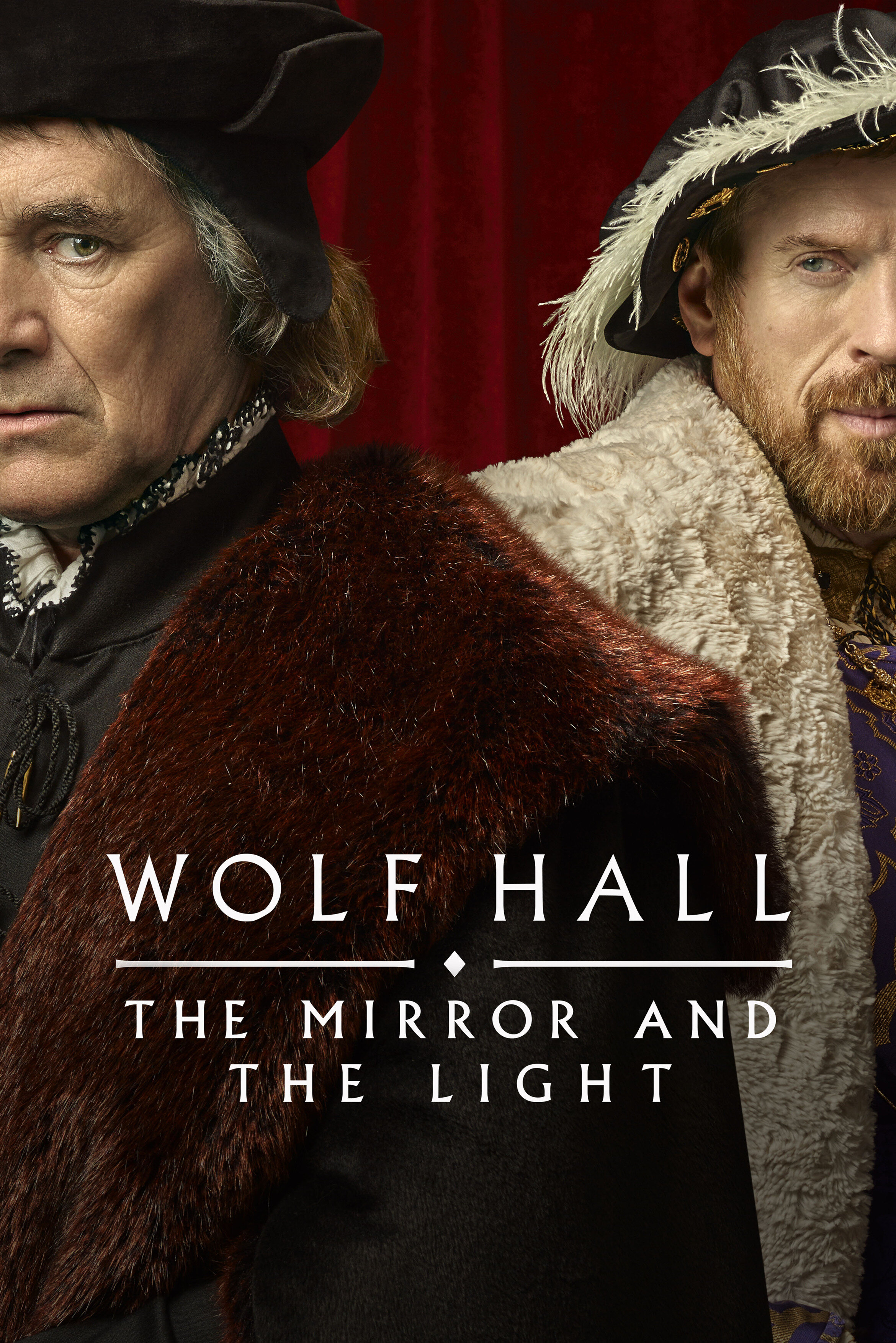
Wolf Hall2015
Six hours of intricate historical drama with John Simm (who's also in The Village) giving a masterclass. Tudor politics is the setting, but it's really about power, loyalty, and survival under pressure—themes that resonate across centuries.
But Dense and demanding. The plot moves fast and assumes you know your history. Patient viewers are rewarded; impatient ones get frustrated.
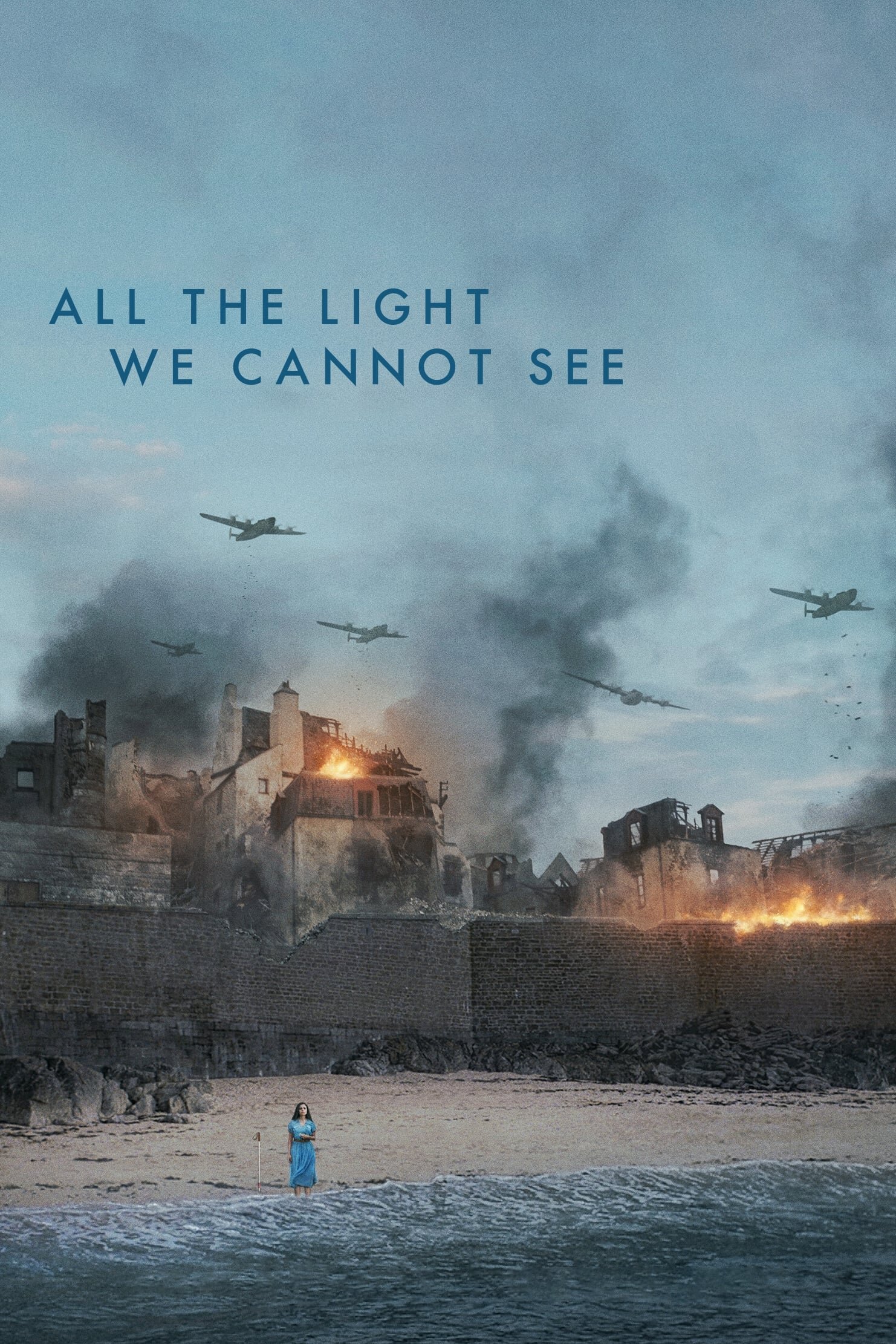
All the Light We Cannot See2023
A World War II story told with the same intimacy The Village brings to the early twentieth century. Two ordinary lives on opposite sides of conflict. Visually stunning and emotionally devastating.
But Netflix miniseries, so it'll be consumed in a weekend. Also, if you're tired of WWII narratives, this won't change your mind about the subject, only deepen it.
Not sure tonight? Get a pick in a minute, starting from The Village
The wildcard
Something you would not have found on your own.
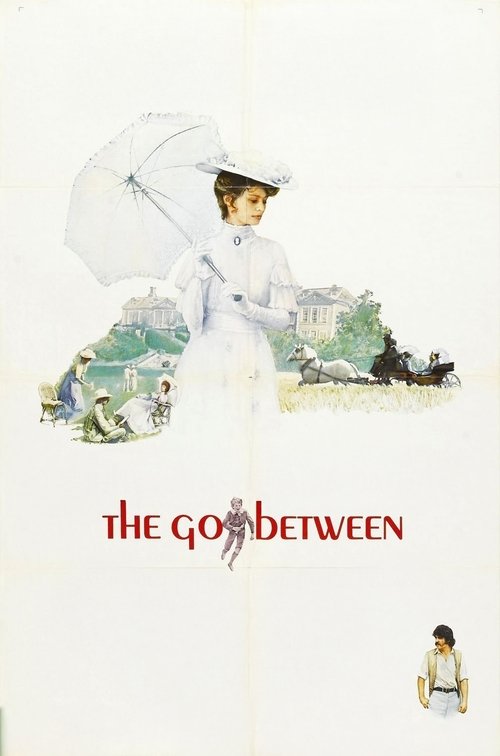
The Go-Between1971
Like The Village, it's about ordinary people caught in historical currents—but told entirely through a child's perspective, and with a devastating emotional reversal that arrives in silence.
Piers Paul Read's novel of a boy delivering love letters between two people in Edwardian England. It's about memory, class, and how lives are shaped by forces beyond our control. Hauntingly beautiful.
But Very slow, very 1970s, very English. Julie Christie and Alan Bates barely touch or raise their voices. If you need plot momentum, you'll find it stalled.
More like this (8)
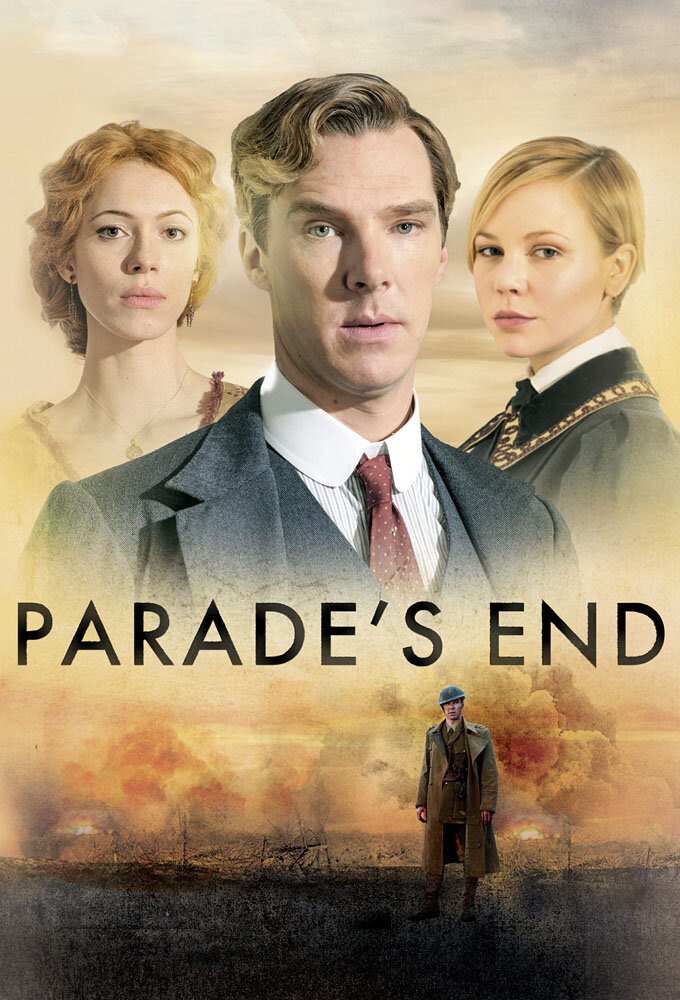
Parade's End2012
Benedict Cumberbatch as a man whose world is destroyed by the First World War. Five hours of anguish and beauty exploring how war doesn't end when the fighting stops. Raw and unflinching.
But Heavy going. Emotionally exhausting. Not a comfort watch, and Cumberbatch's character suffers considerably before anything resembling peace arrives.
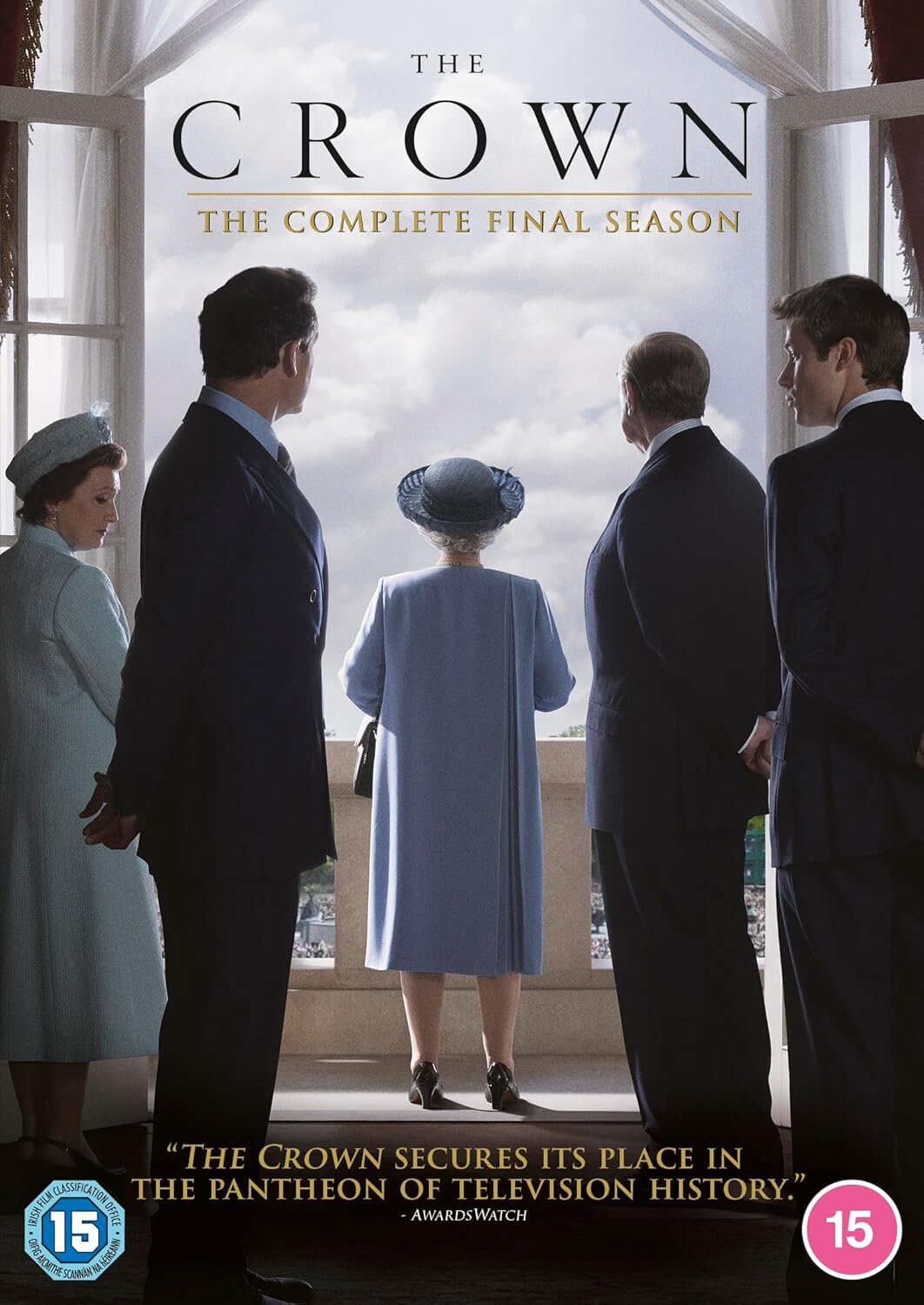
The Crown2016
If you liked watching private lives collide with public history in The Village, The Crown does the same thing with royalty and the second half of the twentieth century. Gorgeously made and endlessly watchable.
But Ten seasons is a commitment. Also, the show's relationship with historical fact gets looser as it goes on, which bothers some people enormously.
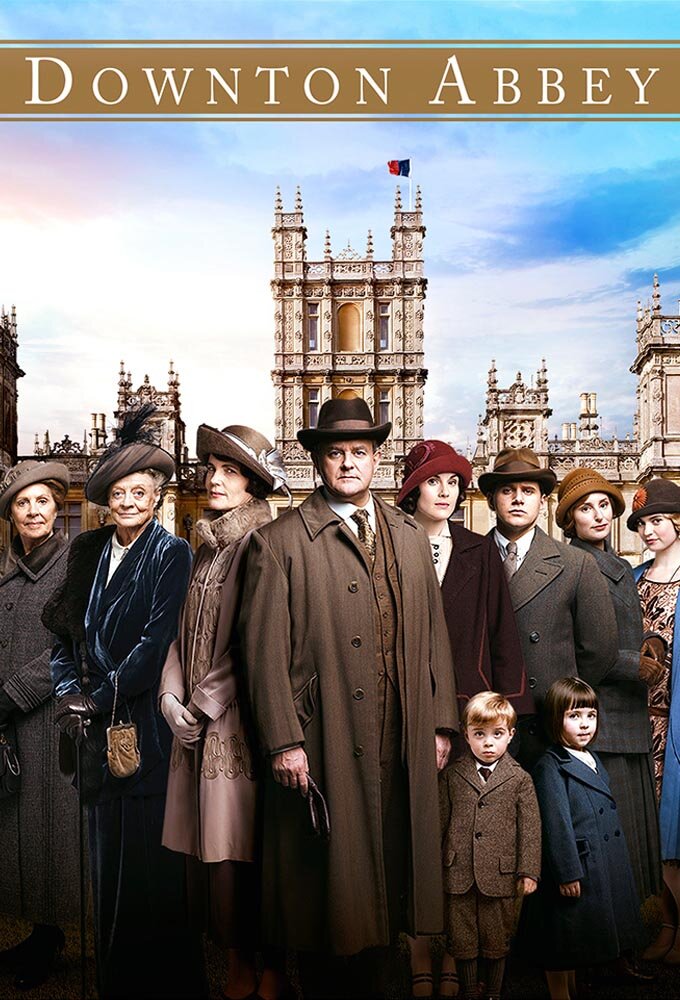
Downton Abbey2010
The obvious cousin to The Village—estate life, class, and historical upheaval told through a community. Warmer in tone, more straightforward in structure. Deeply satisfying if you want character-driven history without the rougher edges.
But Can feel genteel in a way that distances you from harder truths. The drama occasionally prioritizes charm over consequence, which some find dishonest.
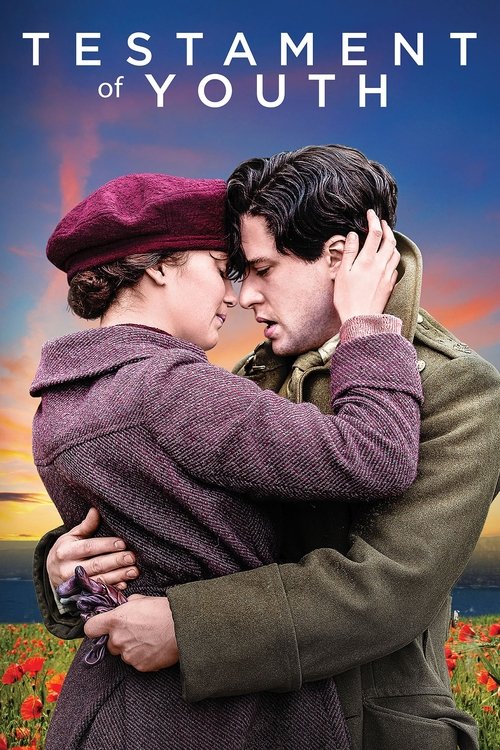
Testament of Youth2015
A young woman's coming of age during and after the First World War, based on Vera Brittain's memoir. Intimate and historical, it has the same DNA as The Village but compressed into two focused hours.
But A film, not a series, so less room to breathe. Also, it can feel like a prestige exercise in grief rather than a lived experience, depending on your mood.
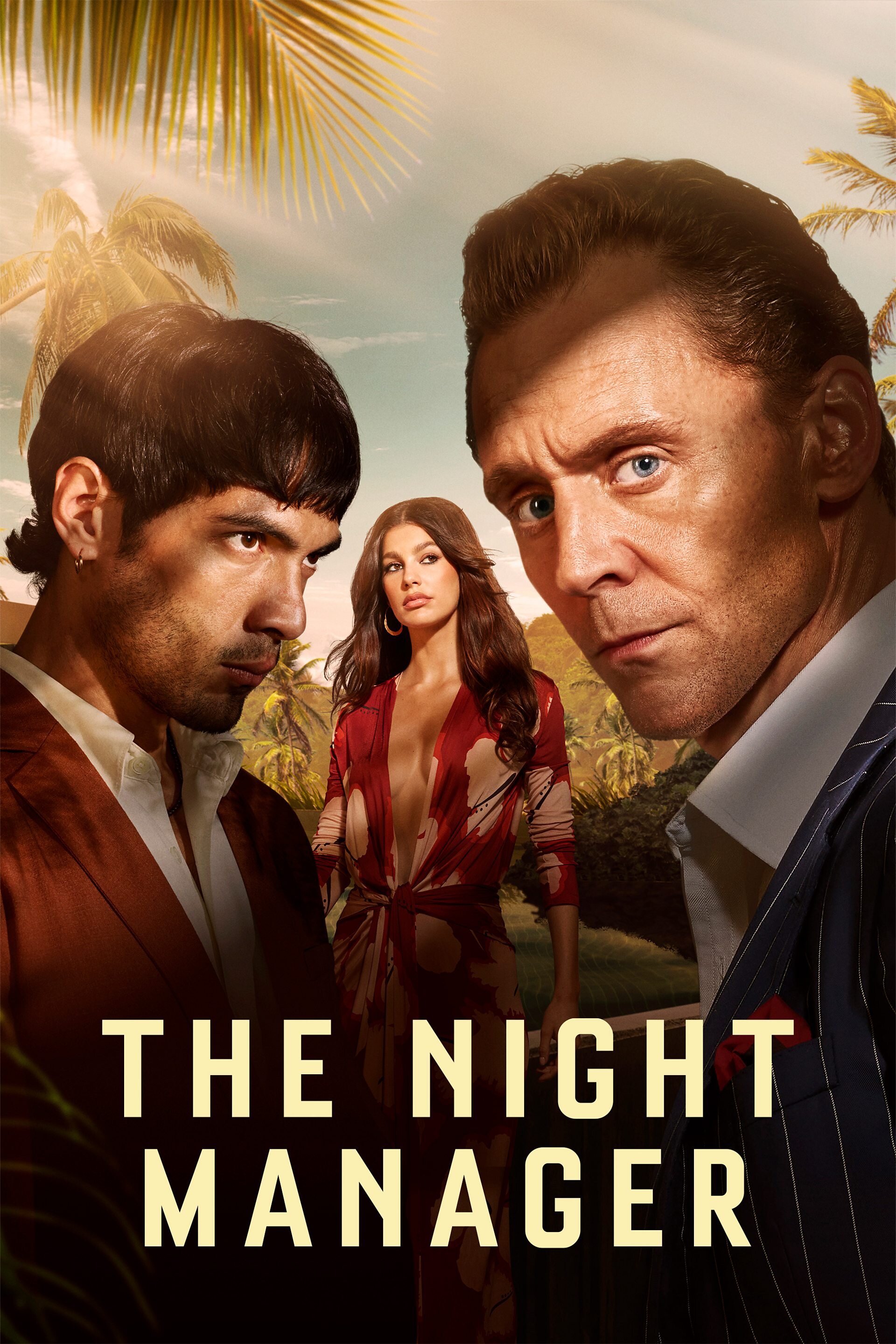
The Night Manager2016
Tom Hiddleston and Tom Hardy in a tense Cold War thriller that grounds history in human stakes. Beautifully directed, superbly acted, and deeply gripping. A masterclass in adaptation.
But Faster paced and more plot-driven than The Village, so if you prefer slow-burn character work, this will feel slick and distant.
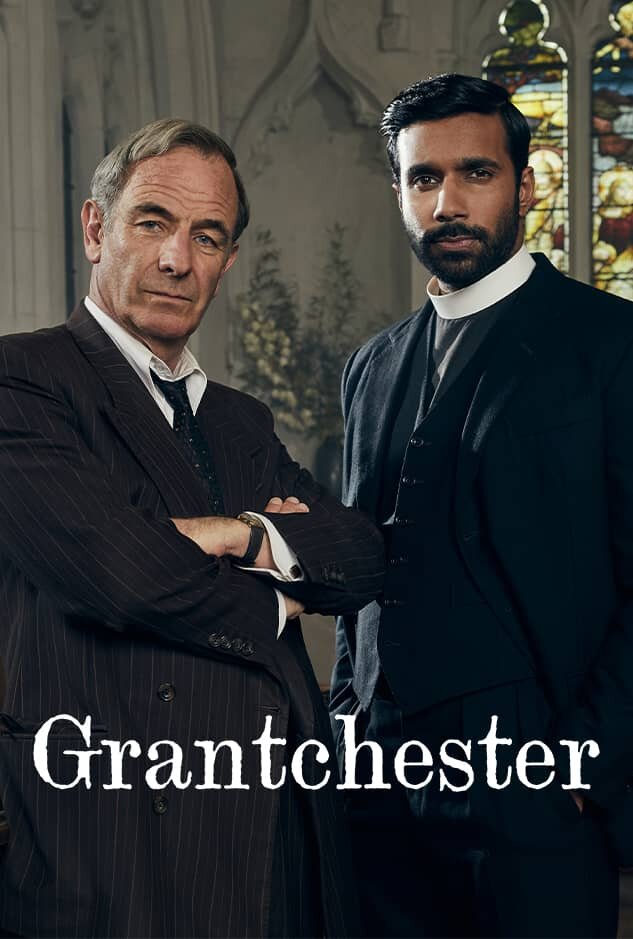
Grantchester2014
A vicar and a detective solve murders in 1950s Cambridge. Cosy British crime drama with real warmth and an excellent ensemble cast. Lighter than The Village but with the same affection for period detail and small communities.
But The murder-of-the-week format can feel repetitive. Also, it's considerably less dark and complex, which means less to chew on if you like your drama challenging.
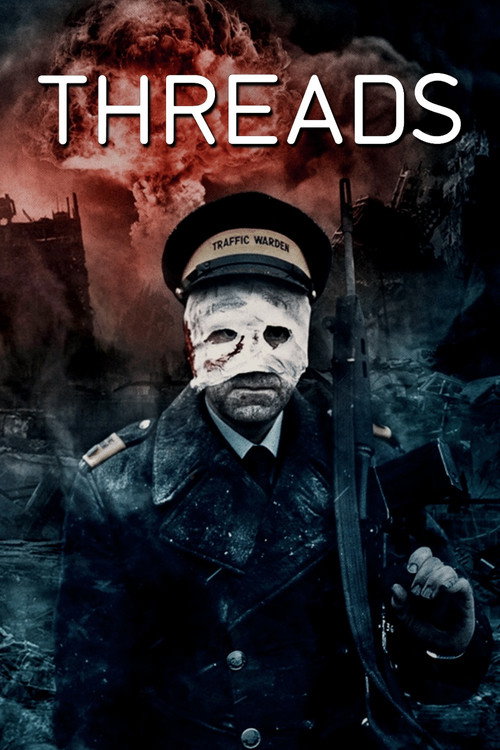
Threads1984
Both show how history happens to families, not in textbooks. Threads does it in 112 minutes of apocalypse; The Village does it across three generations. Same architecture, opposite scales.
A nuclear war told through the lives of ordinary people in Sheffield. Brutal, uncompromising, and historically specific. Not entertainment—an experience. One of the most significant pieces of television ever made.
But Genuinely harrowing. Not just sad but annihilating. Most people watch it once and never again. You will need to sit with it afterward.
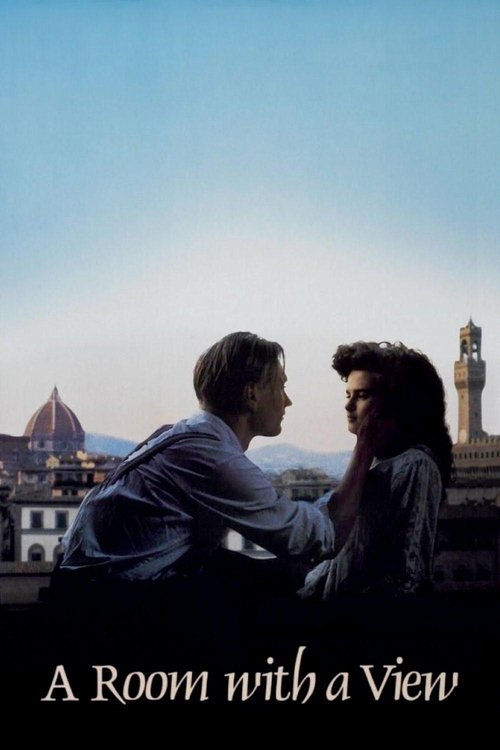
A Room with a View1986
Both are fascinated by how social structures bind people—but Forster's focus is on the individual rebelling against history, while The Village shows most people simply surviving within it. Inverse takes on the same question.
Edwardian romance and class conflict in E.M. Forster's world. Helena Bonham Carter between tradition and yearning. A film about how people live within the constraints of their era and how rare it is to break free.
But A period romance, so if that sounds arch or quaint, it will feel that way. Also, it resolves relatively neatly, which can feel too tidy if you prefer The Village's messier truths.