
Film
Circle
- Survival thriller
- Horror
- Locked-room mystery
- Very dark
- Relentless
Fifty strangers wake in a circular room with a lethal device at its center: every two minutes, someone dies by vote. It's a claustrophobic moral laboratory where desperation reveals character, social instincts fail, and survival becomes a philosophical problem. For fans of high-concept sci-fi that trusts audiences to sit with dread.
Should you watch it?
Watch it if you enjoy a tight, high-concept puzzle box where the tension comes from people arguing over a rigid rule and from slowly piecing together what the setup means, rather than from gore.
Skip it if you want sprawling spectacle or a fast escalation; it stays inside one stark room for most of its 86 minutes and leans on talk and small reversals.
What it asks of you: It asks for steady attention over a short runtime, with a cold, claustrophobic mood and dialogue that carries much of the weight in a single confined space.
Not sure? Find tonight's pick in a minute.
If you liked this
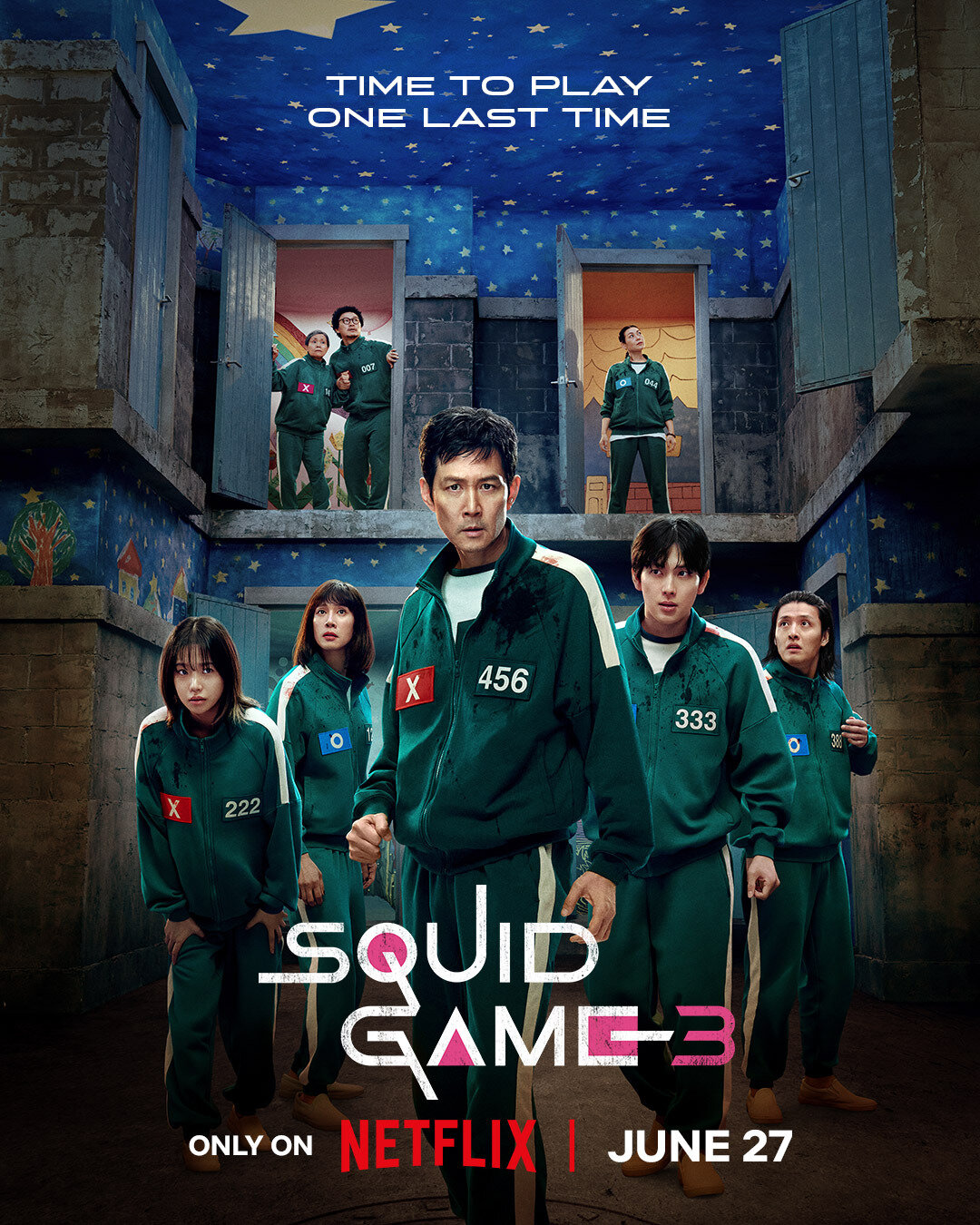
Squid Game2021
Hundreds compete in childhood games for money, each elimination raising the stakes. Like Circle, it's a pressure cooker that exposes how people betray, protect, and fracture under extremity. Masterfully paced and genuinely haunting.
But The series runs 9 hours and dwells on suffering. If you found Circle exhausting rather than gripping, Squid Game's length will test your patience.
The Platform2019
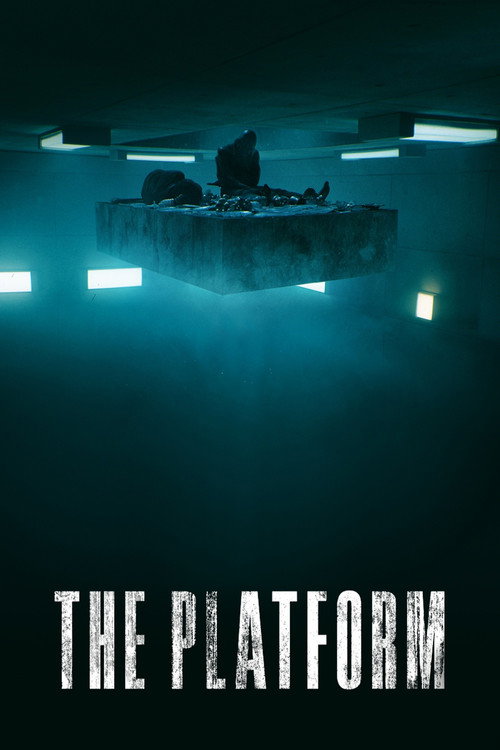
Prisoners on a vertical stack share one meal that descends floor by floor. A sci-fi parable about scarcity and complicity that builds dread through architecture. Spanish filmmaking with an unflinching eye and a killer final act.
But Deliberately grotesque. The premise is bleak and it follows through; comfort or hope are not on offer here.
Cube1998
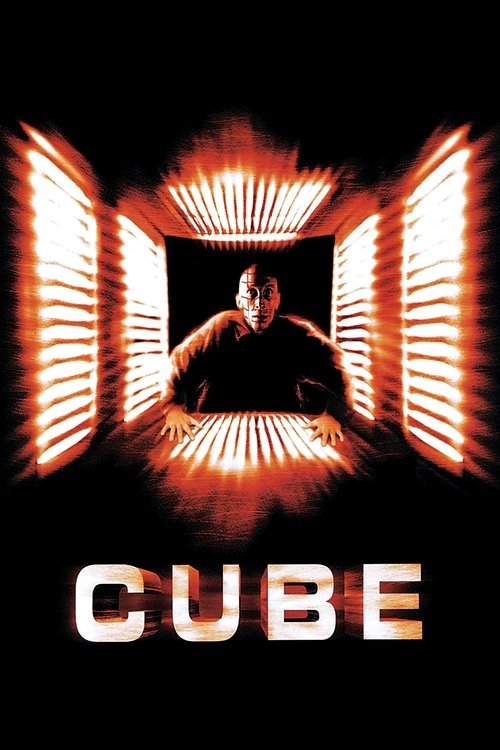
Seven people trapped in an ever-shifting maze of rooms, each one potentially lethal. A Canadian cult film that does exactly what Circle does—uses confinement to ask who we are when the social contract collapses. Genuinely smart on a micro budget.
But The dialogue can be stilted and the effects are very 90s. It's also more puzzle-box than character study, which some find cold.
Not sure tonight? Get a pick in a minute, starting from Circle
The wildcard
Something you would not have found on your own.
Threads1984
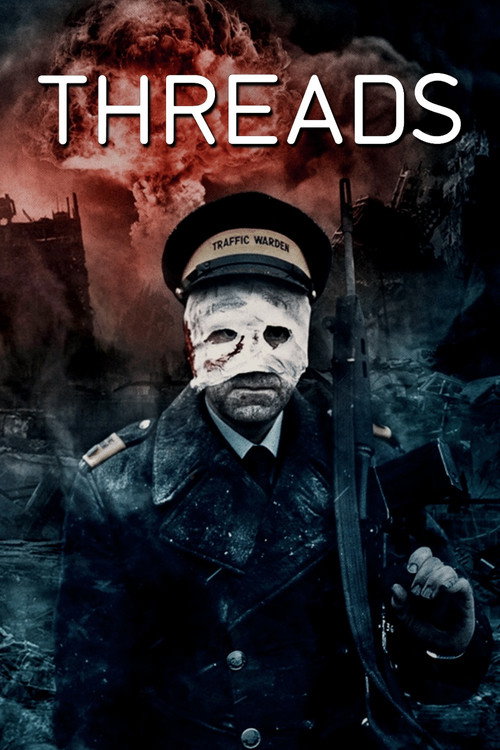
Both use confinement and constraint to force a group into moral collapse. Threads just scales it up—instead of a chamber, it's a dying city. Both ask: how do we choose when all choices end in suffering?
A nuclear war detonates over Sheffield, England. What follows is not spectacle but documentation—the slow collapse of civilization, the physicality of survival, radiation sickness, and the ordinary people who persist without meaning. A masterpiece of speculative horror that doesn't look away.
But Made in 1984 on BBC budget; the production values don't match the ambition. It's also quietly the most depressing thing ever made. You won't forget it, but you won't want to rewatch it.
More like this (8)
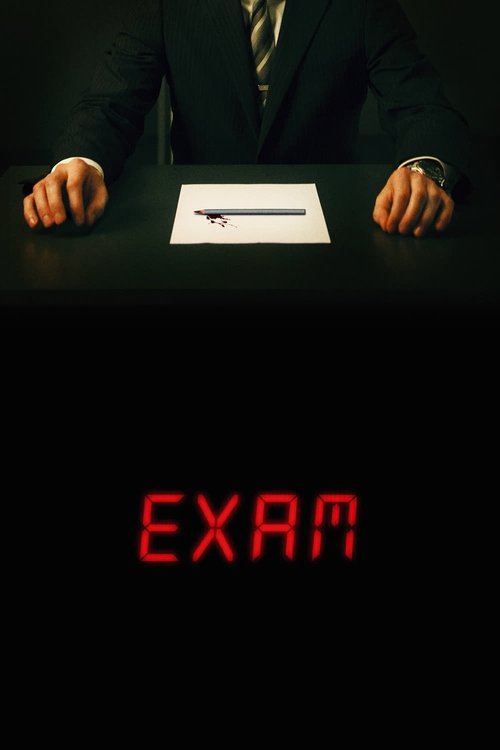
Exam2009
Eight candidates sit an interview where the exam question is blank. As paranoia spreads, they turn on each other. Tense, contained, and structurally clever—it understands that mystery and personality clash are stronger than gore.
But Low budget means the cinematography is flat. The twist is tidy in a way some find satisfying, others find glib.
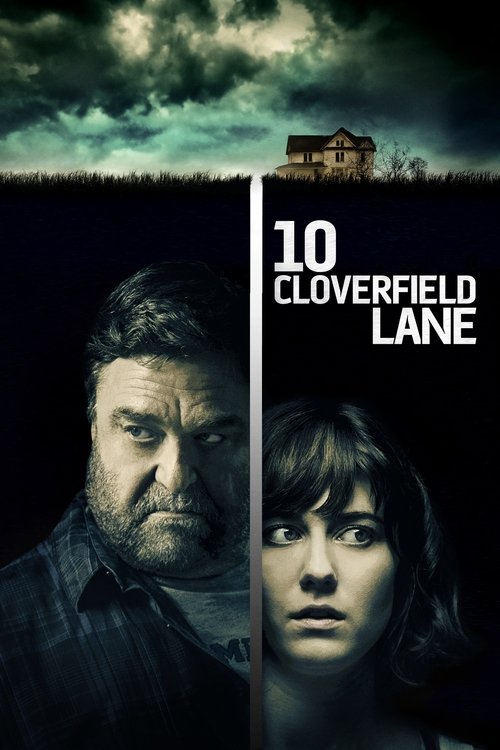
10 Cloverfield Lane2016
A woman wakes in a bunker with two men claiming the world above is uninhabitable. Paranoia and claustrophobia mount as trust erodes. Taut thriller that plays the same game Circle does—figuring out who to believe when no one can leave.
But The third act pivots genres sharply. If you want consistency of tone, it derails. Also visibly made for a lower budget than expected.
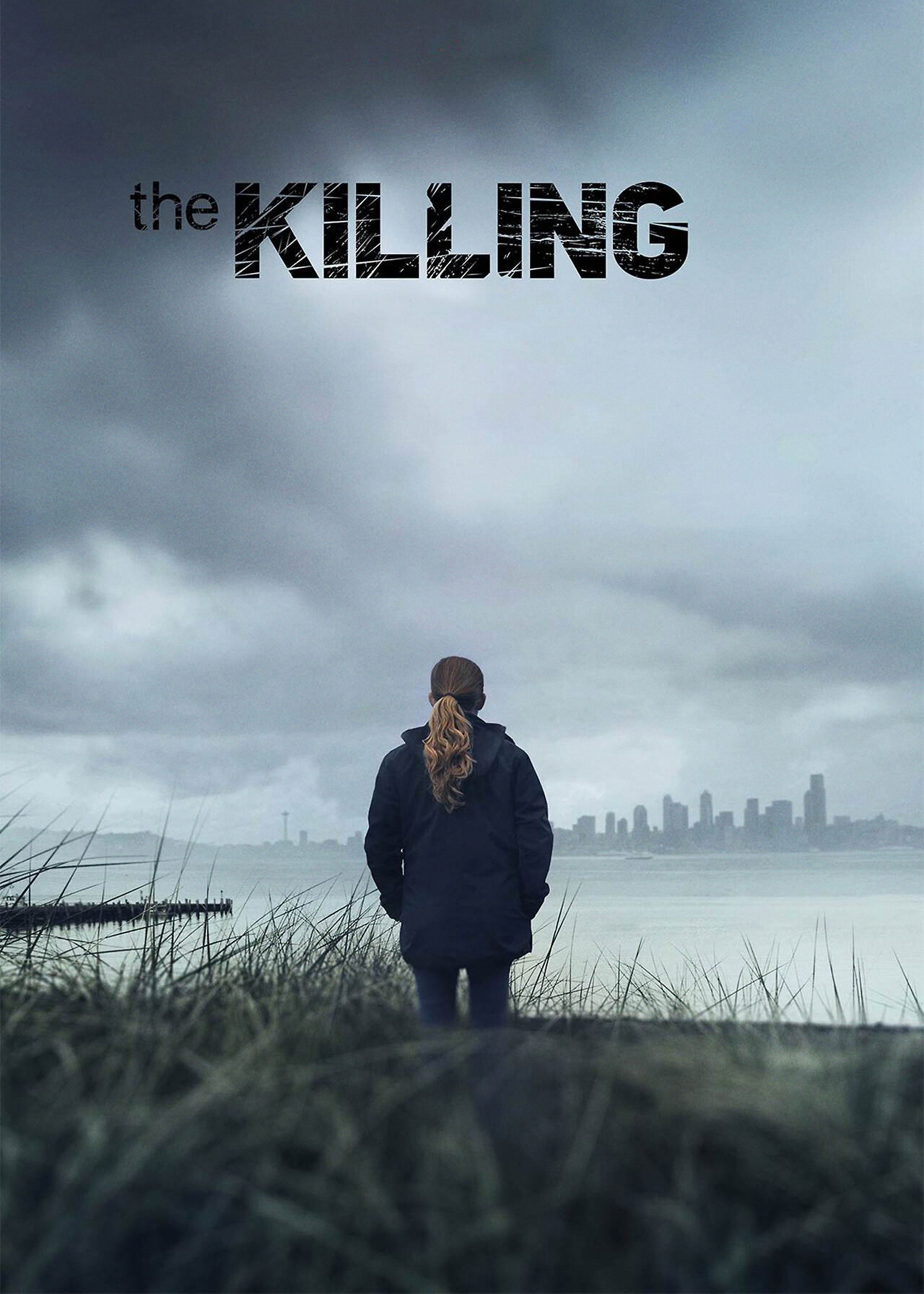
The Killing2011
A murder investigation in Copenhagen spirals across 20 episodes as each suspect, each detective, each lead reveals something darker. For Circle fans who want to sit in moral ambiguity for a season. Scandinavian noir at its finest.
But It's slow—deliberately so. The pace is a feature, not a bug, but it's not for viewers who need momentum. Subtitles required.
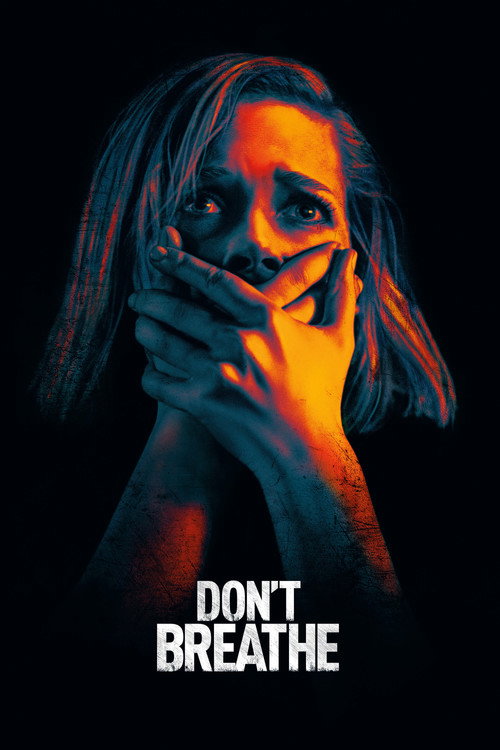
Don't Breathe2016
Three burglars trap themselves in a blind man's house. The power shifts, the moral ground liquefies, and the confined space becomes a weapon. Raw, kinetic survival horror that trusts you to root for people you shouldn't.
But Viscerally violent. The brutality is the point, but if you don't want to feel complicit in cruelty, this will push back.
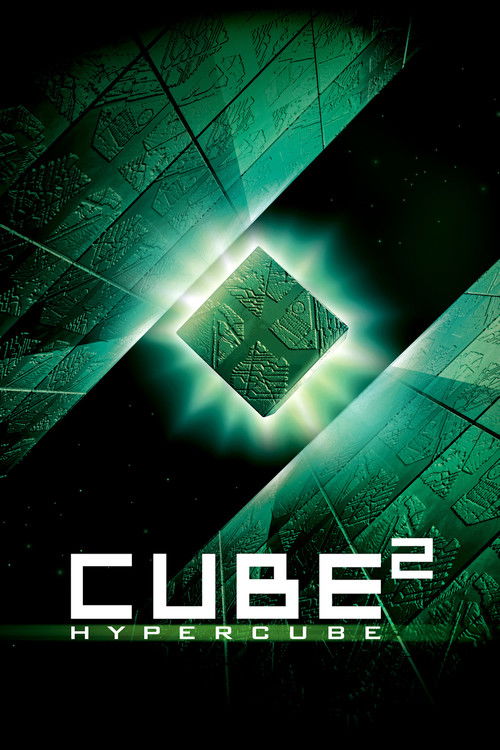
Cube 2: Hypercube2002
The sequel expands the trapped-people concept to a four-dimensional maze. Visually ambitious and more metaphysical than the first. Worth it if you loved Cube's logic-puzzle dread and want something weirder.
But The premise gets harder to follow the longer it goes. Also: the acting is noticeably worse and the VFX didn't age well.
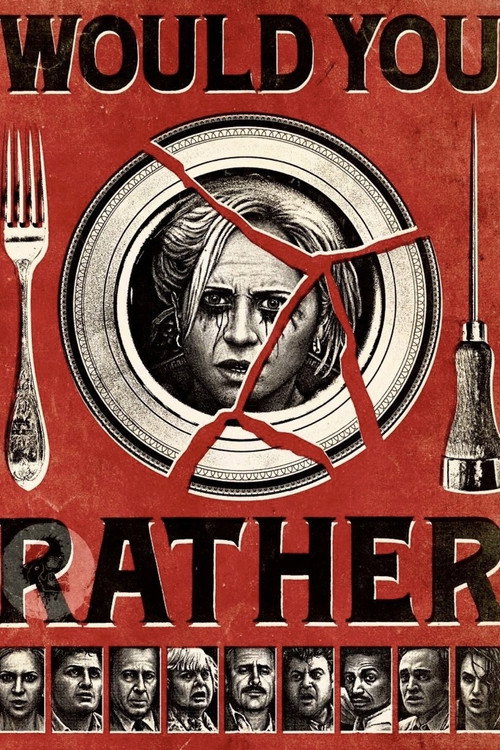
Would You Rather2013
A wealthy sadist forces desperate people into impossible moral choices—kill someone or watch a loved one suffer. Bluntly explores what Circle hints at: how little most of us would actually endure before breaking principle.
But Cheaper and meaner-spirited than Circle. The setup feels exploitative rather than philosophical, and some choices are unearned shock value.
The Seventh Seal1957
Circle is The Seventh Seal stripped of philosophy and art, made urgent and mechanical. Both force characters to confront mortality without escape. Seal asks why we go on; Circle asks who we become when we can't.
A knight plays chess with Death itself as plague sweeps a medieval landscape. Bergman's meditation on mortality, faith, and meaning is slow, symbolic, and visually ravishing. It's what Circle would be if it had a soul and three centuries of philosophy behind it.
But It's a 1957 Swedish film in black and white. If you need momentum or dialogue to tell you what to feel, this will feel impenetrable. Patience is mandatory.

Come and See1985
Circle asks: who survives when the system forces you to kill? Come and See asks: what are you after survival? Both understand that the real horror isn't the mechanism—it's what it does to conscience.
A Soviet boy joins the Red Army on the Eastern Front. Elem Klimov's film is not war cinema—it's annihilation cinema. Brutal, immersive, and genuinely the most difficult film ever made. Essential if you want to understand how humans fracture under total pressure.
But It's a Holocaust-adjacent film about a child soldier that doesn't flinch from atrocity. Not difficult in an intellectual way—difficult in a 'this is showing you evil and you cannot look away' way. Only watch if you're prepared.

People
Cast
 Julie BenzWife
 Carter JenkinsCollege Guy
 Cesar GarciaTattooed Man
 Mercy MalickLesbian
 Lisa PelikanCancer Survivor
 Molly JacksonLittle Girl
 Sara SandersonPretty Girl / Christina
 Michael NardelliEric
 Lawrence KaoAsian Kid
 Fay DeWittOld Woman
 Kurt LongDeacon
- Kevin SheridanMan #1
Directing
- Aaron HannDirector
- Mario MiscioneDirector
Writing
- Aaron HannWriter
- Mario MiscioneWriter
Production
- Autumn FedericiExecutive Producer
- Brad ReinkeExecutive Producer
- Mick PartridgeExecutive Producer
- Mike CallaghanExecutive Producer
- T.J. SakasegawaExecutive Producer
- Zoran PopovićExecutive Producer
- Brent StiefelProducer
- Justin BurschProducer
- Michael NardelliProducer
- Scott EinbinderProducer
- Tim NardelliProducer
Recommended by
Coherence, Cube, As the Gods Will, 13: Game of Death, Would You Rather, Exam, The Belko Experiment, The Divide, Truth or Consequences, Stalker, Fermat's Room, Parlour Games, The Social Experiment, The Exam, Yaarukku Theriyum