
Film
The Social Experiment
- Thriller
- AI and robot sci-fi
- Relentless
A German sci-fi thriller that traps a friend group inside an AI-controlled escape room designed to psychologically manipulate them. Shot entirely in LED studios, it's a taut, claustrophobic examination of how technology can weaponize our vulnerabilities and turn trust into a liability. Best for those who like watching people unravel under pressure.
If you liked this
Escape Room2019
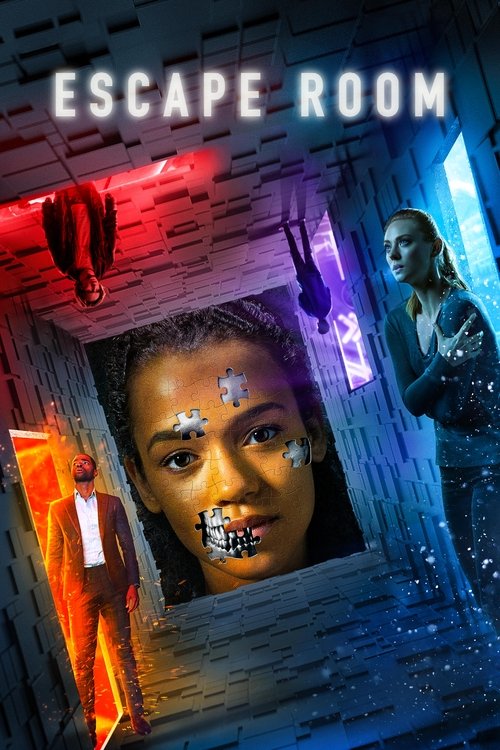
A tense puzzle-box thriller where strangers must solve deadly riddles to survive. Like The Social Experiment, it's fundamentally about what happens when humans are tested to their breaking point by an unseen architect.
But The plotting occasionally prioritizes spectacle over logic, and some character beats feel thin despite the high stakes.
Circle2015
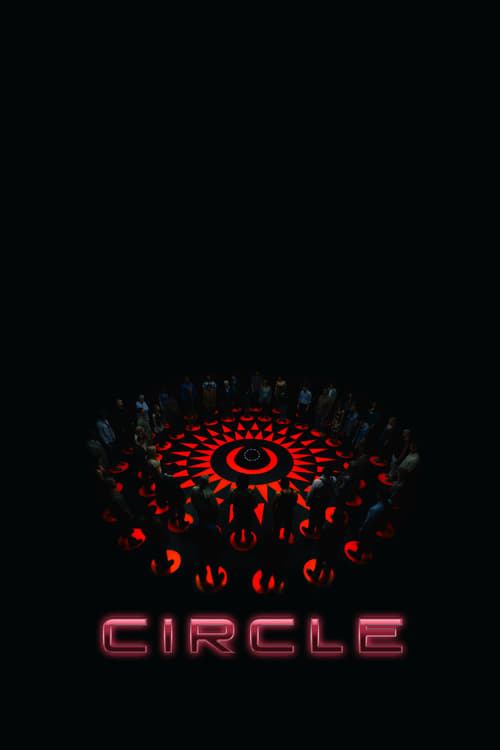
Fifty strangers wake in a locked room forced to vote on who dies next. A brutal social experiment that, like The Social Experiment, weaponizes group dynamics and exposes how quickly civilisation crumbles under pressure.
But Shot on a minimal budget with static framing that can feel visually monotonous, even as the ideas grow darker.
Oxygen2021
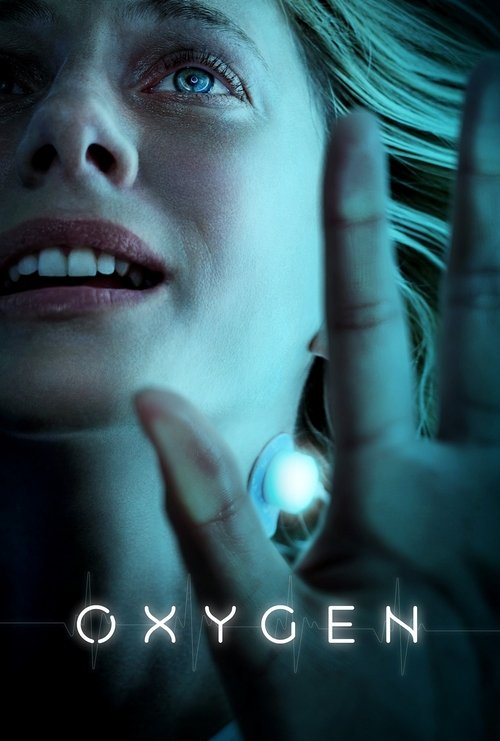
A woman wakes in a cryogenic chamber with no memory and dwindling air. It's a taut, technologically-mediated nightmare about control and manipulation that shares The Social Experiment's claustrophobic intensity and AI menace.
But Single-location thriller with one actor means it's more psychological puzzle than action, which might feel too slow or repetitive.
Not sure tonight? Get a pick in a minute, starting from The Social Experiment
The wildcard
Something you would not have found on your own.
Nerve2016
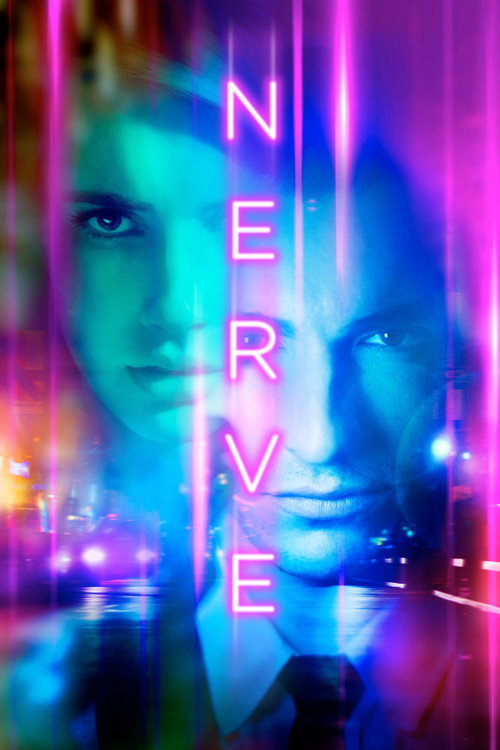
Both examine how algorithms and hidden architects can manipulate groups into self-destructive behaviour, but Nerve treats it as a thrilling game rather than a sinister experiment.
Teenagers compete in an increasingly dangerous app-based dare game livestreamed to strangers. Same thematic DNA—technology as puppet master, peer pressure as weapon, the way virality corrupts judgment—but told as a teen thriller that feels lighter in touch and more about seduction than savagery.
But Aimed at a younger audience, so the tone is more adventure-thriller than psychological horror, which might feel too glossy if you want genuine dread.
More like this (8)
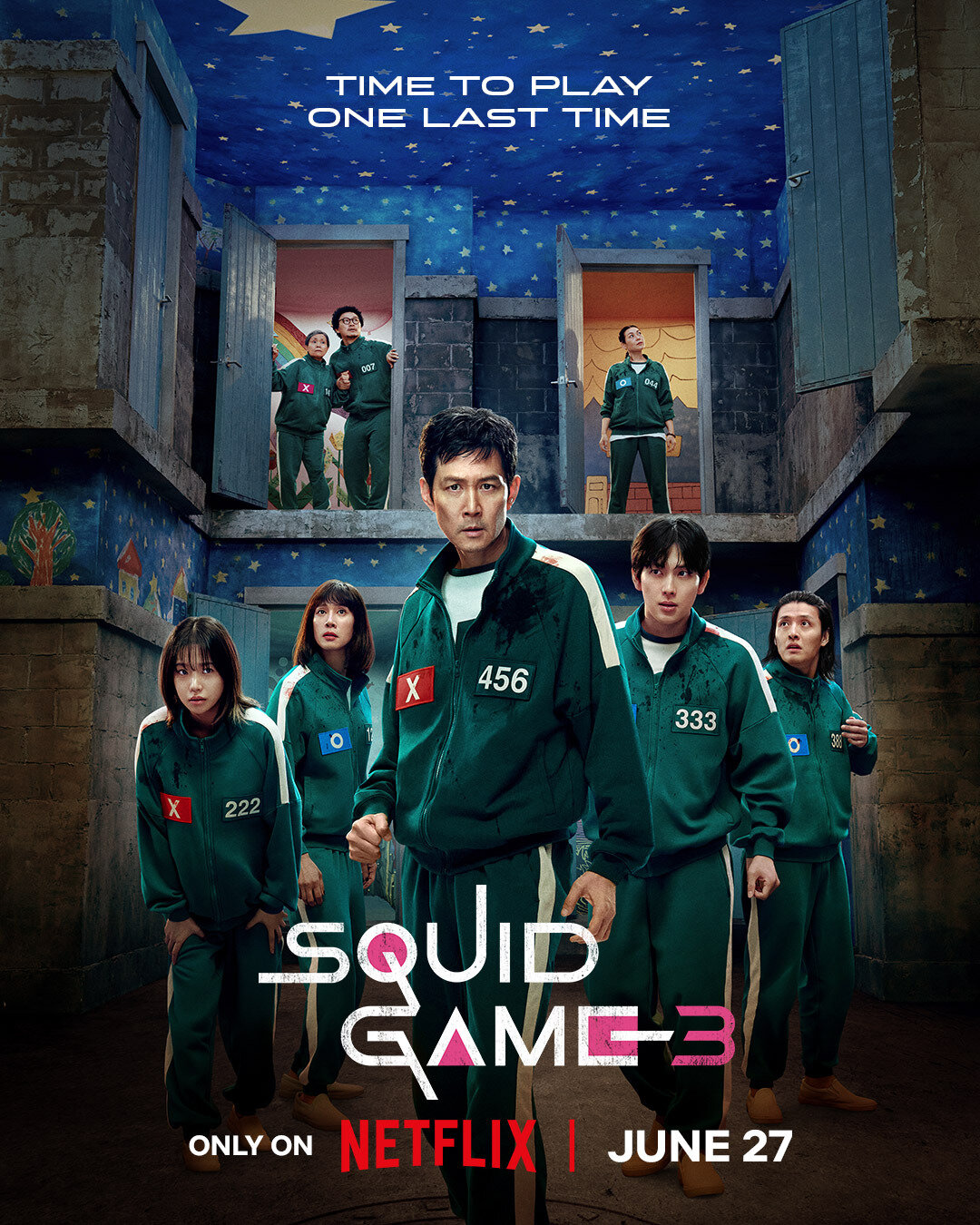
Squid Game2021
Hundreds compete in deadly children's games orchestrated by unseen powers. Like The Social Experiment, it's fundamentally about how systems are rigged to expose and exploit human nature, with friendship and loyalty weaponised against you.
But Nine hours is a serious commitment, and the back half loses some of the first's propulsive tension as it adds backstory and scope.
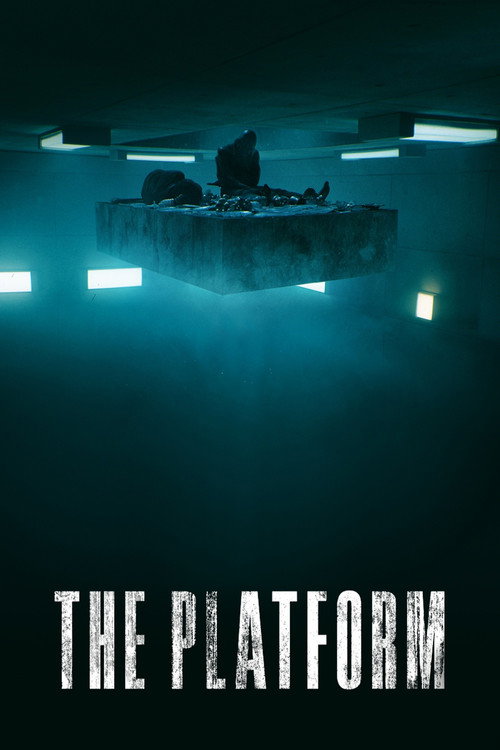
The Platform2019
Prisoners stack vertically in a dystopian structure where food scarcity forces impossible moral choices. A sci-fi allegory about systems and hierarchy that shares The Social Experiment's interest in how design shapes human behaviour.
But Deliberately preachy with its social commentary, and the ending leans into ambiguity that may feel unearned rather than thought-provoking.
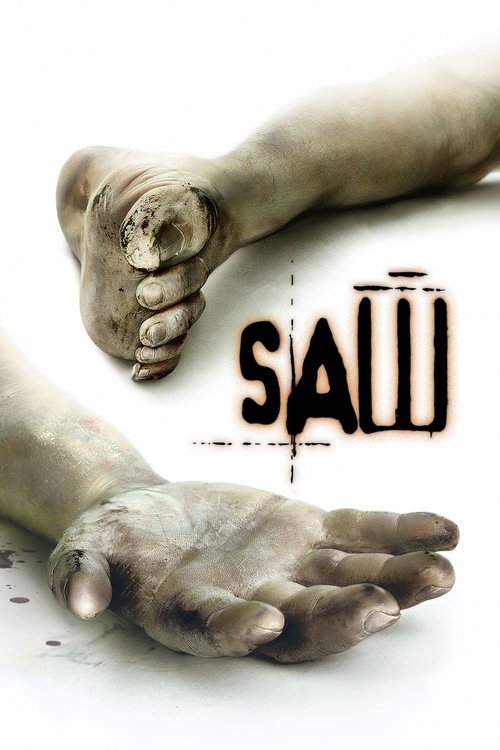
Saw2004
Two strangers trapped in a bathroom by a serial killer who forces them to solve his moral games. The template for all psychological torture-chamber cinema: inventive, genuinely tense, and fascinated by how crisis reveals character.
But The torture sequences are graphic and prolonged, and the twist ending has been imitated so often it lands less fresh than it did twenty years ago.
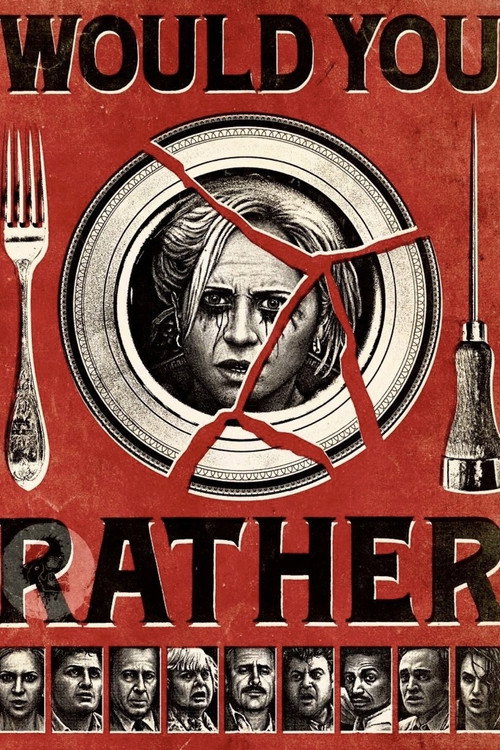
Would You Rather2013
Rich socialites are invited to play a game where each choice comes with escalating physical consequences. A nasty little thriller that, like The Social Experiment, understands that the real horror isn't the puzzle—it's watching people you trust become ruthless.
But Lower budget shows in the execution, and some of the game's rules feel arbitrary rather than cunningly designed.
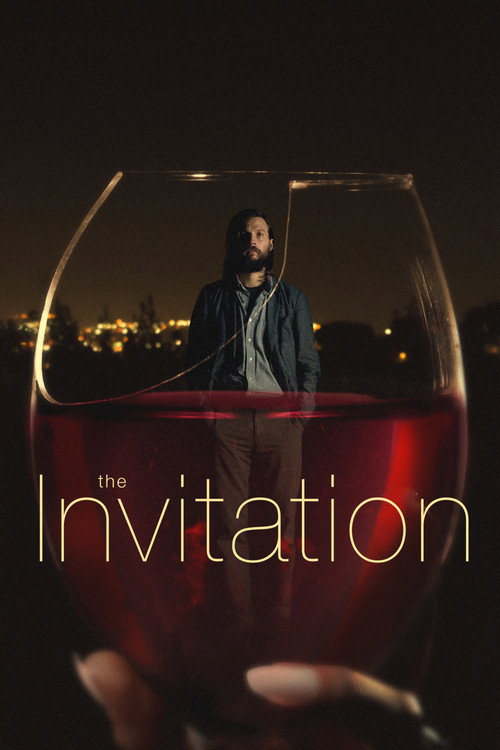
The Invitation2016
A woman attends a dinner party and gradually realises something sinister is unfolding. Masterfully paranoid, it shares The Social Experiment's interest in how social niceties mask cruelty and how groups turn on themselves.
But Slow-burn means most of the runtime is watching people talk in a house; if you need plot momentum, you'll find it agonising.
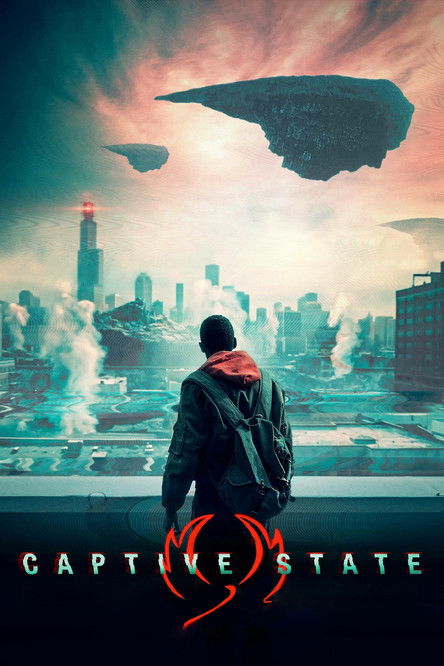
Captive State2019
Aliens occupy Earth and a resistance cell plans to strike back. A science-fiction thriller about surveillance, control and how totalitarian systems exploit human weakness for compliance and information.
But Sprawling ensemble cast means character development is thin, and the plotting can feel muddled in the second half.
Ghostland2018
Both use confinement and psychological pressure to ask whether the threats we face are external or self-inflicted—and both suggest the answer is more complicated than it seems.
A mother and daughters are attacked by masked intruders in a remote house, then haunted by recurring trauma. A French-Canadian horror film that uses genre and surrealism to explore how psychological wounds replay and reshape reality itself.
But Wilfully abstract and refuses to clarify what's real versus psychological; if you need straightforward narrative logic, it will frustrate you deeply.

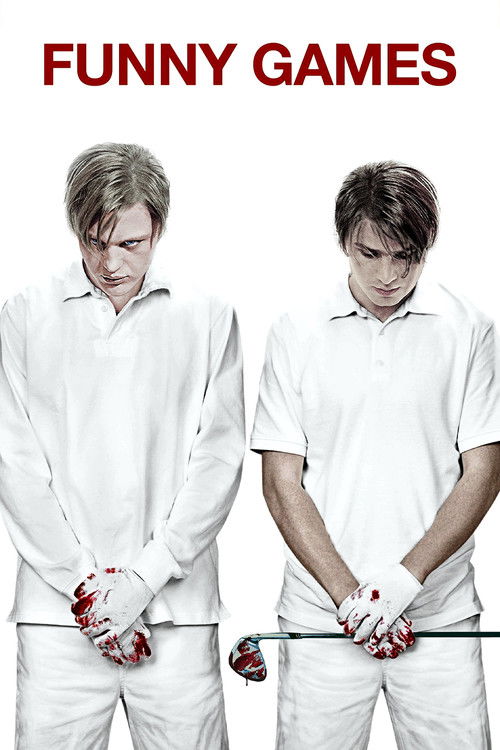
Funny Games2008
Both trap characters in systems designed by invisible architects and force them to confront how little control they actually have, but Funny Games targets the viewer as much as the characters.
Two polite young men arrive at a family's vacation home and torture them for no apparent reason. A deliberate, controlled nightmare about spectacle and complicity that examines how entertainment exploits our hunger to watch suffering.
But Deliberately bleak and austere with minimal catharsis; Haneke made it specifically to make you uncomfortable about enjoying violence in cinema.
People
Cast
- Elmo Anton StratzDustin
 Thapelo MashianeNeil
 Emilia DjaliliNancy
- Raffaela KrausIris

- Gustav StrunzLuke
- Jörn GrosseMaik
- Angelina KampLina
- Esmael AgostinhoShawn
- Ebba EkholmHelferin
Directing
- Pascal SchröderDirector
Writing
- Pascal SchröderWriter
- Raffaela KrausWriter