
Television series
3%
A dystopian thriller where the desperate poor of an overpopulated inland territory compete in a brutal elimination gauntlet for passage to a promised offshore paradise. Only 3% succeed. It's tense, inventive, and genuinely unpredictable—a show that treats its premise seriously without losing sight of human stakes. For fans of high-concept sci-fi that earns its stakes.
Should you watch it?
Watch it if you enjoy dystopian puzzles where the fun is watching a cruel, rigid system tested by ordinary people hungry to beat it.
Skip it if you want brisk, tightly wound plotting, because it builds slowly and its earnest, sometimes clunky dialogue can stretch thin across four seasons.
What it asks of you: Set aside time for a long, patient run, with episodes near 46 minutes each, and pay attention to who is loyal to whom.
Not sure? Find tonight's pick in a minute.
If you liked this
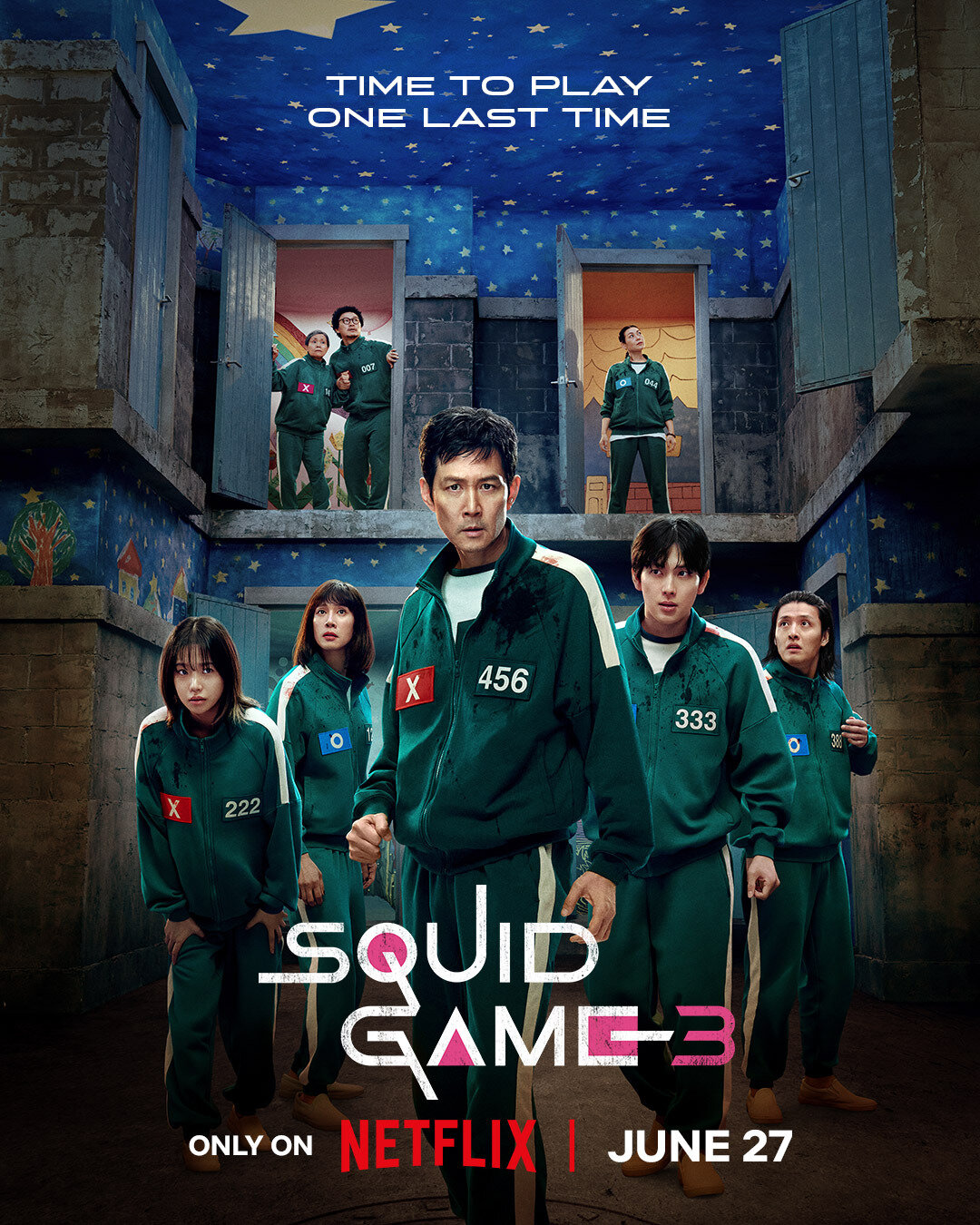
Squid Game2021
A global phenomenon about ordinary people forced into deadly competition. Like 3%, it asks what we'll do when survival depends on outthinking others. Visually stunning and morally complex.
But The violence is graphic and sustained. If you need lightness between heavy scenes, this won't give it to you.
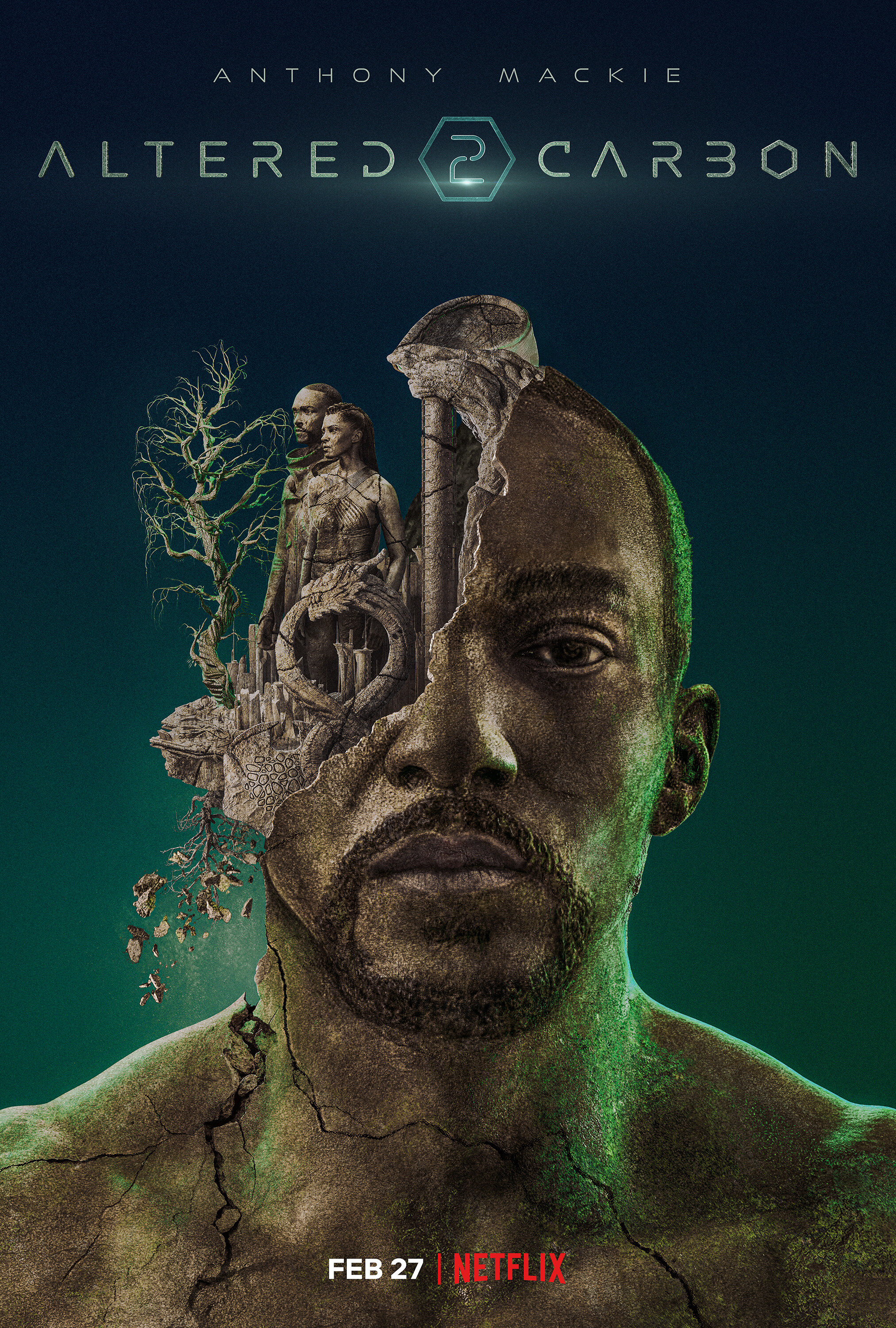
Altered Carbon2018
Cyberpunk noir where consciousness can be transferred to new bodies. It shares 3%'s obsession with the gap between haves and have-nots, and the same willingness to kill major characters without warning.
But Slower pacing than 3%, and the world-building can feel cluttered. Season two loses momentum entirely.
The Hunger Games2012
Teenagers forced into televised elimination by a system designed to oppress. The same engine as 3%: desperation meets spectacle, and the real game is reading your opponents.
But Aimed at a younger audience. If you wanted 3%'s moral ambiguity and grittiness, this is more conventional.

Not sure tonight? Get a pick in a minute, starting from 3%
The wildcard
Something you would not have found on your own.
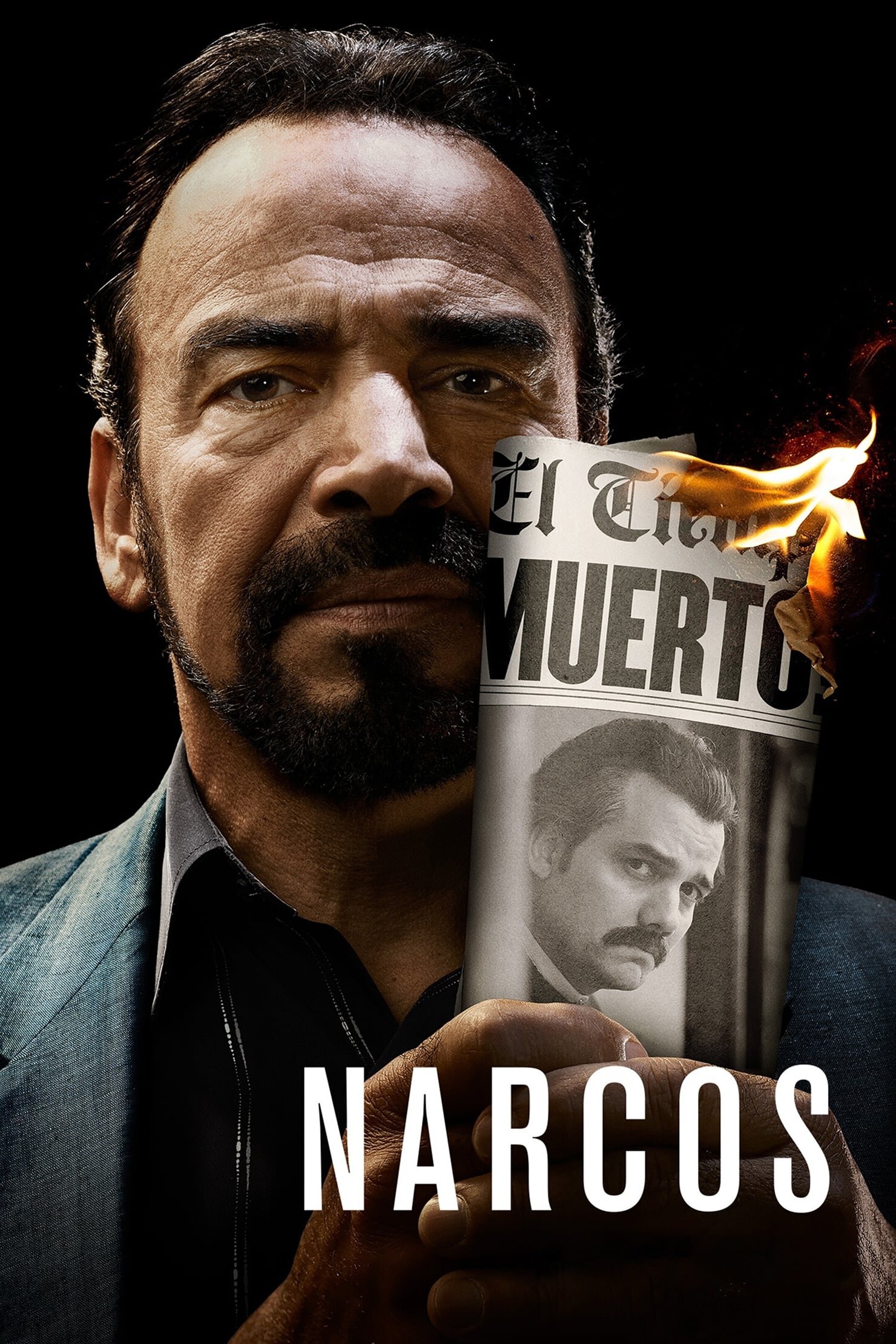
Narcos2015
Both treat large systems as characters. Individual ambition is real, but the architecture is what matters. Both are about climbing inside a cage because it's the only structure available.
Not a drug cartel show—a show about institutions, power, and the men who service them. Like 3%, it's interested in systems and how people navigate or resist them. The documentary narration gives it an inevitability 3% also captures.
But Grounded in real history, so the outcome is fixed. Some find the moral clarity less interesting than ambiguity. Also much longer commitment.
More like this (8)
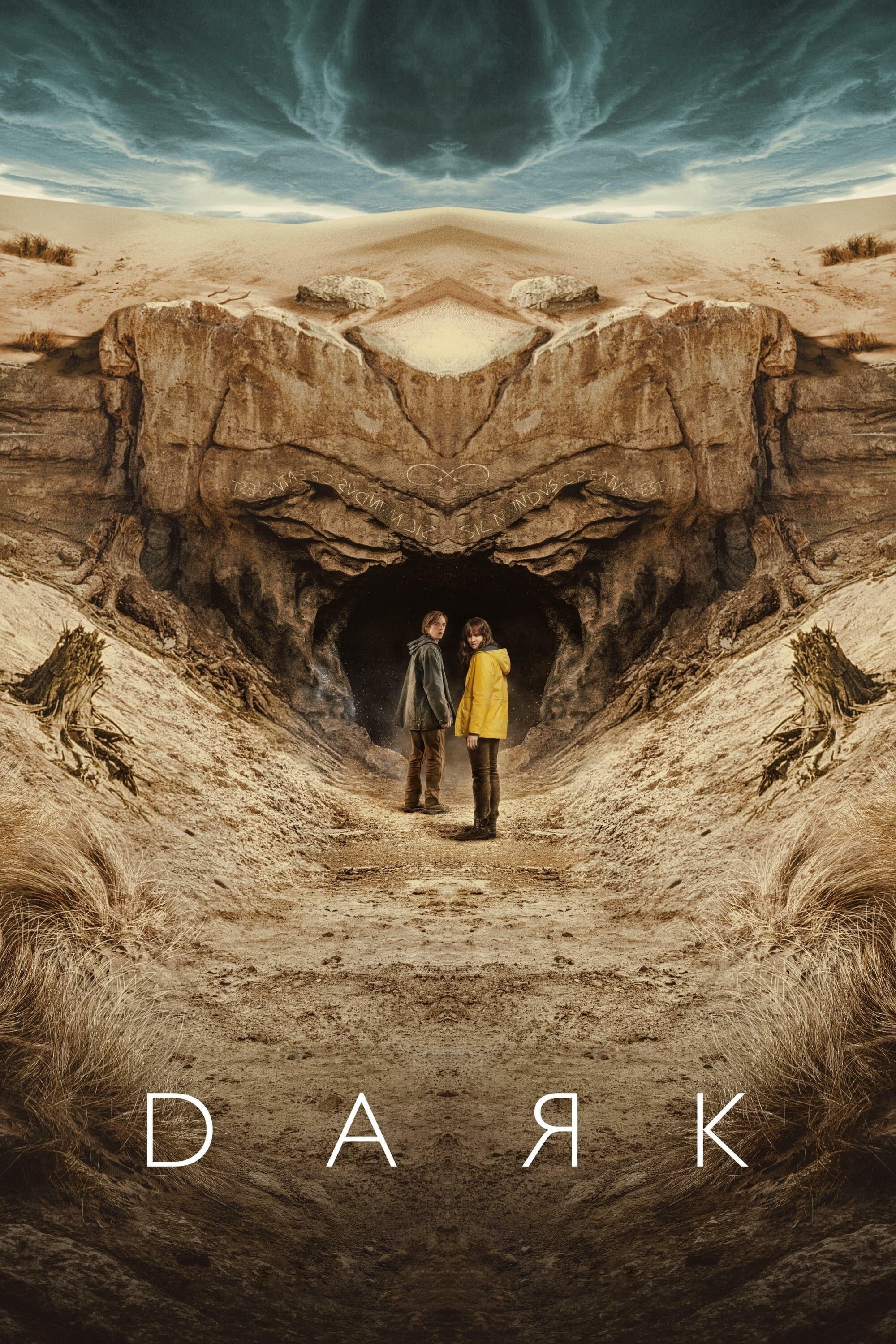
Dark2017
A labyrinthine German sci-fi mystery where nothing is coincidence and every character serves a larger design. If you loved 3%'s refusal to hold your hand, this goes further.
But Genuinely difficult to follow. You'll need to pay attention and possibly rewatch episodes. Not a casual watch.
Elysium2013
Matt Damon in a future where the wealthy live in a space station while Earth rots below. The same rage at systemic inequality that drives 3%, compressed into two hours.
But Action-heavy sci-fi that doesn't trust its premise. The politics feel grafted onto a conventional thriller.

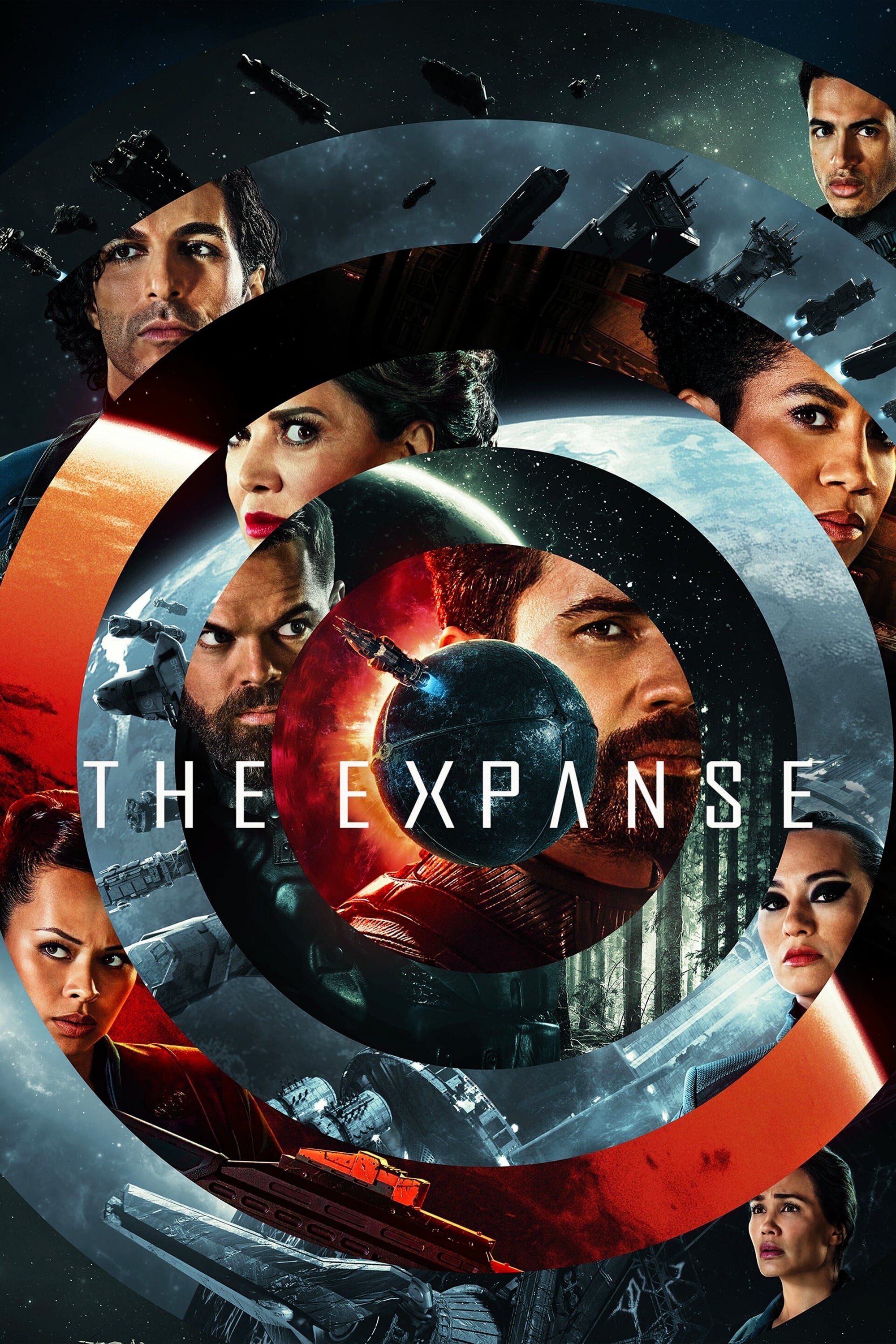
The Expanse2015
Space opera about class warfare between Earth, Mars, and the asteroid belt. Intricate plotting, genuine surprises, and the conviction that ideology matters as much as firepower.
But Slow burn first season. The show takes three episodes to hook you, and the space politics won't appeal if you want character drama first.
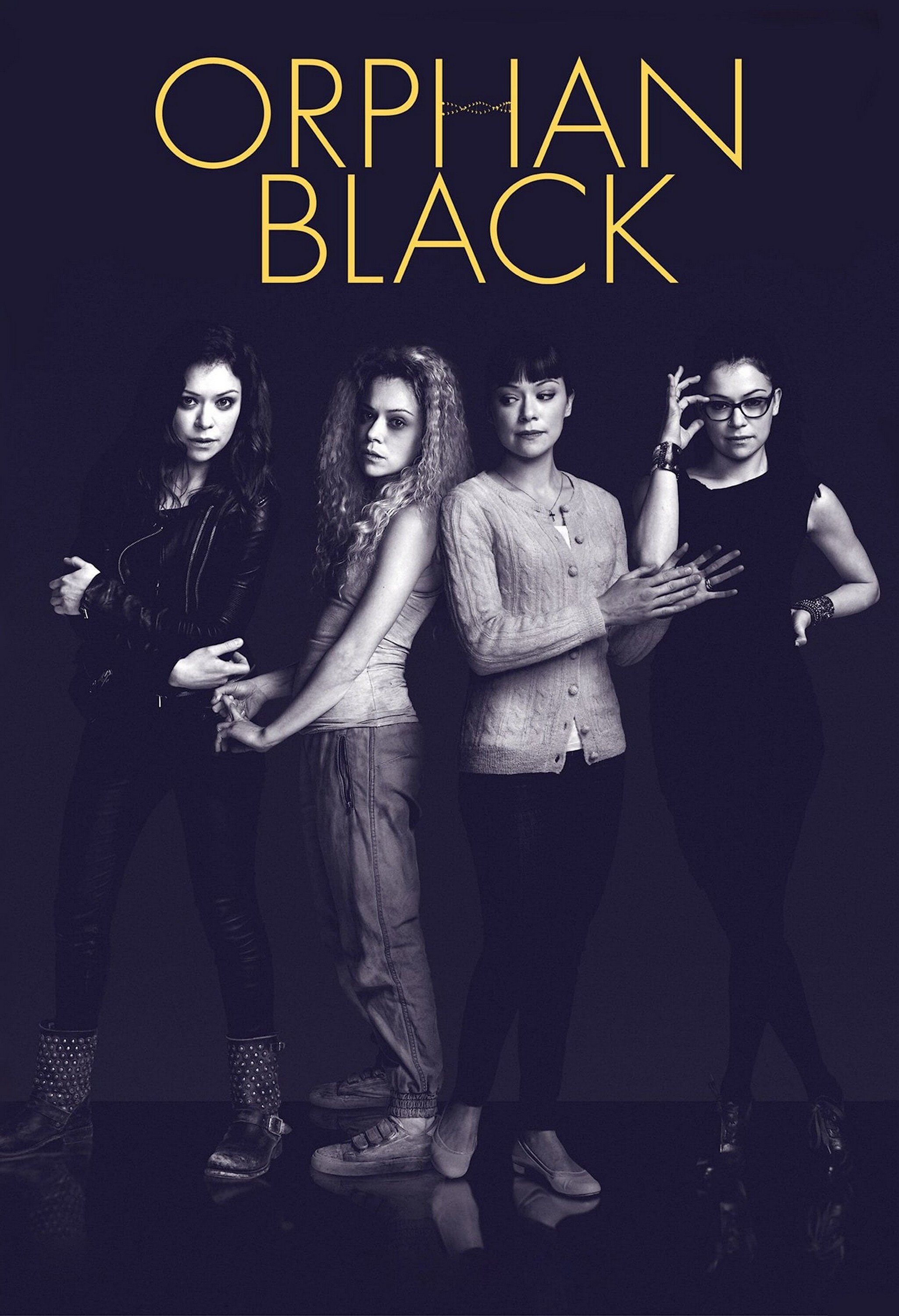
Orphan Black2013
A woman discovers she's one of dozens of clones in a biotech conspiracy. High-wire tension, unexpected twists every episode, and performances that justify the premise.
But Relies on a single extraordinary performance. If that actress doesn't work for you, the whole structure collapses.
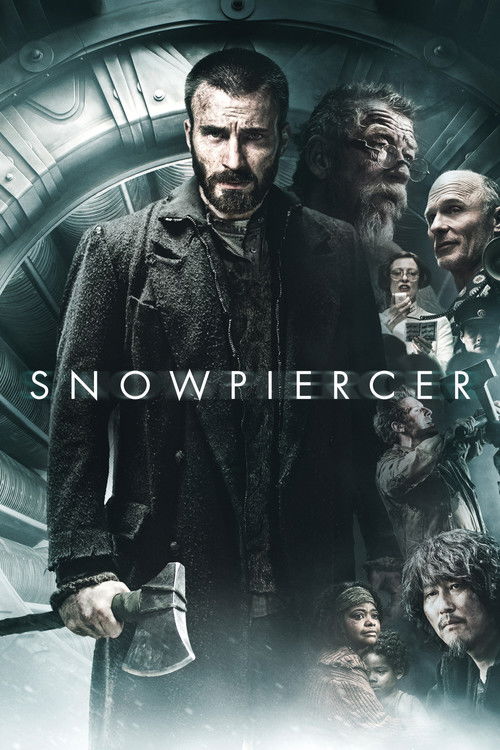
Snowpiercer2013
A class-warfare thriller set on a train where the rich live in luxury cars while the poor freeze in the back. 3%'s same question: when the system is total, how do you survive without becoming it?
But Uneven tone—it wants to be both fun and grave. The back half loses control of its own metaphor.
The Handmaid's Tale2017
A totalitarian system turned on women. Oppression as ritual, escape as agony. If you respected how 3% treats its world as real and unforgiving, this is that raised to tragedy.
But Relentlessly bleak, and the more seasons continue the more the plot stalls. Endurance required.

Come and See1985
3% uses competition as metaphor for systemic cruelty. Come and See uses war—a system that consumes the young and offers no escape. Both ask: what does a person become when the machine uses them?
A Soviet film about a boy conscripted into the Red Army during WWII. Brutal, hallucinatory, and genuinely one of cinema's masterpieces. If you want to understand what desperation and powerlessness actually look like, this is it.
But Extremely graphic violence. Not thriller violence—atrocity violence. It's exhausting and meant to be. Not entertainment in any conventional sense.

Memories of Murder2003
3% and Memories of Murder both treat systems and procedure as the real enemy. The individual matches don't matter—what matters is who designed the game and why.
Bong Joon-ho's masterpiece about two detectives chasing a serial killer in 1980s South Korea. Methodical, clever, and genuinely frightening—but the real story is about institutions failing, and powerful men protecting themselves.
But Not a conventional thriller. Slow, digressive, and the ending won't satisfy if you want closure. It's interested in questions, not answers.

People
Cast











Writing
- Pedro AguileraCreator
Production
- Lô PolitiAssociate Producer
- Robério BragaAssociate Producer
- Diego AvalosExecutive Producer
- Eduardo PiaggeExecutive Producer
- Erik BarmackExecutive Producer
- Kelly LuegenbiehlExecutive Producer
- Tiago MelloExecutive Producer