
Film
ivans xtc.
A 94-minute descent into the glittering corruption of late-90s Hollywood through the eyes of a top talent agent whose final days spiral from professional triumph into chemical and moral breakdown. It's a caustic, unflinching look at ambition, addiction, and the hollow machinery of fame—less concerned with plot than with mood and the texture of decay. For anyone interested in how systems eat their brightest people.
If you liked this
Requiem for a Dream2000
Darren Aronofsky's masterpiece about addiction across four lives, shot with the same visual intensity and formal precision. Explores how desire corrodes everyone equally, regardless of circumstance or success.
But Relentlessly bleak and formally punishing—long sequences designed to disorient and distress you. Not remotely comforting.

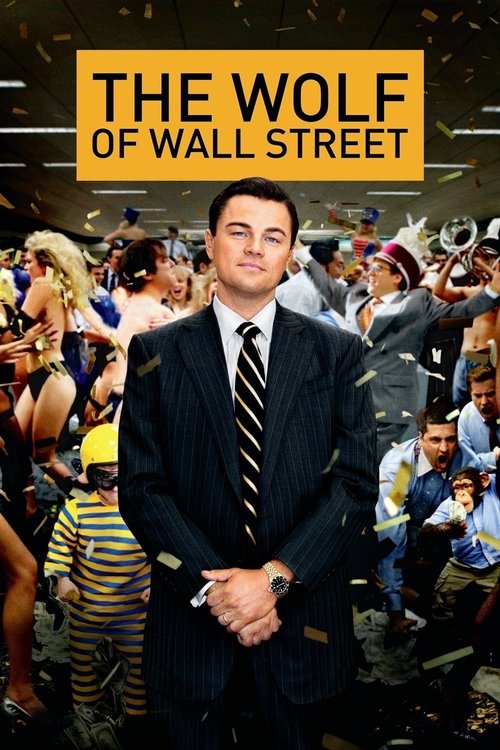
The Wolf of Wall Street2013
Scorsese's three-hour revel in the seductive amorality of wealth and excess. Same DNA: a charismatic protagonist at the center of a system that rewards depravity, shot with visual flair and dark comedy.
But The energy and style can read as endorsement rather than critique. Some find it celebrates exactly what it claims to skewer.
Mulholland Drive2001
Lynch's haunted vision of Hollywood as a dream machine that manufactures and destroys desire. Both films use the industry as a lens on human hunger and the cost of getting what you think you want.
But Deliberately oblique and dreamlike. If you want clarity about plot, you will not get it, and you may resent that.

Not sure tonight? Get a pick in a minute, starting from ivans xtc.
The wildcard
Something you would not have found on your own.
In a Lonely Place1950
Both films use Hollywood itself as a character—not as setting, but as a system that selects for men who are already damaged and then validates their damage.
Ray's film about a Hollywood screenwriter spiraling into rage and paranoia, shot in luminous black-and-white. It invented the template for showing how the industry corrupts its own—and how charisma becomes camouflage.
But The pacing is deliberate and the emotional register is mournful rather than sensational. A slow burn, not a rush.

More like this (6)
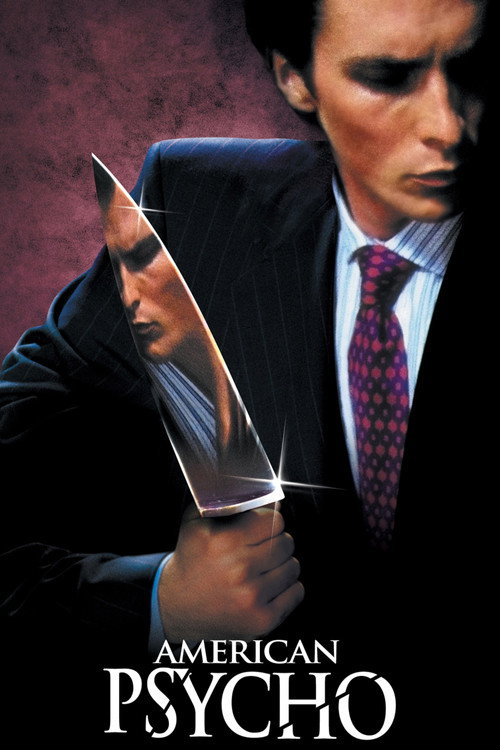
American Psycho2000
Savage satire of status-obsessed male power, shot in the same year as Ivan's XTC and with similar gallows humor about the emptiness at the core of success. Both documents of a specific corrupted milieu.
But The violence and misogyny are the point, not the problem—but that doesn't make watching it comfortable.
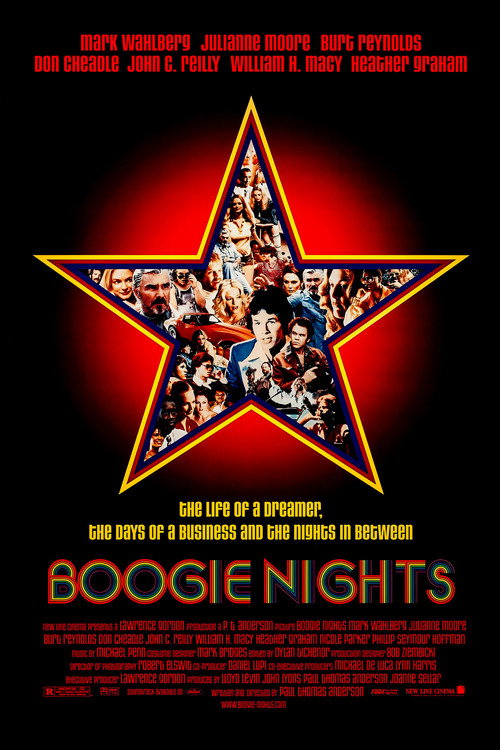
Boogie Nights1997
Paul Thomas Anderson's ensemble piece about industry decay and the wreckage left behind by systems that commodify people. Lush, tragic, and deeply empathetic to its flawed characters.
But Three-and-a-half hours of slow-building catastrophe. Not a plot you can breeze through.
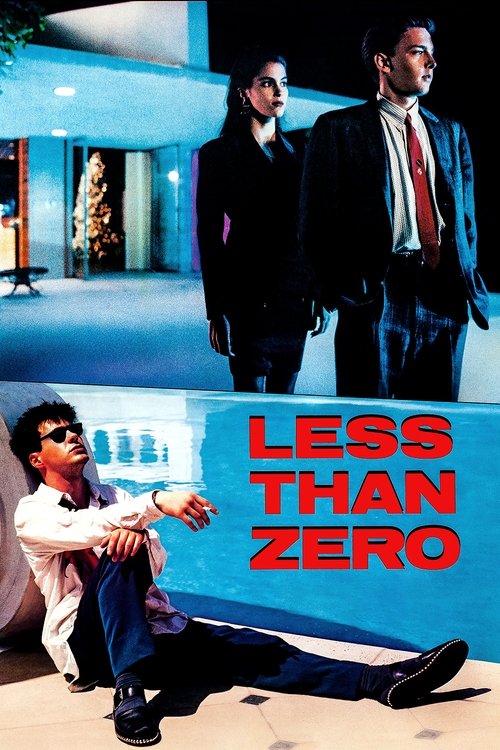
Less Than Zero1987
An earlier, also-imperfect film about wealthy Los Angeles youth spiraling into addiction and moral emptiness. Similar mood of predatory glamour and the ease with which status offers cover for destruction.
But Dated in its visual language and sometimes clumsy in its moralizing. Feels of-its-moment in ways that date it.
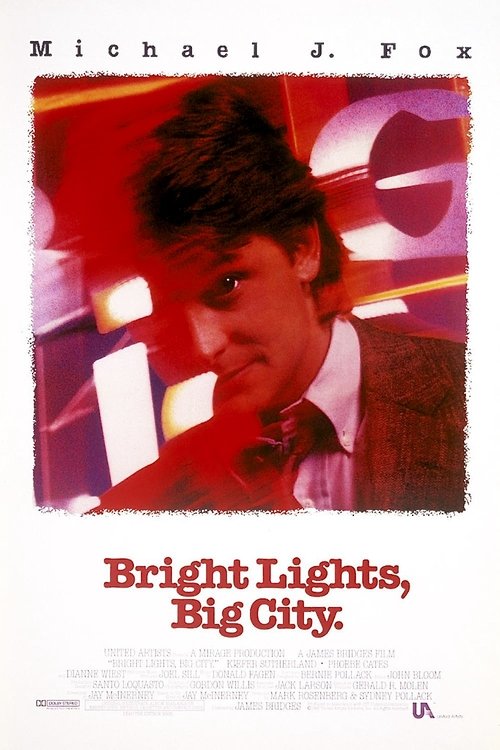
Bright Lights, Big City1988
Another descent into cocaine-fueled Manhattan ego via a second-person narrative. Explores the seduction of a life built on stimulation and self-deception, with genuine tenderness underneath.
But Somewhat softened by a redemptive arc. If you want bleaker, unforgiving morality, look elsewhere.
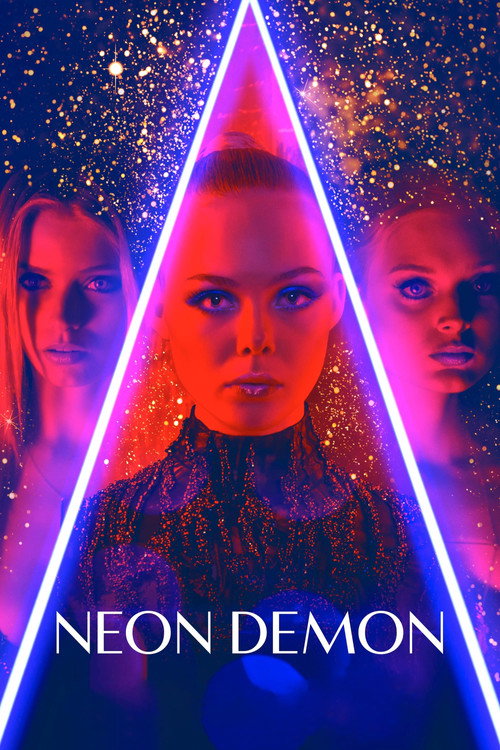
The Neon Demon2016
Nicolas Winding Refn's fever dream about modeling industry predation—visual, seductive, and deeply corrupt. Another film that aestheticizes the machinery of human consumption.
But Aggressively stylized to the point of abstraction. If you need narrative coherence or character depth, this will frustrate you.
Come and See1985
Both films refuse to separate style from content—the way they are made IS what they're about. Decay, corruption, and the dissolution of the self as visible form.
Elem Klimov's Soviet war film about a boy's descent into moral and physical horror. Like Ivan's XTC, a portrait of a single consciousness broken across a contained duration, using formal innovation to bypass explanation and go straight to sensation.
But Genuinely traumatic. It's not entertainment. Even among serious cinema, it holds a reputation for being difficult to survive.

People
Cast
 Danny HustonIvan Beckman
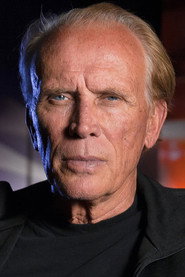 Peter WellerDon West
 Lisa EnosCharlotte White
- Joanne DuckmanMarcia Beckman
 Angela FeatherstoneAmanda Hill
 Caroleen FeeneyRosemary Kramer
 Valeria GolinoConstanza Vero
- Adam KrentzmanBarry Oaks
- Heidi Jo MarkelFrancesca Knight
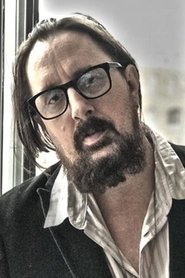 James MerendinoDanny McTeague
 Tiffani ThiessenMarie Stein
 Morgan WalshLucy Lawrence
Directing
- Bernard RoseDirector
Writing
- Leo TolstoyNovel
- Bernard RoseScreenplay
- Lisa EnosScreenplay
Production
- Mark HarrisAssociate Producer
- Torsten LeschlyAssociate Producer
- Galina TuchinskyCo-Producer
- Heidi Jo MarkelCo-Producer
- Cat VilliersExecutive Producer
- Kenneth EnosExecutive Producer
- Lisa HensonExecutive Producer
- Stephen NemethExecutive Producer
- Lisa EnosProducer
- Mickey CottrellPublicist