
Film
Bright Lights, Big City
Michael J. Fox plays a Manhattan cokehead in freefall after his mother dies and his marriage crumbles. Jay McInerney's novel becomes a film about watching someone you recognise in yourself spiral through nightclubs and moral compromise. It's visceral, uncomfortable, and refuses easy redemption. For anyone who's felt the pull of self-destruction or wondered how smart people end up in stupid places.
Should you watch it?
Watch it if you're drawn to voice-driven character studies where wit and self-loathing share the same breath, and you don't mind a protagonist who makes the wrong call repeatedly.
Skip it if you need plot momentum, because the film drifts through nightclubs and hangovers in a hazy, repetitive loop that can feel more like mood than story.
What it asks of you: Under two hours, it stays in a jittery, sleepless register throughout, asking you to sit with a deliberately uncomfortable mood rather than wait for payoffs.
Not sure? Find tonight's pick in a minute.
If you liked this
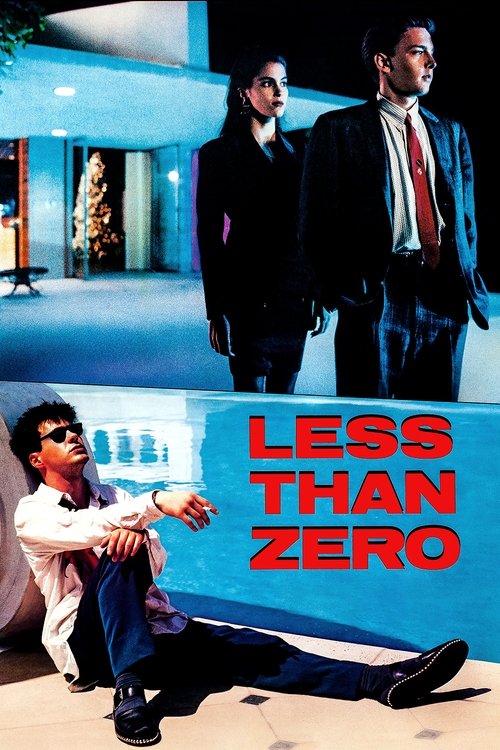
Less Than Zero1987
Andrew McCarthy's addict in Los Angeles, same era, same descent through wealth and entitlement. It's bleaker than Bright Lights and doesn't flinch from the cost of addiction, making it the natural companion piece.
But The 1980s excess feels more dated here, and the emotional core is thinner. Some scenes prioritise style over substance.
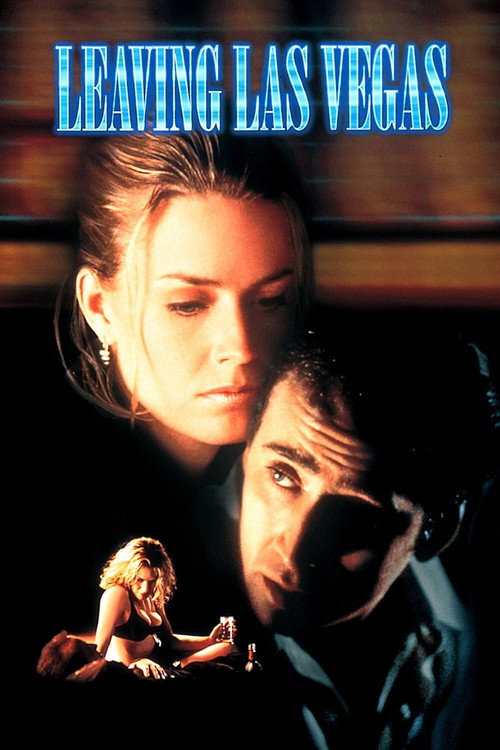
Leaving Las Vegas1995
Nicolas Cage as a fired screenwriter drinking himself to death in Vegas. It's the logical endpoint of where Jamie is headed—unflinching, devastating, and Nicolas Cage has never been better.
But It's miserable without reprieve. There are no wins, no moral arcs, just slow erasure. Genuinely depressing.
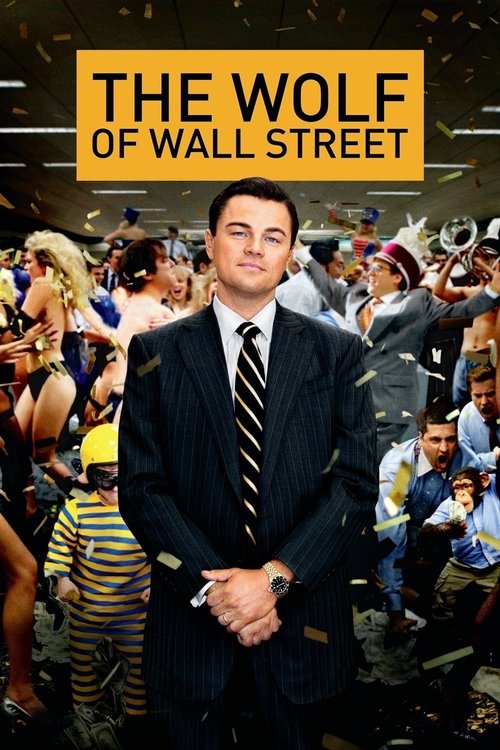
The Wolf of Wall Street2013
DiCaprio's cocaine-fuelled Manhattan excess in the 1980s. Same city, same era, same rush and recklessness, but with Scorsese's baroque energy and a protagonist too charming to fully condemn.
But It's three hours and revels in the very excess it's critiquing. Some find that contradiction impossible to forgive.
Not sure tonight? Get a pick in a minute, starting from Bright Lights, Big City
The wildcard
Something you would not have found on your own.
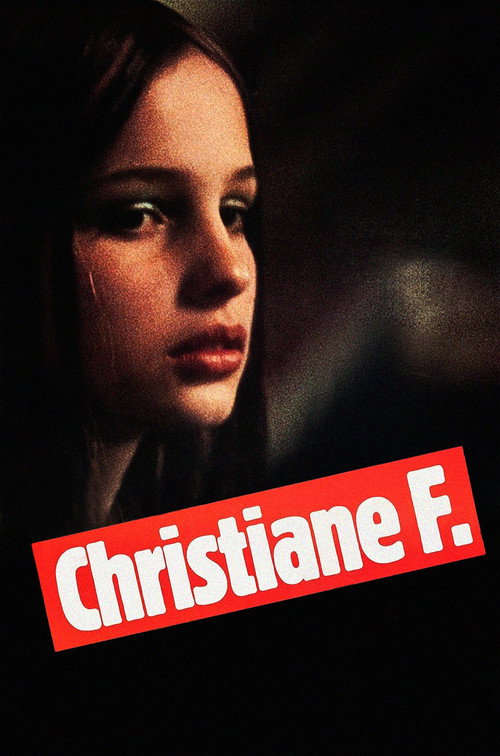
Christiane F.1981
Both use narrative to demonstrate the precise mechanics of how addiction happens—not as moral failing but as a series of small, rational choices that compound into entrapment.
A 14-year-old Berlin girl's descent into heroin addiction told with documentary precision. It's the same chemical inevitability as Bright Lights but younger, colder, and made in Germany by Uli Edel with a clinical eye that strips away romance. Shatteringly real.
But It's harrowing and features minors in genuinely difficult situations. The unflinching depiction of child addiction is not for everyone and feels ethically complicated.
More like this (5)
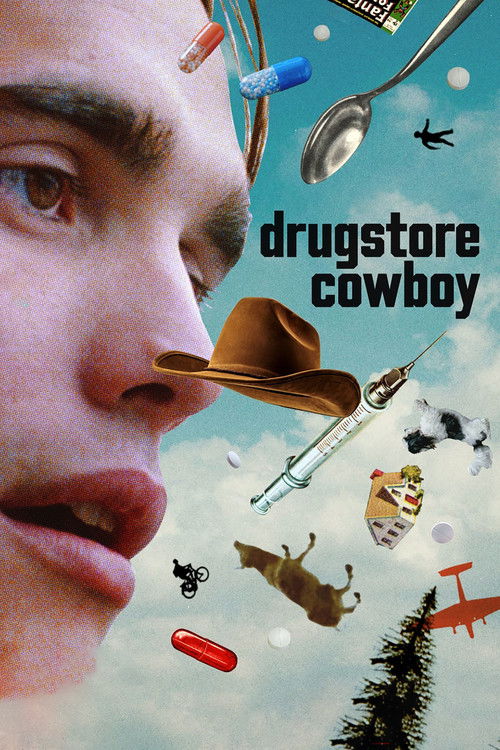
Drugstore Cowboy1989
Gus Van Sant's understated portrait of small-time junkies stealing pharmaceuticals. It has Bright Lights' refusal to sentimentalise addiction, but with a quieter, more haunted register.
But It moves slowly and deliberately. If you want narrative momentum or catharsis, you won't find it here.
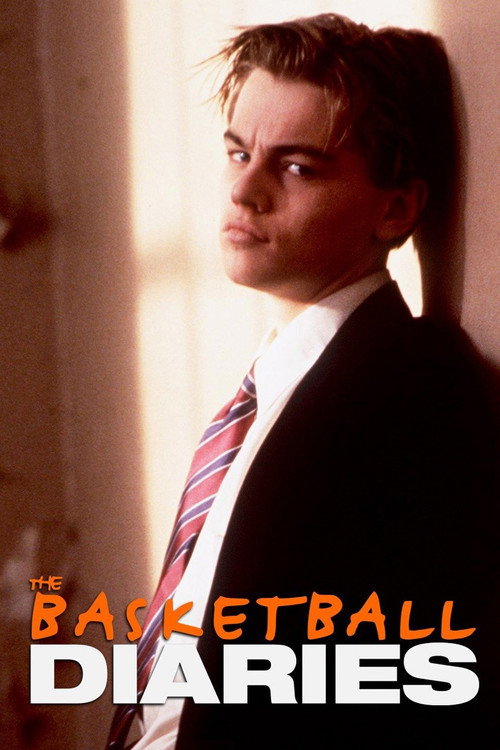
The Basketball Diaries1995
Leonardo DiCaprio as a teenage heroin addict in 1970s New York. It has the same chaotic NYC night-life energy and the same unflinching look at how addiction erases who you were.
But It's sensationalist and sometimes veers into exploitation. The skating between authentic and gratuitous can be queasy.
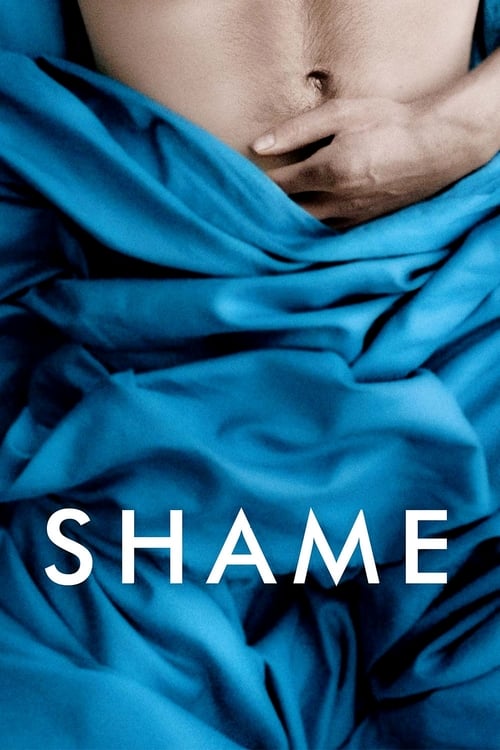
Shame2011
Michael Fassbender trapped in a compulsive loop of sex addiction in Manhattan. McQueen's formal precision and the cold elegance of the filmmaking make it a meditation on appetite and isolation that won't leave you alone.
But It's glacial and repetitive by design, with no character to root for. Some find it remote.
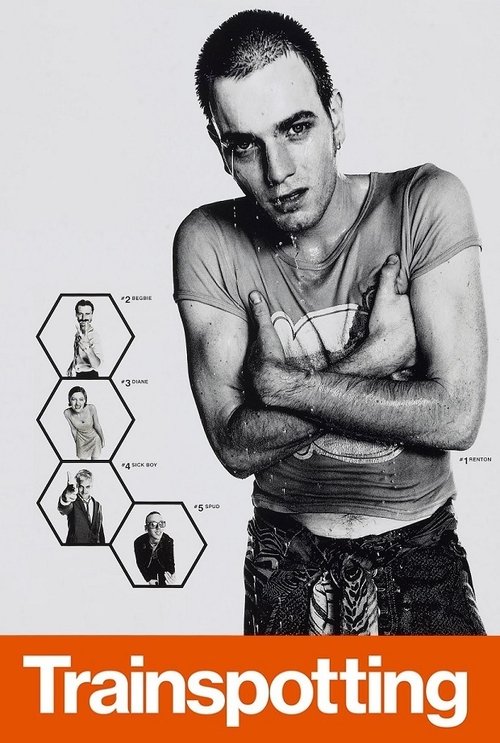
Trainspotting1996
Both films refuse to separate the addict from the addiction—the experience of using is rendered as vividly as the consequences, making the viewer complicit in the seduction rather than safely positioned as judge.
Danny Boyle's Edinburgh heroin underground told in frantic, hallucinatory energy with style that borders on euphoria. It's addiction as sensory experience, London accents and punk fury where Bright Lights is cocaine whispers and Manhattan gloss.
But It's visually overwhelming and deliberately grotesque. The formal experimentation works for some viewers as genius and for others as hollow MTV aesthetics.
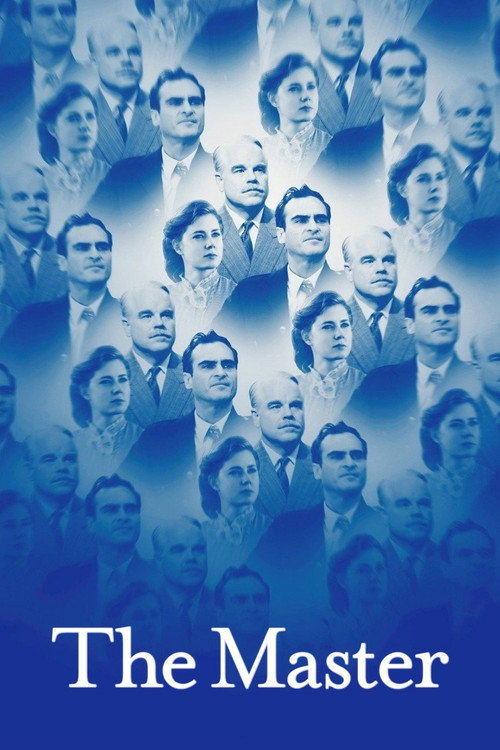
The Master2012
Like Bright Lights, it uses visual intoxication—the film itself becomes disorienting, unmoored—to render internal chaos. The camera work and editing mirror a fractured consciousness without voiceover or explanation.
Paul Thomas Anderson's three-hour study of a charismatic drunk naval officer and the cult-like philosopher he meets. It's about dependency and devotion, how we attach ourselves to things that destroy us, shot in 65mm with the gravity of classical drama.
But It's abstract and deliberately oblique. There's no plot in the traditional sense and it doesn't explain itself. Many viewers find it impenetrable or pretentious.
People
Cast
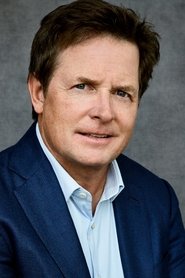 Michael J. FoxJamie
 Phoebe CatesAmanda
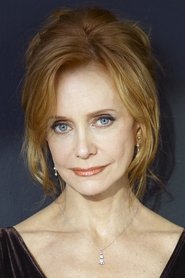 Swoosie KurtzMegan
 Frances SternhagenClara
 Tracy PollanVicky
 John HousemanMr. Vogel
 Charlie SchlatterMichael
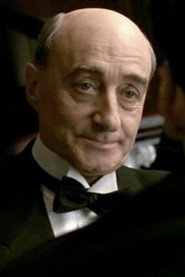 David WarrilowRittenhouse
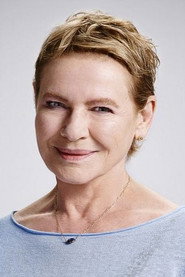 Dianne WiestMother
 Alec MapaYasu Wade
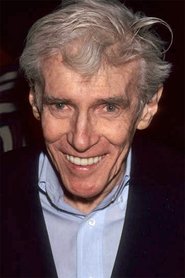 William HickeyFerret Man
Directing
- James BridgesDirector
Writing
- Jay McInerneyNovel
- Jay McInerneyScreenplay
Production
- Michael BadaluccoAssistant Production Manager
- Ted KurdylaAssistant Production Manager
- Jack LarsonAssociate Producer
- Mary ColquhounCasting
- Gerald R. MolenExecutive Producer
- Mark RosenbergProducer
- Sydney PollackProducer
- Gerald R. MolenUnit Production Manager