
Film
Storytelling
Todd Solondz's deliberately fractious two-part film uses comedy as a blunt instrument against self-deception and moral cowardice. The first half tracks a college writing class; the second, a high school documentary project. It's ugly, embarrassing, and designed to make you complicit in the discomfort. For viewers who value provocation over comfort.
Should you watch it?
Watch it if you like comedy that stays uneasy and unkind, with a sharp satirical eye on campus life and the people it hurts, and the bite of Todd Solondz's Happiness rather than anything softer.
Skip it if the humor is deliberately cruel and the two halves feel like separate films, so if you want characters to warm up, this will keep you at arm's length.
What it asks of you: Running a brisk 87 minutes, it moves in two chapters with a cold, observational stillness, so you need to stay patient through discomfort and let the jokes land slowly.
Not sure? Find tonight's pick in a minute.
If you liked this
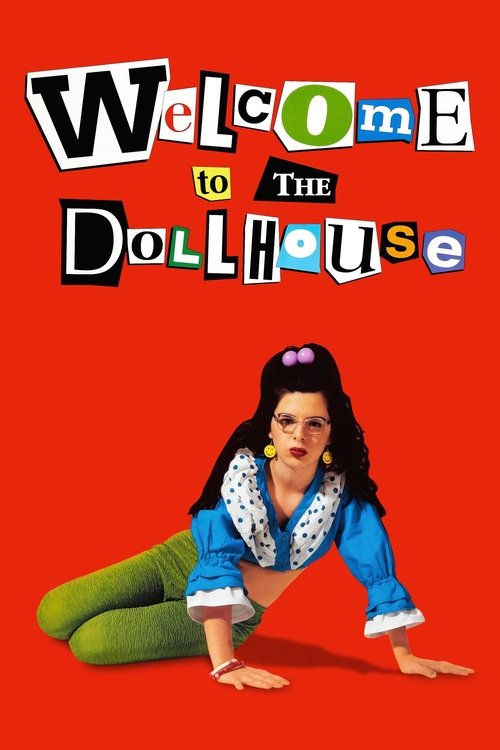
Welcome to the Dollhouse1996
Solondz's breakthrough about a bullied teenage girl navigates humiliation with both cruelty and unexpected tenderness. A masterclass in portraying social rejection without sentimentalizing it.
But Watching someone be relentlessly degraded for ninety minutes can feel punitive rather than illuminating, even when it's intentional.
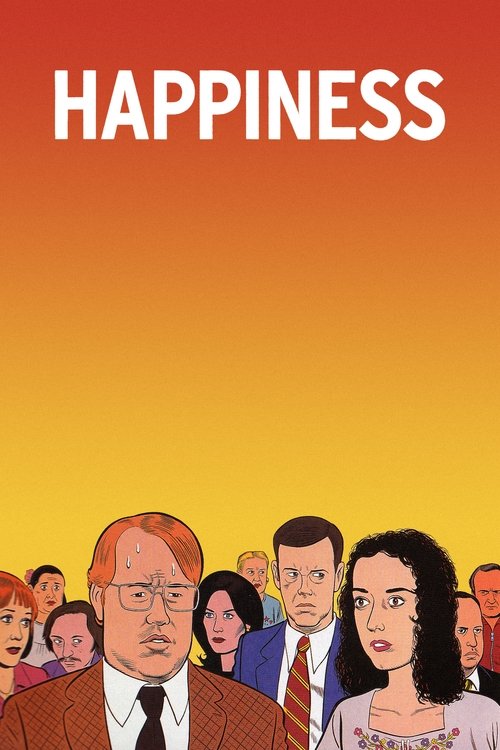
Happiness1998
Another Solondz film that weaponizes suburban normalcy against its characters with dark comedy and genuine insight into desire and failure. Profound and genuinely disturbing.
But It contains material—particularly involving a child—that pushes past provocation into genuinely offensive territory for many viewers.
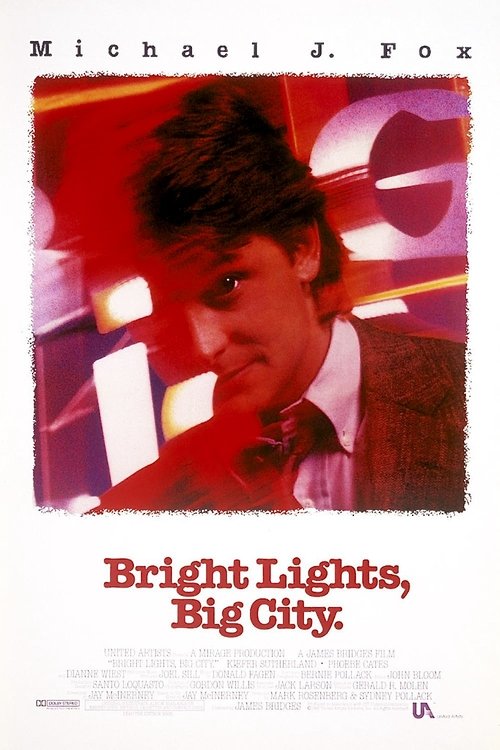
Bright Lights, Big City1988
A cocaine-fueled spiral through 1980s Manhattan that finds comedy in self-destruction. James Spader is magnetic; the whole thing moves with intoxicated velocity.
But The protagonist is often loathsome, and the film doesn't judge him as harshly as some viewers will want it to.
Not sure tonight? Get a pick in a minute, starting from Storytelling
The wildcard
Something you would not have found on your own.
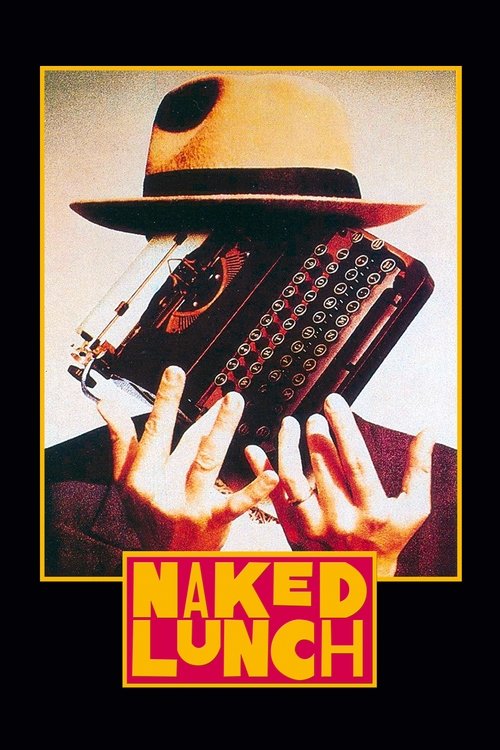
Naked Lunch1991
Both films use dysfunction and audience discomfort as the actual subject, not the backdrop. Storytelling confuses and alienates through accuracy; Naked Lunch through pure wrongness. Same weapon, opposite ammunition.
Cronenberg's adaptation of Burroughs: a non-narrative fever dream about addiction, control, and hallucination. If Storytelling is provocation through realism, this is provocation through surrealism reaching the same destination.
But Incomprehensible plot, body horror, and a refusal to cohere into conventional sense will destroy anyone seeking clarity or comfort.
More like this (8)
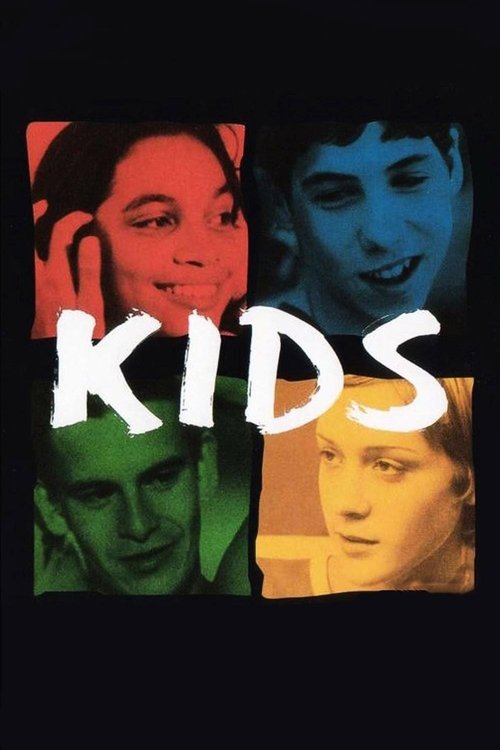
Kids1995
Gritty, unvarnished portrait of teenage New York that refuses moralizing. Raw performances and a documentary aesthetic that still feels dangerous.
But Unrelentingly bleak subject matter and an infamous climactic scene may feel exploitative rather than cathartic.
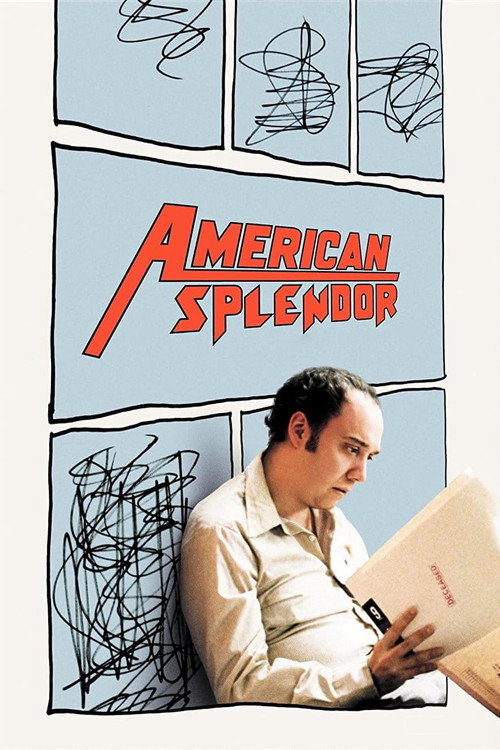
American Splendor2003
Comic artist Harvey Pekar's life adapted with playful formalism—rotoscope animation, live action, the actual Pekar narrating. A film about being unsatisfied that never becomes precious.
But The deadpan style and low-key stakes won't satisfy anyone looking for conventional narrative momentum.
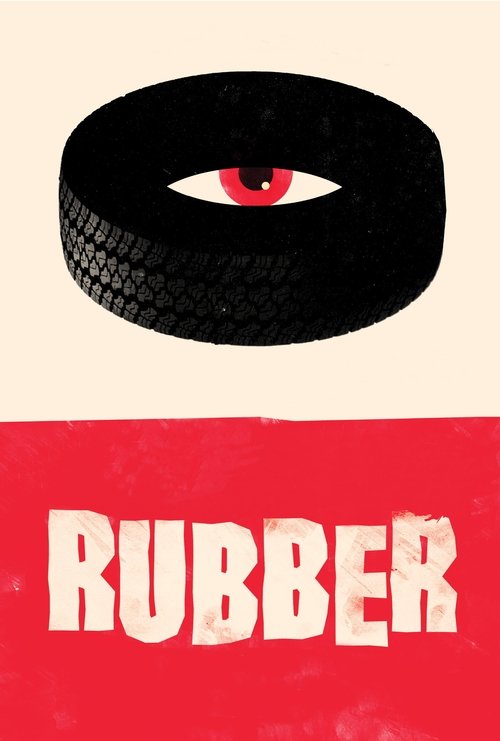
Rubber2010
A sentient tire commits murders across the American West. Absurdist, genuinely funny, and committed to its ridiculous premise with complete seriousness.
But The joke can feel thin when it stretches beyond ninety minutes, and the film knows this and seems unbothered.
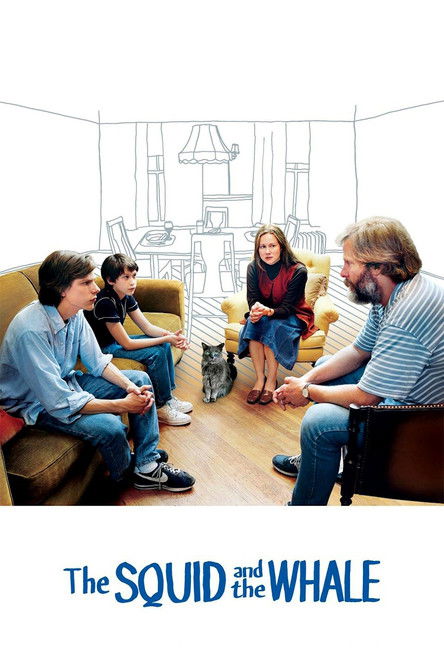
The Squid and the Whale2005
Noah Baumbach's semi-autobiographical account of a Brooklyn family imploding. Darkly comic, precisely observed, and brutal about how intellectual people weaponize their intelligence in divorce.
But All the characters are self-absorbed and petty; there's no one to root for, which some experience as tedious rather than honest.
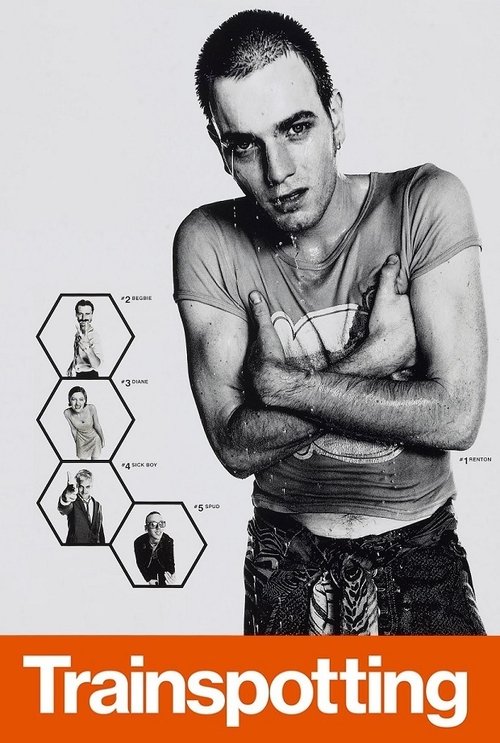
Trainspotting1996
Edinburgh heroin addiction refracted through style and momentum. Renton's descent is blackly funny in the way only desperation can be. Energetic, not exploitative.
But The infamous bathroom scene and casual sexual violence are meant to repel; they successfully do, which isn't everyone's idea of cinema.
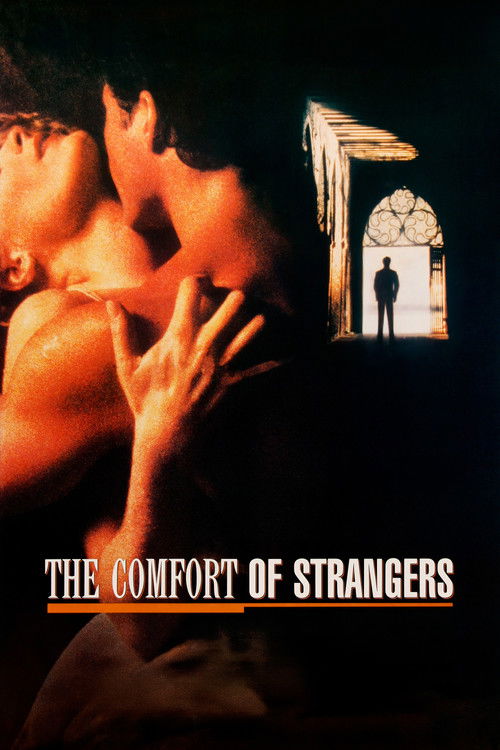
The Comfort of Strangers1990
Luchino Visconti's final film, a Pinter adaptation about a couple drawn into the orbit of a charismatic predator. Glacial, sensual, and quietly terrifying.
But Plot feels subordinate to mood and texture; patience for surfaces rather than incident required.
A Prophet2009
Both films use dysfunction as education—characters learning who they are through humiliation and compromise. But where Storytelling mocks the learning, A Prophet respects it. The same curriculum, opposite moral stance.
French prison drama about a young man's education in violence and survival. Formally restrained, psychologically precise, and genuinely gripping in ways Storytelling isn't trying to be. Brilliant filmmaking.
But Three hours and deeply, relentlessly serious. No comedy, no irony, no escape valve. A full commitment to moral weight.

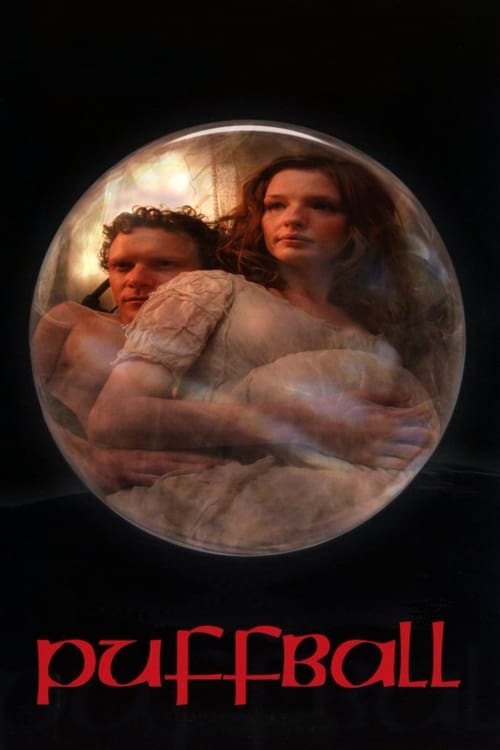
Puffball2007
Both understand that dysfunction isn't tragic—it's social and structural. Both refuse catharsis and find comedy in people unable to change. Both were dismissed on release because they seem to dislike their own characters, which is precisely the point.
Frank Oz adapting Fay Weldon: suburban women's resentment, manipulation, and genuine cruelty hiding behind civility. Vicious, formally playful, and totally unpopular because it refuses to sympathize with its characters.
But Dated digital cinematography, and the misanthropy offers no relief or resolution. It ends where it began, with people being awful.
People
Cast
 Leo FitzpatrickMarcus
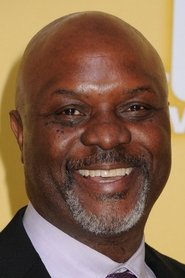 Robert WisdomMr. Scott
 Aleksa PalladinoCatherine
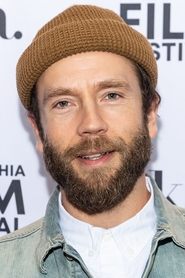 Mark WebberScooby Livingston
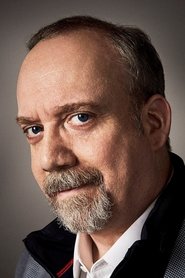 Paul GiamattiToby Oxman
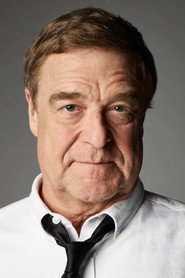 John GoodmanMarty Livingston
- Jonathan OsserMikey Livingston
 Lupe OntiverosConsuelo
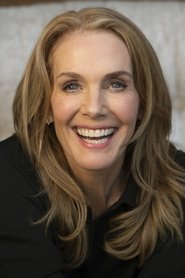 Julie HagertyFern Livingston
 Noah FleissBrady Livingston
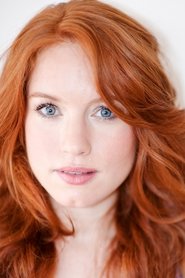 Maria ThayerAmi
Directing
- Todd SolondzDirector
- Timothy BirdFirst Assistant Director
- Leslie GarvinSecond Assistant Director
- Victoria LangSecond Second Assistant Director
- Alan OxmanSecond Unit Director
Writing
- Todd SolondzScreenplay
Production
- Ann GoulderCasting
- Amy HenkelsExecutive Producer
- David LindeExecutive Producer
- Michael De LucaExecutive Producer
- Declan BaldwinLine Producer
- Jay Van HoyPost Coordinator
- Christine VachonProducer
- Ted HopeProducer