
Film
Killing Season
- Action
- Very dark
Two estranged Bosnian War veterans—one American, one Serbian—collide in the Smoky Mountains for a revenge thriller that swaps geopolitics for personal reckoning. De Niro and Travolta circle each other with grizzled intensity across 91 minutes of cat-and-mouse tension. It's a lean, propulsive genre piece for viewers who want conflict without complications.
Should you watch it?
Watch it if you enjoy lean, old-fashioned cat-and-mouse survival stories where two hardened men circle each other with little dialogue and a lot of woodcraft.
Skip it if you want a fast, polished blockbuster; this is a modest, rough-edged chamber piece where the violence is brutal and the plot leans on implausible stamina.
What it asks of you: Expect a lean hour and a half, mostly quiet stretches of wilderness broken by sudden, sharp bursts of violence, with little time spent on backstory.
Not sure? Find tonight's pick in a minute.
If you liked this
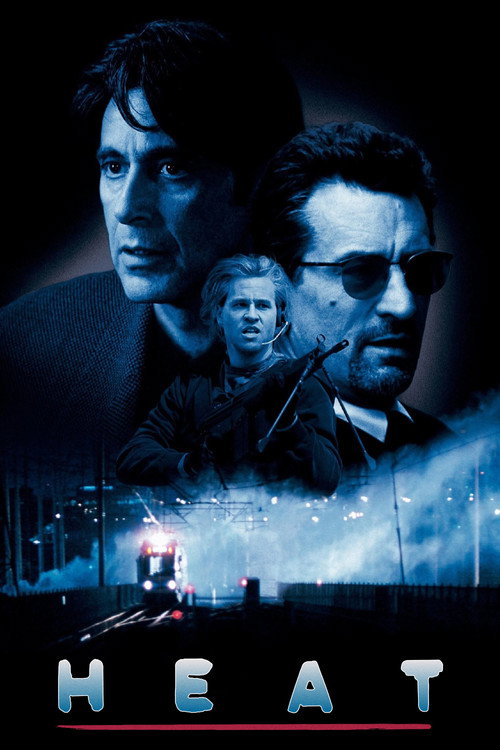
Heat1995
Two titans locked in opposing moral frameworks, meeting across a vast philosophical divide. Mann builds unbearable tension from the collision of wills rather than explosions. The coffee shop scene alone justifies the runtime.
But Nearly three hours long, and the action sequences are sparse compared to the philosophical sparring. Patience required; some find Mann's deliberation tedious.
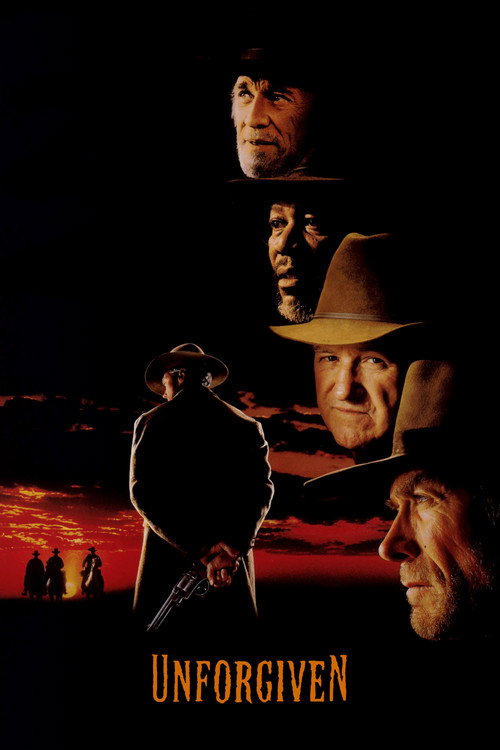
Unforgiven1992
An aging gunslinger reckons with the violence that defined him, and the men still hunting that history. Clint Eastwood made a Western that asks what revenge actually costs the people who carry it out. Moral weight without preaching.
But It's slow and elegiac—a meditation on violence rather than a celebration of it. If you're here for cathartic gunplay, this will disappoint.
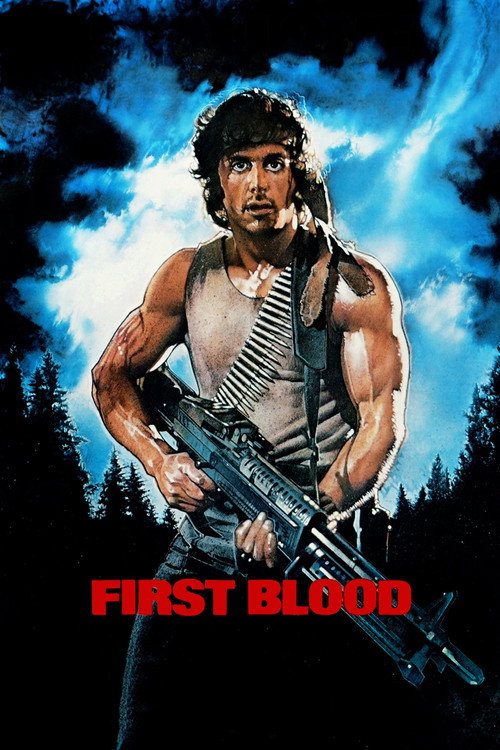
First Blood1982
Stallone as a war vet pursued into the wilderness by a small town. The book-ending feels eerily similar to Killing Season's setup, but First Blood actually explores trauma instead of just using it as backdrop. Lean and smart.
But The sequels are cartoonish action films. The original is a character study that some find glacially paced.
Not sure tonight? Get a pick in a minute, starting from Killing Season
The wildcard
Something you would not have found on your own.
A Prophet2009
Both are films about men remade by violence and conflict—not heroes, but survivors navigating ecosystems where empathy is a liability. Killing Season asks what revenge looks like; A Prophet asks what predation looks like when survival is the only option.
A young prisoner rises through the underworld of a French jail, learning predation from the system itself. Jacques Audiard made something visceral and morally complex about survival, power, and the erasure of self. It won the Grand Prix at Cannes and it earns every frame.
But It's French, it's long, and the violence is unglamorous. The prison world is claustrophobic and the moral terrain is murky. Demands active watching.

More like this (8)
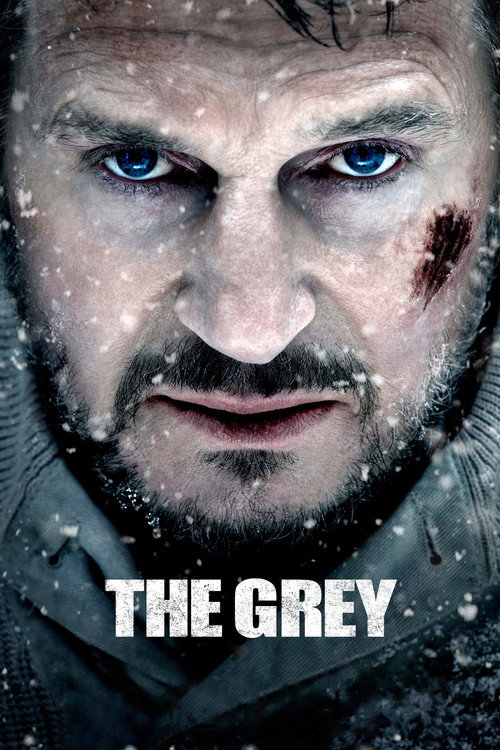
The Grey2011
Liam Neeson and a pack of wolves in the Alaskan wilderness, but the real enemy is mortality itself. Joe Carnahan made something genuinely philosophical about survival instinct and why we keep fighting. Haunting and brutal.
But Punishingly grim. The action is secondary to existential dread. Not a crowd-pleaser.
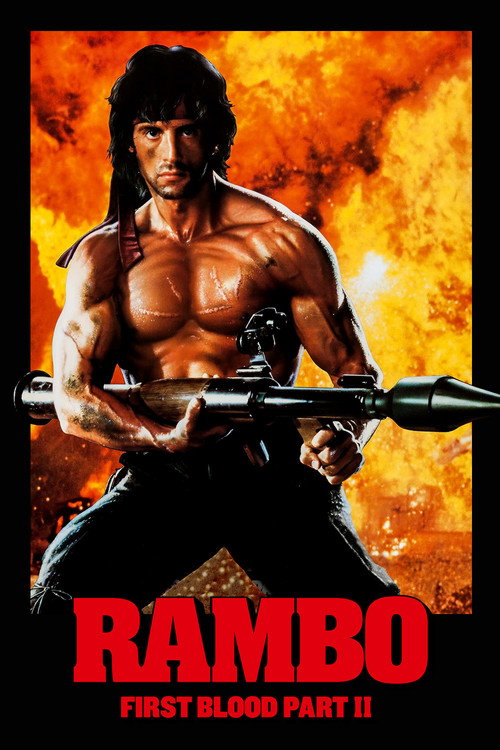
Rambo: First Blood Part II1985
A war veteran sent into enemy territory where his past catches up. It's pulp, but it's confident pulp—the action is vivid, the betrayal wounds cut deep, and Stallone sells every moment of rage and abandonment.
But Absurdly over-the-top by modern standards. The geopolitics are cartoonish. Requires a willingness to meet it on its own terms.
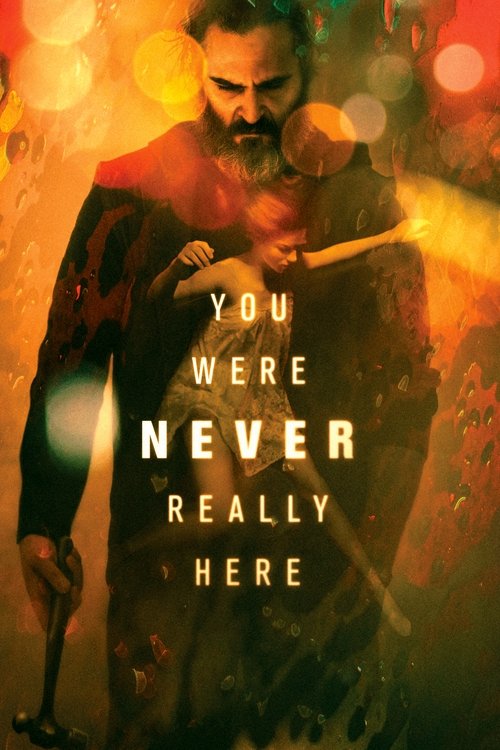
You Were Never Really Here2017
Joaquin Phoenix as a traumatized fixer spiraling through Manhattan. It's a trauma thriller that feels lived-in and broken, shot like a fever dream. Lynne Ramsay directing turned genre material into something hallucinogenic.
But Brutally violent and deliberately fragmented. The narrative is fractured; the pacing is punishing. Not for viewers wanting clarity or catharsis.
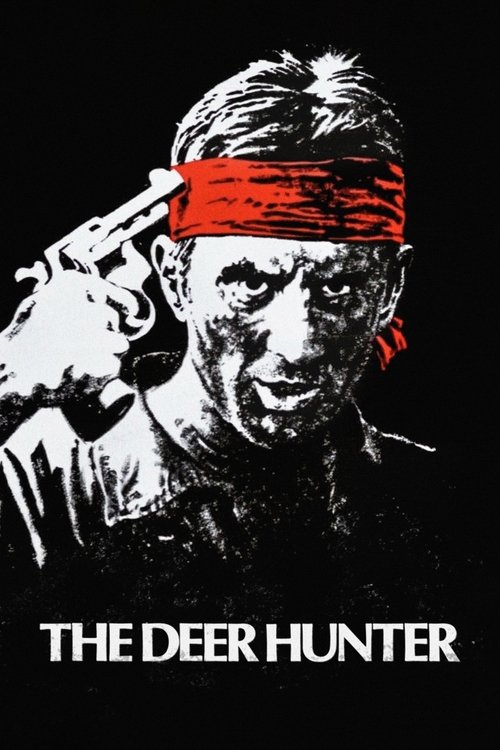
The Deer Hunter1978
Willem Dafoe alone in the Tasmanian wilderness hunting a tiger, carrying grief and professional detachment. Claire McCarthy made something quiet and morally muddled about predation and survival. Visually stunning.
But Meditative to the point of stalling. Minimal dialogue. The thriller elements are subordinate to mood.
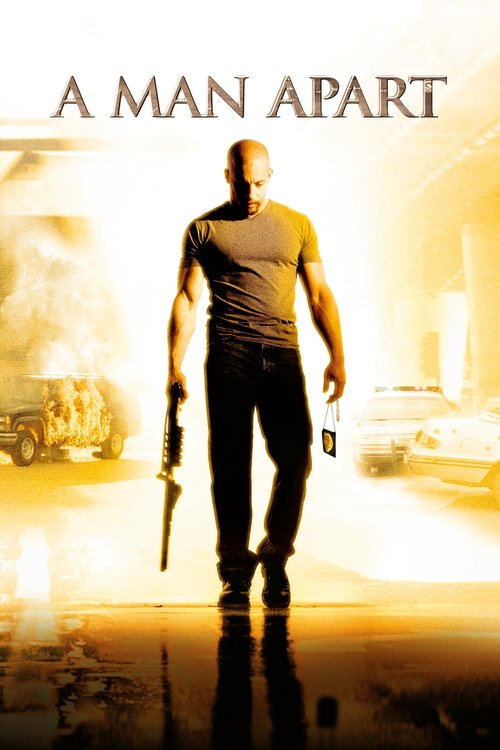
A Man Apart2003
Vin Diesel undercover in the drug trade, his identity dissolving. The premise is familiar, but the execution has real paranoia running through it. Solid craft in a pulpy frame.
But The plot is fairly rote and the emotional stakes don't quite land. Watchable but forgettable.
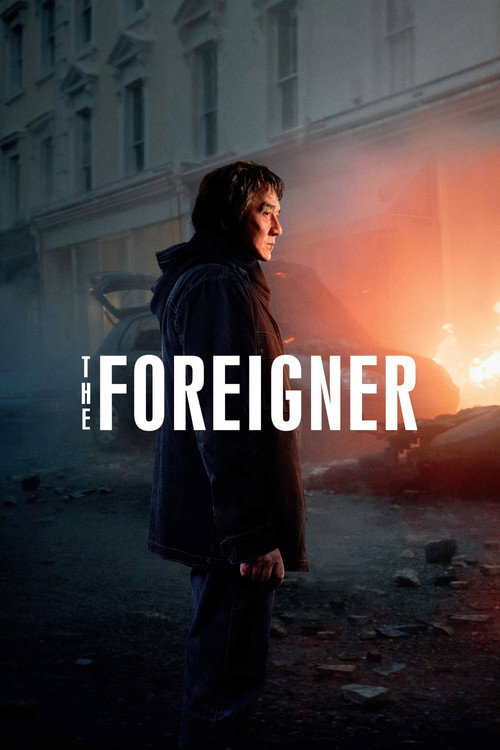
The Foreigner2017
Jackie Chan as a grieving father in his most serious role, hunting those responsible for his daughter's death. It's straightforward revenge wrapped in geopolitical intrigue, competently made and genuinely felt.
But The action is sparse and the plotting is convoluted. Pierce Brosnan's subplot muddies the water. Feels scattered.
Come and See1985
Where Killing Season uses the Bosnian War as setup for a revenge thriller, Come and See uses war as the actual subject—showing how violence hollows people out. The film asks whether trauma survivors are ever really alive afterward.
Elem Klimov's Soviet masterpiece about a boy conscripted into WWII, watching his world burn. It's not a war film—it's an apocalypse. The most visceral, heartbreaking, unflinching account of what war does to human beings ever committed to film.
But It is a harrowing ordeal to watch. The violence is not cathartic; it accumulates like trauma. Not entertainment. Some find it punishing beyond the point of art.

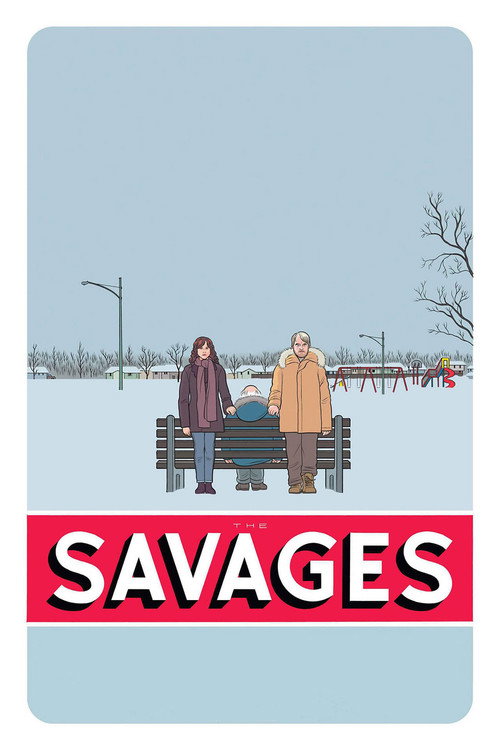
The Savages2007
Both examine how the past colonizes the present through men carrying unresolved trauma. But where Killing Season externalizes that pain as violence and revenge, The Savages shows how unresolved histories corrode relationships in silence and obligation. Trauma as slow erosion rather than explosion.
Laura Linney and Philip Seymour Hoffman as siblings managing their father's decline into dementia. Tamara Jenkins made something devastatingly funny and unbearably human about obligation, resentment, and how family fractures under pressure. It's achingly real.
But There's no plot, no catharsis, no resolution—just accumulating small failures. It's quiet and domestic and asks you to sit with uncomfortable truths. Some find it depressing rather than moving.
People
Cast
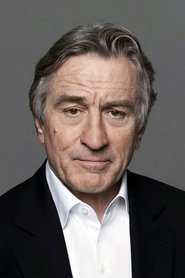 Robert De NiroBenjamin Ford
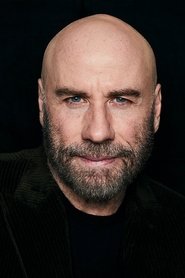 John TravoltaEmil Kovac
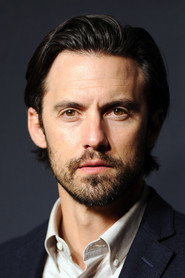 Milo VentimigliaChris Ford
 Liz OlinSarah Ford
 Diana LyubenovaElena
- Kalin SarmenovSerbian
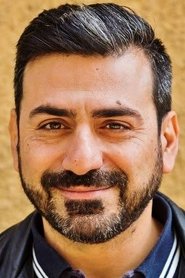 Stefan ShterevBar Customer
- Joseph OliveiraSerbian Soldier
Directing
- Mark Steven JohnsonDirector
- Nick SatrianoFirst Assistant Director
- Stefania VelichkovaScript Supervisor
- Douglas PlasseSecond Assistant Director
Writing
- Evan DaughertyWriter
Production
- Veronique HuyghebaertCo-Producer
- Anson DownesExecutive Producer
- Boaz DavidsonExecutive Producer
- Danny DimbortExecutive Producer
- Linda FavilaExecutive Producer
- Maida N. MorganLocation Manager
- Anthony RhulenProducer
- Ed Cathell IIIProducer
- John ThompsonProducer
- Paul BreulsProducer