
Film
The Outpost
- War action
- Very dark
The Outpost reconstructs the 2009 Battle of Kamdesh, where a vastly outnumbered U.S. cavalry unit defended a remote Afghan outpost against a coordinated Taliban assault. It's a procedural war film that prioritizes tactical clarity and soldier authenticity over spectacle, focusing on the grinding reality of combat and the bonds forged under fire. For viewers who want their war stories grounded and unflinching.
If you liked this
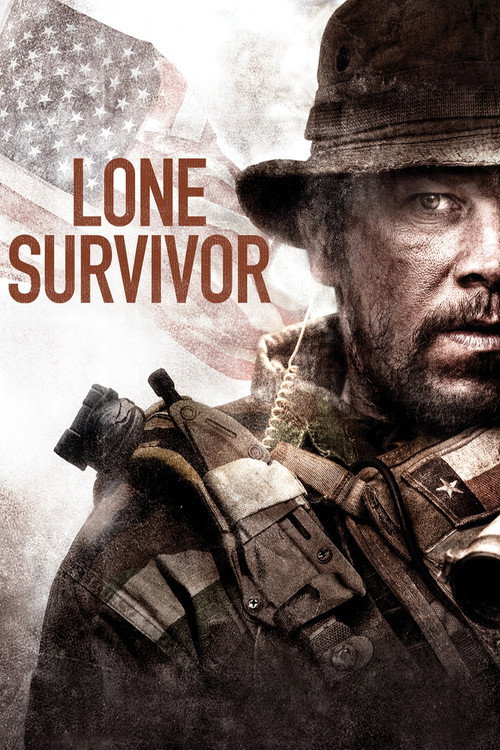
Lone Survivor2013
A similarly visceral account of a real special operations ambush in Afghanistan, with comparable attention to tactical detail and the impossible choices soldiers face when outnumbered and cut off.
But The action sequences are relentlessly punishing and graphic; some find the film's tone shifts melodramatic in its final act.
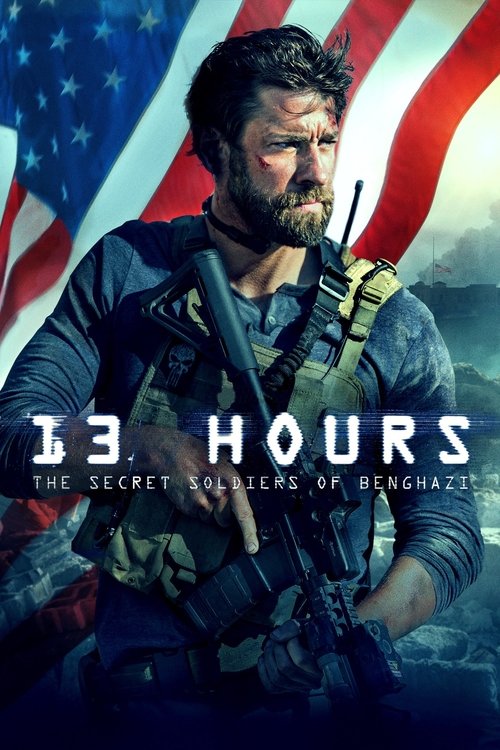
13 Hours: The Secret Soldiers of Benghazi2016
Michael Bay's account of the Benghazi attack, matching The Outpost's focus on a small group holding a position under siege, with comparable emphasis on the soldiers' point of view over political context.
But Bay's direction prioritizes kinetic chaos over clarity; some viewers find his style exhausting rather than immersive, and the film skews heavily toward its heroes.
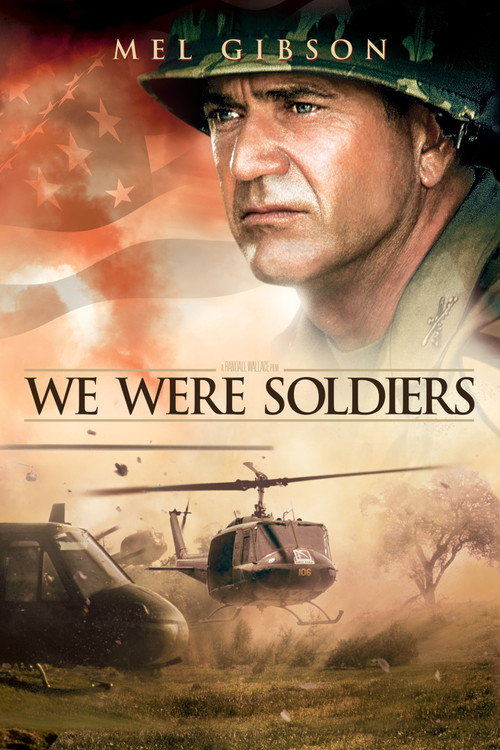
We Were Soldiers2002
Randall Wallace's chronicle of the first major engagement between U.S. and North Vietnamese forces, equally committed to showing both the tactical reality and the human cost of combat for soldiers and their families.
But It's earnest in a way that can feel dated; the domestic scenes interrupt the action for some viewers, and the film doesn't interrogate American strategy.
Not sure tonight? Get a pick in a minute, starting from The Outpost
The wildcard
Something you would not have found on your own.
Come and See1985
Both are committed to the soldier's experience without mythologizing it, but Come and See refuses the solace of heroism or redemption, demanding you sit with the true cost of sending young men into killing.
Elem Klimov's annihilating Soviet account of a boy recruited into a WWII partisan unit. It uses the grotesque horror of combat and occupation as spiritual reckoning rather than action setpiece, achieving a depth of anti-war conviction that Hollywood rarely attempts.
But It's genuinely difficult to watch—the suffering is not dramatized but actualized, and the finale is philosophically devastating in ways some find unbearable rather than cathartic.

More like this (7)
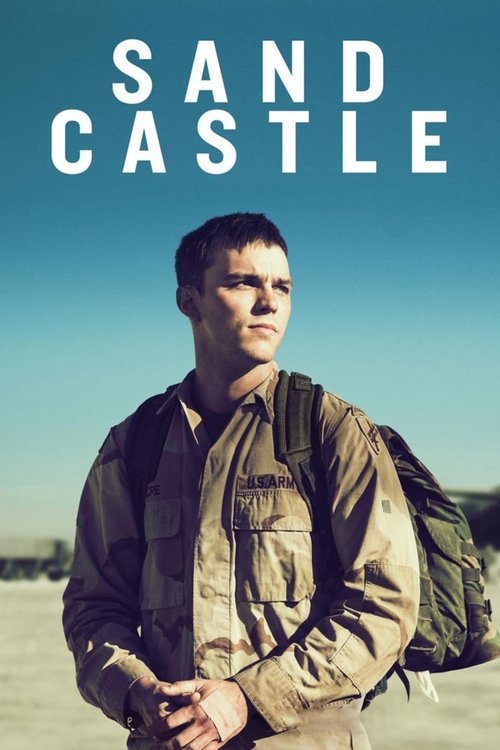
Sand Castle2017
A quieter, character-driven account of American soldiers in Iraq tasked with rebuilding a water treatment plant. It captures the moral ambiguity and boredom alongside brief violence that defined many deployments.
But The pacing is deliberately slow; there's minimal combat, which frustrates viewers seeking action over reflection.
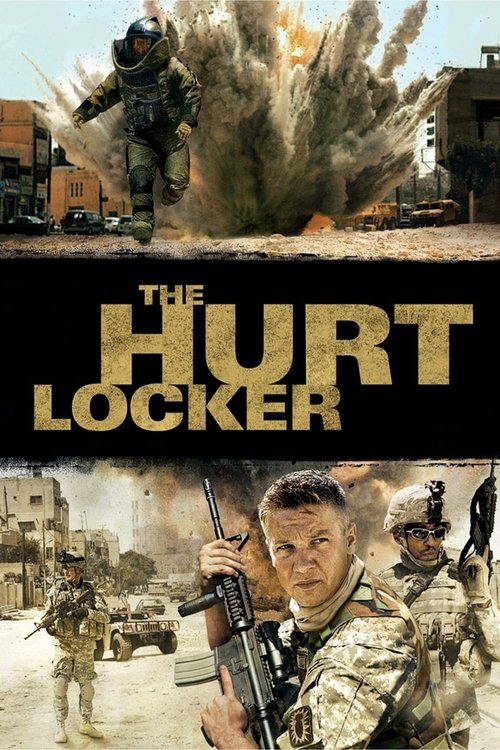
The Hurt Locker2008
Kathryn Bigelow's taut study of an EOD technician's final mission in Iraq. It shares The Outpost's focus on procedure, precision, and the psychology of soldiers in extreme situations.
But It's deliberately ambiguous about its protagonist's choices; some viewers find the ending unsatisfying or feel the politics are muddled.
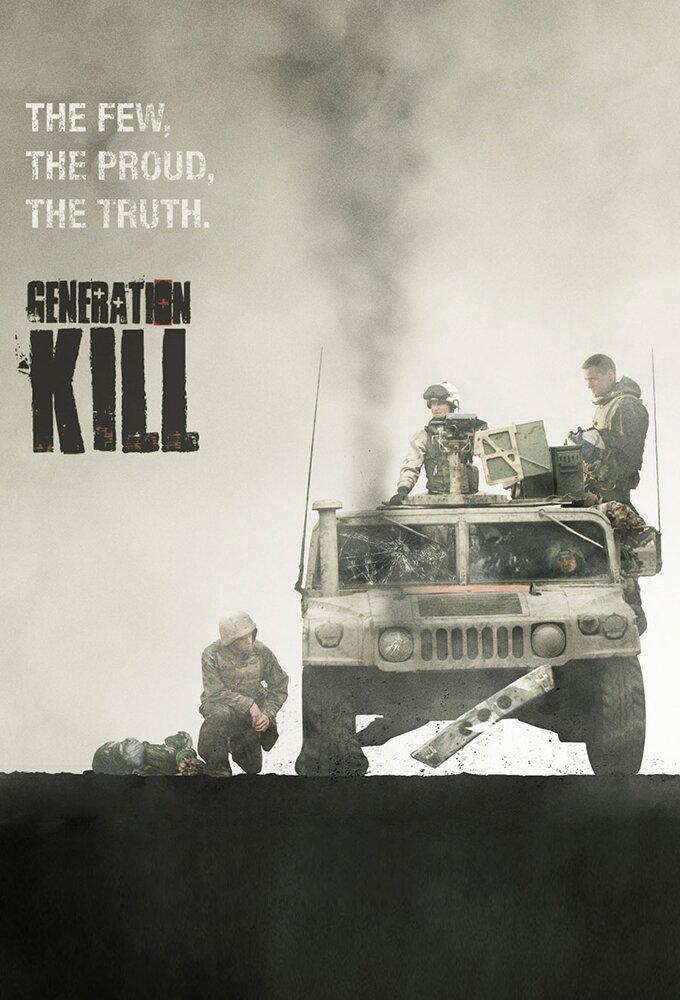
Generation Kill2008
This HBO miniseries follows a reconnaissance platoon through the 2003 Iraq invasion with remarkable wit and clarity about how soldiers actually talk and think, grounding the spectacle in specificity.
But The black humor and technical jargon require attention; it's four hours and some find the lack of a traditional climax anticlimactic.
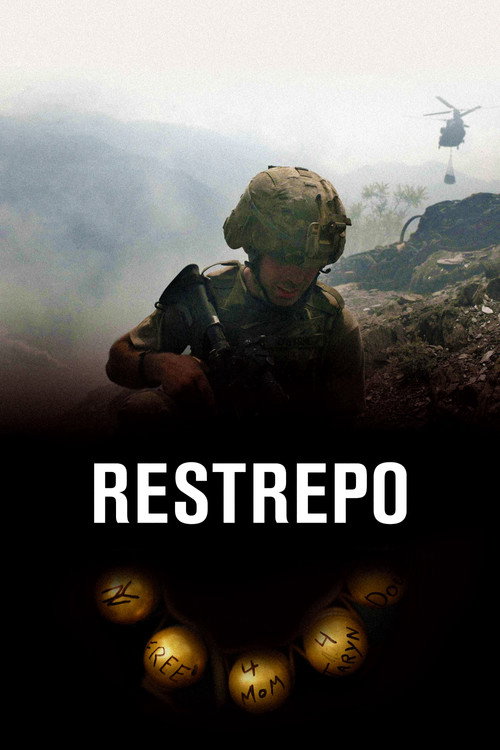
Restrepo2010
A documentary following one platoon's entire deployment to the Korengal Valley in Afghanistan. The unmediated access and day-to-day texture complement The Outpost's soldier-level perspective.
But It's non-narrative and sometimes repetitive; viewers accustomed to dramatic structure may find the pacing glacial, and the lack of resolution troubles some.
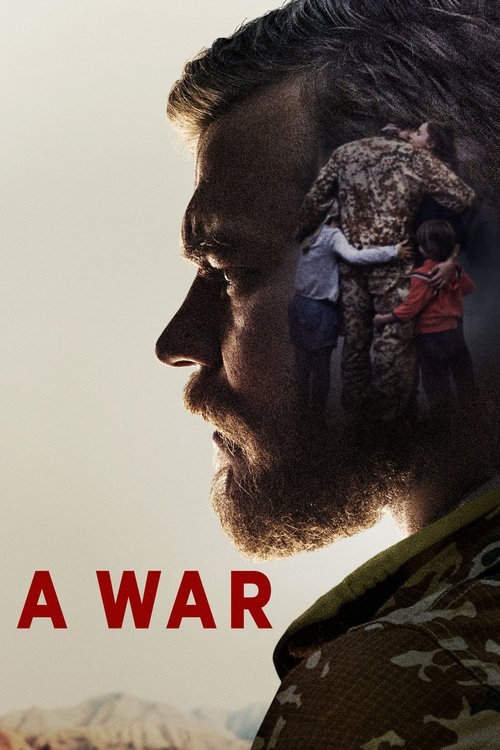
A War2015
A Danish film following a small unit in Afghanistan, then shifting to a military court-martial. It offers a different national perspective on similar combat while exploring the moral aftermath of violence.
But Subtitled, slower-paced, and more interested in ambiguity than heroism; some find the structure jarring, moving from combat to courtroom drama.
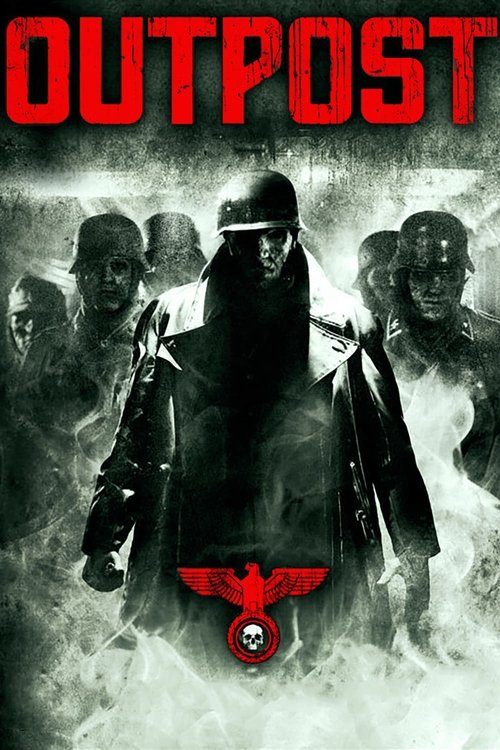
Outpost2008
Both are about a small unit holding an indefensible position against waves of attackers, building dread through military procedure and logistics rather than individual heroics. The Outpost accidentally resembles a siege film, and that's exactly what Outpost delivers.
A low-budget British-Romanian zombie film set at an abandoned Soviet military installation. It's genre pulp, but it's also a genuinely tense, grimy war picture that treats survival against overwhelming odds with tactical seriousness.
But It's a B-movie with modest effects and a premise that sounds absurd; some dismiss it on concept alone, and the horror elements will alienate viewers seeking documentary realism.
The Night Circus
The Outpost's strength isn't plot momentum but procedural clarity—how does a position actually get defended against overwhelming force? The Night Circus asks the same question about narrative structure: how do you defend an enclosed space against chaos? Both reward viewers who trust the architecture.
Wait—this is about two illusionists in competition, not war. But Erin Morgenstern's novel (far more than the film) shares The Outpost's architectural precision and structural discipline: every detail is placed for a reason, and the whole is designed to trap you inside its logic until the end.
But The film adaptation is visually lush but emotionally inert; the novel is better, but it's long and some find the romance between the leads underdeveloped. Neither is what you'd call propulsive.
People
Cast
 Scott EastwoodStaff Sergeant Clint Romesha
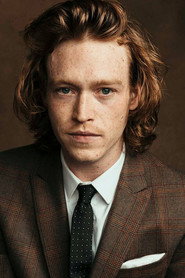 Caleb Landry JonesSpecialist Ty Michael Carter
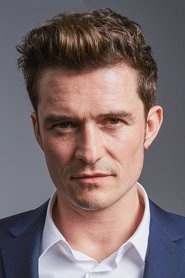 Orlando BloomCPT. Benjamin D. Keating
 Ernest CavazosSgt. Armando Avalos
 Taylor John SmithLt. Andrew Bundermann
 Cory HardrictSergeant Vernon Martin
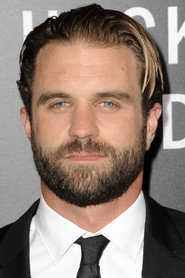 Milo GibsonCPT. Robert Yllescas
 Bobby LockwoodKevin Thomson
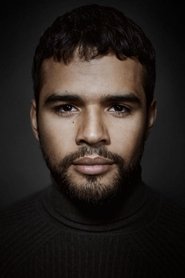 Jacob ScipioStaff Sgt. Justin T. Gallegos
 Jack KesySgt. Josh Kirk
 Celina SindenCpt. Katie Kopp
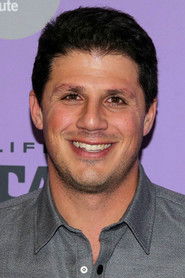 Jonathan YungerSFC Jonathan Hill
Directing
- Rod LurieDirector
- Ben LanningFirst Assistant Director
- Galina KyuchukovaSecond Assistant Director
- Kremena MakarievaThird Assistant Director
- Maya MarkovaThird Assistant Director
Writing
- Jake TapperBook
- Eric JohnsonScreenplay
- Paul TamasyScreenplay
Production
- Dan HubbardCasting
- Henry HughesCo-Producer
- Jariko DenmanCo-Producer
- Matt VaroskyCo-Producer
- Andrey GeorgievExecutive Producer
- Avi LernerExecutive Producer
- Boaz DavidsonExecutive Producer
- Jake TapperExecutive Producer
- Joanna KalafatisExecutive Producer
- John KalafatisExecutive Producer
- Mark Rhino SmithExecutive Producer
- Robert Van NordenExecutive Producer
- Tommy VlahopoulosExecutive Producer
- Trevor ShortExecutive Producer
- Elena MelamedLine Producer
- Jeffrey GreensteinProducer
- Jonathan YungerProducer
- Les WeldonProducer
- Marc FrydmanProducer
- Paul Michael MerrymanProducer
- Paul TamasyProducer