
Television series
A Woman Called Moses
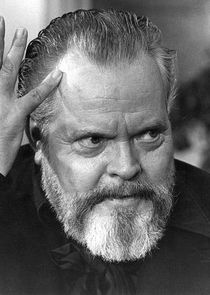
Cicely Tyson commands this 1978 miniseries as Harriet Tubman, tracing her escape from slavery and her dangerous work guiding others to freedom via the Underground Railroad. Orson Welles narrates. It's a gripping, intimate portrait of courage and conviction—direct, moving, and built entirely around a towering performance by an actor at her peak.
Should you watch it?
Watch it if you want a patient, character-centred historical portrait built around one formidable woman, and you don't mind a 1970s television look to get it.
Skip it if you want the sweep and polish of a modern prestige epic, since this is a modest made-for-TV production with the dated look of its era.
What it asks of you: Roughly two hours across two parts, paced deliberately and held in a sober, earnest register, so settle in rather than expect quick cuts.
Not sure? Find tonight's pick in a minute.
If you liked this
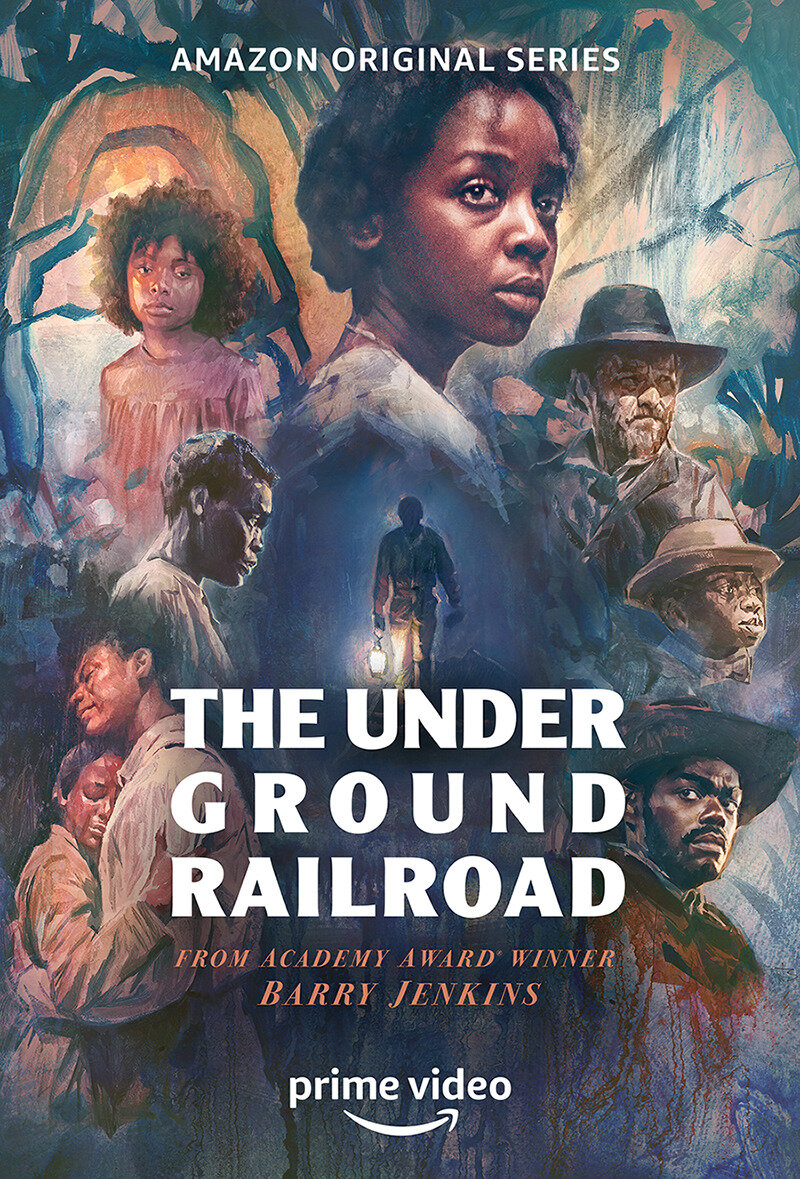
The Underground Railroad2021
Barry Jenkins' visual poem on Harriet's legacy, using magical realism and stunning cinematography to explore how slavery's violence echoes through time. Haunting and formally inventive in a way that feels urgent now.
But The non-linear structure demands patience, and the beauty of the images can feel at odds with the brutal subject matter for some viewers.
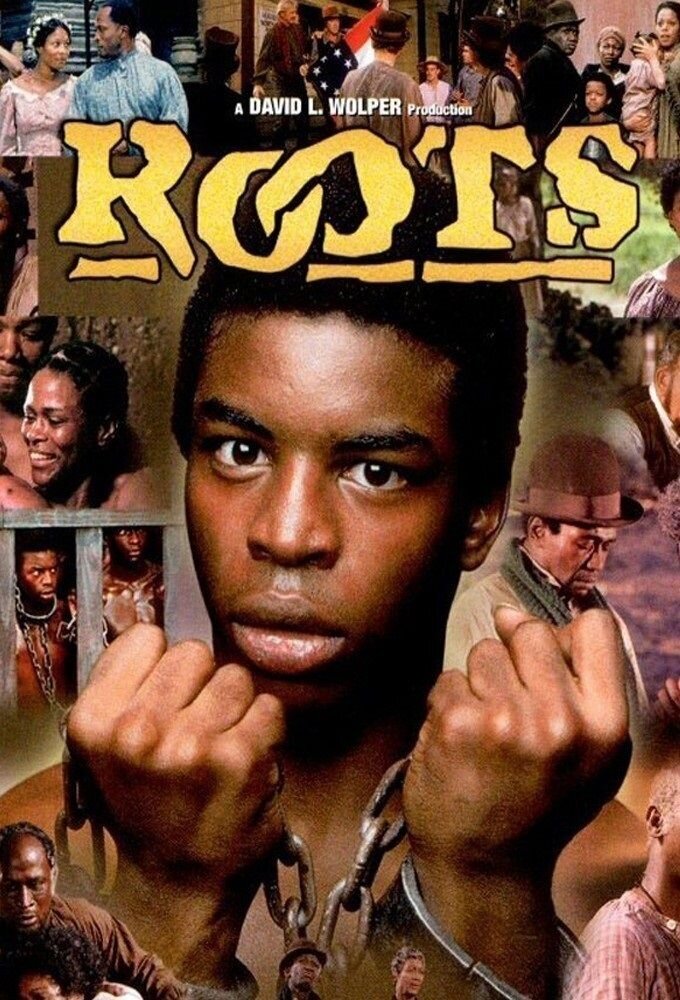
Roots1977
The miniseries that proved television could tackle Black American history with sweep and seriousness. Launched the whole conversation about seeing ourselves on screen. Monumental and genuinely gripping.
But It's vast and demands real time commitment; some pacing issues by modern standards, though that weight is also part of its power.
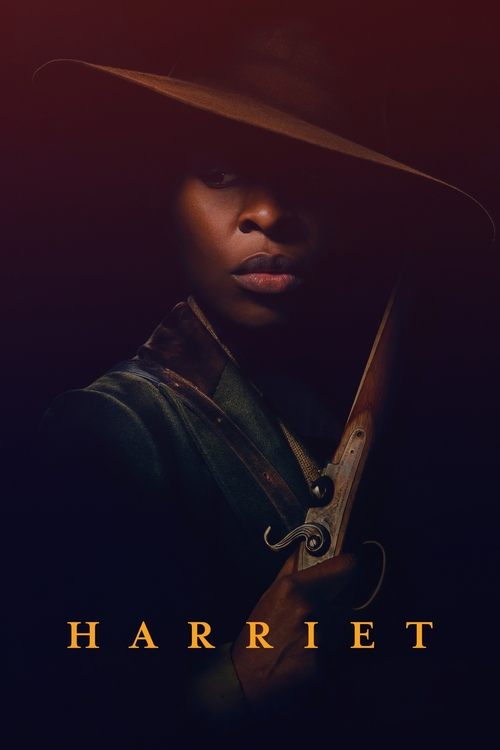
Harriet2019
A more recent, action-driven account of Tubman's life with Cynthia Erivo in a role that burns with quiet intensity. Thrilling where it counts, with real historical stakes woven through.
But Streamlines complex history for narrative momentum, and some viewers find the heroic arc a touch neat compared to the messier truth.
Not sure tonight? Get a pick in a minute, starting from A Woman Called Moses
The wildcard
Something you would not have found on your own.
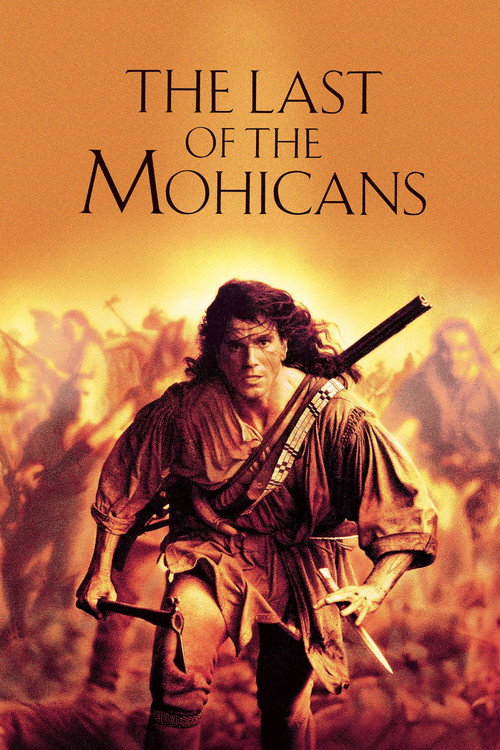
The Last of the Mohicans1992
Both center on a guide leading vulnerable people through enemy territory toward an unreachable horizon, knowing the mission might cost everything. The emotional structure is nearly identical: quiet determination, constant danger, the weight of other lives on your shoulders.
Michael Mann's last great action film: a man moving through hostile wilderness protecting those he loves, hunted by forces he can't stop. Same spiritual DNA as Tubman's journey—sacrifice, navigation through impossible terrain, and the cost of freedom.
But It's a 1990s action film first and historical drama second; if you want historical accuracy you'll be frustrated by Mann's elaborate revisionism.
More like this (8)
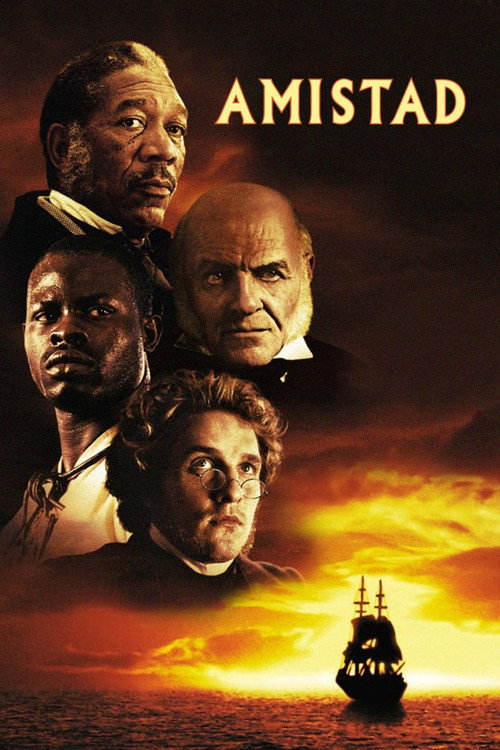
Amistad1997
Spielberg's courtroom drama about enslaved Africans who revolt aboard a ship, then fight for their freedom in American courts. Matthew McConaughey, Anthony Hopkins, and a true story that compels.
But Legal proceedings can feel procedural and distant; the film's emotional registers don't always match its historical importance.
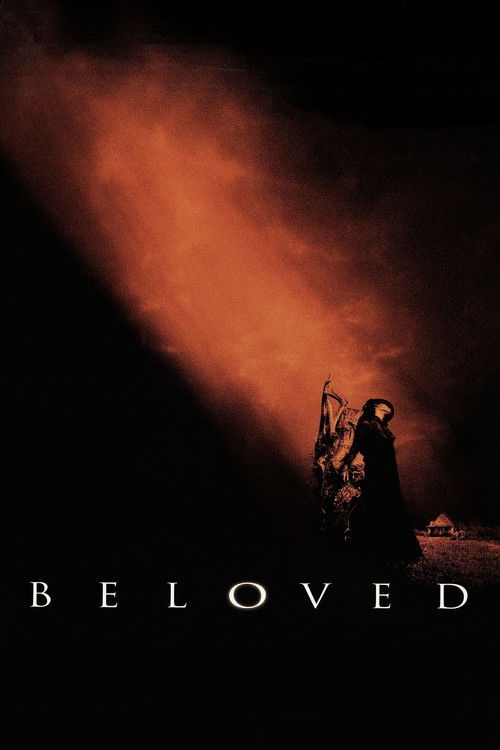
Beloved1998
Toni Morrison's haunting novel adapted with Oprah Winfrey and Danny Glover, exploring trauma, motherhood, and the supernatural weight of slavery's aftermath. Deeply strange and uncompromising.
But Dense, non-linear, and emotionally overwhelming; the film trusts viewers to sit with ambiguity and pain rather than offering resolution.
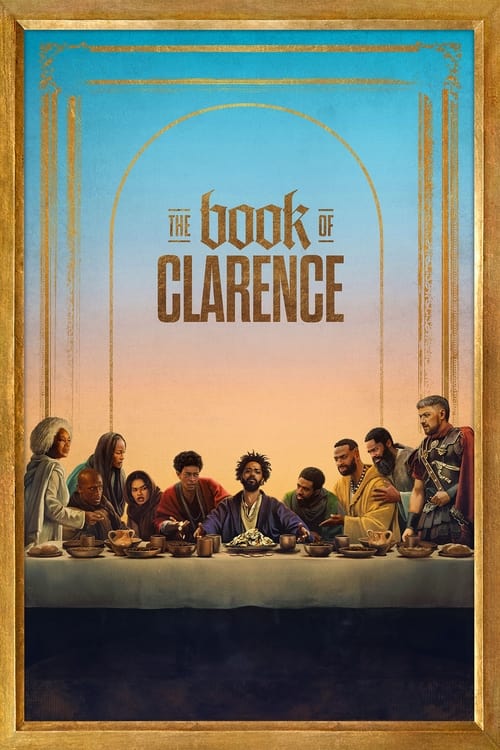
The Book of Clarence2024
Sterlin Harjo's wildly entertaining Western comedy about a con artist in a Black frontier town, riotously funny while slyly exploring freedom and self-invention. Pure joy and sharp social commentary.
But The tonal whiplash between comedy and weightier themes won't work for everyone; some find the humor undercuts the film's more serious intentions.
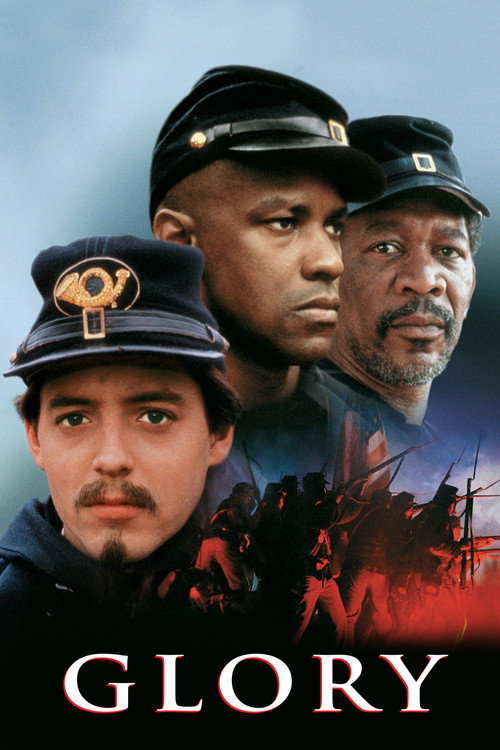
Glory1989
Edward Zwick's epic about the first Black regiment in the Civil War, with Denzel Washington and Matthew Broderick. Stunning battle sequences and genuine emotional heft about sacrifice and dignity.
But Structured around the white officer's perspective, which many viewers feel dilutes the Black soldiers' own agency and centrality to their story.
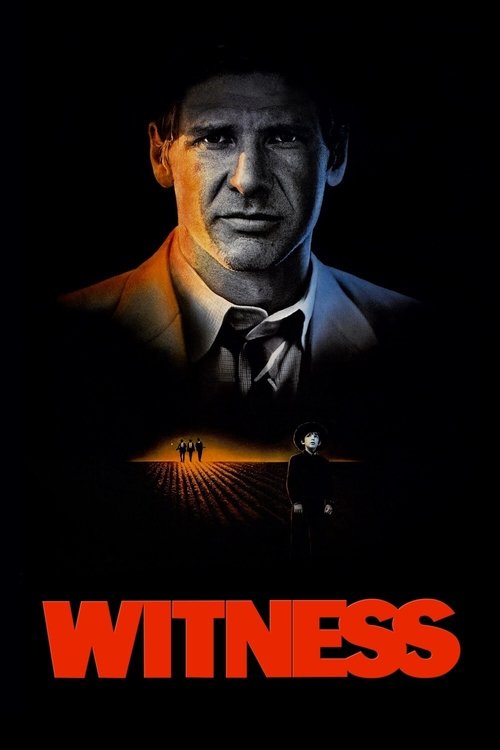
Witness1985
Harrison Ford in a nail-biting thriller about a cop protecting an Amish boy who witnessed a murder. Taut direction, real chemistry, and one of the best action films of its decade.
But The romance subplot feels tacked on, and the film's treatment of Amish culture is more picturesque than probing.
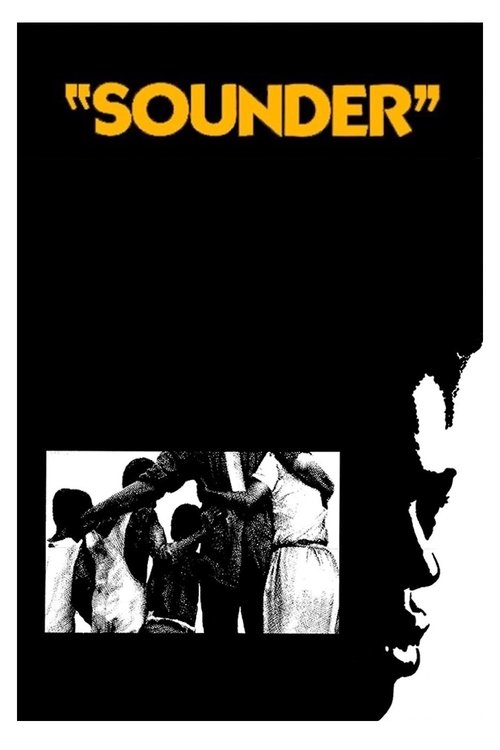
Sounder1972
A quiet, dignified Depression-era drama about a Black sharecropper family and their dog, with Cicely Tyson in a role of profound grace. American cinema at its most humane and unsentimental.
But The restraint means it moves gently where some want urgency; its power is in what it doesn't say, which can feel like absence if you want something louder.
Come and See1985
Both are unflinching witnesses to human cruelty, but whereas *A Woman Called Moses* locates hope and agency in resistance, *Come and See* shows what happens when there's nowhere to run and no one left to save. They're inverse meditations on survival under terror.
Elem Klimov's apocalyptic Soviet war film follows a boy through the destruction of his village. Unflinching, visceral, and monstrous in its honesty about what violence does to the human spirit. One of cinema's greatest achievements.
But Deliberately unwatchable in stretches—grueling, graphic, designed to break you. Not cathartic, not heroic, not easy. Go in knowing you're signing up for that.

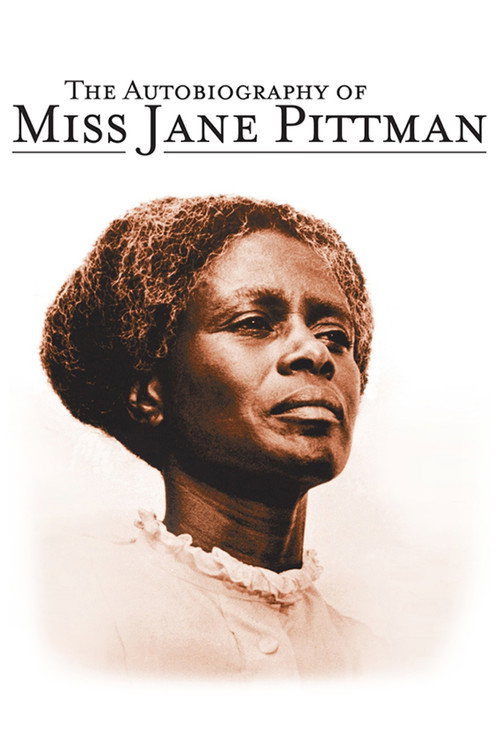
The Autobiography of Miss Jane Pittman1974
Tyson plays the through-line of freedom's cost and continuity—here an elder surveying the long walk, in *A Woman Called Moses* the guide in the middle of it. Together they're a single portrait of one soul across decades, seen from two different vantage points of her journey.
Ernest Medford's profoundly moving TV film with Cicely Tyson as a 110-year-old formerly enslaved woman reflecting on a century of struggle and dignity. Four narrated eras, a performance of staggering depth, and a meditation on Black American endurance.
But Slow, episodic, built on monologue and memory rather than plot. If you need forward momentum and external conflict, this will feel static.
People
Cast
 Orson WellesNarrator