
Film
Little Odessa
A hitman returns to Brighton Beach to execute a mob contract and confront his dying mother, his abusive father, and the criminal world he tried to escape. James Gray's debut is a cold, precise portrait of violence as inheritance—less about action than the emotional weight of homecoming. It's for viewers who want moral complexity without sentimentality, and aren't afraid of characters who don't improve.
Should you watch it?
Watch it if you like quiet, bruised character studies where a family's damage gets worked out in glances and rooms more than in gunfire, and a crime story that stays personal.
Skip it if you need the crime plot to drive things, because it runs on mood and brooding silences more than mechanics, and the gloom rarely lifts.
What it asks of you: A compact 98 minutes, but scenes that linger on faces and silence, with a slow, heavy dread that seldom lets up.
Not sure? Find tonight's pick in a minute.
If you liked this
A Prophet2009
Jacque Audiard's masterpiece about a young man's rise through prison hierarchy. Like Little Odessa, it traces how violence becomes a language and survival becomes complicity. The world expands as the protagonist hardens.
But Two and a half hours, French with subtitles, and deliberately paced. There's no catharsis waiting at the end, only consequence.

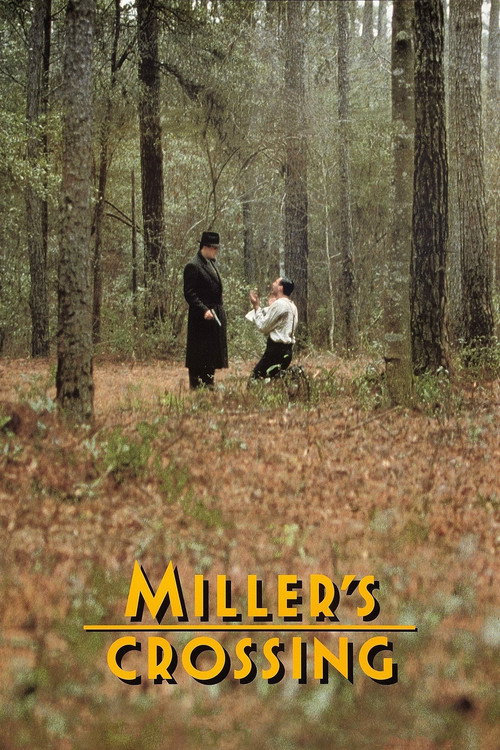
Miller's Crossing1990
The Coen Brothers' immaculate crime drama set during Prohibition. Both films move with balletic precision, treating violence as a formal problem. Morally intricate characters navigating codes they didn't write.
But The dialogue is dense and allusive—you'll need to listen hard. Some find the style cold.
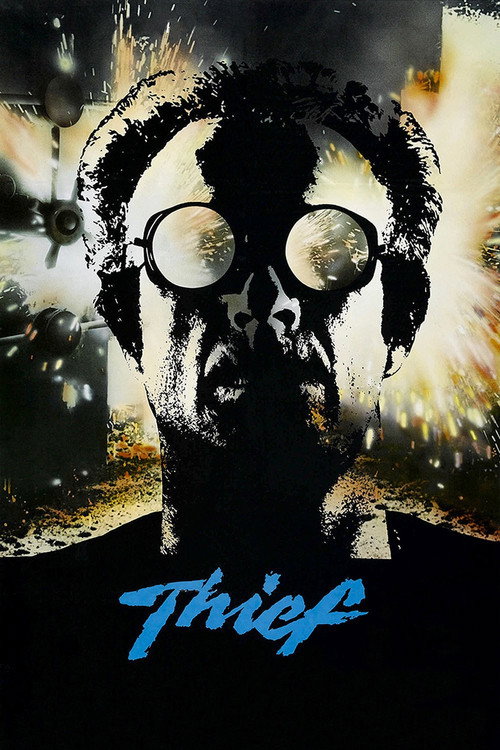
Thief1981
Michael Mann's jewel about a career criminal trying to build a life. The same tension between desire for normalcy and the gravity of the underworld. Stylish but deeply sad about what ambition costs.
But The '80s aesthetic is thick and the pacing is slow. If you need plot momentum, look elsewhere.
Not sure tonight? Get a pick in a minute, starting from Little Odessa
The wildcard
Something you would not have found on your own.
Come and See1985
Both examine the machinery of violence from the inside, showing how ordinary people become instruments of harm. Neither offers redemption as a comfort.
Elem Klimov's documentary-like account of a Soviet boy conscripted into WWII. Visually and psychologically devastating. Both films share an unflinching eye for how violence corrupts innocence and agency—how systems use people and discard them.
But This is genuinely one of cinema's most difficult films. It is not entertainment. Prepare yourself.

More like this (8)
In the Mood for Love2000
Wong Kar-wai's film about two neighbors who discover their spouses are having an affair. Gorgeously composed and achingly restrained—visual poetry about longing and the spaces between people. Completely different genre, same emotional intelligence.
But Nearly plotless and hypnotic. If you want things to happen quickly, this will feel like watching paint.

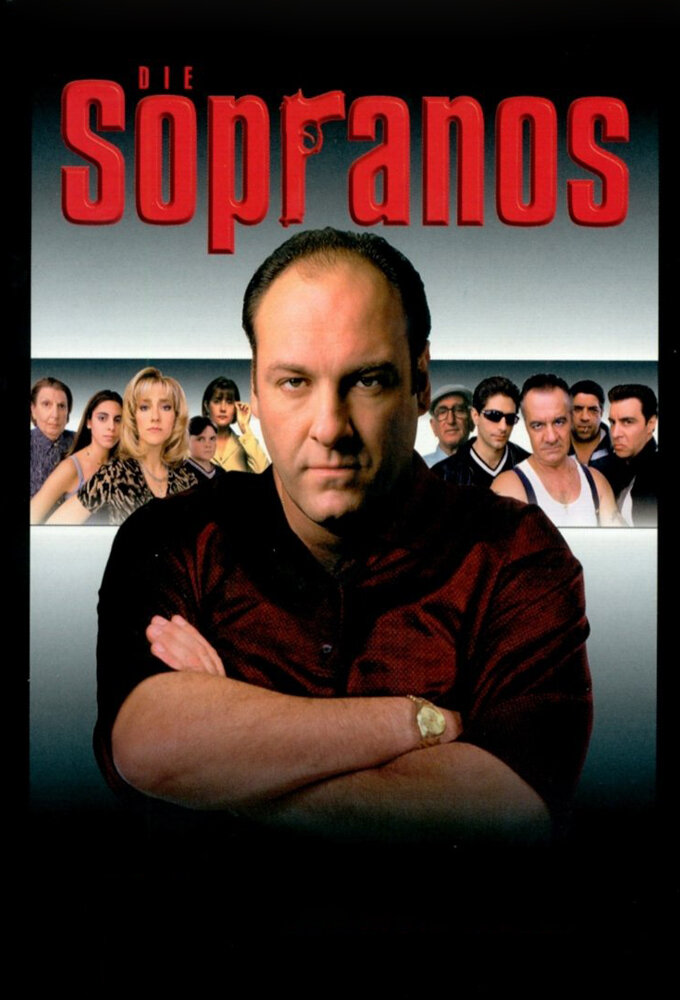
The Sopranos1999
The series that redefined television drama. Tony Soprano is a bruised, intelligent man trying to hold together criminal enterprise and family. The writing is sharp and the performances are unflinching about moral compromise.
But Six seasons is a commitment. The show's darkness accumulates—it's not designed to comfort you.
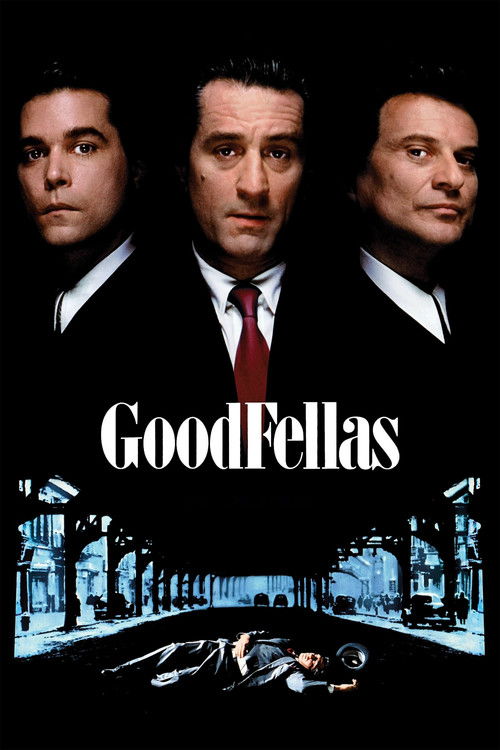
GoodFellas1990
Scorsese's greatest film about the seduction of criminal life. Energy and style collide with consequence. It shows why Henry Hill's world is magnetic and why it destroys him.
But It's almost too entertaining—the real cost can feel abstracted by the filmmaking's brilliance.
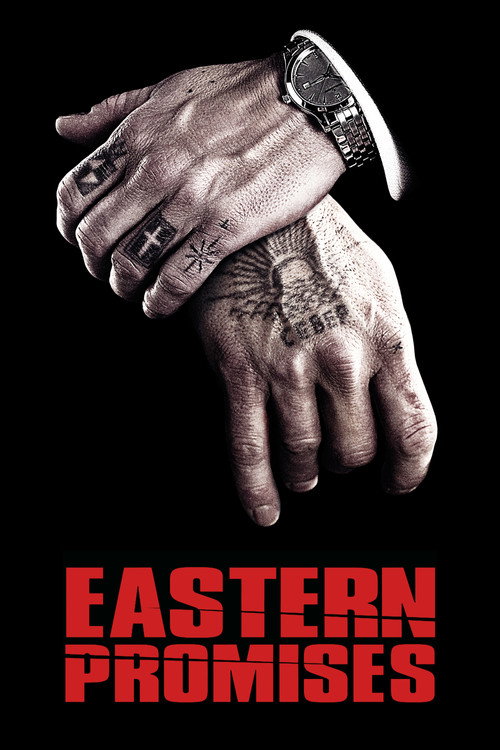
Eastern Promises2007
Cronenberg's film about a midwife drawn into the Russian mob underworld. Viggo Mortensen is extraordinary as a man whose loyalty is his only currency. Brutal and intimate.
But Very violent in specific, unflinching ways. The narrative is sometimes secondary to character and atmosphere.
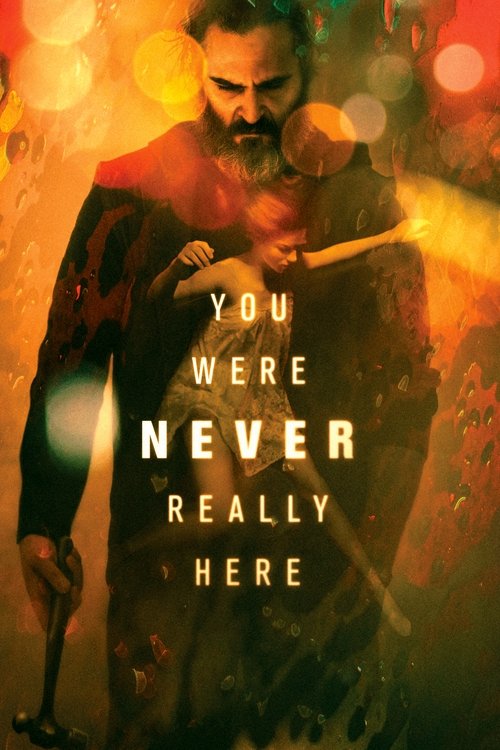
You Were Never Really Here2017
Lynne Ramsay's portrait of a traumatized fixer hired to rescue a missing girl. Formally adventurous and psychologically devastating. A film that trusts you to sit with unbearable tension.
But Fragmentary editing, minimal plot. Some will find it pretentious; others will find it overwhelming.
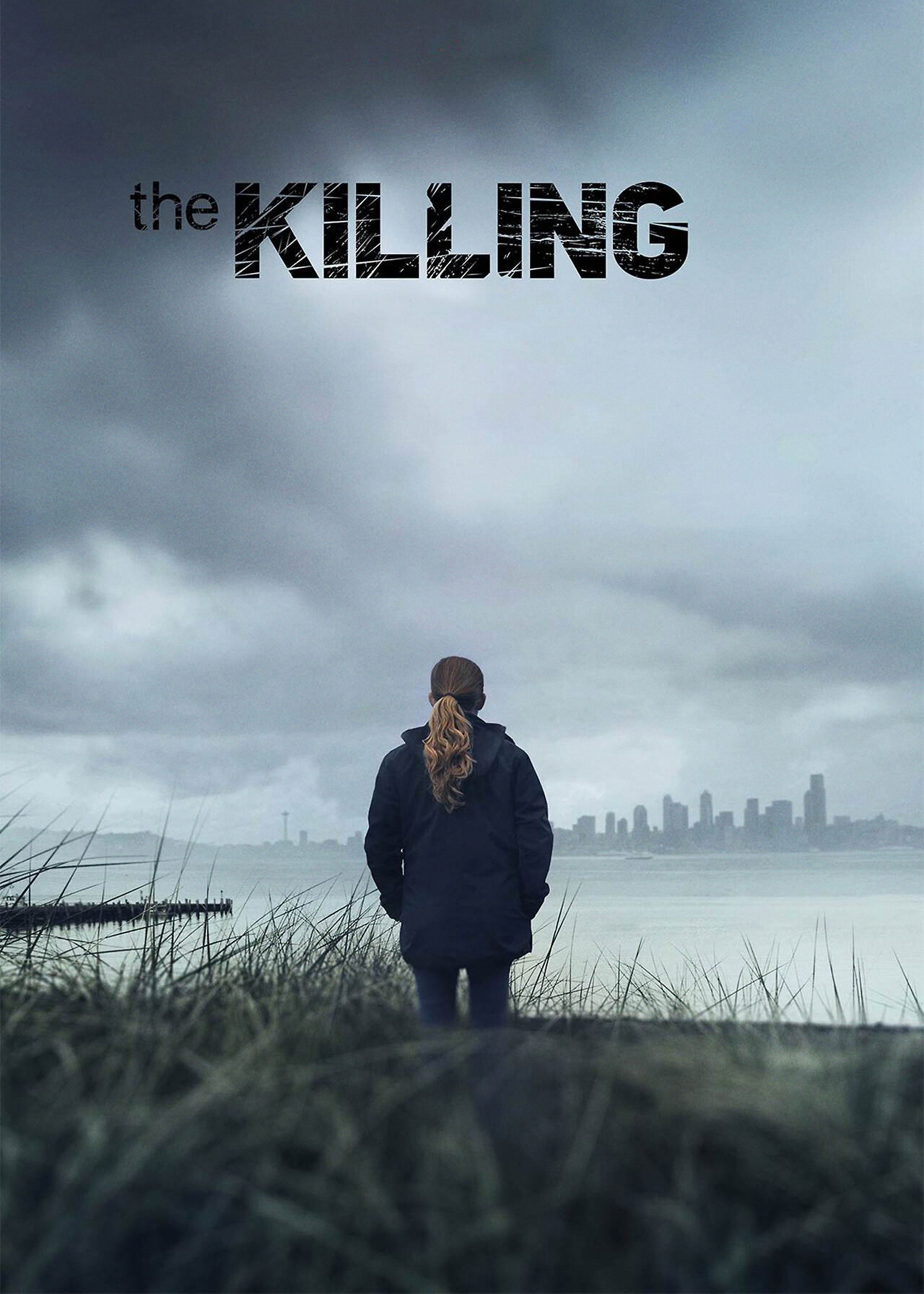
The Killing2011
Danish noir about a homicide detective pursuing a murder case through a sprawling investigation. Methodical, atmospheric, and genuinely haunting. The mood is closer to Little Odessa than to typical crime drama.
But Four seasons of slow-burn procedural. If you need resolution and closure, this might frustrate you.
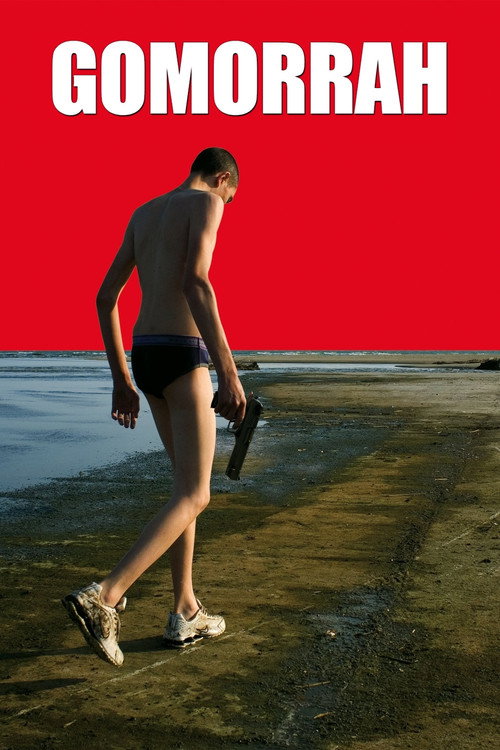
Gomorrah2008
Both are ethnographic about criminal worlds—showing how they function, how they deform those inside them. Neither dramatizes crime for effect.
Matteo Garrone's Neapolitan crime epic told across five interlocking stories. Shot like documentary realism but morally complex as tragedy. The Camorra is treated as a suffocating system, not a story.
But Italian with subtitles, bleak throughout, and deliberately unglamorous. No single protagonist to root for.
Stalker1979
Both films are concerned with what we want versus what we can live with. Both move inward rather than outward. Both suggest that the real journey is psychological, not geographical.
Tarkovsky's slow, meditative science-fiction film about a guide leading two men through a mysterious zone to a room that grants wishes. Seems unrelated until you realize both films are about the corruption of desire and the weight of returning home.
But 163 minutes of deliberate pacing and philosophical digression. If you need plot, this will feel like punishment.

People
Cast
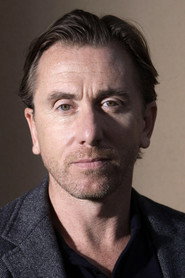 Tim RothJoshua Shapira
 Edward FurlongReuben Shapira
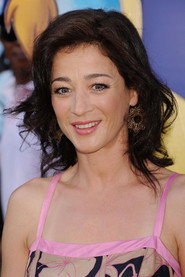 Moira KellyAlla Shustervich
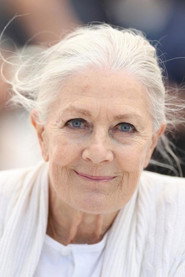 Vanessa RedgraveIrina Shapira
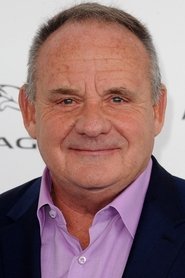 Paul GuilfoyleBoris Volkoff
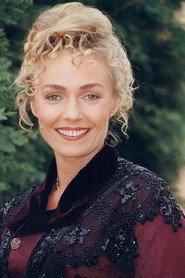 Natalya AndreychenkoNatasha
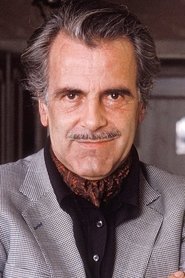 Maximilian SchellArkady Shapira
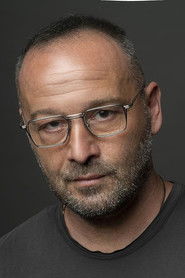 David VadimSasha
- Mina BernGrandma Tsilya
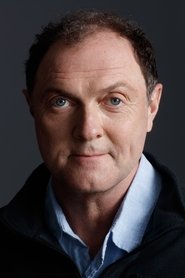 Boris McGiverIvan
- Mohammad GhaffariPahlevi
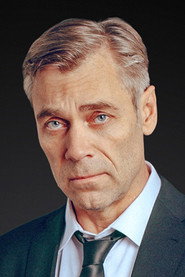 Michael KhmurovYuri
Directing
- James GrayDirector
- Steve ApicellaFirst Assistant Director
- Julie OppenheimerScript Supervisor
- David M. CoxSecond Assistant Director
- David 'Wex' WechslerSecond Second Assistant Director
Writing
- James GrayWriter
Production
- Andrew SaxeAssistant Location Manager
- Douglas AibelCasting
- Jordan BeswickCasting Assistant
- Kerry OrentCo-Producer
- Claudia LewisExecutive Producer
- Nick WechslerExecutive Producer
- Rolf MittwegExecutive Producer
- Kalev KuusoeksExtras Casting Assistant
- Jocelyn JansonsLocation Assistant
- Sarah LindborgLocation Assistant
- Eddy CollynsLocation Manager
- Paul WebsterProducer
- Margo MyersProduction Accountant
- Brian David FisherProduction Assistant
- Mimi TurnerProduction Assistant
- Victoria McGarryProduction Coordinator
- Christopher GoodeProduction Manager