
Television series
Fear the Walking Dead
Fear the Walking Dead watches an ordinary blended family fracture under apocalyptic pressure in Los Angeles. It's grittier and more intimate than its parent show, trading zombie spectacle for the slow dissolution of people who thought they knew themselves. Character-driven, often bleak, it's for viewers who want to see how ordinary people become something harder.
Should you watch it?
Watch it if you enjoy slow-building family drama in which the dread comes from people fraying under pressure, and the end of the world creeps in gradually rather than all at once.
Skip it if you want the zombie action to arrive quickly, since the early episodes spend long stretches on squabbling households and teenage misbehaviour before the genre payoff.
What it asks of you: A long commitment: 113 episodes across eight seasons, each around an hour, with patient pacing and a lot of domestic friction between the action.
Not sure? Find tonight's pick in a minute.
If you liked this
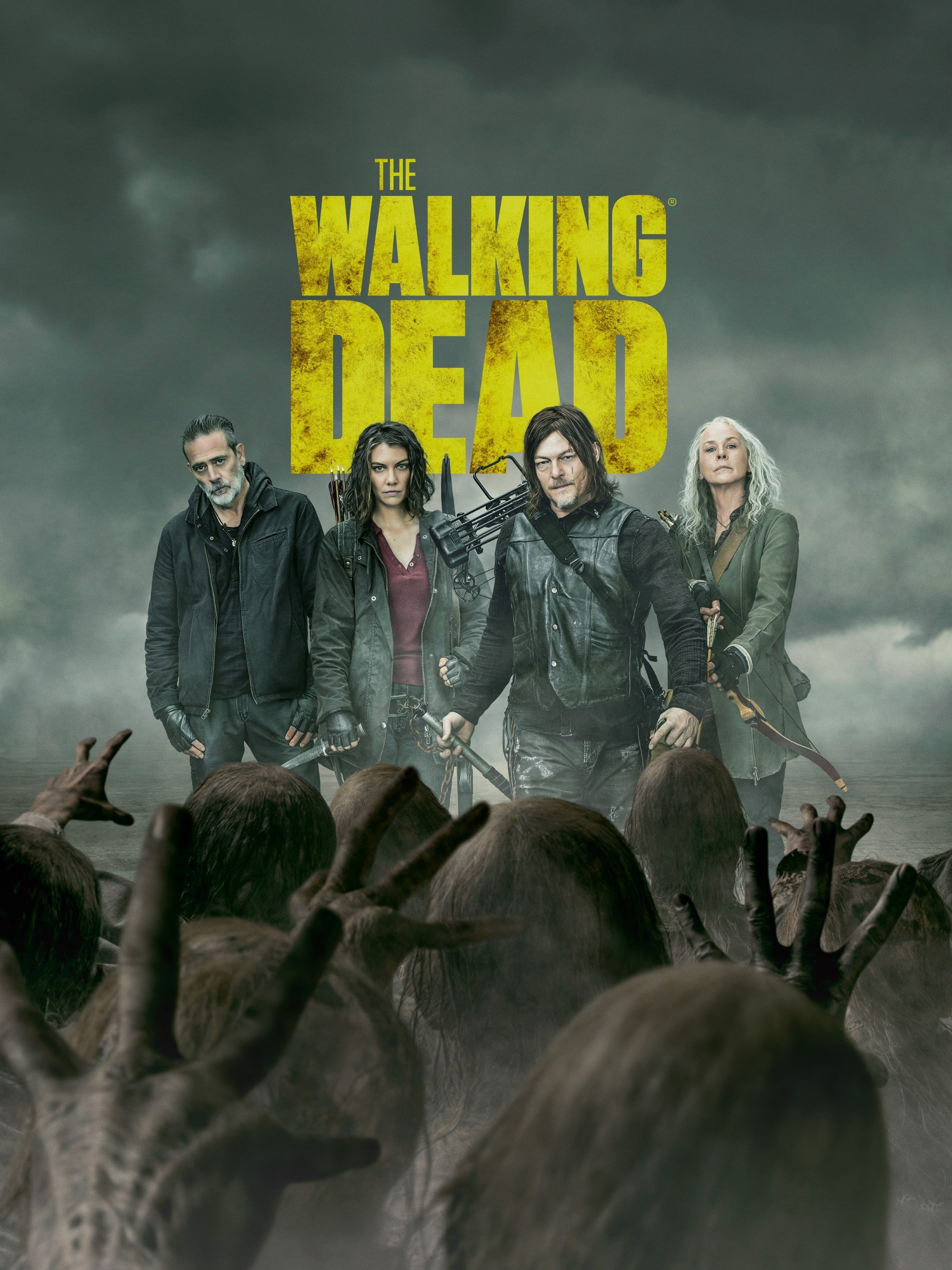
The Walking Dead2010
The original that defined the format. Same universe, same undead threat, but with a larger ensemble and epic scope. Essential context for Fear's references and shared mythology.
But If you haven't seen it, it's a massive time commitment—11 seasons. The early seasons are strongest; it runs uneven later. Some find the soap opera elements exhausting.
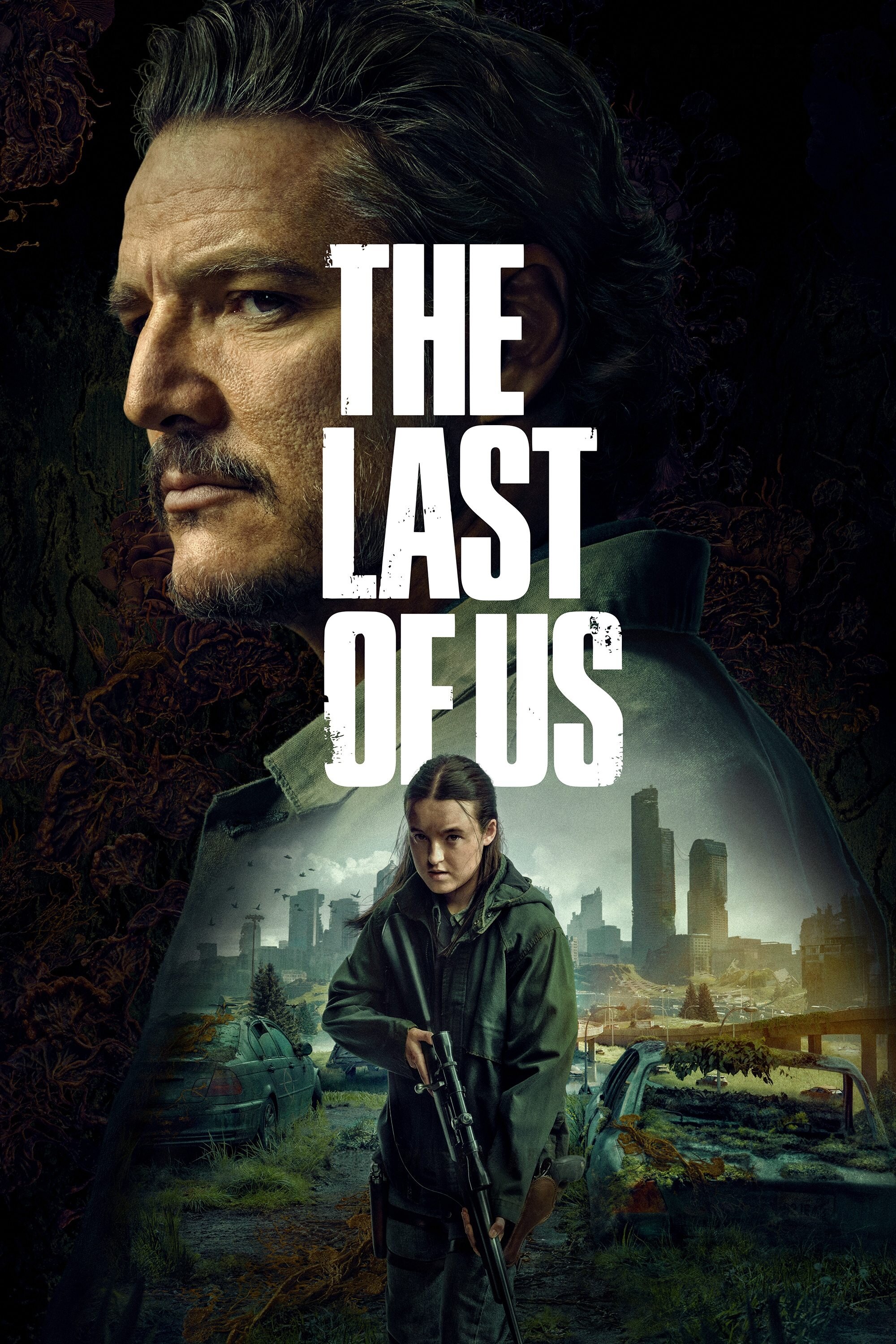
The Last of Us2023
Post-apocalyptic survival with the same emotional weight and character focus as Fear. A fractured relationship—older man, younger woman—at the center. A masterclass in how to adapt a beloved property with reverence and taste.
But Only one season so far. If you need resolution, you'll wait years. Some found the pacing slower than expected, though most found that meditative rather than sluggish.
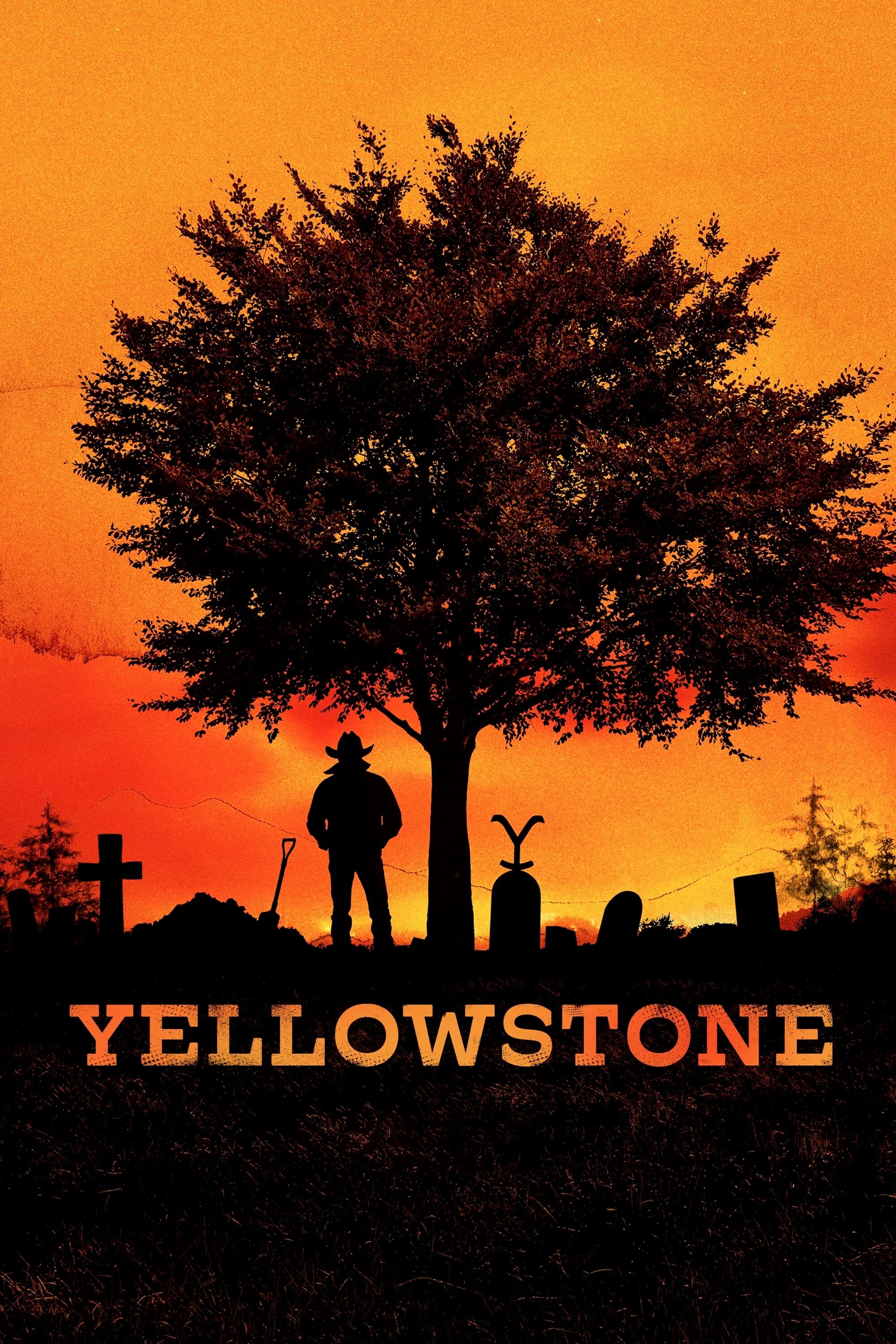
Yellowstone2018
Family drama where power and survival drive the narrative. Toxic people embedded in systems they can't escape, forced to become worse versions of themselves. Different setting, same moral rot and dissolution.
But The politics are blunt and sometimes didactic. Kevin Costner's magnetism carries it, but if you find him insufferable the whole show collapses. It gets soapy in later seasons.
Not sure tonight? Get a pick in a minute, starting from Fear the Walking Dead
The wildcard
Something you would not have found on your own.
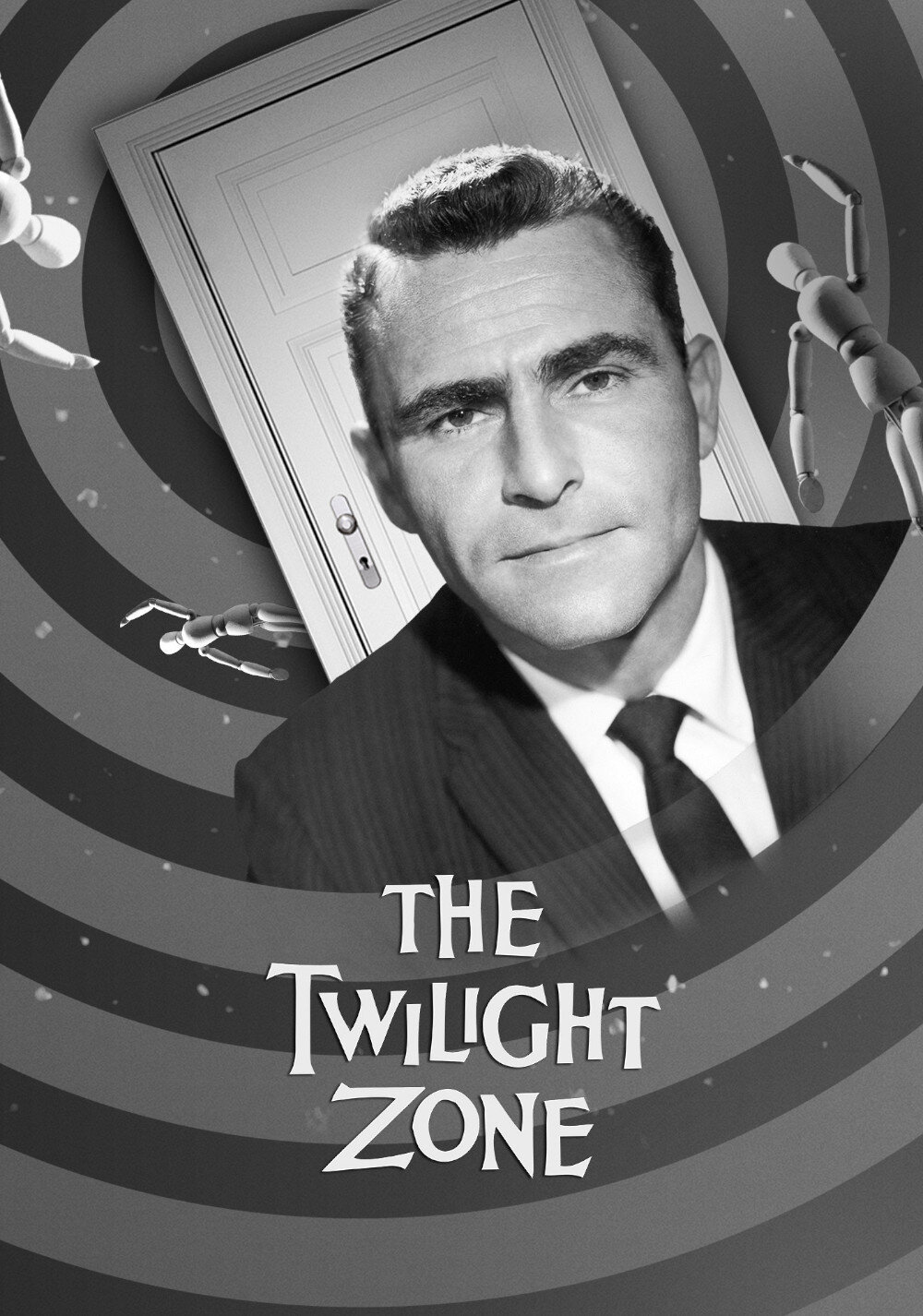
The Twilight Zone1959
Both understand that the real apocalypse is not the event—it's the human reckoning that follows. Fear watches a family become unrecognizable; Twilight Zone watches individuals discover who they always were.
The DNA of all apocalyptic storytelling. Each episode is a small society breaking down or a single person confronting their nature. The best episodes feel like Fear's individual arcs stretched to perfection—ordinary people undone by circumstance.
But Black and white, episodic, from 1959. Pacing and dialogue feel antique. Some episodes are weaker than others; you'll be mining rather than streaming. It requires patience most modern viewers no longer have.
More like this (8)
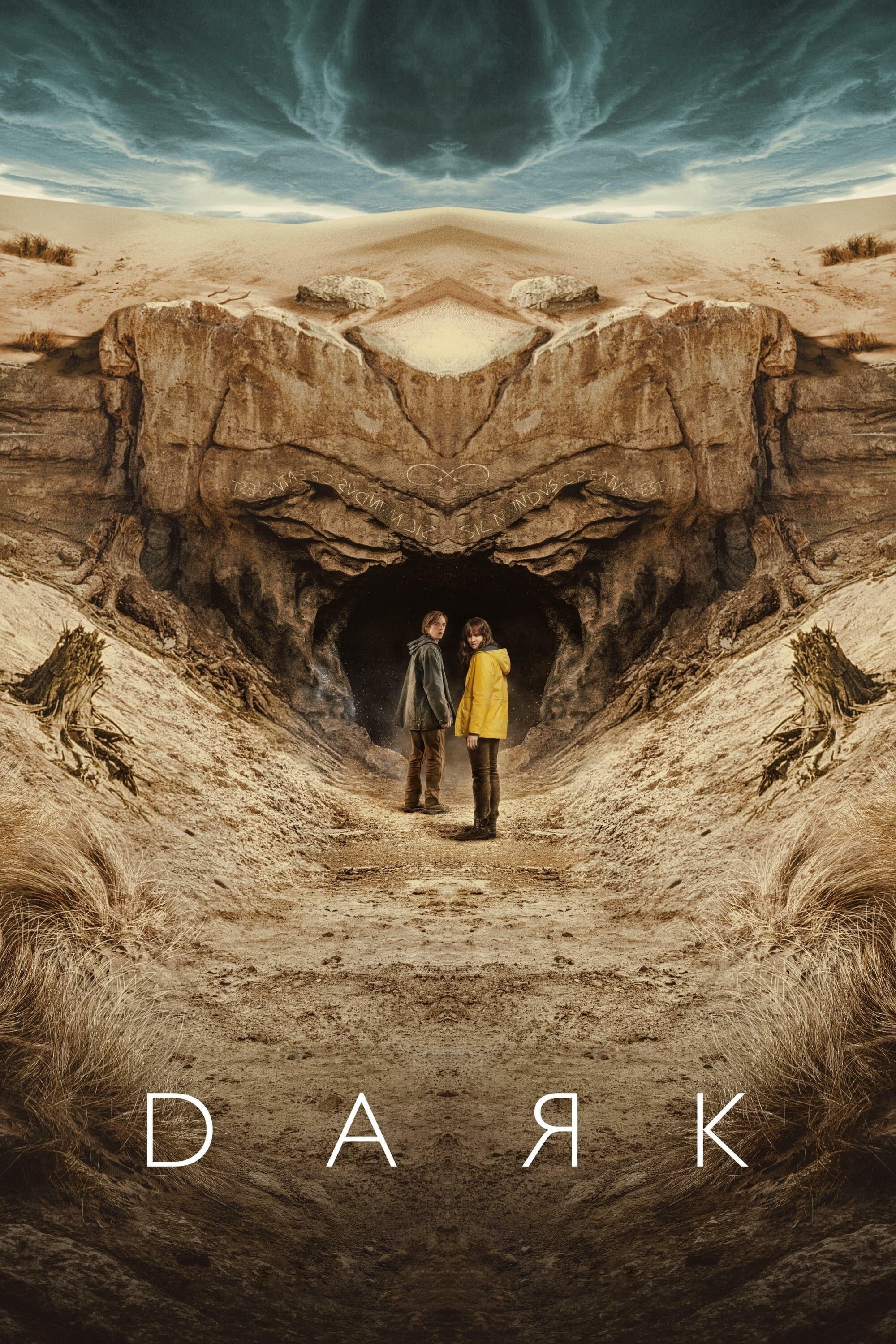
Dark2017
Intricately plotted mystery across three decades. Ordinary people forced into extraordinary circumstances that reveal their nature. Like Fear, it understands that apocalypse is intimate before it's grand.
But German with subtitles. Complex timeline can demand a rewatch. The final season divides opinion—some find it a letdown after the buildup.
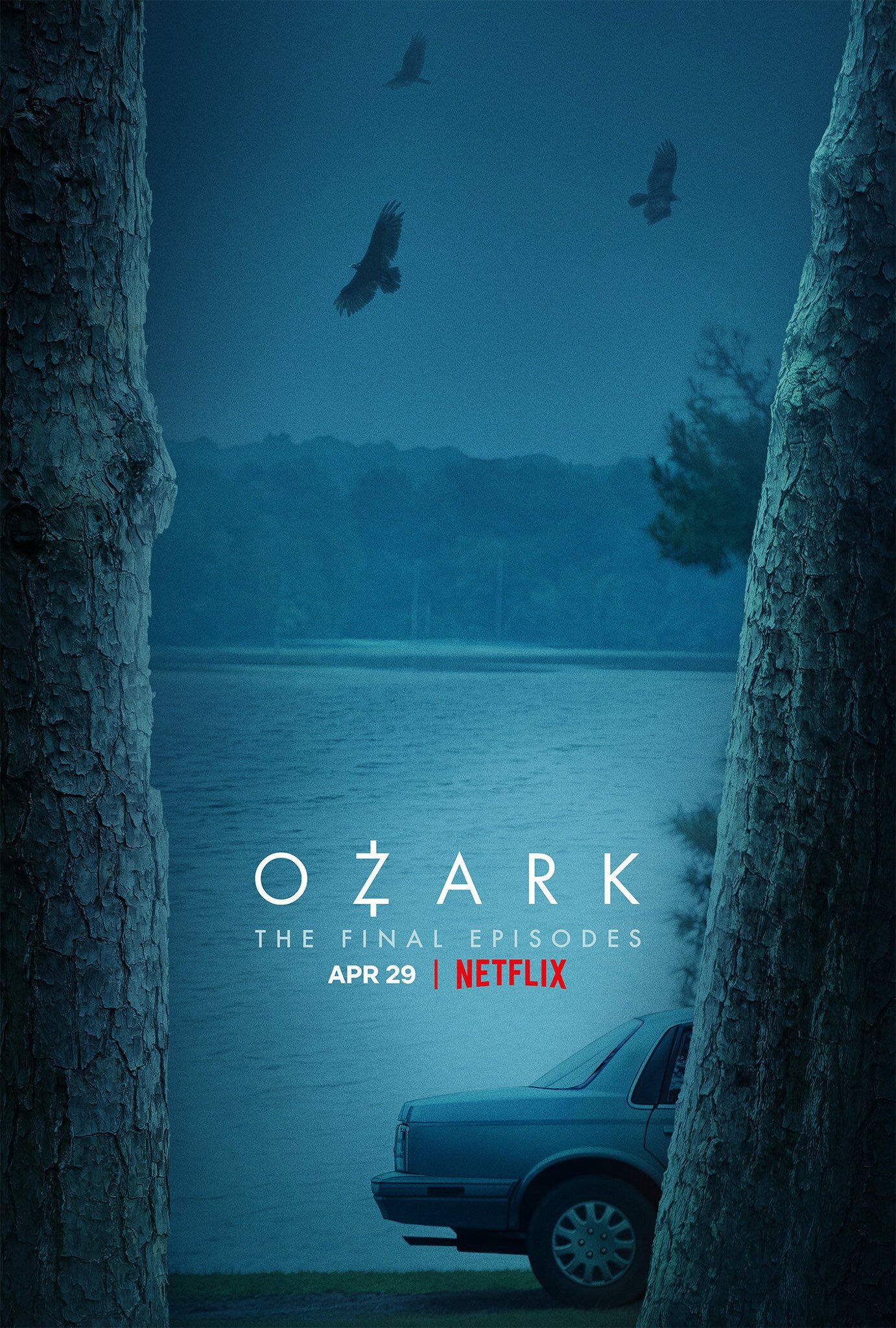
Ozark2017
A family in over their head, watching themselves transform from law-abiding to ruthless. Claustrophobic, tense, and ruthlessly character-driven. If you liked watching Madison become something unrecognizable, this scratches the same itch.
But Relentlessly grim with minimal humor as relief. The final season felt rushed to some. The violence is often graphic and sometimes gratuitous.
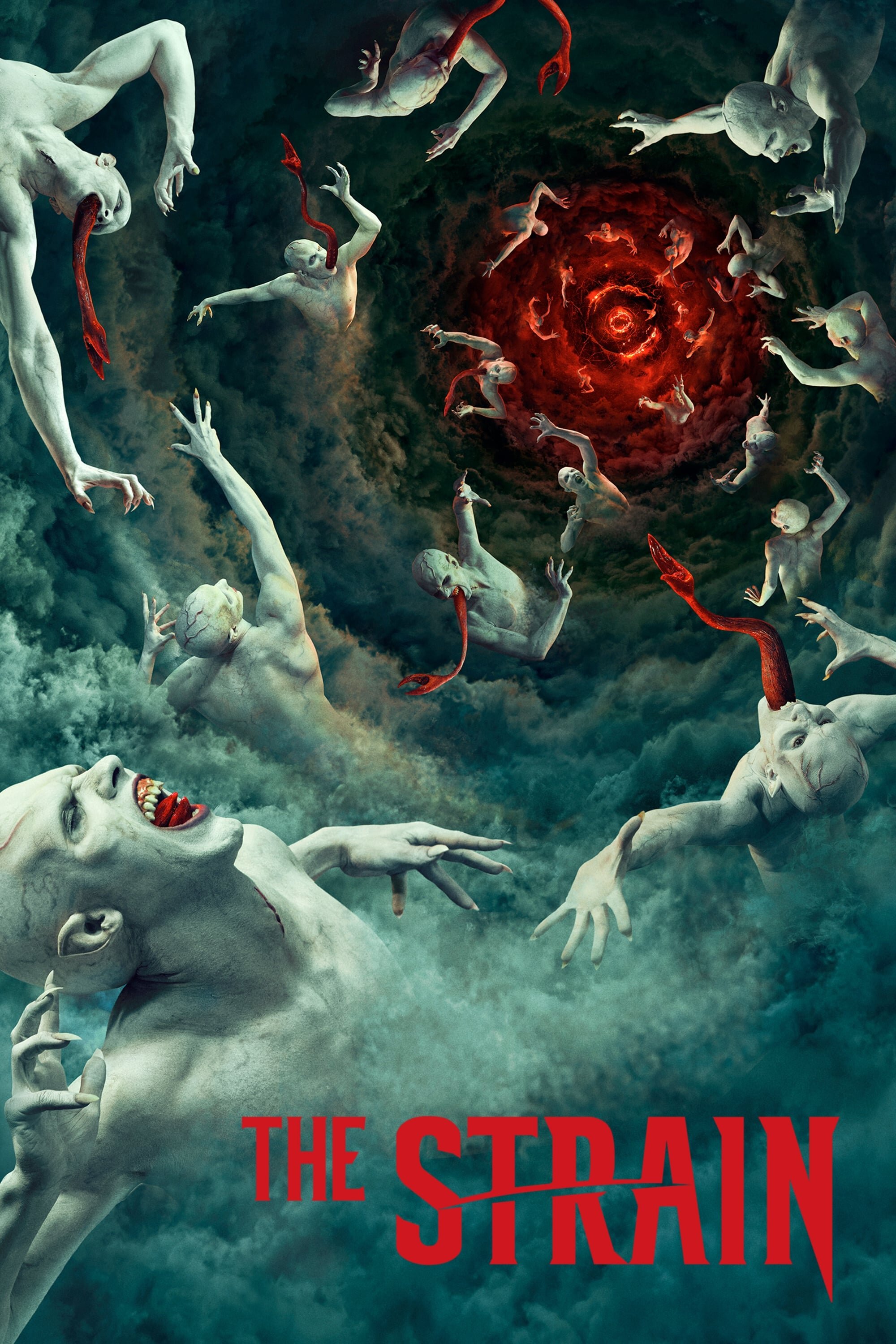
The Strain2014
Guillermo del Toro's take on apocalyptic horror. The undead have logic and hierarchy. Watches like Fear's darker sibling—smaller cast, bigger stakes, more body horror.
But Cancelled after four seasons on a cliffhanger. Some find the mythology overwrought. Del Toro's sensibility is operatic; if you prefer restraint, you'll find it excessive.
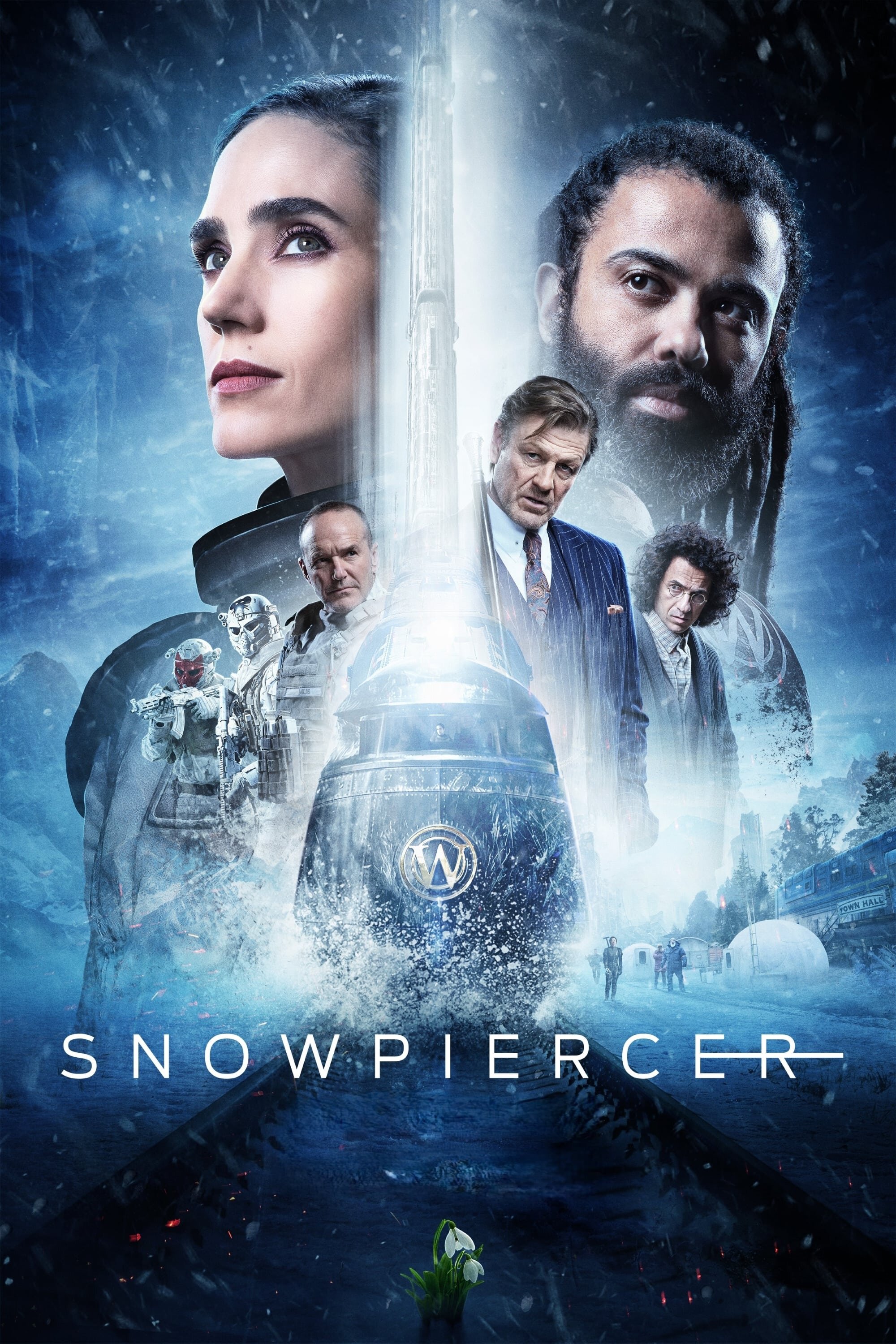
Snowpiercer2020
Survival drama where a train becomes a microcosm of society. Class conflict, paranoia, and the question of who you become when civilization ends. Visually inventive and thematically sharp.
But Based on a film many loved; this version is different enough to disappoint fans of that. It can feel stagey—everything takes place in tight spaces. Some plots repeat or stall.
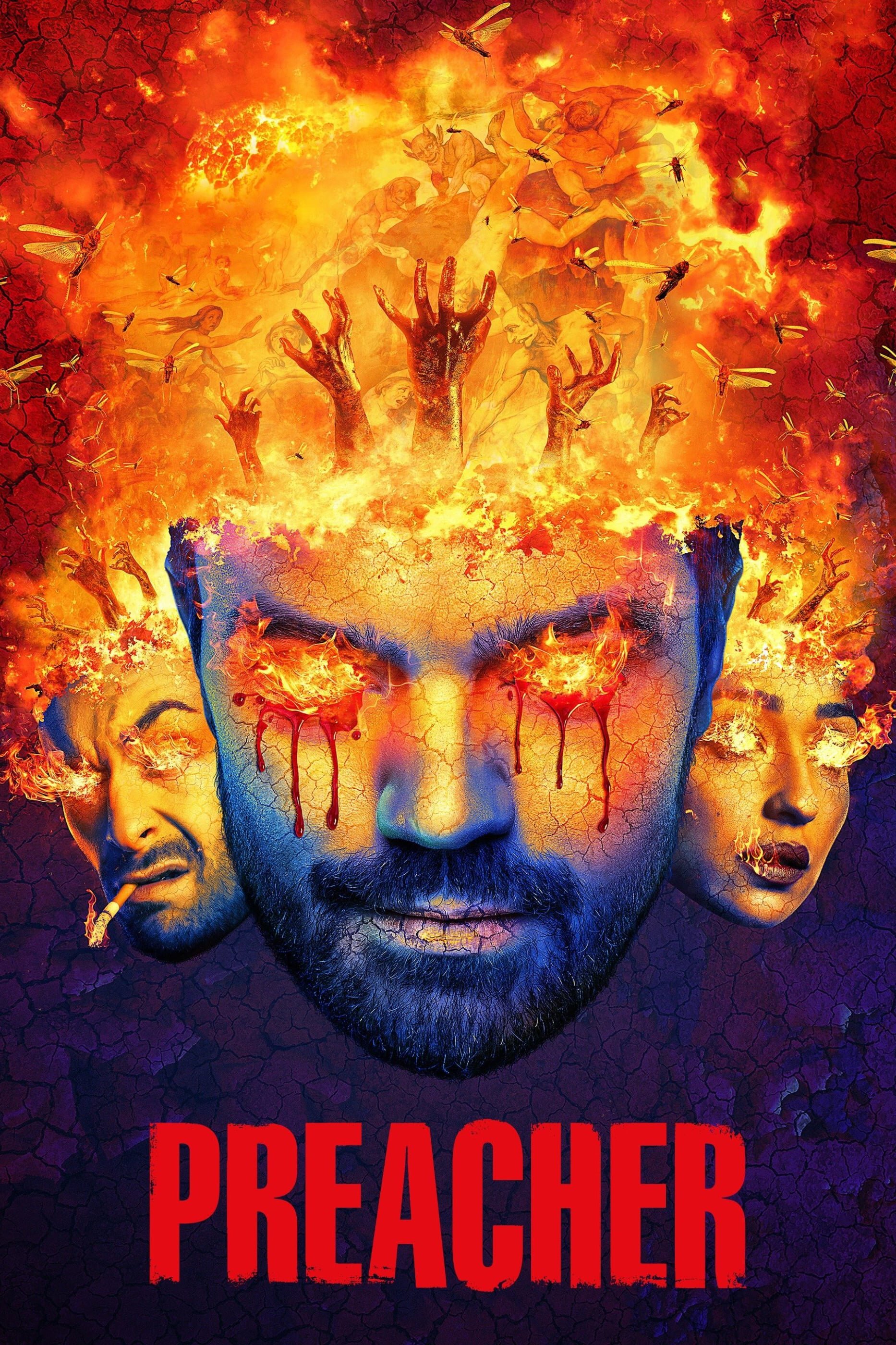
Preacher2016
Dark, weird, operatic. A man collects the broken people around him as he pursues an impossible goal. Irreverent tone, but with genuine stakes and character depth beneath the chaos.
But Aggressively strange, often distasteful. If you want grounded storytelling, the surrealism will exhaust you. The final season is shorter and felt rushed.
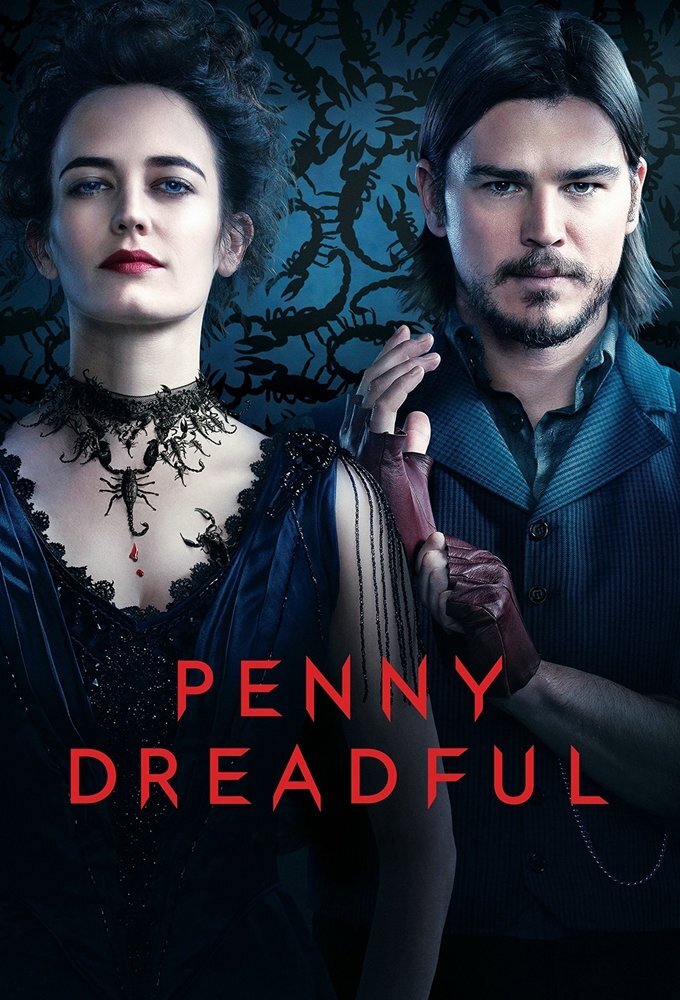
Penny Dreadful2014
Fractured characters drawn together by trauma. Gorgeous, literary horror that values atmosphere and psychological damage over jump scares. A masterwork of slow-burn dread and moral ambiguity.
But Only three seasons; criminally short. Deliberately paced—some find it meandering. The third season is weaker, and it ends on a sad note many found unsatisfying.
Come and See1985
Both trace the moment when a decent person realizes they can do terrible things to survive. Both understand that this moment—not the apocalypse itself—is the real catastrophe.
A young boy's baptism into horror during WWII. The camera rarely looks away. A masterpiece about how ordinary people become capable of atrocity, and what survives of them after. Unflinching, devastating, mythic.
But Russian language. 142 minutes without relief. Viscerally brutal in ways that aren't spectacle—you watch innocence die. Many find it harrowing to the point of unwatchable. It is that film people respect more than enjoy.

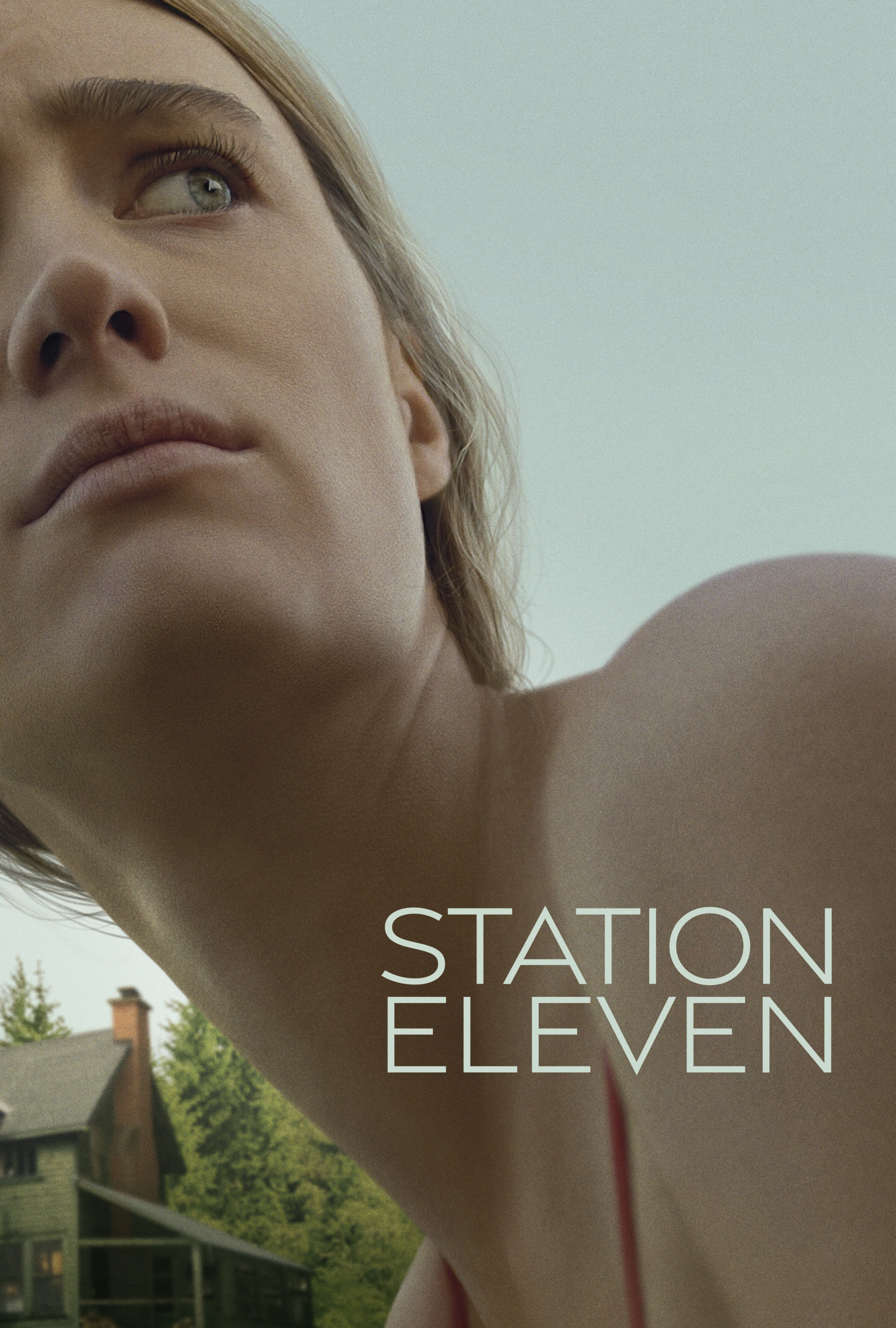
Station Eleven2021
Both are character studies set in collapse. But where Fear watches people harden, Station Eleven watches them remember what was worth surviving for—a mirror image that asks different questions about the same apocalypse.
Post-apocalyptic, but focused on meaning-making and beauty rather than mere survival. A miniseries about interconnected lives before, during, and after a pandemic. Devastating and oddly hopeful—grief given form.
But Only nine episodes, so it ends. If you want the grind and escalation Fear provided, this pulls back into philosophy. Some find it too gentle; others find the fractured timeline confusing on first viewing.
People
Cast

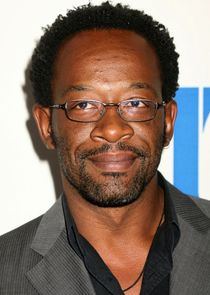
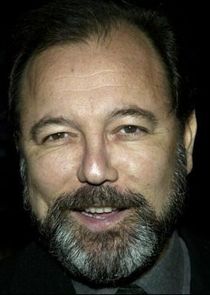
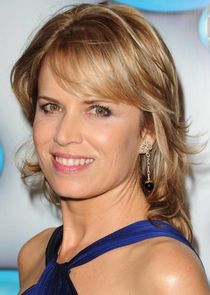
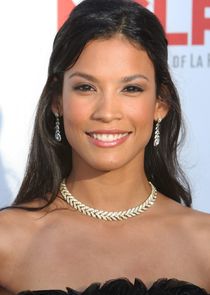


Writing
- Dave EricksonCreator
- Robert KirkmanCreator
- Richard NaingExecutive Story Editor
- Suzanne HeathcoteExecutive Story Editor
- Alex DelyleStaff Writer
- Wes BrownStory Editor
Production
- Adria Murray SchneiderAssociate Producer
- Kenneth RequaAssociate Producer
- Adam DavidsonCo-Executive Producer
- Alex Coley BrownCo-Executive Producer
- Andrew BernsteinCo-Executive Producer
- Brian BockrathCo-Executive Producer
- David WienerCo-Executive Producer
- Jami O'BrienCo-Executive Producer
- Kate BarnowCo-Executive Producer
- Mark RichardCo-Executive Producer
- Melissa Scrivner LoveCo-Executive Producer
- Michael AlaimoCo-Executive Producer
- Michael E. SatrazemisCo-Executive Producer
- Shintaro ShimosawaCo-Executive Producer
- Bob LewisCo-Producer
- Brett C. LeonardConsulting Producer
- Brian BucknerConsulting Producer
- Jack LoGiudiceConsulting Producer
- Jason CahillConsulting Producer
- Marco RamirezConsulting Producer
- Andrew ChamblissExecutive Producer
- Dave EricksonExecutive Producer
- David AlpertExecutive Producer
- Gale Anne HurdExecutive Producer
- Greg NicoteroExecutive Producer
- Ian GoldbergExecutive Producer
- Robert KirkmanExecutive Producer
- Scott M. GimpleExecutive Producer
- Alan PageProducer
- Arturo SampsonProducer
- Frank HildebrandProducer
- Kenneth RequaProducer
- Pablo CruzProducer
- Ryan ScottProducer
- Alan PageSupervising Producer
- Anna FishkoSupervising Producer
Recommended by
The Walking Dead, The Walking Dead: Dead City, Z Nation, All of Us Are Dead