
Film
Redacted
- Western
- Very dark
- Slow-burning
Brian De Palma's deliberately broken mockumentary about an American military unit in Iraq uses fractured video, redacted documents, and found-footage confusion to capture moral deterioration in wartime. It's formally audacious and deeply angry—a film that harries you rather than comforts you. For viewers who want war cinema that refuses to look away or feel good about itself.
Should you watch it?
Watch it if you're more gripped by how war gets filmed and shaped for the public than by any single soldier, and a cold, angry collage suits you.
Skip it if you want a warm, character-led story with a clear emotional arc, since this is deliberately rough, didactic and often more interested in its argument than in the people it shows.
What it asks of you: Expect about ninety minutes of shifting formats, handheld camera, interviews and news-style clips, so you have to keep track of who is filming and why.
Not sure? Find tonight's pick in a minute.
If you liked this
The Battle of Algiers1966
A masterclass in documentary-style war filmmaking that interrogates imperialism, counterinsurgency, and state violence with unflinching clarity. Technically revolutionary and politically urgent without preaching.
But Shot in 1966 for a European audience; its perspective and pacing demand patient attention. The violence, though restrained, carries devastating weight.

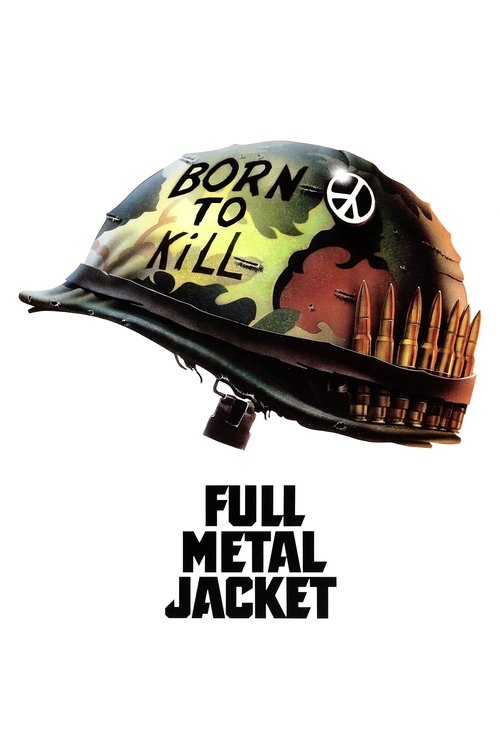
Full Metal Jacket1987
Kubrick's two-part meditation on military indoctrination and moral collapse in Vietnam, structured to show how training destroys humanity before combat even begins. Formally perfect and genuinely horrifying.
But The second half shifts into a different film entirely, which some find brilliant and others find uneven. It's also brutally bleak without redemption.
Come and See1985
Perhaps cinema's most devastating depiction of war's effect on the young—a Belarusian film that doesn't flinch from showing what fascism does to a boy's soul. Formally innovative and morally ferocious.
But It's relentlessly grim and features real animal violence. This is not entertainment; it's an ordeal, and it's meant to be.

Not sure tonight? Get a pick in a minute, starting from Redacted
The wildcard
Something you would not have found on your own.
A Ghost Story2017
Both films use fractured or obscured form—redaction, sheets, found footage—to say things realism cannot. Both are interested in ghosts: what remains after violence, what refuses to be contained or explained away.
A formally strange film about time, presence, and haunting that uses a white sheet and long takes to explore how memory persists. Not about war directly, but structurally similar to Redacted—a familiar form made strange to access difficult truths.
But It's visually minimal and narratively diffuse, moving at a meditative pace. The sheet-ghost imagery may read as gimmicky if the film hasn't earned your patience.

More like this (8)
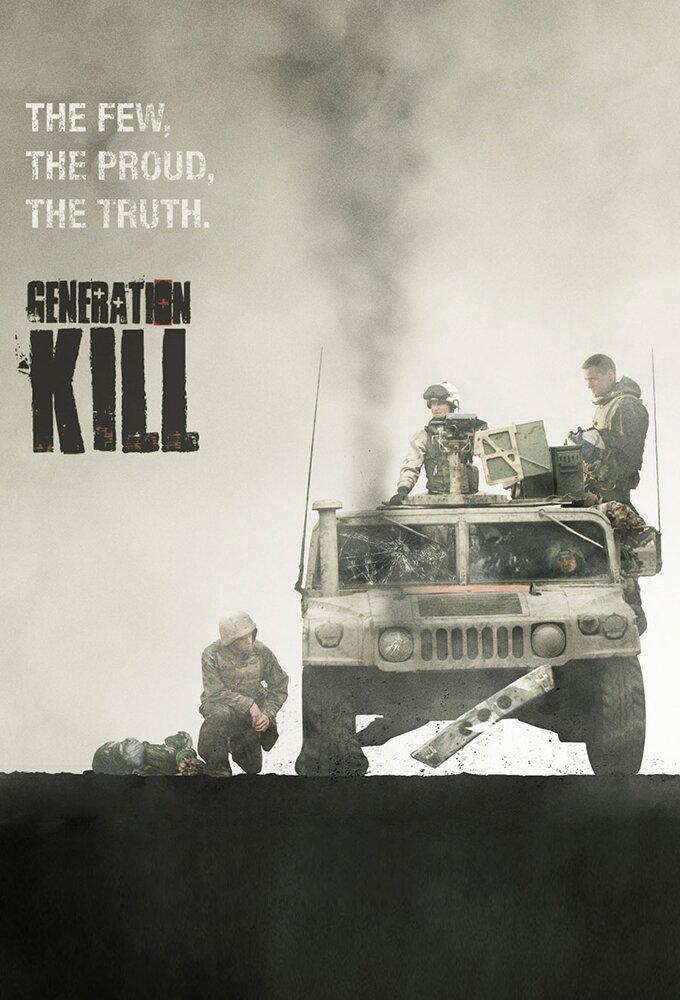
Generation Kill2008
An HBO miniseries that follows Marines into Iraq with documentary precision and dark humor. Seven hours of earned cynicism from journalists embedded with soldiers becoming disillusioned in real time.
But It's episodic and slow-burn, trusting viewers to stay engaged without melodrama. Some find the humor inappropriate; others find it essential to surviving the material.
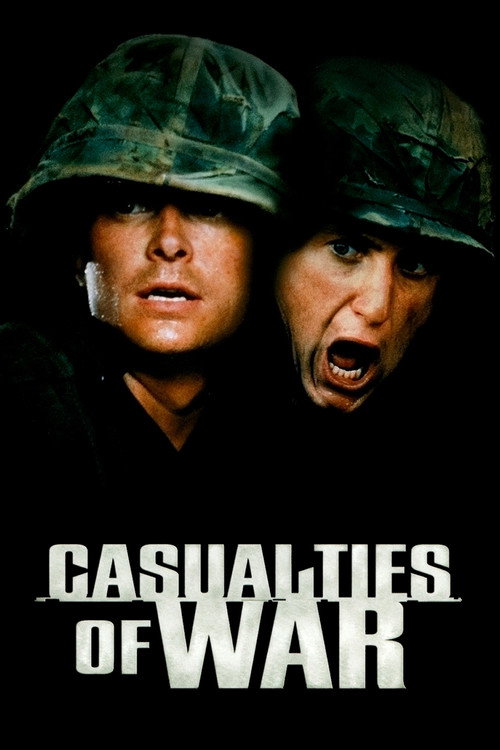
Casualties of War1989
De Palma's Vietnam film about complicity and moral corruption within a squad. Structurally his answer to the question of how good men become bad ones, with a rage that builds invisibly.
But It contains a sexual assault that is not gratuitous but is graphic. The film is also uncompromising about collective guilt, which many find disturbing.
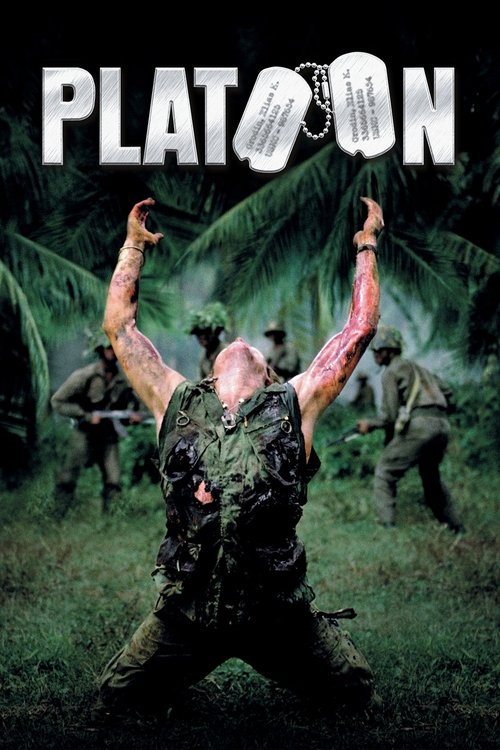
Platoon1986
Stone's Vietnam memoir-novel-film balances visceral combat footage with genuine philosophical debate about good and evil in war. It feels lived because much of it was—by Stone himself.
But The good-versus-evil sergeant conflict is schematic. It's also the film everyone saw first, which can make it feel less urgent than what came after.
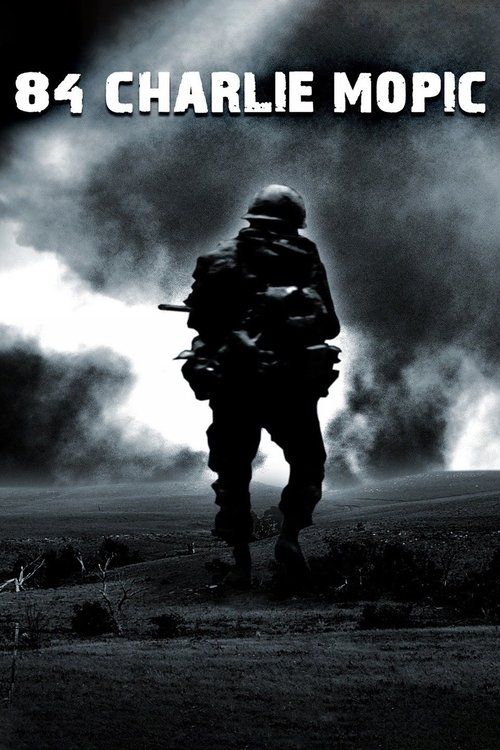
84 Charlie Mopic1989
A small, strange Vietnam War film about Army scout photographers that captures the mundane terror and moral complexity of surveillance work. Forgotten and worth reclaiming.
But It's genuinely obscure and doesn't have the resources of bigger war films. The small cast and limited scope may feel too intimate for some tastes.
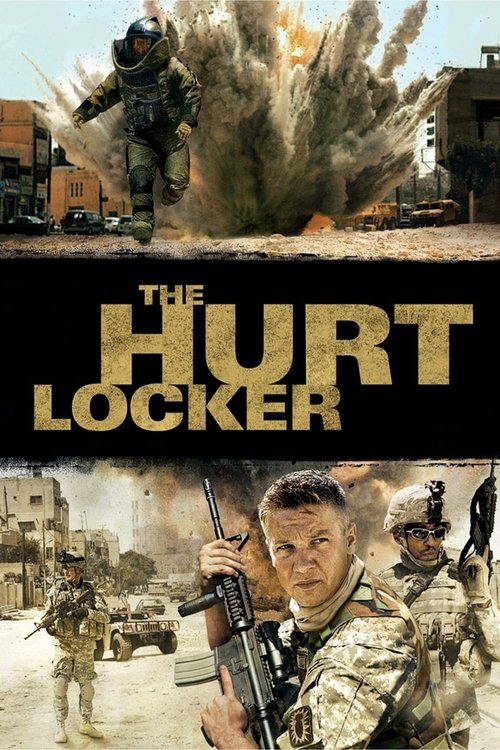
The Hurt Locker2008
Katherine Bigelow's Iraq War thriller about bomb disposal experts that uses formal precision and rhythmic cutting to create unbearable tension. A masterwork of genre craft in service of something serious.
But Some find it apolitical—a thriller about war rather than about what war means. The ending divides viewers sharply.
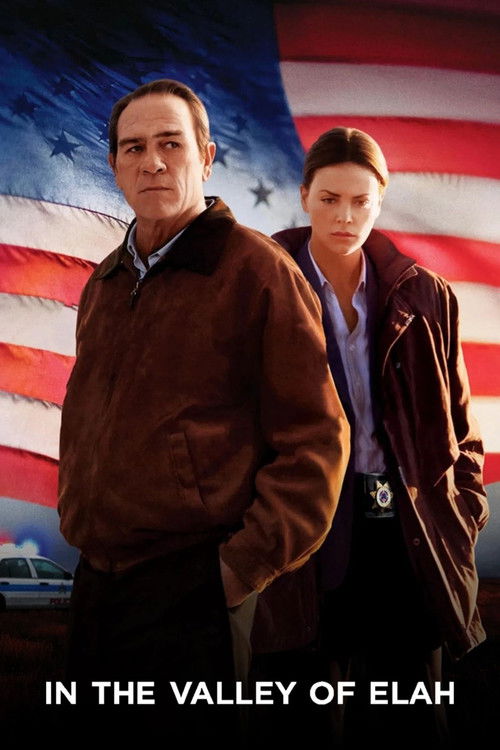
In the Valley of Elah2007
Paul Haggis tracks a retired sergeant investigating his son's death after returning from Iraq, using a mystery structure to examine PTSD and national dishonesty. Quieter and more surgical than it first appears.
But It's a detective story that resists thriller momentum in favor of slow moral revelation. Some find this contemplative; others find it frustrating.
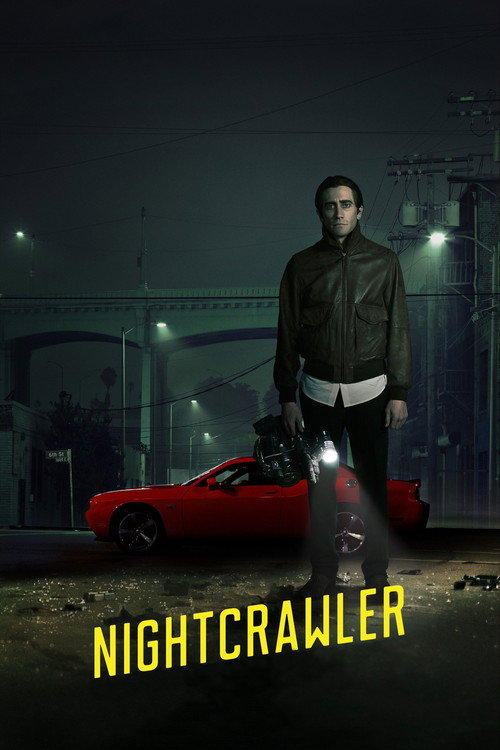
Nightcrawler2014
Both are films about representation and exploitation: how images are made, who pays for them, what we lose when we let violence become content. Both use formal innovation to indict the viewer's gaze.
A Los Angeles nocturne about a freelance videographer who profits from other people's trauma. Deeply cynical, formally disciplined, and shot through with the same rage at complicity and spectacle that fuels Redacted.
But It's a character study of a sociopath with no redemption arc. The film is bleak about media, capitalism, and our appetite for suffering—not uplifting company.
The Act of Killing2012
Both explore how war crimes are narrated and defended by those who commit them. Both use formal estrangement—reenactment, redaction, performance—to crack open the lies people tell themselves about atrocity.
A documentary in which Indonesian death-squad perpetrators reenact their own atrocities. Harrowing, formally experimental, and designed to make visible how killers narrate their own actions. A mirror to Redacted's interest in testimony and self-deception.
But It's a real documentary with real perpetrators describing real genocide. Some find this morally compromised; others find it essential. It's difficult in ways that don't resolve.

People
Cast
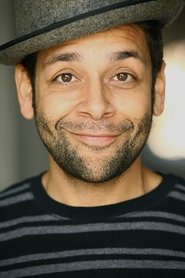 Izzy DiazAngel Salazar
- Rob DevaneyLawyer McCoy
- Ty JonesMaster Sergeant Sweet
- Anas WellmanSoldier
 Mike FigueroaSergeant Jim Vasquez
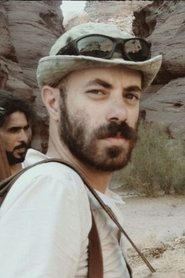 Yanal KassaySoldier
- Dhiaa KhalilSoldier
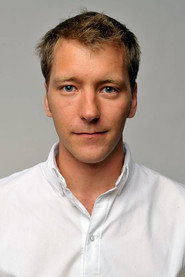 Kel O'NeillGabe Blix / Criminal Investigation Agent #2
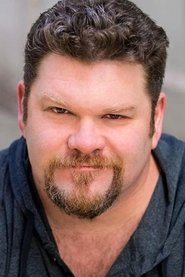 Daniel Stewart ShermanB.B. Rush
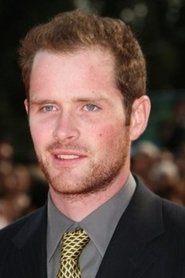 Patrick CarrollReno Flake
- Qazi FreihatHadi
- Adel OdaiInterpreter
Directing
- Brian De PalmaDirector
- John M. TysonFirst Assistant Director
- Winnifred JongScript Supervisor
- Francois CaillaudSecond Assistant Director
Writing
- Brian De PalmaWriter
Production
- David H. KramerADR Voice Casting
- Billy HopkinsCasting
- Lara AtallaCasting
- Paul SchneeCasting
- George NaouriCasting Assistant
- Mark CubanExecutive Producer
- Todd WagnerExecutive Producer
- Fuad KhalilLocation Manager
- Jason KliotProducer
- Jennifer WeissProducer
- Joana VicenteProducer
- Simone UrdlProducer
- Doug GillespieProduction Accountant
- Beisan EliasProduction Assistant
- Dana SilvermanProduction Assistant
- Mohammad MajaliProduction Assistant
- Alice Wickwire FosterProduction Coordinator
- Reem BandakProduction Coordinator
- Virginia A. Williams WettebornProduction Executive
- Stephen TraynorProduction Manager
Recommended by
Asterix: The Mansions of the Gods, A Cat in Paris, Battle for Terra, The Nut Job